


Chandler Lifestyle Guide → [Chandler Lifestyle Guide] & For more info on Chandler Real Estate → [Chandler Real Estate Guide]
Written by: Renee Burke
Chandler Unified School District feeder patterns offer families one of the most predictable aspects of school planning in the East Valley. These patterns map elementary schools to junior highs and then to high schools, creating a clear progression that helps parents anticipate their child’s educational path years in advance.
It’s this reliability that reassures so many families settling into Chandler neighborhoods—they know exactly where their kids will land without the guesswork.
Why Feeder Patterns Matter in Chandler
In a growing city like Chandler, where new developments pop up regularly, feeder patterns provide a steady framework amid change. Chandler Unified (CUSD) designs these pathways to balance enrollment across its 30+ elementary schools, 10 junior highs, and 8 high schools, serving over 43,000 students.
The system minimizes surprises: a home in a specific boundary feeds consistently to the same junior high and high school cluster. This predictability supports long-term homebuying decisions, neighborhood stability, and even social continuity as classmates move up together.
For relocating families, it’s a quiet confidence booster—especially when paired with Chandler’s top-tier academics.
Core Feeder Alignments
CUSD’s patterns cluster around its powerhouse high schools: Basha, Chandler, Hamilton, Perry, Casteel, and others like Arizona College Prep. Here’s how key junior highs typically feed:
- Bogle Junior High (Chandler) primarily draws from Basha Elementary, CTA-Independence, Fulton, Hancock, Jacobson, San Marcos, and Tarwater elementaries. It then splits to Basha High and Hamilton High.
- Andersen Junior High feeds into Chandler High and Hamilton High from schools like Andersen Elementary.
- Santan Junior High pulls from Santan Elementary and others, funneling to Basha, Hamilton, or Perry Highs.
- Payne Junior High (Queen Creek area) serves elementaries like Auxier and Riggs, progressing to Basha or Perry.
- Willis Junior High connects Jacobson, Ryan, and similar feeder schools to Chandler, Hamilton, or Perry Highs.
Specialized paths exist too: Chandler Traditional Academies (CTA) like Freedom, Goodman, Humphrey, Independence, and Liberty often ladder into advanced junior high options, while gifted programs at Knox and Weinberg maintain their own continuity.
Predictability in Action
What makes these patterns so reliable? Strict boundary maps enforced by CUSD ensure most students follow their zoned path, with minimal disruptions from overcrowding—thanks to ongoing expansions like Casteel High in Queen Creek.
Open enrollment adds flexibility but doesn’t alter core feeders; it’s capacity-based and prioritizes neighborhood students first. This setup means a south Chandler home near Ocotillo might lock in Hamilton High from kindergarten, fostering friendships that last through graduation.
Even as Gilbert and Queen Creek encroach, CUSD’s patterns hold firm, unlike more fragmented districts nearby.
Lifestyle Ties to Feeders
Feeder patterns shape more than academics—they weave into daily Chandler life. Neighborhoods cluster around these paths: Fulton Ranch families rally behind Bogle-to-Hamilton pipelines, while Ocotillo trails buzz with Basha High spirit.
Commutes stay short (often walkable or a quick bike ride), freeing up afternoons for Tumbleweed Park events or Loop 202 runs. Extracurriculars flow seamlessly too—elementary soccer stars transition to junior high teams without missing a beat.
For homebuyers, this translates to premium value: feeder-aligned homes appreciate steadily, as buyers prioritize that “known quantity.”
Handling Common Concerns
I often hear worries about overcrowding or boundary shifts—fair questions in a booming area. CUSD updates maps thoughtfully, with public input, and rarely redraws feeders mid-cycle. Portable classrooms and new builds (like recent Queen Creek additions) absorb growth.
Open enrollment misconceptions abound too: it’s not a free-for-all but a vetted option for high-performers like CTA or BASIS charters. Most families stay zoned, enjoying the stability.
If patterns feel rigid, hybrid options like Arizona College Prep Middle feed predictably to ACP High, blending choice with continuity.
Tools for Your Search
CUSD’s interactive boundary tool lets you plug in any Chandler address to reveal exact feeders instantly—essential for pre-market home tours. Pair it with junior high feeder lists (like Bogle’s published roster) for the full picture.
As your local guide, I’ve walked dozens of families through these maps, aligning dream homes with school paths that fit their rhythm.
If Chandler’s feeder patterns are part of your home search puzzle, let’s map it out together—you don’t have to navigate it alone. Reach out anytime; I’m here to make it clear and confident.
Get the full Phoenix Market Insights → [Market Insights]


-

Signs Your Phoenix Roof Needs Inspection or Repair
-
How Long Tile Roofs and Roof Underlayment Last in Phoenix
-
How Smart Thermostats Improve Cooling Efficiency in Arizona Homes
-
Why AC Systems Struggle During Extreme Phoenix Heat Waves
-
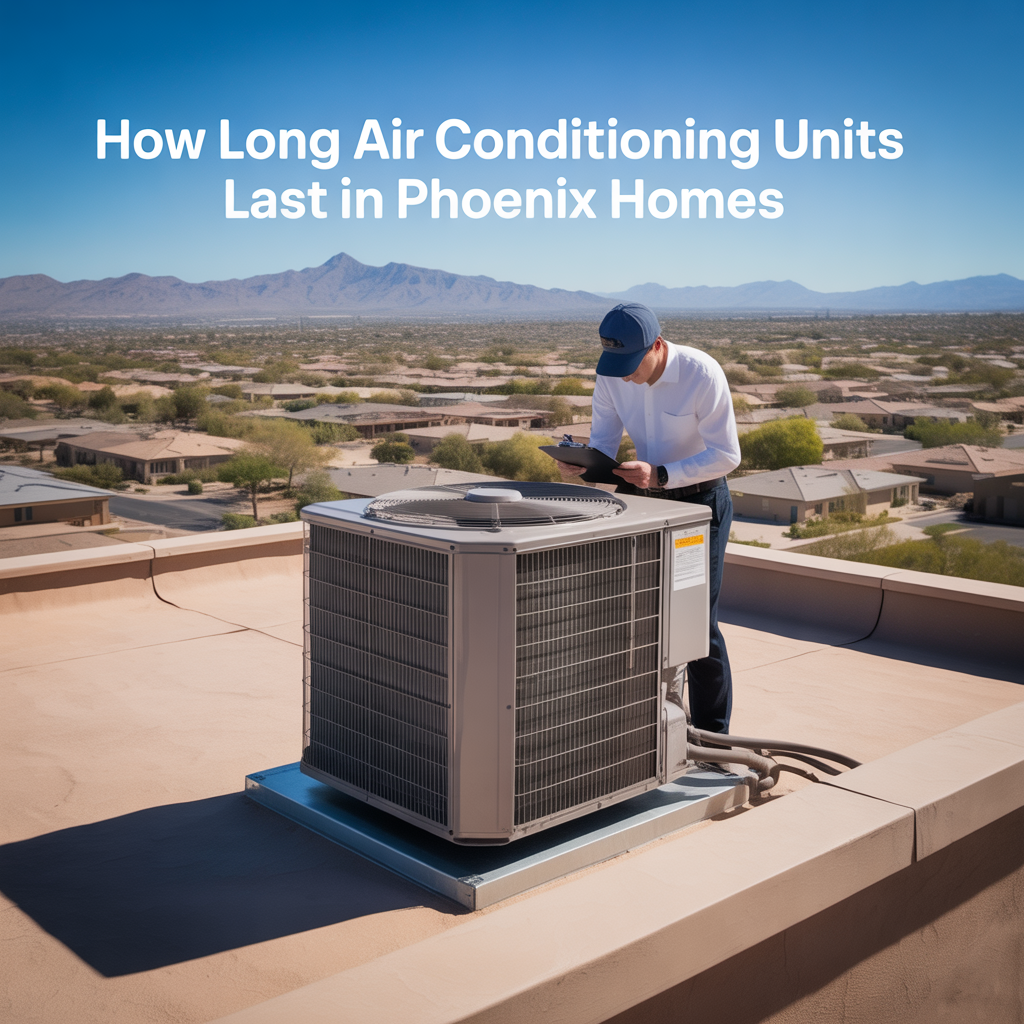
How Long Air Conditioning Units Last in Phoenix Homes
-
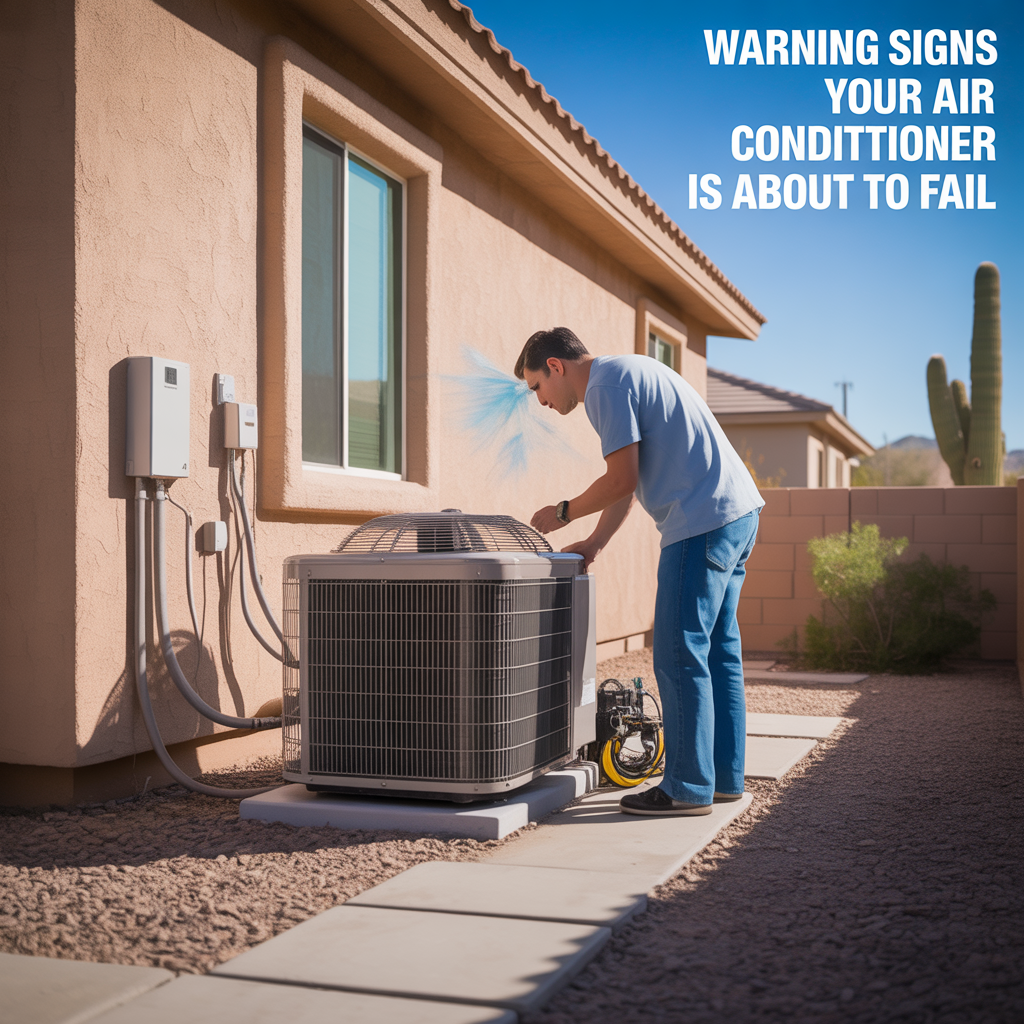
Warning Signs Your Air Conditioner Is About to Fail
-

How Often Phoenix AC Systems Need Maintenance
-
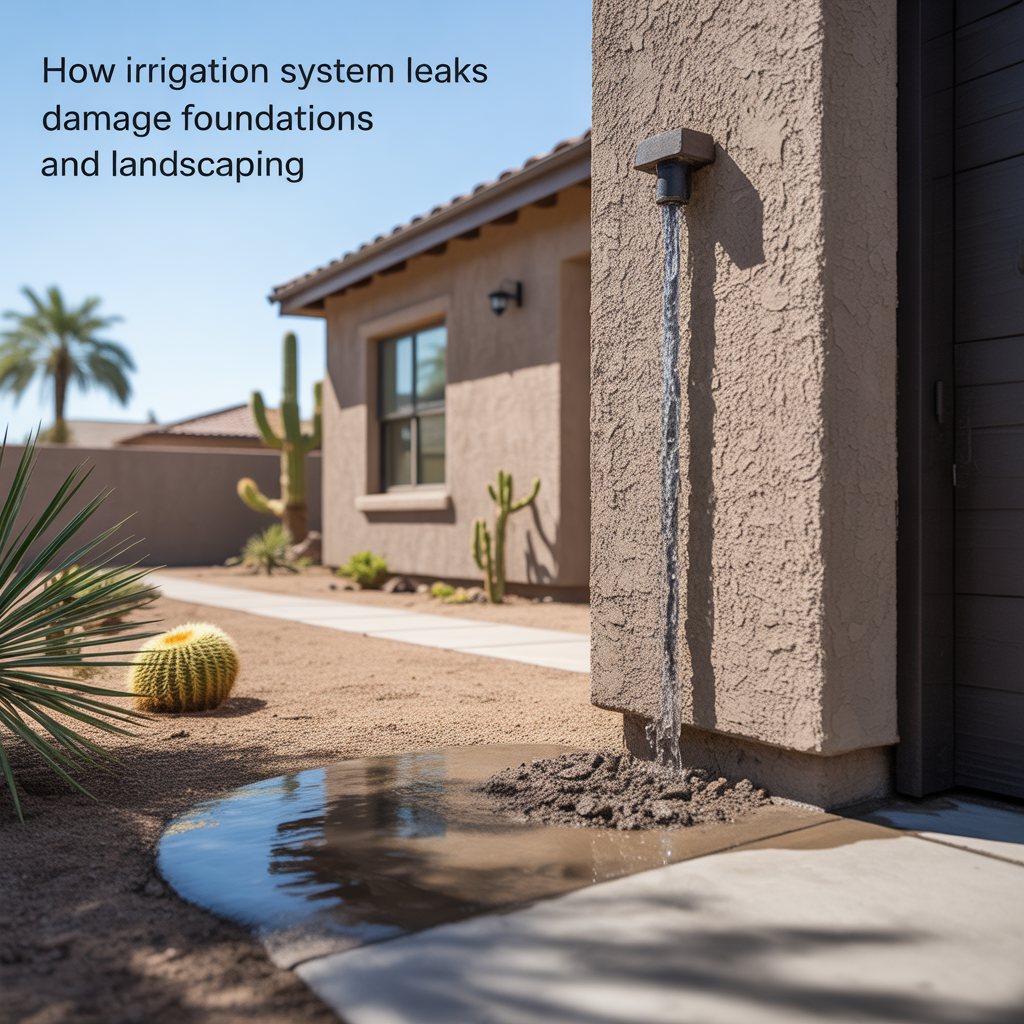
How Irrigation System Leaks Damage Foundations and Landscaping
-
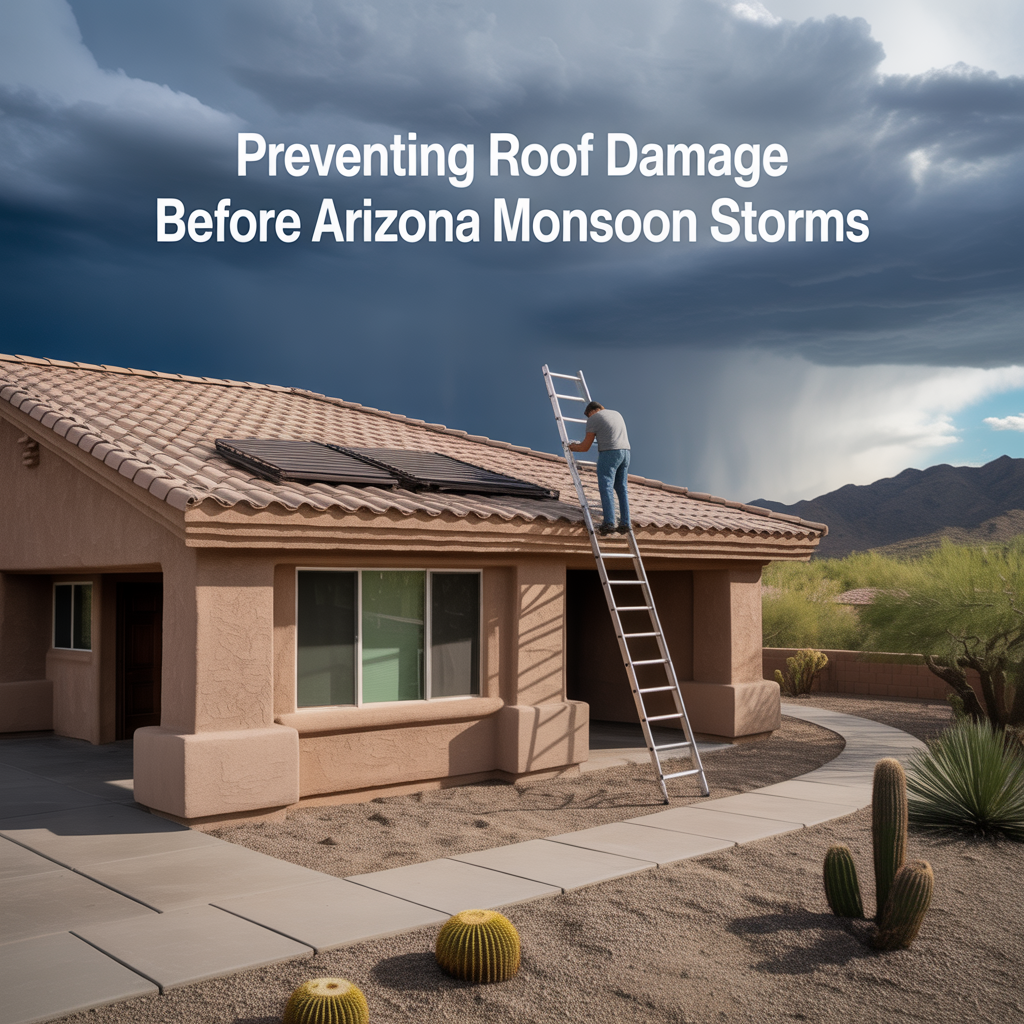
Preventing Roof Damage Before Arizona Monsoon Storms
-
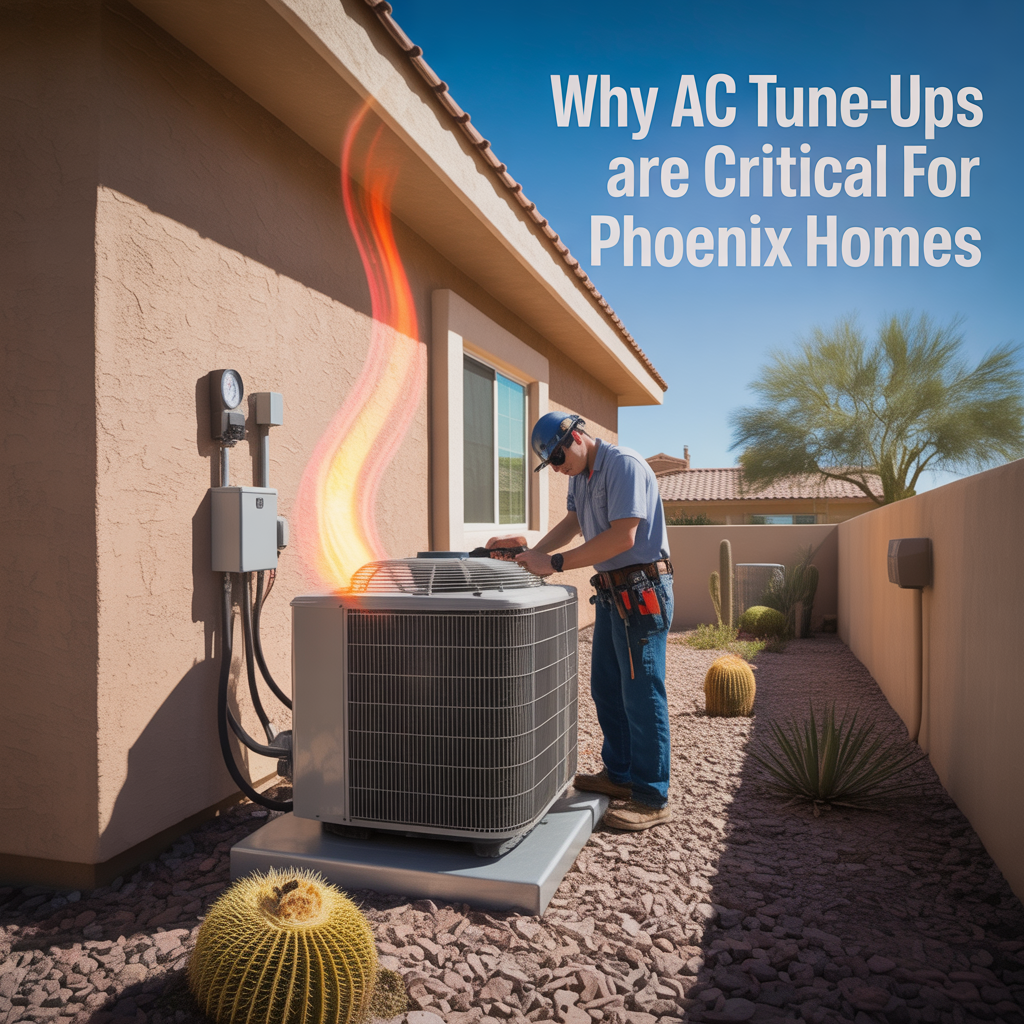
Why AC Tune-Ups Are Critical for Phoenix Homes
-
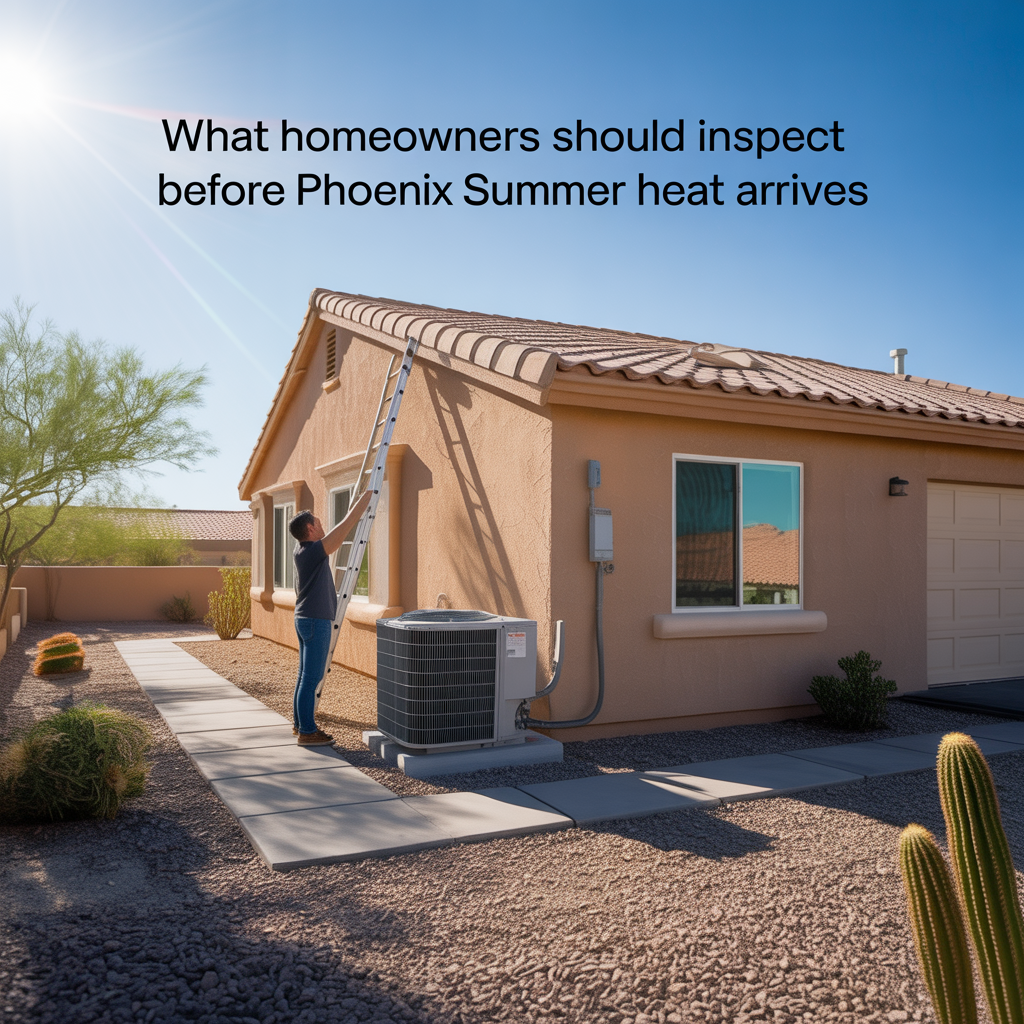
What Homeowners Should Inspect Before Phoenix Summer Heat Arrives
-
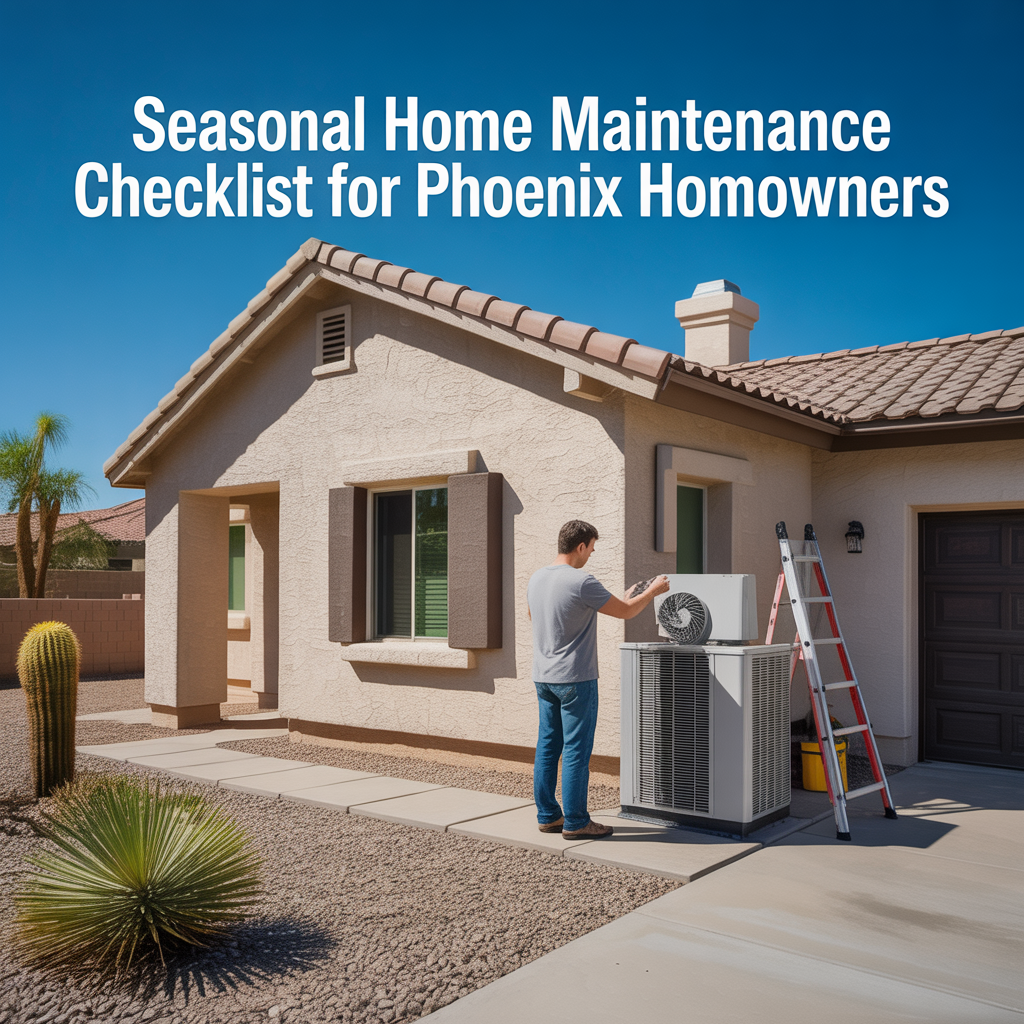
Seasonal Home Maintenance Checklist for Phoenix Homeowners
-
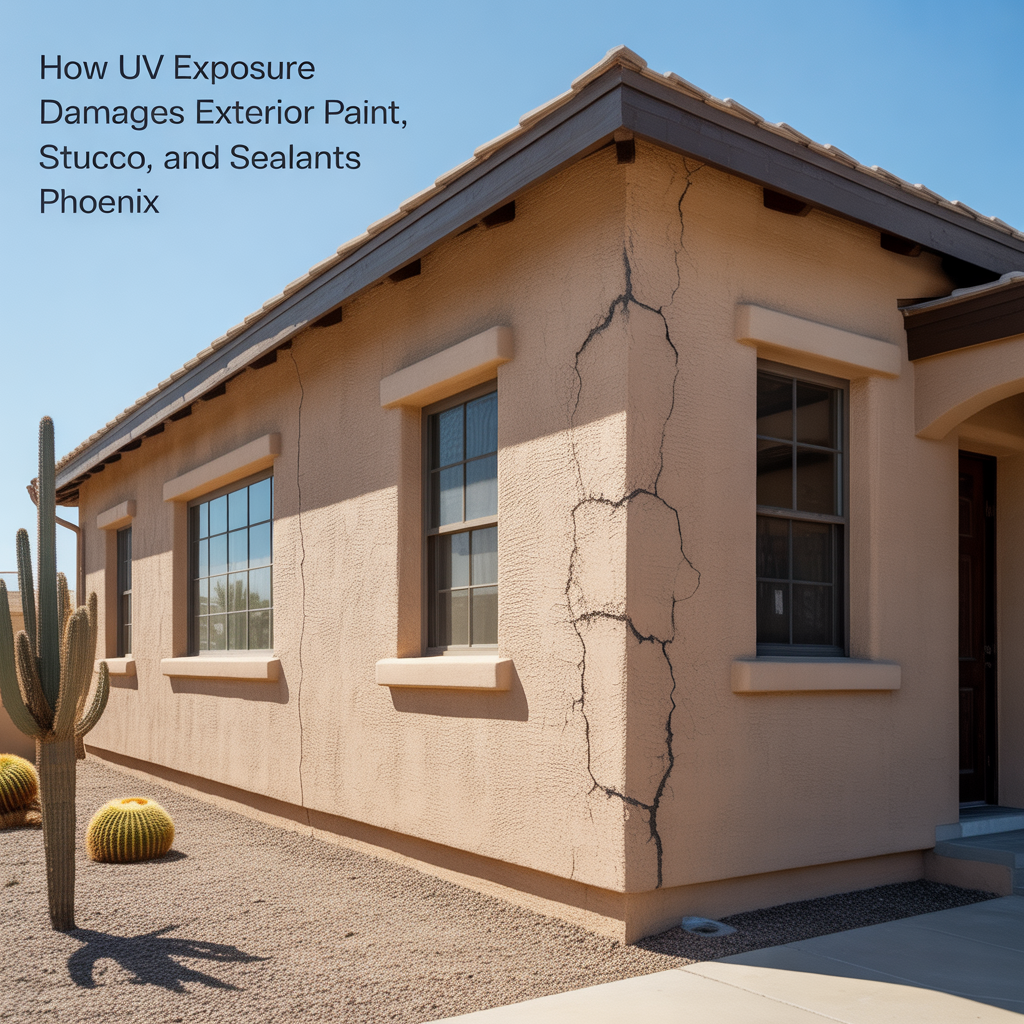
How UV Exposure Damages Exterior Paint, Stucco, and Sealants
-

How Extreme Heat Shortens the Lifespan of Home Systems
-

Why Phoenix Roofs Wear Out Faster Than Many Other Cities
-
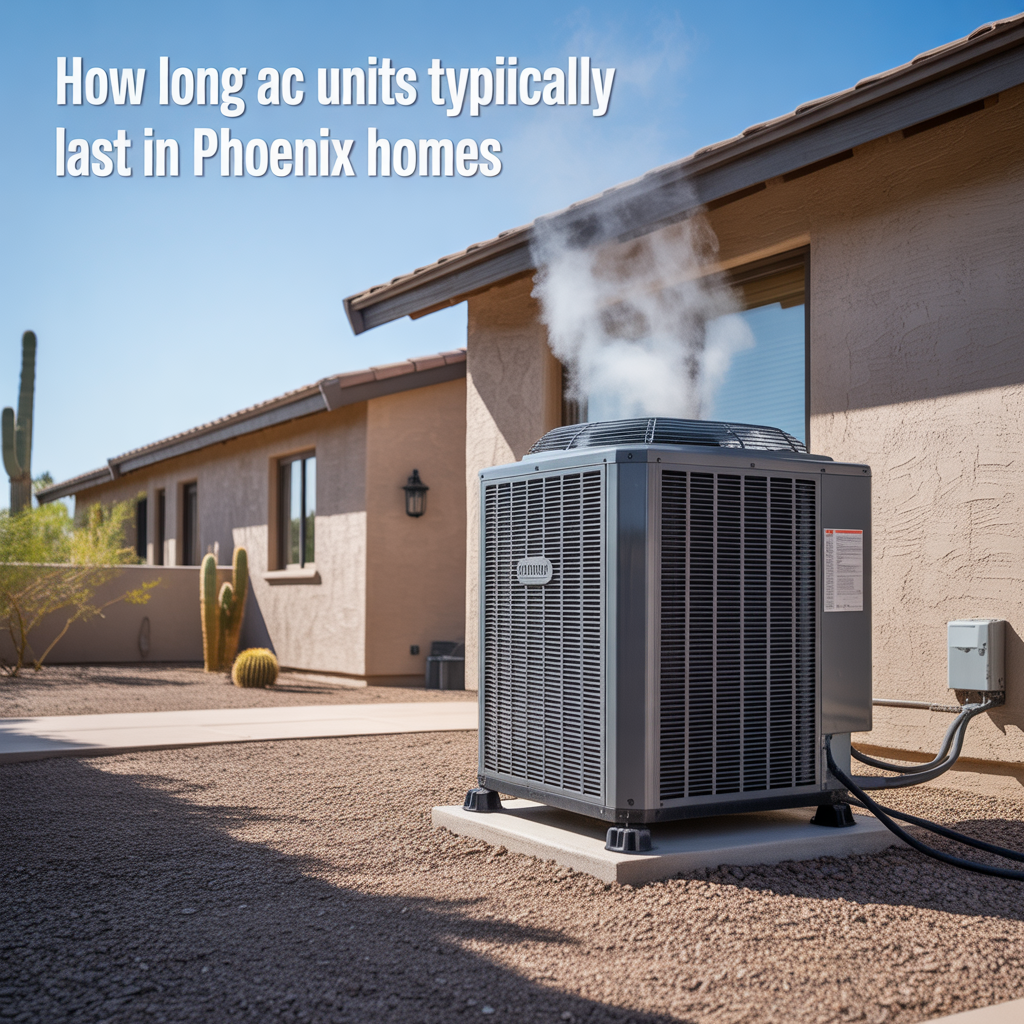
How Long AC Units Typically Last in Phoenix Homes
-

Building a Long-Term Protection Strategy
-
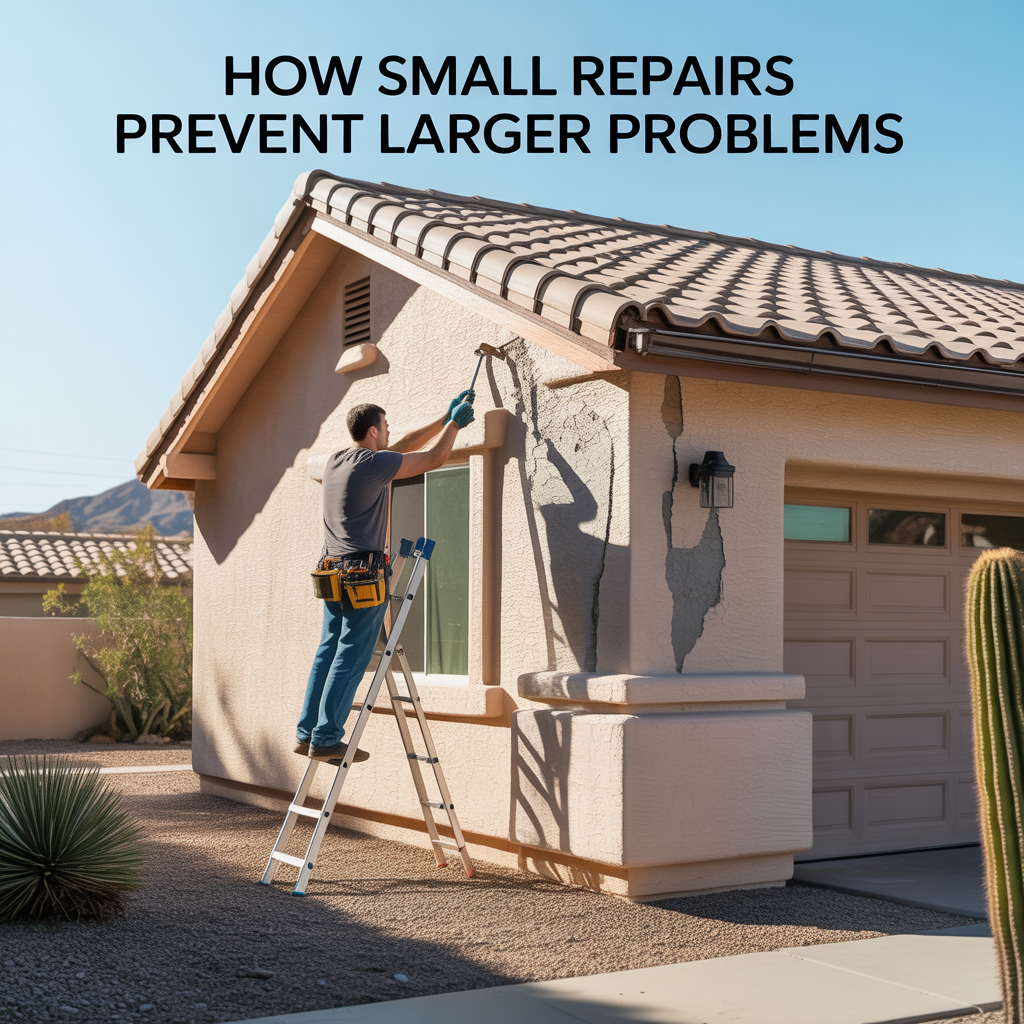
How Small Repairs Prevent Larger Problems
-

Protecting Older Phoenix Homes
-
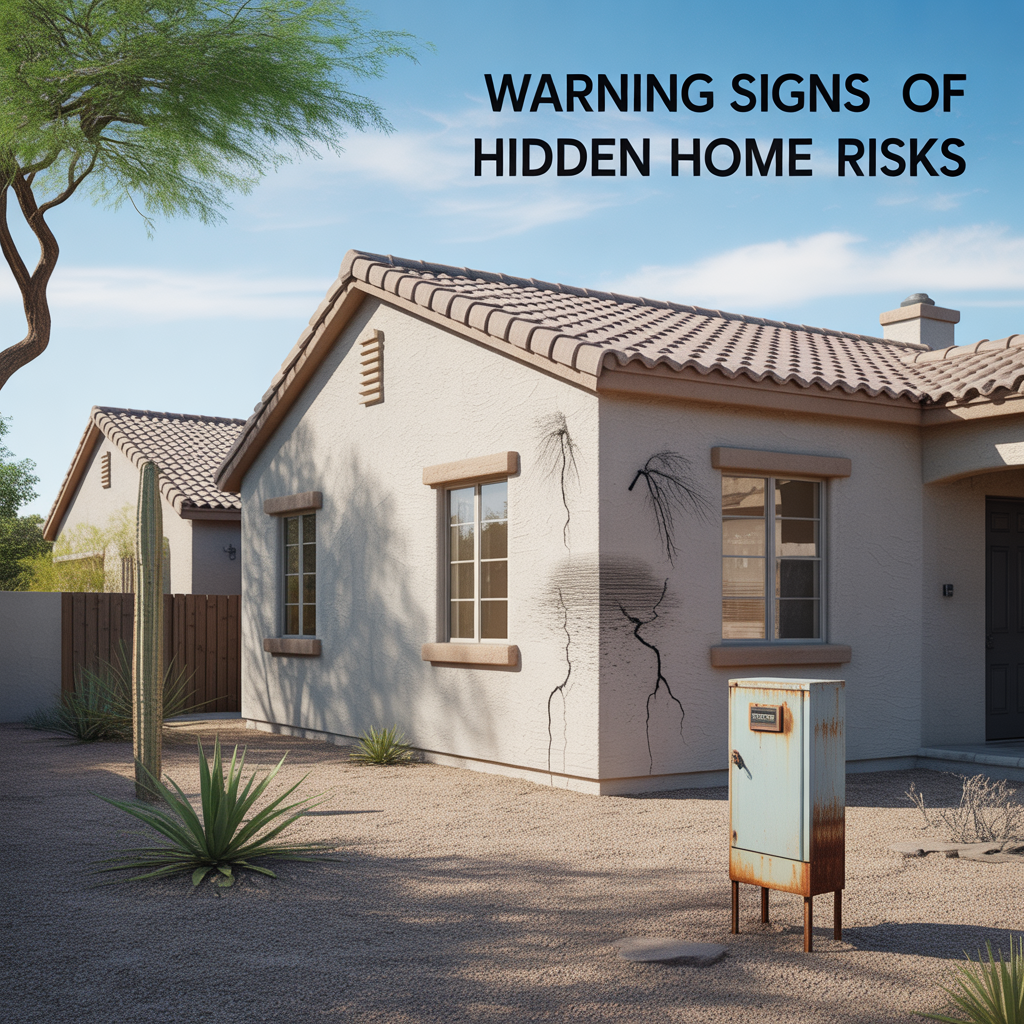
Warning Signs of Hidden Home Risks
-
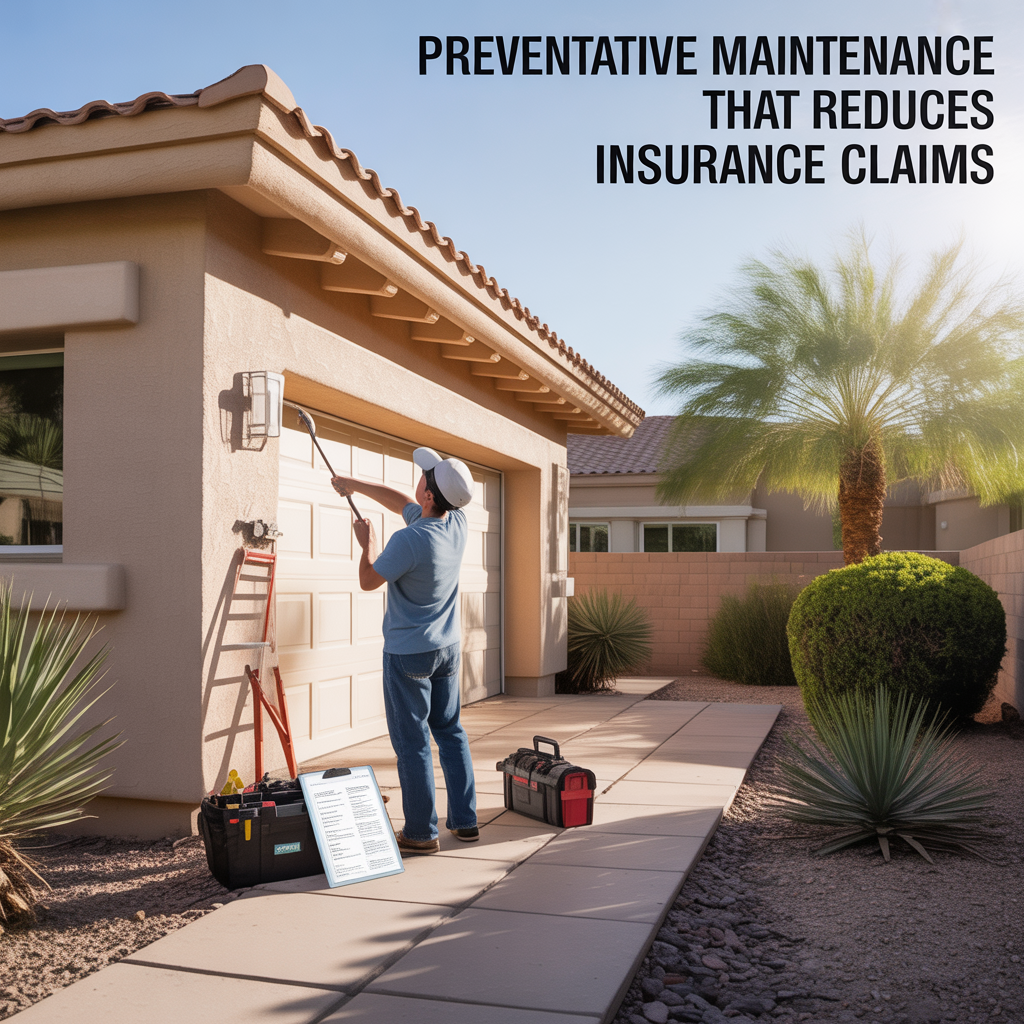
Preventative Maintenance That Reduces Insurance Claims
-

Reducing Liability Exposure Around Your Property
-
Liability Coverage Limits Explained
-

When Umbrella Insurance Makes Sense
-

Protecting Yourself From Guest Injury Claims