



Chandler Lifestyle Guide → [Chandler Lifestyle Guide] & For more info on Chandler Real Estate → [Chandler Real Estate Guide]
Written by: Renee Burke
Chandler’s freeway slowdowns cluster around key interchanges where commuters funnel from quiet neighborhoods into broader Phoenix flows, turning smooth drives into patient waits during peaks. I’ve navigated these stretches guiding clients home after late showings, learning which ramps to avoid and when backroads shine, especially with ongoing Loop 202 widening keeping tensions high through 2027.
Construction at Dobson, Alma School, and Price ramps — like the westbound Dobson off-ramp closed until mid-March 2026 — amplifies chronic bottlenecks, but the core hotspots follow work-bound patterns. Let’s pinpoint them by direction and time.
Loop 202 Westbound: Morning Merge Mayhem
Westbound Loop 202 from Price to I-10 clogs hardest 6:30-8:30 a.m., as Ocotillo and Fulton Ranch feed Intel workers toward Sky Harbor. The Price Road interchange backs up first, ramps merging poorly with Chandler Blvd inflows; construction widens lanes but closes exits like Dobson through March.
Sun Groves accesses via McQueen fare better, slipping west pre-7 a.m. before the stack forms.
Loop 202 Eastbound: Evening Exit Squeeze
Eastbound peaks 4-6 p.m., especially west of Loop 101 where mid-afternoon bottlenecks swell toward Gilbert Road. Price and Alma School off-ramps crawl as Fashion Center shoppers join southbound returns; Lindsay Road narrowing adds spillover through late May.
Dobson eastbound on-ramp closures (weekends like Feb 6-8) force detours, but Parkway parallels ease Ocotillo escapes.
Price Road Ramps: North-South Pinch Points
Price interchanges bottleneck both ways — northbound mornings from Ray Road swell tech commutes, southbound evenings past Fashion Center grind with reverse flows. HOV lanes help carpools, but single-occupancy waits 10-15 minutes extra at peaks.
Tech corridor townhomes time lights carefully; signals adapt but can’t erase volume.
Ray and Chandler Blvd Crossovers: Arterial Freeway Clashes
Ray Road westbound to Loop 202 mornings, eastbound evenings from Gilbert — signals at Price and McQueen pulse with merges. Chandler Blvd mirrors it, construction bridge work over canals adding lane shifts.
Downtown’s Arizona Avenue stays aloof, walkability its quiet advantage.
Dobson and Alma School: Ramp Closure Chaos
Dobson westbound off-ramp (closed since Jan 2026) and Alma eastbound off-ramp (60-day closure from Jan 30) force zigzags — westbounders detour to Price, eastbound to Arizona Avenue. Lindsay underpasses narrow to one lane each way through May.
West Chandler skips via Ray; south zones hug McQueen for relief.
How Freeway Hotspots Shape Home Choices
These slowdowns reward perimeter living — south via McQueen flows freer, west Ray arterials dodge ramps, downtown walkability ignores them entirely. Construction softens post-2027 with added lanes, but hybrid shifts already spread loads, favoring homes near trails over freeways. Adjacent properties hold value through patient buyers who master timings.
Chandler’s Traffic Management Center tunes 230 signals real-time, blunting worst surges.
Your Smooth Chandler Routes
Chandler’s freeway hotspots are temporary tests in a growing city, navigated with local know-how.
If this flags concerns near your target areas, you don’t have to detour alone. I’ve mapped traffic-smart homes for years. Reach out — let’s chart your clear path forward, one open ramp at a time.
Get the full Phoenix Market Insights → [Market Insights]


-

Designing Outdoor Living Spaces for Phoenix’s Unique Climate
-

How Pools and Shade Structures Change Backyard Living in Phoenix
-

Why Covered Patios Are One of the Most Valuable Features of Phoenix Homes
-

How Phoenix Homeowners Transform Their Outdoor Living Spaces Over Time
-

Ways Phoenix Homeowners Improve Indoor Comfort Over Time
-

How Long Cooling Seasons Influence Phoenix Home Design
-

How Phoenix Summer Heat Changes Daily Life Inside the Home
-

How Long-Term Homeowners Adjust Layouts to Fit Changing Needs
-

Converting Spare Bedrooms Into Home Offices in Phoenix Homes
-

How Life Stage Changes Affect the Way Phoenix Homes Are Used
-

When Homeowners Start Rethinking Space Inside Their Phoenix Home
-
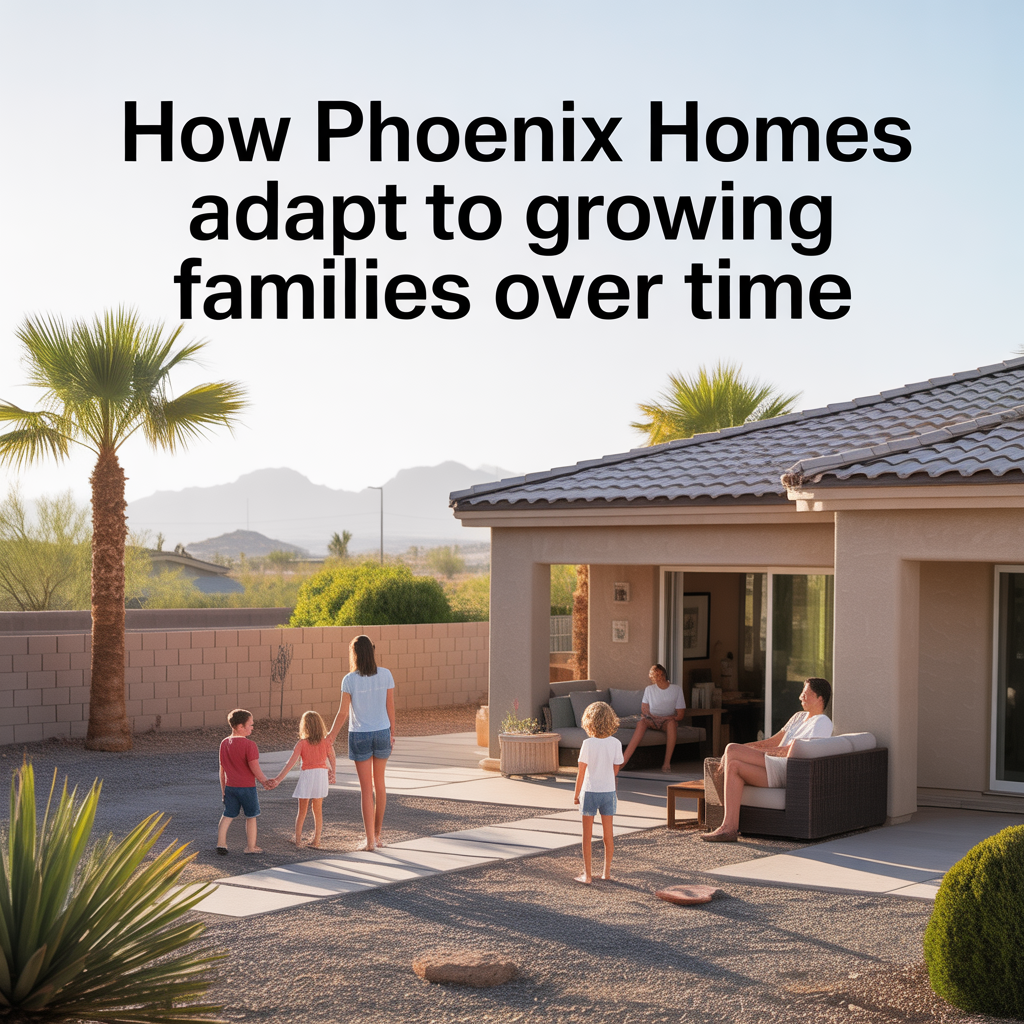
How Phoenix Homes Adapt to Growing Families Over Time
-

How Local Parks, Restaurants, and Shops Shape Life in Phoenix Neighborhoods
-

Why Long-Term Residents Experience Neighborhoods Differently Than New Buyers
-

How Phoenix Communities Shape Everyday Life for Local Residents
-
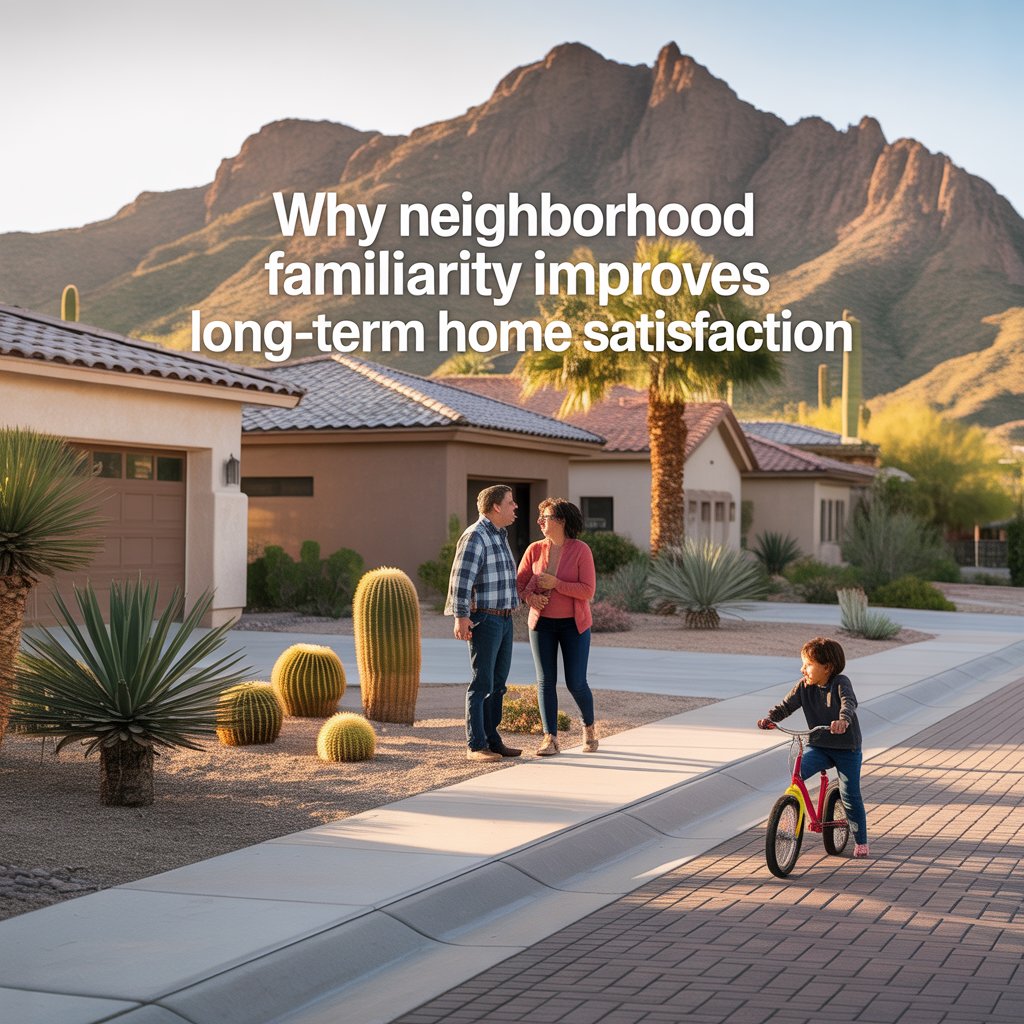
Why Neighborhood Familiarity Improves Long-Term Home Satisfaction
-
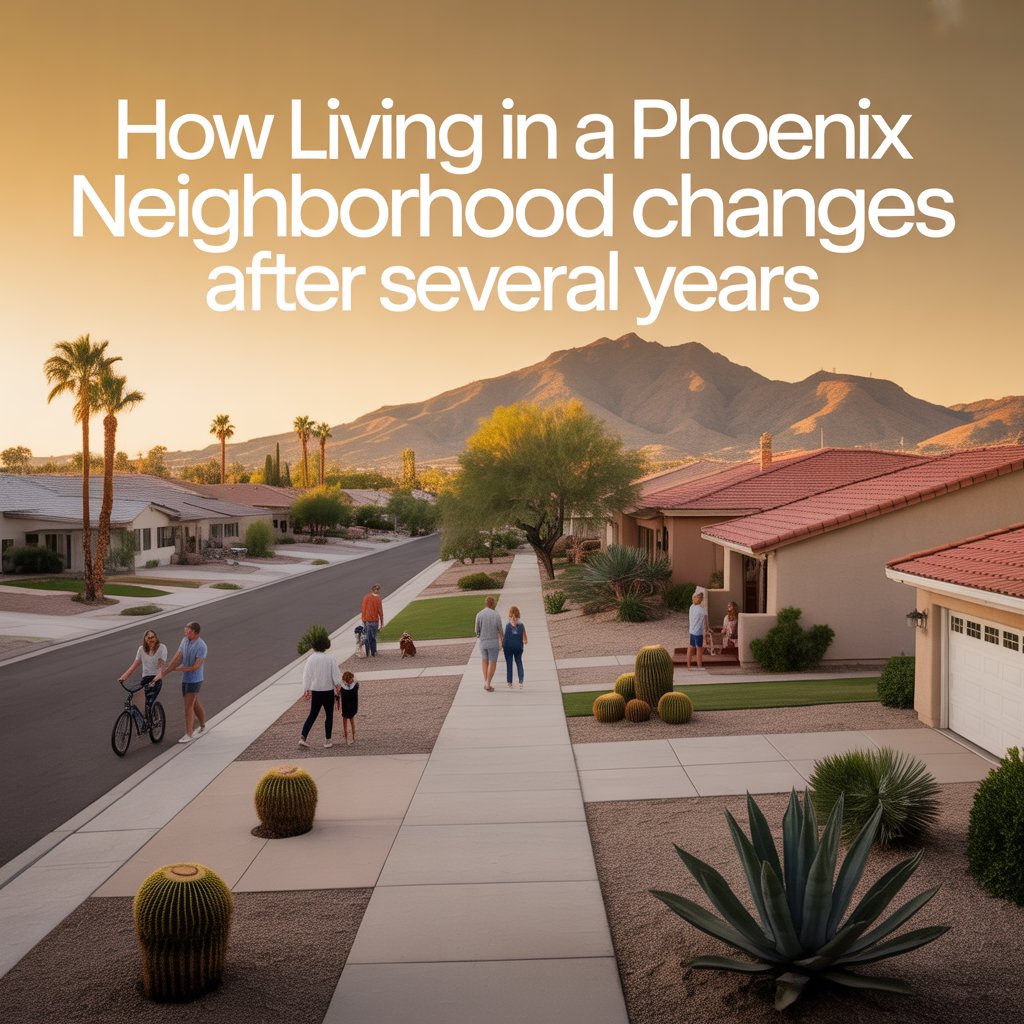
How Living in a Phoenix Neighborhood Changes After Several Years
-
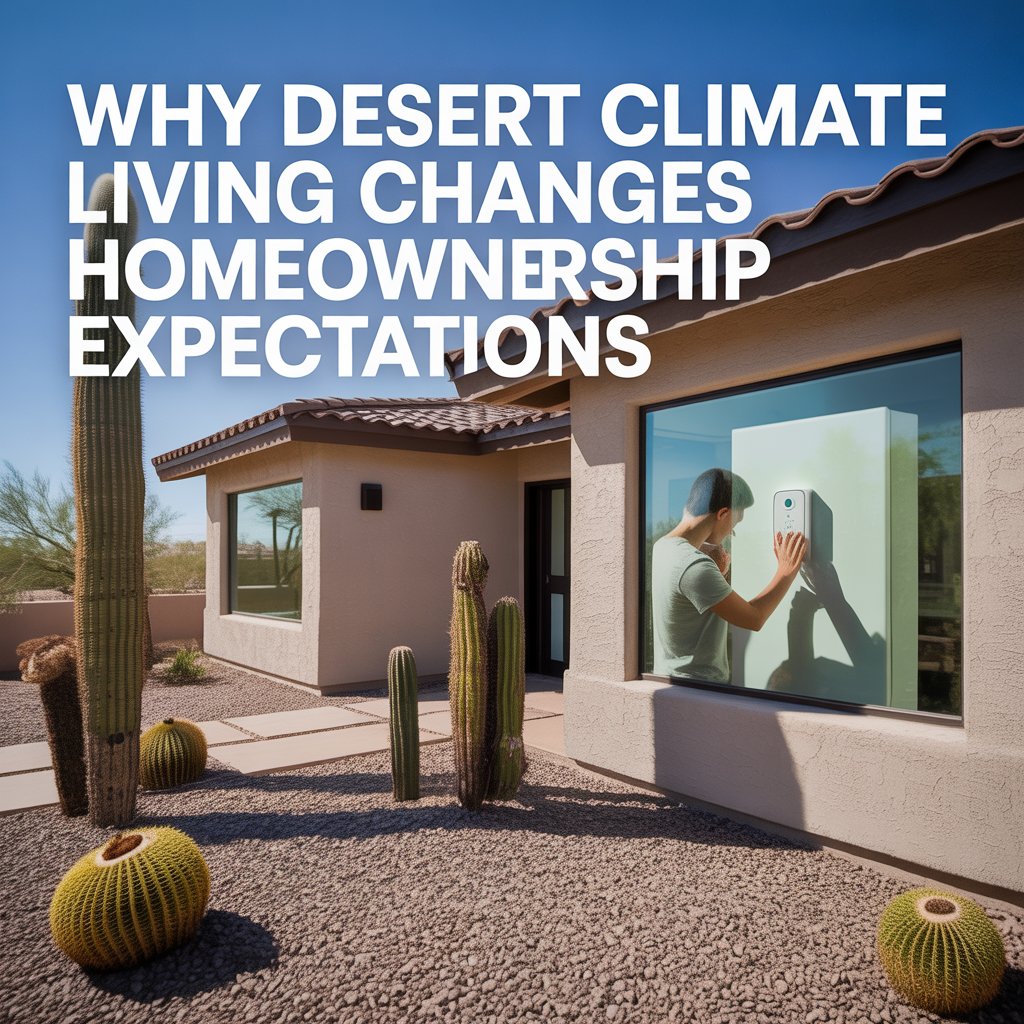
Why Desert Climate Living Changes Homeownership Expectations
-
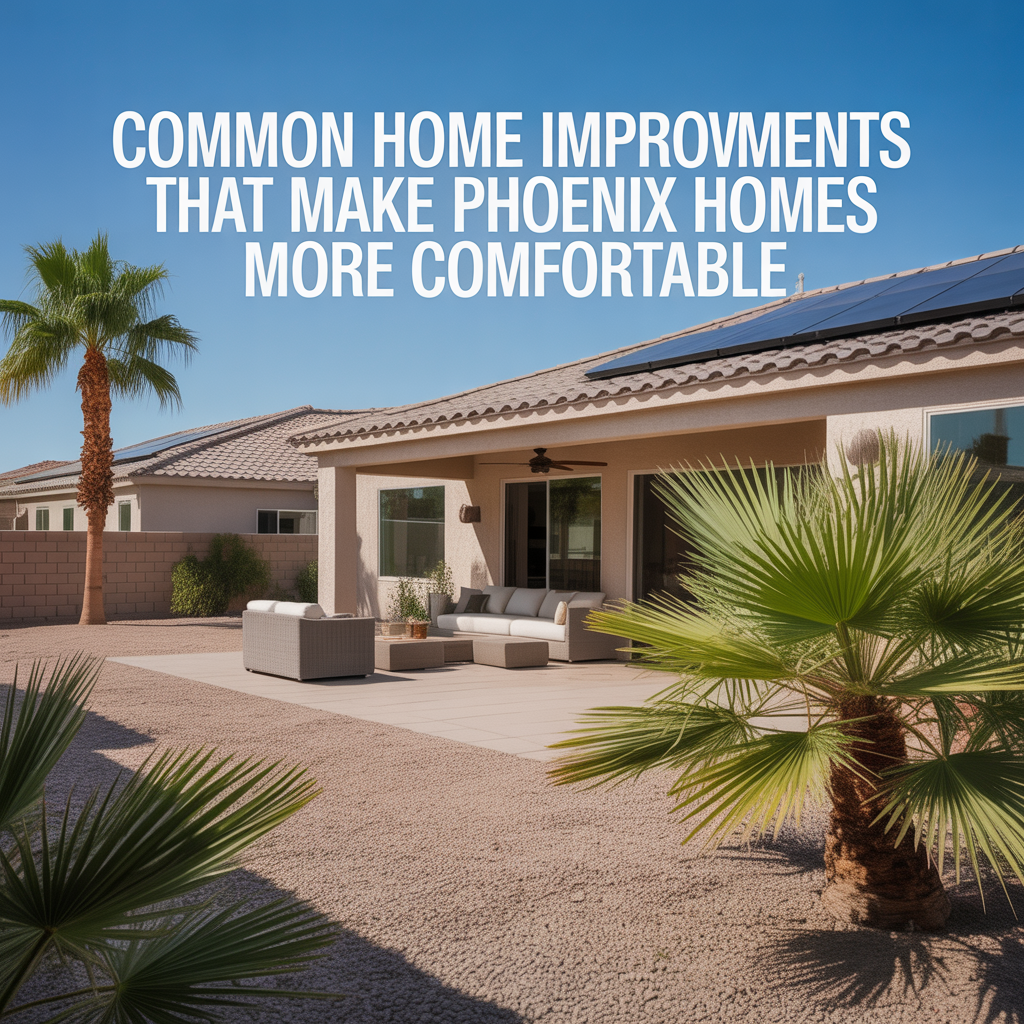
Common Home Improvements That Make Phoenix Homes More Comfortable
-

How Extreme Summer Heat Changes the Way Phoenix Homes Are Used
-

Why Shade Structures and Covered Patios Matter for Phoenix Homes
-

Cost of Living in Phoenix: Housing, Utilities, and Everyday Expenses
-

The Best Neighborhoods in Phoenix for Lifestyle, Schools, and Value
-

Homes for Sale in Phoenix Under $650K: Where Buyers Are Still Finding Deals
-
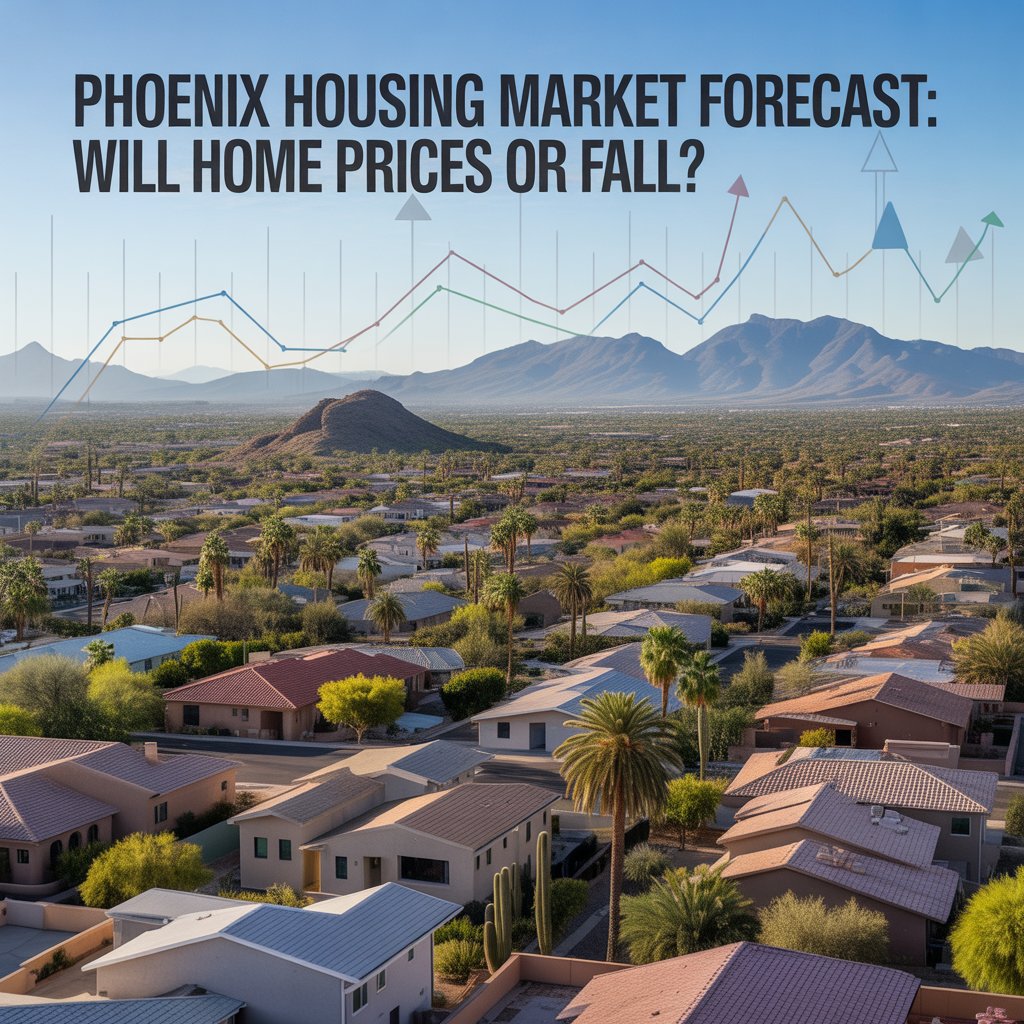
Phoenix Housing Market Forecast: Will Home Prices Rise or Fall?