



Chandler Lifestyle Guide → [Chandler Lifestyle Guide] & For more info on Chandler Real Estate → [Chandler Real Estate Guide]
Written by: Renee Burke
There’s a quiet shift that happens for many families the moment they start thinking about putting down roots in Chandler: conversations that once revolved around square footage, neighborhood amenities, and commute times suddenly widen to include something more personal — schools.
For most parents and caregivers, the question isn’t simply “Which school is best?” It’s “Which school is the right fit for my child and our family lifestyle?”
That question often brings us to one of Chandler’s most frequent and sometimes confusing forks in the road — District vs. Charter schools. Both are strong in this city, and both can be the deciding factor in where families choose to live. The challenge isn’t in finding good options — Chandler has plenty — but in understanding what they actually mean for your child and your daily life.
Chandler’s Identity: A City That Values Education
Before diving into tradeoffs, it helps to understand the backdrop. Chandler has long been one of the East Valley’s most education-focused communities. The city’s mix of families, tech professionals, and long-time residents has cultivated something rare: genuine pride in its schools.
The Chandler Unified School District (CUSD) is one of Arizona’s top-performing districts, known for its academic rigor, competitive athletics, and strong community identity. Yet running in parallel are several high-performing charter networks that have made their mark — BASIS Chandler, Legacy Traditional, and American Leadership Academy, among others. Each of these paths serves a slightly different kind of family, lifestyle, and academic mindset.
The Heart of District Schools: Stability and Community
District schools, especially in places like Ocotillo, Fulton Ranch, and south Chandler, tend to anchor neighborhoods in a way few other institutions do. You can see it in the small things — Friday night lights at Hamilton High, the overlapping calendars between local PTAs and city events, or the way neighborhood Facebook pages rally around teacher appreciation drives.
Choosing a district school often connects families to that ecosystem. It comes with:
- Predictable zoning and continuity. Homes are tied to specific district boundaries, so students typically know which elementary maps into which junior high and then to which high school. That chain builds long-term friendships and neighborhood familiarity.
- Access to specialized programs. Within Chandler Unified, programs like CTA (Chandler Traditional Academy), ACP (Arizona College Prep), and Basha Accelerated Middle School offer enclosed tracks for advanced learners — often rivaling private school rigor.
- Depth of extracurriculars. From robotics teams to marching band and athletics, district schools tend to have a wider range of clubs and programs supported by a larger student population.
- Community ownership. There’s an unmistakable sense that “we’re all in this together” with district schools. The parent networks are well-established, and district schools often serve as touchpoints for neighborhood identity.
But these benefits come with tradeoffs. Larger class sizes are more common, and because districts adhere to broader policies, curriculum flexibility can be limited. Transfers within or out of the district may also be competitive depending on open-enrollment capacity.
Still, for many families — especially those prioritizing stability, extracurricular opportunities, and a sense of belonging — Chandler Unified remains a trusted anchor.
The Character of Charter Schools: Customization and Focus
Charter schools emerged in the 1990s to give Arizona families more educational choice, and few cities embraced that mission like Chandler. Today, charter schools make up a noticeable part of the East Valley’s education landscape, appealing to families looking for specialized instruction or a clear philosophy.
Charter schools in Chandler often stand out for:
- Academic specialization. BASIS Chandler, for example, is known for its accelerated academics and advanced placement courses that prepare students for top universities. Legacy Traditional focuses on classical education and structured, values-driven learning.
- Smaller environments. Even though enrollment can still be competitive, some charters operate on smaller campuses or with tighter teacher-student ratios, creating a sense of closeness.
- Philosophical alignment. Many parents appreciate the intentional teaching models — whether that’s college preparatory rigor, character-based curriculum, or arts integration.
- Open enrollment flexibility. Charters aren’t tied to district boundaries, which can open possibilities if a family’s dream home isn’t in the “right” district zone.
Yet with flexibility comes a different set of considerations. Charter schools do not receive the same level of funding for transportation, facilities, or extracurricular programs that public district schools do. Parents often manage their own daily commutes, and the experience can vary widely from one charter network to another, even across campuses under the same name.
What This Means for Homebuyers in Chandler
Here’s where the decision becomes uniquely “Chandler.” Education choices often ripple directly into real estate patterns, and local buyers know it.
District-zoned homes close to top-rated schools like Hamilton High or CTA-Independence tend to draw premium pricing and faster resale cycles. It’s the “confidence factor” — buyers trust those boundaries because they’re familiar and well-recognized. But the growing charter system has started to soften those boundaries.
Families who prioritize BASIS or Legacy, for example, often recalibrate their home search around location convenience rather than zoning. Since charters draw from larger geographic areas, a family might live in Ocotillo or even further south in Sun Groves while commuting to a Chandler charter campus.
In a practical sense:
- District preference aligns with families who want to walk or bike to school, participate in neighborhood-driven activities, and value long-term continuity.
- Charter preference suits families who are willing to drive a bit more for a particular learning style or structure and don’t mind building community through school rather than neighborhood.
If you’re searching for a home in Chandler, knowing this early helps you avoid surprises later. School alignment is often a deal point — not just emotionally, but financially — and clarity up front saves both time and heartache.
Common Misconceptions About “Better” Schools
It’s important to pause here. One of the biggest misconceptions I see among relocating buyers is the idea that “charter means better academics” or “district means outdated systems.” Neither is truly fair nor accurate in Chandler.
District schools here outperform many peers statewide, and some of the strongest community support in the Valley flows through them. At the same time, top-performing charter programs consistently post academic metrics that rival or exceed Arizona’s benchmarks.
The reality is, Chandler’s strength lies in its abundance of choice — and that’s what sets it apart from most other metros. What matters most is fit: how your child learns, how your family operates day-to-day, and what type of community life you want tied to your school experience.
Lifestyle and Practical Tradeoffs
Beyond academics, consider how each option fits within your family’s rhythm:
- Morning routines and commutes: District schools often start slightly later and are clustered close to residential neighborhoods. Charter start times can be earlier, and campuses may sit along major corridors like Gilbert Road or the Loop 202.
- After-school life: District programs tend to have built-in sports, arts, and enrichment activities under one umbrella, while charters may have more limited offerings or depend on parent-led clubs.
- Home value predictability: Homes within high-demand district zones maintain steady long-term appreciation, while charter-based flexibility can sometimes make location choices more fluid.
- Community connections: District schools foster neighborhood familiarity — the kind that grows through overlapping friend groups and backyard playdates. Charter schools can build equally rich community ties, but they often bridge multiple zip codes.
There’s no wrong decision here — only a question of which priorities lead your family choices.
How I Guide Families Through This Decision
When I meet clients relocating to Chandler or moving within the city, this is one of our first and most sensitive topics. It’s not just about the data points — it’s about values.
I often start with lifestyle questions:
Do you want to walk to school or are you comfortable driving 15 minutes each way?
Is your child thriving in structured environments, or do they need room to explore creatively?
Are after-school sports or music programs a big part of your schedule?
Those answers usually start to clarify direction — far more than test scores or rankings alone. From there, we look at neighborhoods that naturally align with those needs, whether that’s the traditional rhythm of Fulton Ranch or a newer community closer to BASIS Chandler South.
In many cases, families fall in love with a home and then tailor their school plan around it. That’s okay too. Chandler’s depth of both district and charter options means you can usually find a workable balance.
A Word About the Future
Chandler’s educational landscape will continue to evolve. District schools are investing heavily in technology integration and facilities, while charters are expanding to meet growing demand in south Chandler and nearby Gilbert.
For families, this means more flexibility than ever before — but also, more noise in the decision-making process. The best approach is to stay informed, lean on local insight, and remember that what feels right often matters as much as what looks best on paper.
A Guiding Hand for Your Next Step
If you’re exploring a move to Chandler or another part of the Phoenix metro, know that you don’t have to navigate these decisions alone. Every family’s story is different, and finding the right mix of school opportunities, neighborhood feel, and home value balance can take patience — and guidance from someone who’s walked that path with many others before.
I’ve helped countless families weigh these same choices and discover where they truly belong here in the East Valley. If you’d like to talk through what makes sense for your family, reach out anytime. We can take it step by step, at your pace.
You don’t have to figure it all out alone — and you don’t have to compromise on what matters most.
Get the full Phoenix Market Insights → [Market Insights]


-

Signs Your Phoenix Roof Needs Inspection or Repair
-

How Long Tile Roofs and Roof Underlayment Last in Phoenix
-

How Smart Thermostats Improve Cooling Efficiency in Arizona Homes
-

Why AC Systems Struggle During Extreme Phoenix Heat Waves
-

How Long Air Conditioning Units Last in Phoenix Homes
-

Warning Signs Your Air Conditioner Is About to Fail
-

How Often Phoenix AC Systems Need Maintenance
-
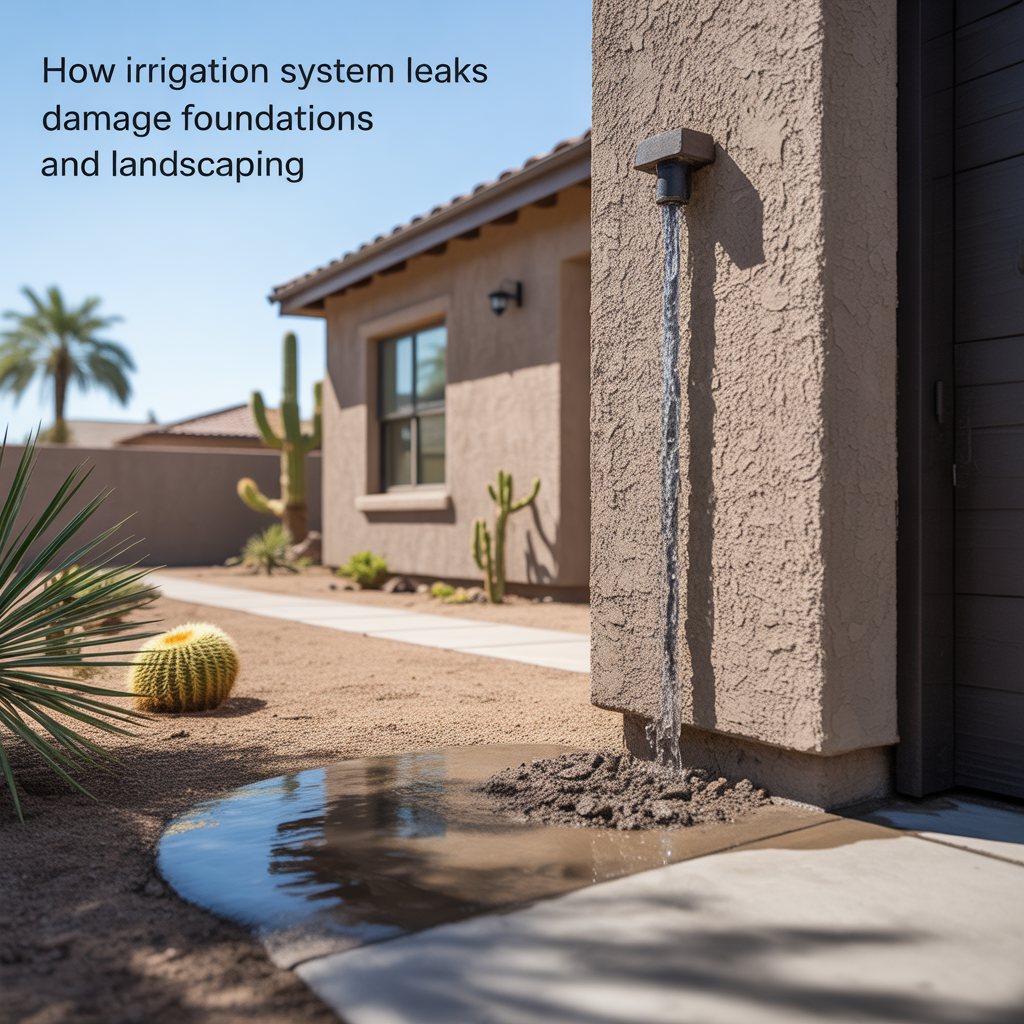
How Irrigation System Leaks Damage Foundations and Landscaping
-

Preventing Roof Damage Before Arizona Monsoon Storms
-

Why AC Tune-Ups Are Critical for Phoenix Homes
-

What Homeowners Should Inspect Before Phoenix Summer Heat Arrives
-

Seasonal Home Maintenance Checklist for Phoenix Homeowners
-
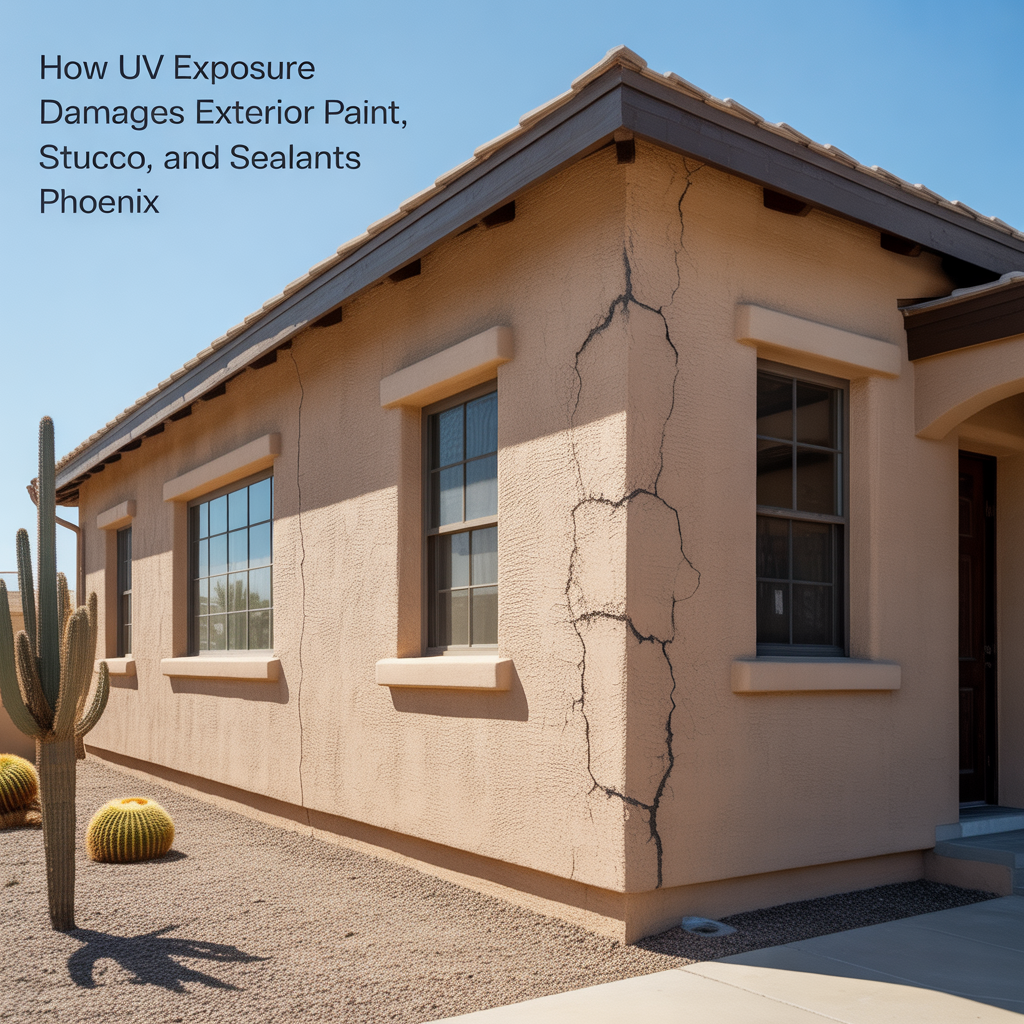
How UV Exposure Damages Exterior Paint, Stucco, and Sealants
-

How Extreme Heat Shortens the Lifespan of Home Systems
-

Why Phoenix Roofs Wear Out Faster Than Many Other Cities
-

How Long AC Units Typically Last in Phoenix Homes
-

Building a Long-Term Protection Strategy
-

How Small Repairs Prevent Larger Problems
-

Protecting Older Phoenix Homes
-

Warning Signs of Hidden Home Risks
-

Preventative Maintenance That Reduces Insurance Claims
-

Reducing Liability Exposure Around Your Property
-

Liability Coverage Limits Explained
-

When Umbrella Insurance Makes Sense
-

Protecting Yourself From Guest Injury Claims