


Chandler Lifestyle Guide → [Chandler Lifestyle Guide] & For more info on Chandler Real Estate → [Chandler Real Estate Guide]
Written by: Renee Burke
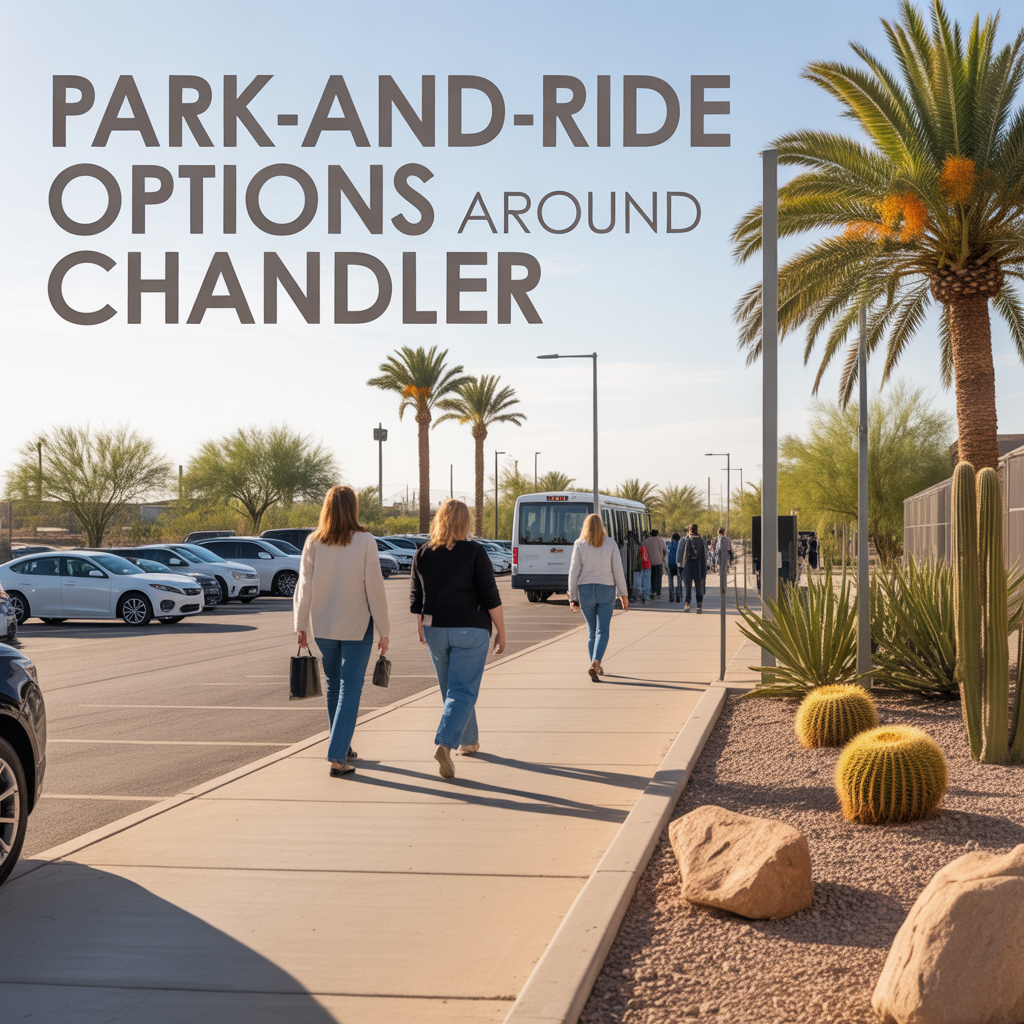
If you’ve lived in the Southeast Valley for any length of time, you know how the rhythm of Phoenix life often revolves around the freeways. We time our mornings around the 202 loop, measure our errands by which direction the I‑10 is flowing, and quickly learn that “ten minutes away” can mean very different things depending on the time of day. But tucked into this vast web of sun‑baked lanes and light signals, Chandler quietly offers something invaluable — a series of well‑placed park‑and‑ride options that make commuting not only easier, but more sustainable and less stressful.
Many of my clients are surprised to learn how connected Chandler really is. They picture it as a suburban hub — beautiful neighborhoods, family‑friendly parks, robust employers like Intel and Wells Fargo — but often overlook how well this community plugs into the rest of the Valley without a car ever leaving the lot. For residents who work in downtown Phoenix, Tempe, or even the airport corridor, those park‑and‑ride centers are gateways that can make daily life simpler, calmer, and even more affordable.
How Park‑and‑Ride Fits the Chandler Lifestyle
Life in Chandler moves with a certain grace. It’s a city that prizes convenience but never feels hurried. The park‑and‑ride system embodies that same mindset — designed for people who value time, balance, and a little more control over their mornings. Instead of facing 40 miles of freeway traffic before your first cup of coffee, you can drive a few minutes, park safely, and let Valley Metro do the rest.
There’s a quiet confidence in that decision — an understanding that the commute doesn’t have to feel like a battle. For parents who split drop‑off duties or remote workers who occasionally head into the office, these park‑and‑ride options are that middle ground: a place to start and end the day without the mental toll of traffic.
Key Park‑and‑Ride Locations Around Chandler
While the entire Southeast Valley has a growing network of commuter lots, Chandler’s hubs stand out for their location and accessibility.
- Chandler Park‑and‑Ride (Hamilton & Germann)
This is Chandler’s flagship facility. Just off the Santan Freeway and minutes from the Price Road corridor, it serves as a convenient connection point for express buses into downtown Phoenix and Tempe. The lot is well‑lit, organized, and often less crowded than you might expect during rush hour. For residents of south Chandler and Ocotillo, it’s the perfect launch point — even for occasional commuters who prefer flexibility without paying downtown parking rates. - Ray and Price Park‑and‑Ride
Situated near Price Road and Ray, this smaller facility punches above its weight. Its proximity to corporate offices and tech employers makes it popular among local professionals who share rides or take Valley Metro’s local and rapid routes. It’s also right along key cycling corridors, so a number of commuters use it as part of a bike‑and‑bus routine. - Chandler Fashion Center Transit Hub
It isn’t labeled exclusively as a park‑and‑ride, but this site works much like one. There’s ample parking nearby, easy bus transfers (including east–west Valley Metro routes), and plenty of shopping or dining options if your schedule calls for flexibility. It’s ideal for errands before or after work — a distinct perk Chandler residents appreciate. - Loop 202 / Arizona Avenue Corridor Connections
Several smaller park‑and‑ride stops have emerged along the 202 and Arizona Avenue corridors, particularly as bus service continues to expand eastward. These are perfect for residents living near the newer master‑planned communities or in the county islands surrounding south Chandler who want an option that doesn’t require driving all the way into central transit zones.
Each of these lots offers free parking, designated spaces for carpool vehicles, and proximity to Valley Metro RAPID and Express routes. Some even connect conveniently to the light rail via downtown Tempe or the 48th Street/24th Street transit interface — ideal for professionals who prefer a smooth transfer to Sky Harbor or the ASU area.
Beyond Commuting: Everyday Benefits
The obvious benefit of Chandler’s park‑and‑ride system is the stress reduction on workdays. But its value extends beyond routine commutes. These locations are also useful for special events — think downtown Phoenix concerts, ASU football games, or cultural festivals where parking fills quickly and surge pricing looms. Many long‑time residents use the park‑and‑ride as their go‑to launch pad for light‑rail trips into downtown entertainment districts, turning what could be a chaotic parking hunt into a simple evening out.
There’s also a larger sense of community resilience that comes from using these systems. Fewer solo drivers mean less congestion and lower emissions, but it’s more than just environmental stewardship — it’s a shift in mindset. As Chandler continues to grow, preserving our traffic flow and accessibility matters immensely. Park‑and‑ride participation quietly supports that balance, ensuring our neighborhoods remain pleasant to drive through and our commute times stay reasonable.
What Locals Usually Ask
When I talk with Chandler homeowners considering this option, a few questions come up again and again:
Is it safe?
Yes. Most of the major park‑and‑ride facilities in Chandler and across the southeast Valley are monitored, well‑lit, and frequently patrolled. The main Chandler site near Germann is especially well‑maintained, with strong visibility and an open layout that never feels isolated.
Will I save real time?
In many cases, yes — especially for those bound for downtown Phoenix. Even with the drive to the lot and bus connection, you can skip the most heavily congested freeway zones. RAPID buses use HOV lanes, so the travel time can be competitive with — or even faster than — driving solo during peak hours.
Can I use it occasionally?
Absolutely. Many residents don’t use it daily. They’ll work remotely part of the week and ride in twice — it fits easily into a hybrid lifestyle. You don’t need a pass or membership; you simply pay the Valley Metro fare when boarding.
A Practical Plus for Real Estate Value
From a real estate perspective, proximity to reliable park‑and‑ride access adds subtle but meaningful value. It’s not quite as headline‑grabbing as being near a golf course or top-rated school, but it signals connectivity — a trait that long‑term buyers love. Neighborhoods in south and west Chandler, particularly near the 202 loop and Price corridor, draw strong interest because they keep residents close to both major employers and efficient commuter options.
For relocation buyers moving from more transit-heavy metros like Los Angeles or the Bay Area, these hubs provide comfort and familiarity. They see that even in a car-dependent region, Chandler offers practical alternatives for daily mobility. This mix of lifestyle ease and infrastructure stability often nudges homes near those corridors slightly higher in buyer appeal.
Looking Ahead: Growth and Expansion
The Metro Phoenix region is undergoing a quiet but steady evolution in how it moves. Valley Metro’s long-term plan includes expanding express bus service deeper into the Southeast Valley and creating additional park‑and‑ride zones along the I‑10 and Loop 202 corridors. For Chandler, that means even stronger connectivity — a bridge between suburban calm and urban opportunity.
This infrastructure growth also complements the city’s ongoing investments in bike paths, pedestrian-friendly intersections, and neighborhood connectivity. It all ties into a broader picture: Chandler as a community that embraces thoughtful mobility, not just expansion. The goal isn’t simply to move more cars — it’s to give people more choices.
Living the Chandler Way
In the end, park‑and‑ride options reflect what Chandler does best — making everyday life just a bit easier. Whether you’re a parent aiming for sanity before school and work, a professional who values calm over chaos, or a couple who enjoys venturing into downtown Phoenix without the parking ordeal, these facilities quietly support your lifestyle. They reinforce that you don’t have to choose between suburban space and urban access — you can have both.
And if you’re considering a move, it’s worth thinking about how these transit connections fit your routine. The right home doesn’t just put you near good schools or pretty streets; it places you within reach of everything that keeps your day manageable. Sometimes that means being five minutes from the park‑and‑ride that helps you breathe easier on a Thursday morning.
If you’re thinking about making a move in the Phoenix area — whether into Chandler or anywhere nearby — you don’t have to figure it out alone. I’ve helped countless residents find homes that truly fit their lives, from quiet neighborhoods near the Price corridor to newer builds closer to the Loop 202. Feel free to reach out with your questions or goals. I’d be genuinely happy to help you find your place here — one that matches both your pace and your plans.
Get the full Phoenix Market Insights → [Market Insights]


-

Pool Liability and Insurance in Phoenix
-
Protecting Outdoor Structures and Shade Systems
-

HVAC Failures and Insurance Coverage
-
Roof Maintenance for Phoenix Climate Conditions
-

Preventing Water Damage in Desert Landscapes
-

How Monsoon Storms Affect Phoenix Homes
-

Why Policy Structure Matters More Than Premium
-

Understanding Coverage Limits and Exclusions
-

What Personal Property Coverage Actually Includes
-

How Liability Coverage Protects Homeowners
-
Replacement Cost vs Market Value in Phoenix Insurance
-

Understanding Deductibles Before You Need Them
-

How Renovations Affect Insurance Coverage
-

When to Review Your Home Insurance Policy
-
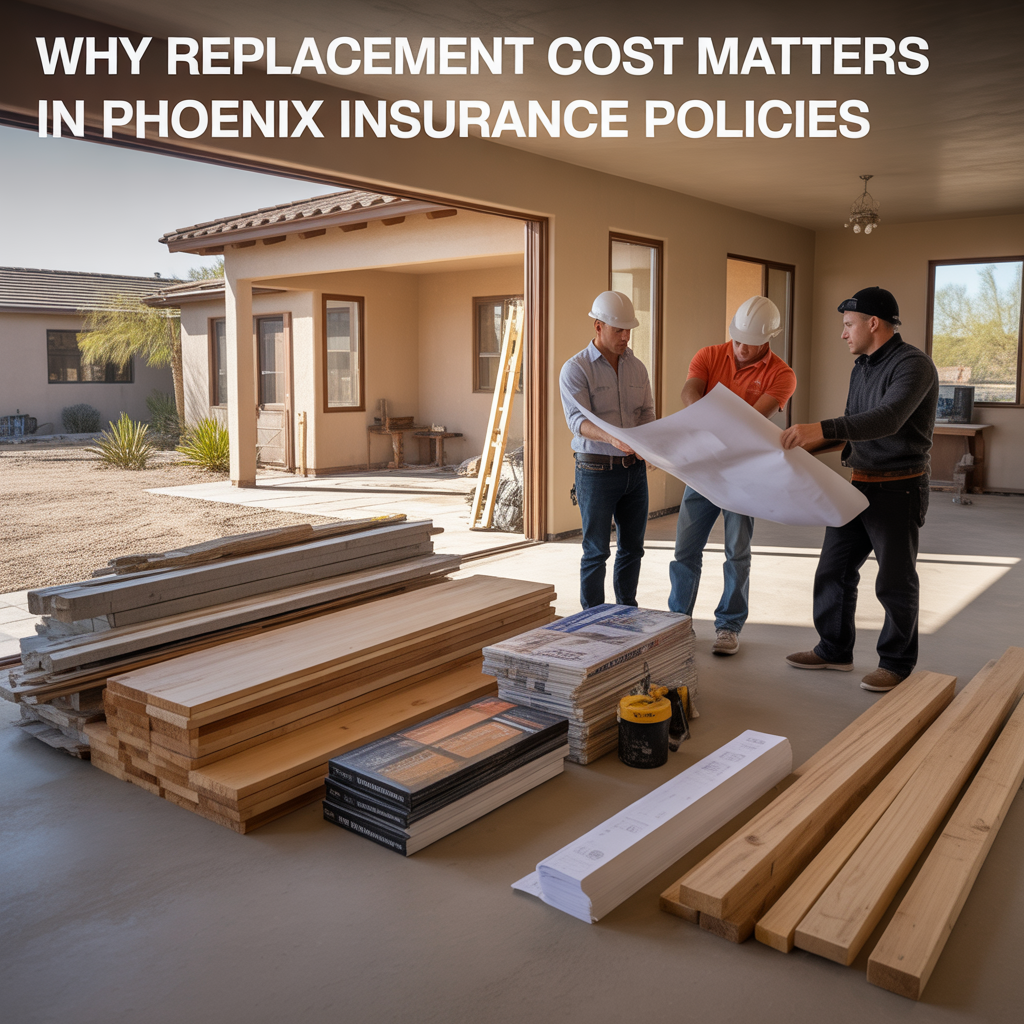
Why Replacement Cost Matters in Phoenix Insurance Policies
-

When a House Truly Starts to Feel Like Home
-
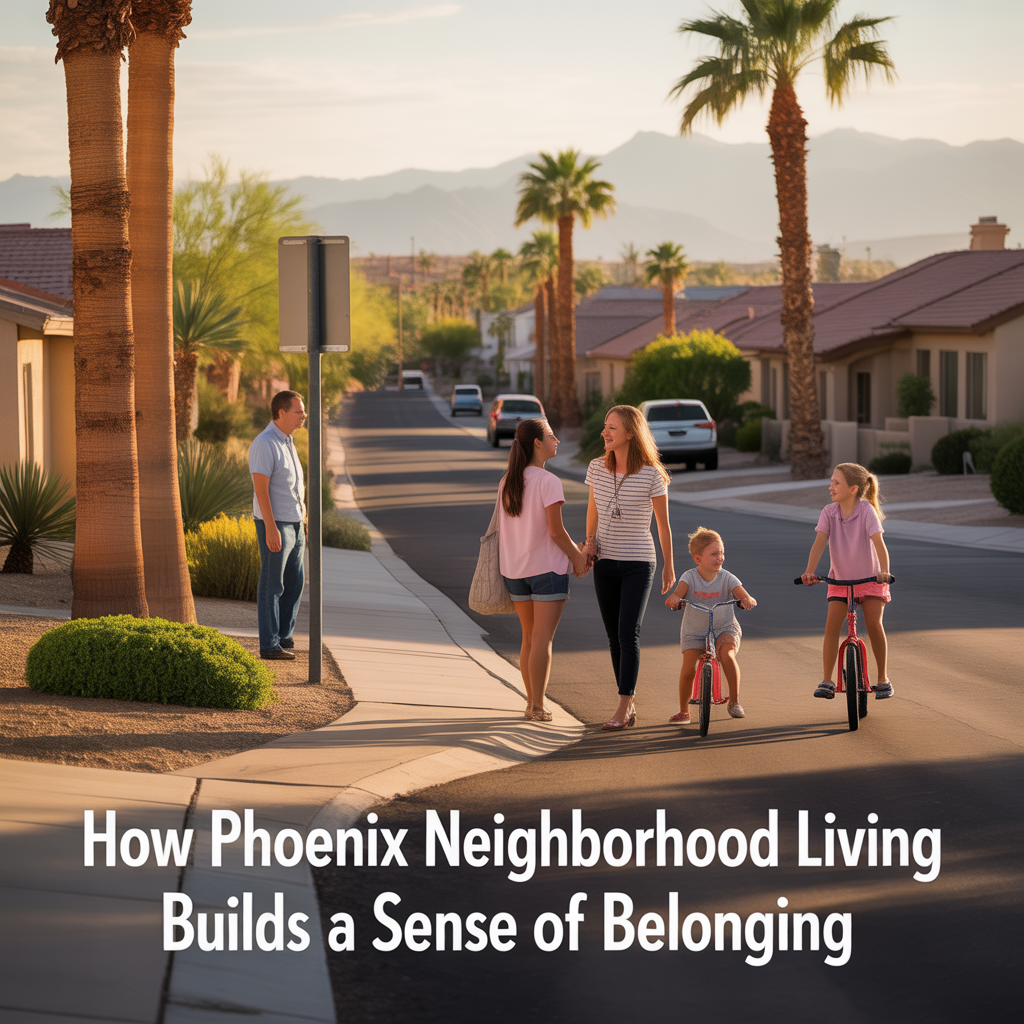
How Phoenix Neighborhood Living Builds a Sense of Belonging
-

Why Stability Plays a Major Role in Long-Term Home Satisfaction
-

How Familiarity Changes the Experience of Living in a Home
-
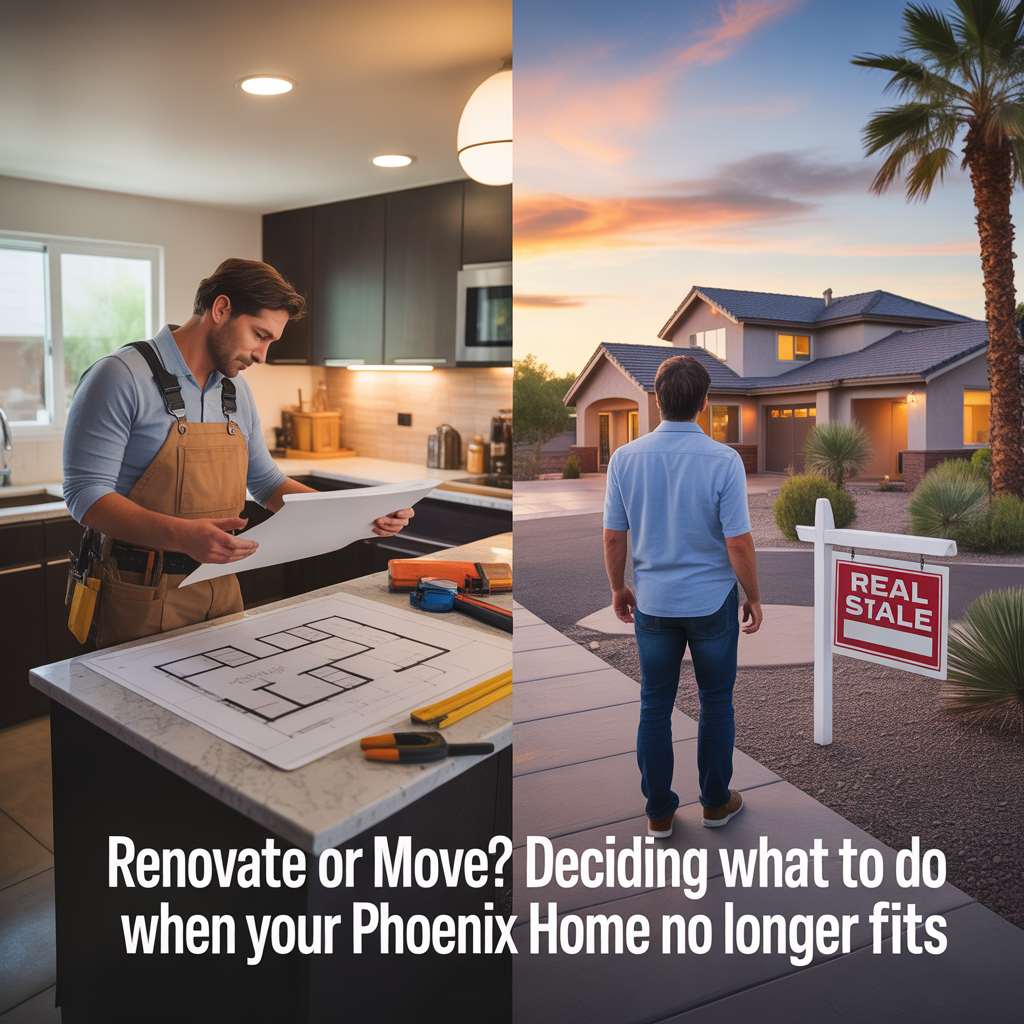
Renovate or Move? Deciding What to Do When Your Phoenix Home No Longer Fits
-
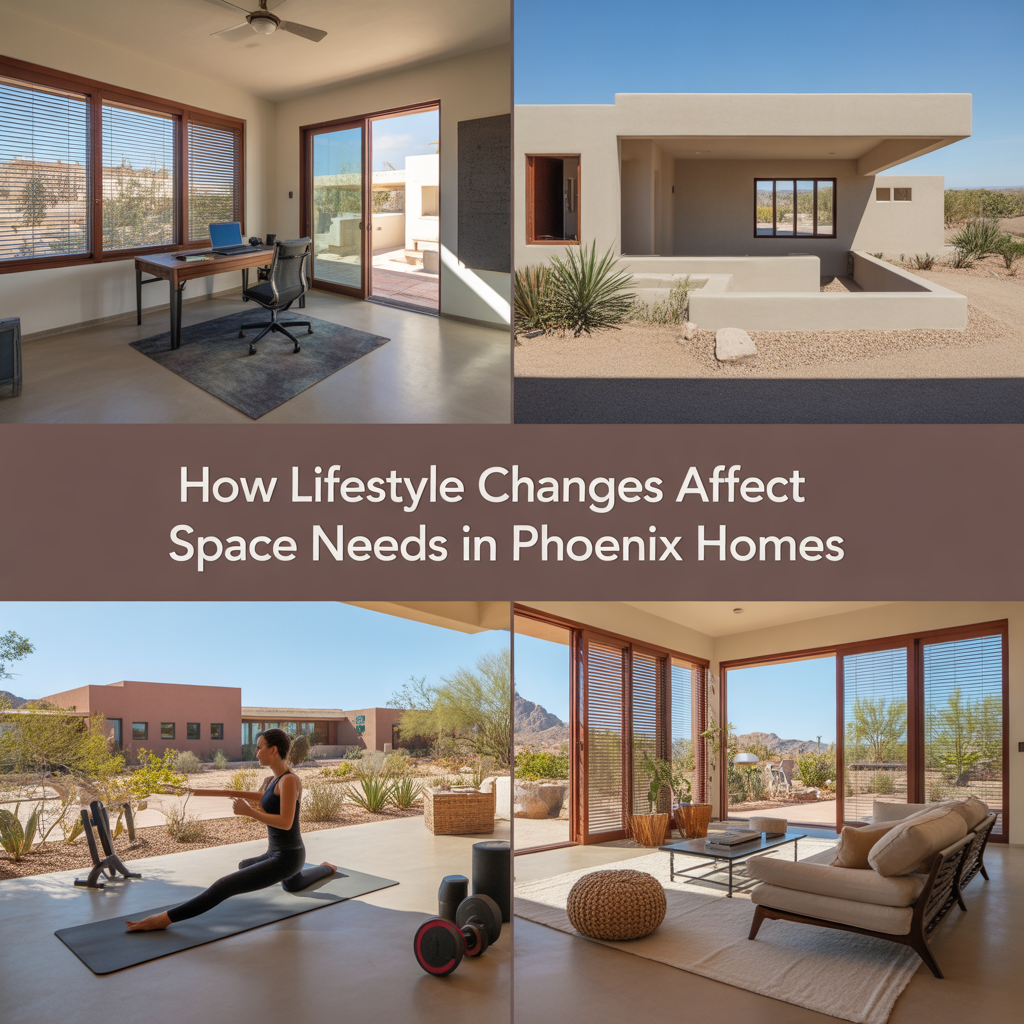
How Lifestyle Changes Affect Space Needs in Phoenix Homes
-
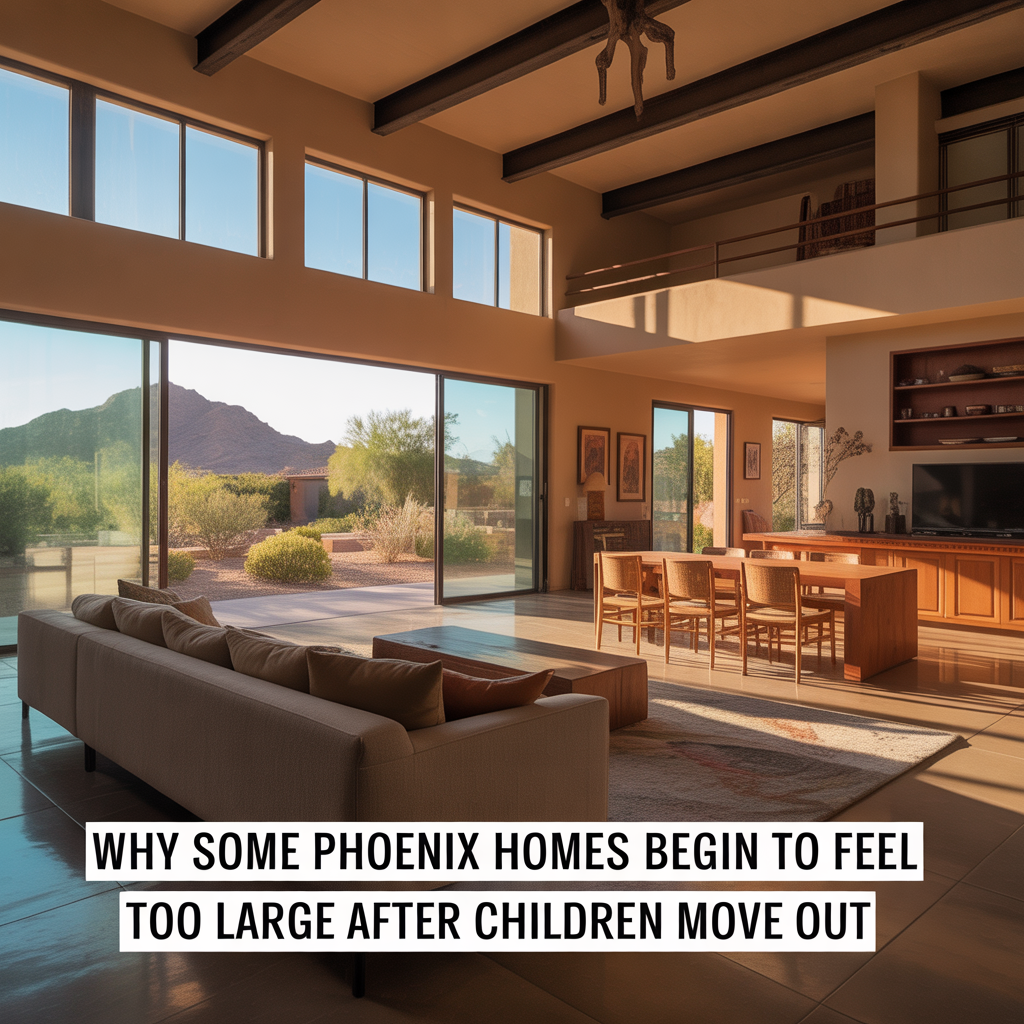
Why Some Phoenix Homes Begin to Feel Too Large After Children Move Out
-
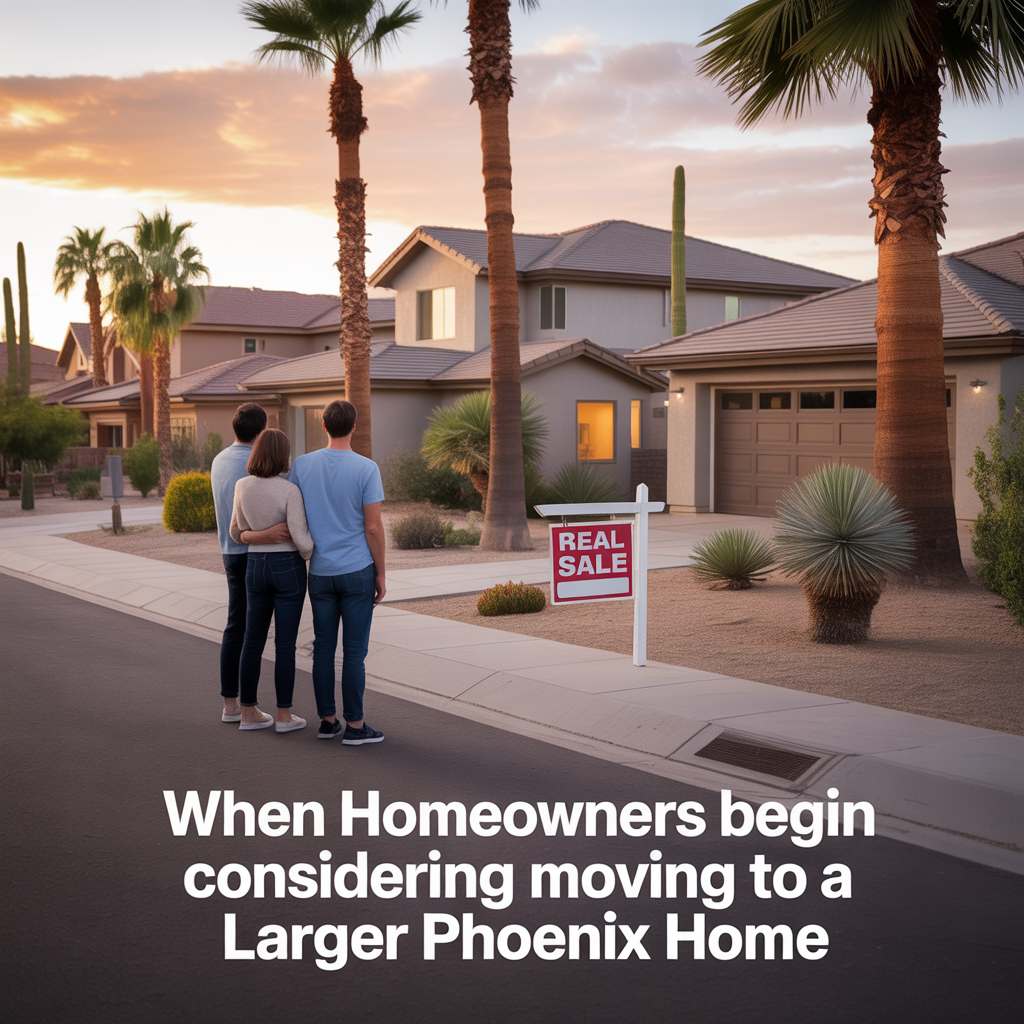
When Homeowners Begin Considering Moving to a Larger Phoenix Home
-

Signs Your Phoenix Home Is Starting to Feel Too Small for Your Family
-

How Desert Landscaping Evolves Over Years of Phoenix Homeownership