



Chandler Lifestyle Guide → [Chandler Lifestyle Guide] & For more info on Chandler Real Estate → [Chandler Real Estate Guide]
Written by: Renee Burke
Reverse commutes in Chandler — heading south or east against the morning northbound rush, or north/west against evening returns — offer a quieter path through our predictable East Valley flows, especially for those working in Gilbert, Queen Creek, or south Chandler tech outposts. I’ve advised clients who swear by them over years of showings, watching how they turn frustrating drives into stress-free routines that align perfectly with hybrid schedules and growing southern job hubs.
They sidestep Loop 202’s worst snarls, but come with trade-offs around job access and resale perceptions. Let’s weigh the pros and cons thoughtfully, by corridor.
Pros: Flow, Flexibility, and Family Wins
Reverse commutes shine brightest mornings south on Price or east on Ray — minimal backups as northbound swells toward Phoenix, often shaving 15-20 minutes off standard routes. Loop 202 eastbound glides pre-8 a.m. to Gilbert employers or Banner Gateway, while southbound McQueen stays serene for Sun Groves to Ocotillo shifts.
Evenings flip the advantage: north on Price or west on Chandler Blvd clears fast against southbound homecoming waves. Hybrid workers from Intel’s south campus or Northrop’s expansions thrive here, syncing with school drop-offs or park runs. Families in Fulton Ranch gain precious morning calm, kids unbothered by parental stress.
Fuel savings add up — 10-30% less idling — and resale appeals to the 31% carpool efficiency locals report, drawing like-minded buyers who value time over trendy locations.
Price Road South (Morning Reverse): Tech Edge Advantage
Southbound Price from Fashion Center to Germann peaks light 7-8 a.m., dodging northbound Intel rushes. Pros hit south campuses or logistics parks effortlessly; evenings northbound flows pre-6 p.m. Cons? Limited dining en route, and south Chandler’s growth means future construction could nibble edges.
Ray Road East (Morning Reverse): Gilbert Gateway
Eastbound Ray to Gilbert Road hums smoothly against westbound Loop 202 feeders — quick for Queen Creek jobs or SanTan Village shifts. Backroads like Parkway insulate Ocotillo homes. Drawback: signal-heavy stretches test patience if events spill over.
Loop 202 Eastbound (Evening Reverse): Growth Corridor Gain
Eastbound evenings post-5 p.m. skips westbound returns, ideal for Gilbert dinners or Mesa overnights. HOV incentives amplify savings. Con: weekend construction (like Dobson ramps) disrupts spontaneity.
Cons: Job Reach, Resale Nuances, and Isolation Risks
Fewer reverse opportunities limit north Phoenix or Scottsdale access — a pro for south jobs flips to con for Sky Harbor roles, forcing midday pivots. Resale favors “standard” commutes in buyer minds; south homes sometimes linger longer despite premiums from growing employers.
Evening reverses south/east feel isolated post-7 p.m., fewer lit stops or patrols than main drags. Rapid southern expansion — Loop 202 widening through 2027 — promises relief but risks short-term detours.
| Commute Type | Pros | Cons | Best Neighborhoods |
|---|---|---|---|
| Morning South/East | Light flow, fuel savings, family mornings | Job options south-focused | Sun Groves, Ocotillo |
| Evening North/West | Quick clears, hybrid flex | Isolation after dark | Fulton Ranch, Price Corridor |
| Loop 202 Reverse | HOV perks, future-proof | Construction phases | Cooper Commons edges |
Why Reverse Makes Sense in Chandler’s Evolution
Reverse commutes fit Chandler’s southern shift — Intel expansions, logistics booms, and Loop 202 upgrades draw jobs away from Phoenix cores, balancing flows naturally. They ease “traffic trap” fears for families prioritizing parks over prestige, holding values steady in growth pockets.
It’s a patient play: time saved compounds into richer evenings, outweighing occasional limitations.
Chart Your Chandler Commute
Reverse commutes turn Chandler’s peaks into your advantage, opening serene paths home.
If this sparks interest in south or east-facing homes, you don’t have to weigh it alone. I’ve matched so many to routes that fit their lives perfectly. Reach out — let’s explore what flows best for you, one easy drive at a time.
Get the full Phoenix Market Insights → [Market Insights]


-

Signs Your Phoenix Roof Needs Inspection or Repair
-

How Long Tile Roofs and Roof Underlayment Last in Phoenix
-

How Smart Thermostats Improve Cooling Efficiency in Arizona Homes
-

Why AC Systems Struggle During Extreme Phoenix Heat Waves
-

How Long Air Conditioning Units Last in Phoenix Homes
-

Warning Signs Your Air Conditioner Is About to Fail
-

How Often Phoenix AC Systems Need Maintenance
-

How Irrigation System Leaks Damage Foundations and Landscaping
-

Preventing Roof Damage Before Arizona Monsoon Storms
-

Why AC Tune-Ups Are Critical for Phoenix Homes
-

What Homeowners Should Inspect Before Phoenix Summer Heat Arrives
-

Seasonal Home Maintenance Checklist for Phoenix Homeowners
-

How UV Exposure Damages Exterior Paint, Stucco, and Sealants
-

How Extreme Heat Shortens the Lifespan of Home Systems
-

Why Phoenix Roofs Wear Out Faster Than Many Other Cities
-
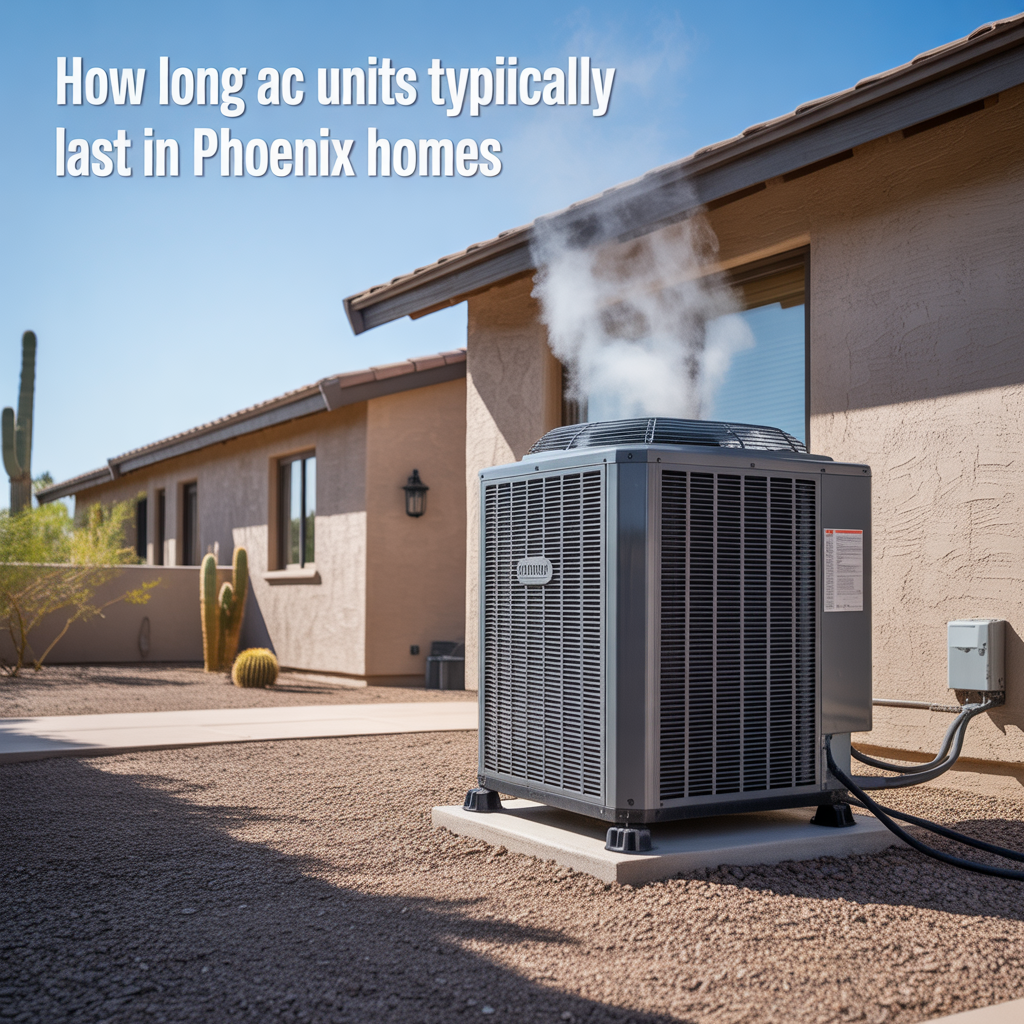
How Long AC Units Typically Last in Phoenix Homes
-

Building a Long-Term Protection Strategy
-

How Small Repairs Prevent Larger Problems
-

Protecting Older Phoenix Homes
-

Warning Signs of Hidden Home Risks
-

Preventative Maintenance That Reduces Insurance Claims
-

Reducing Liability Exposure Around Your Property
-

Liability Coverage Limits Explained
-

When Umbrella Insurance Makes Sense
-

Protecting Yourself From Guest Injury Claims