



Chandler Lifestyle Guide → [Chandler Lifestyle Guide] & For more info on Chandler Real Estate → [Chandler Real Estate Guide]
Written by: Renee Burke
If you’ve ever tried to cut across Chandler Boulevard between 7:30 and 8:15 a.m., you already understand one of this city’s quiet truths: school-day traffic is its own ecosystem. It’s not chaotic in a big‑city way, but it does have rhythms — those patterned surges of SUVs, crosswalks, and bike riders funneling into neighborhood schools and back out again.
For longtime residents, it’s just part of the morning routine, something you learn to anticipate and plan around. For newcomers — especially families relocating from out of state — it can come as a surprise. Chandler looks so easy to navigate on a map: wide arterials, modern infrastructure, excellent planning. But if you’re choosing a neighborhood or timing your commute without understanding the school rush, it’s easy to underestimate how those fifteen‑minute waves shape daily life.
The Rhythm of the Morning and Afternoon
Chandler Unified School District (CUSD) runs on a generally early schedule — elementary schools often begin before eight, with middle and high schools following in staggered blocks. What this means for traffic is predictable peaks tied tightly to bell times.
The mornings, especially midweek, bring a noticeable rise in congestion around key corridors:
- Dobson and Ray Roads — a convergence zone for high school routes, with Hamilton High anchoring a busy traffic funnel.
- Germann and Arizona Avenue — often impacted by multiple neighborhood schools starting within minutes of each other.
- Chandler Heights east of Cooper Road — where suburban streets narrow toward the city’s edge, adding a few small bottlenecks as families turn off main arteries.
The afternoons tell a slightly different story. Pickup lines start forming as early as 2:30 p.m. and taper by about 3:15. While morning congestion tends to be focused and intense, the after-school pattern stretches longer and blends more into general workday traffic. The challenge isn’t just the vehicles — it’s the timing. You’ll often see parents trying to sync pickups with extracurricular drop‑offs, creating a rolling backlog until dinner hour.
Why It Feels Different Here
What sets Chandler apart isn’t the volume of cars — it’s the design of its neighborhoods. Decades of master‑planning created communities like Ocotillo, Fulton Ranch, and Cooper Commons where elementary and middle schools sit tucked within subdivisions. That makes for incredibly convenient access on foot or bike, but it also concentrates traffic on streets that weren’t built for commuter throughput.
Instead of gridlocked highways, you get clusters of slow‑moving minivans on residential collectors, and those 15‑minute periods of near‑standstill before things suddenly open up again. To a parent, it’s both a gift and an inconvenience: your children can walk to school safely, but patience becomes part of the morning ritual.
Longtime residents know this rhythm instinctively. They’ll adjust dog‑walking routes, gym schedules, even grocery runs around certain school zones. It’s one of those Phoenix‑area realities that doesn’t impact your whole day — just a few windows of it — but those windows matter when you’re choosing where to live.
Commuting and Housing Decisions
When families start exploring Chandler homes, they often think first about proximity to top-rated schools — and rightly so. But the hidden layer of consideration is how those commutes feel in real life.
For example:
- If you live near Hamilton High, your mornings will likely start earlier, especially if you need to clear the Dobson and Chandler Boulevard intersections.
- Parents near Perry High face heavier traffic along Queen Creek Road, particularly between the 202 and Val Vista drive corridors.
- Neighborhoods like The Islands or Sun Groves enjoy a little more breathing room, though you’ll still encounter backups near key entrance roads at dismissal.
These patterns can influence everything from when you leave for work to which grocery store feels the most convenient. For homebuyers, that means it’s not just “how close is the school” that matters — it’s “what will the daily flow of that commute actually feel like?”
As a local agent and advisor, I often encourage families to test-drive the routes they’ll use between 7 and 8 a.m. during school months. You can’t always replicate it from a map search or a weekend open house. Understanding those rhythms firsthand helps ensure your daily life feels as balanced as your floor plan choice.
The Bigger Picture: Safety and Community Awareness
Traffic around schools isn’t just an inconvenience — it’s a shared safety responsibility. Chandler’s police and city departments take that seriously, coordinating crossing guards, school‑zone speed enforcement, and public reminders each August as the new year begins.
Still, what keeps things safe more than anything is community awareness. The slower pace through school zones, the extra seconds spent letting a child cross… those gestures define the small-town warmth many of us still feel in Chandler, even as the city has grown.
It’s one of the quiet advantages of these morning patterns: they force us to slow down, to see our neighbors, to wave at teachers directing car lines. The traffic can test your patience, yes — but it also reminds you that you’re living in a city that centers around family life.
How Chandler Compares Within the East Valley
If you’ve commuted through Tempe or Mesa during school hours, you’ll notice Chandler’s traffic feels more organized — more suburban, less urban snarl. The infrastructure here was built newer, with wide arterial loops, consistent crosswalk design, and designated turning lanes near most school zones.
That said, Chandler’s rapid growth over the past two decades has created pinch points that surprise even locals. The Price Corridor, for instance, houses major employers like Intel, drawing morning traffic that overlaps with school start times from nearby neighborhoods. On any given weekday, you’ll see engineers and fifth‑grade parents sharing the same turning queue at Dobson Road.
The upside of this blend is economic vitality — families can live near great jobs without long commutes. The tradeoff is those ten-minute traffic spikes that define much of the daily rhythm here.
Tips for Managing It Gracefully
There’s no magic fix for school‑hour congestion, but a few local strategies make life smoother:
- Leave five minutes earlier than you think you need to. It sounds simple, but that small buffer can turn a frustrating morning into a calm one.
- Learn alternate routes through neighborhoods. Many Chandler subdivisions have multiple exit points — using the less obvious one can save ten minutes.
- Use crosswalks and bike paths wherever possible. Chandler’s interconnected trail system makes walking or biking genuinely feasible for kids in certain zones.
- Plan errands strategically. If you can shift a quick trip until after 8:30 or before 2:30, you’ll skip most backups entirely.
School traffic isn’t something to dread — it’s something to understand and work with. Once you’ve lived in Chandler for a few months, you’ll start recognizing patterns almost intuitively. You’ll know which left turns to avoid, which side streets stay calm, and who always waves from the crossing post. It starts feeling less like noise and more like background music — proof that families and routines are still the heartbeat of this suburb.
The Mood Beneath the Movement
There’s something quietly reassuring about Chandler’s school‑day movement. It reflects what the city values: children, education, and everyday connection. These are neighborhoods where parents still walk their kids to class, where older students bike in groups, and where the hum of engines is matched by laughter at the crosswalk.
It’s a reminder that despite the growth — the tech corridors, the retail expansions, the new freeway on‑ramps — this is still a city designed for families who show up for one another. The traffic tells that truth. It’s a good problem, born of an engaged community.
What This Means for Homebuyers and Sellers
For buyers moving into Chandler, awareness is everything. The best neighborhoods each come with distinct morning profiles — not problems, but personalities. That insight helps you match your daily pace with your environment.
For sellers, understanding and communicating these rhythms can actually add value. Buyers appreciate honesty and context: “Yes, the school car line stretches down the block between 2:45 and 3:10, but you can avoid it entirely using the west exit.” That kind of detail paints a picture of real life — the kind of authenticity that builds comfort and trust.
It’s part of what keeps Chandler feeling lived‑in, not just plotted out. People here know their mornings, they work around them, and they value how those routines connect every corner of the community.
A Final Thought
Living in Chandler means learning the dance of those few busy hours each day. Once you understand its rhythm, it stops feeling like congestion and starts feeling like life in motion — a living pulse that keeps families connected, schools supported, and neighborhoods woven together.
If you’re thinking about making a move in the Phoenix area — whether into Chandler or another corner of the East Valley — you don’t have to figure it out alone. I’ve helped families navigate not only the market but the daily rhythms that shape where and how we live here.
Reach out anytime to talk through neighborhoods, school zones, or even those tricky morning commutes. Together, we’ll find a place that fits your life beautifully, both on paper and in practice.
Get the full Phoenix Market Insights → [Market Insights]


-

Signs Your Phoenix Roof Needs Inspection or Repair
-

How Long Tile Roofs and Roof Underlayment Last in Phoenix
-

How Smart Thermostats Improve Cooling Efficiency in Arizona Homes
-

Why AC Systems Struggle During Extreme Phoenix Heat Waves
-
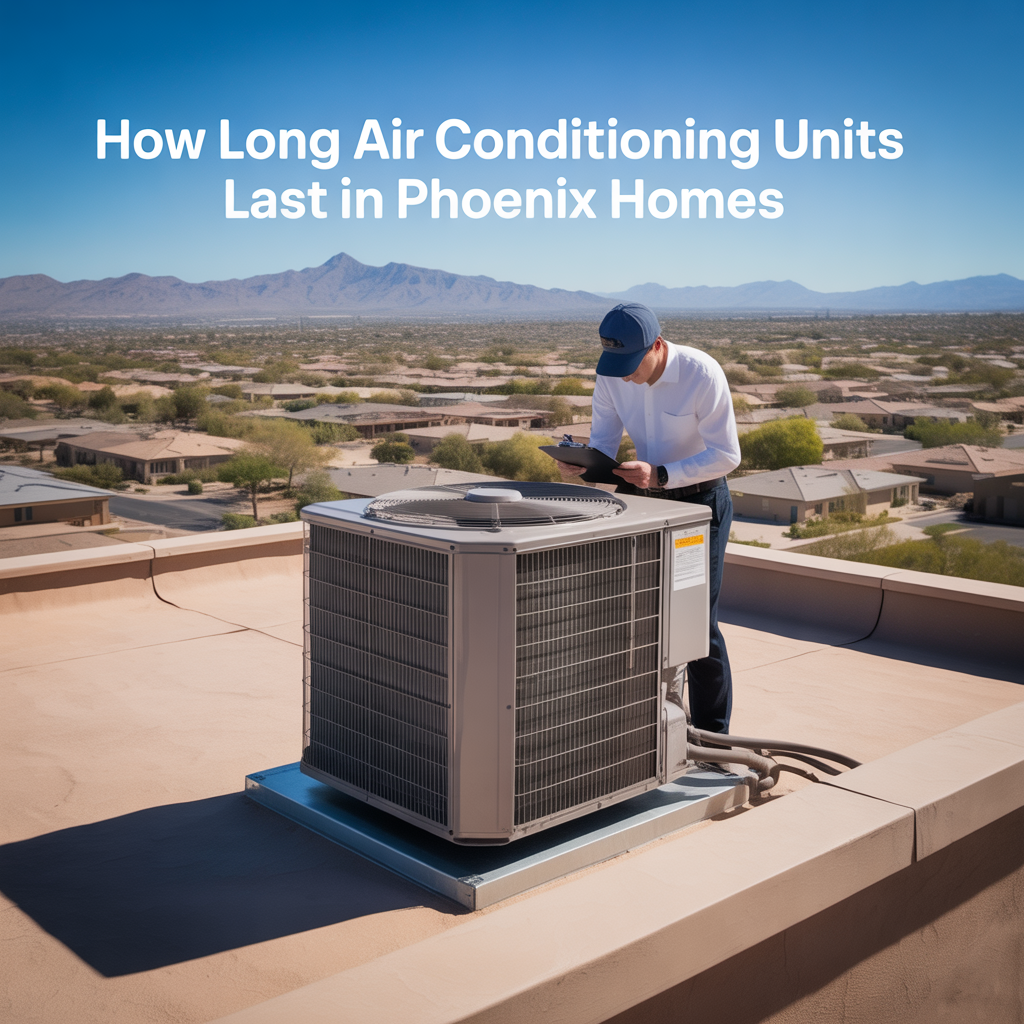
How Long Air Conditioning Units Last in Phoenix Homes
-

Warning Signs Your Air Conditioner Is About to Fail
-

How Often Phoenix AC Systems Need Maintenance
-
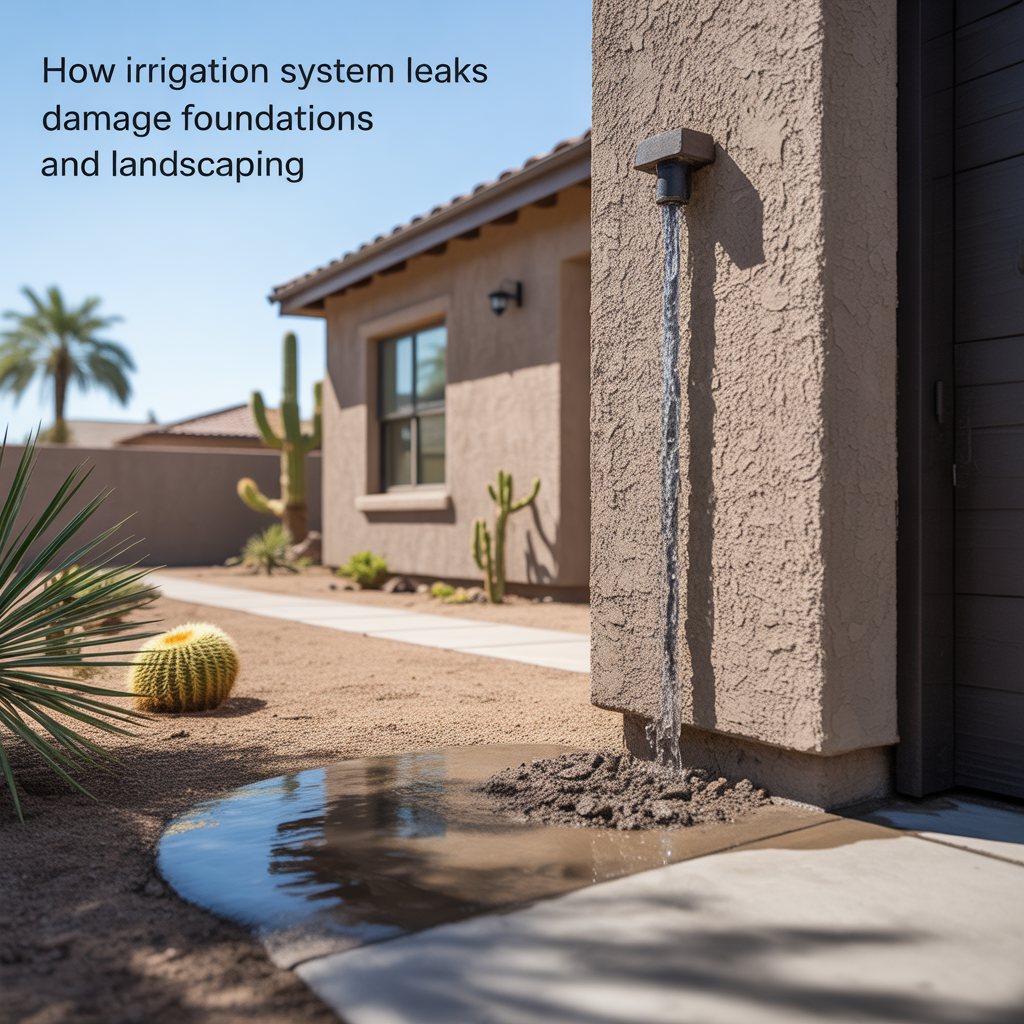
How Irrigation System Leaks Damage Foundations and Landscaping
-

Preventing Roof Damage Before Arizona Monsoon Storms
-

Why AC Tune-Ups Are Critical for Phoenix Homes
-

What Homeowners Should Inspect Before Phoenix Summer Heat Arrives
-

Seasonal Home Maintenance Checklist for Phoenix Homeowners
-

How UV Exposure Damages Exterior Paint, Stucco, and Sealants
-

How Extreme Heat Shortens the Lifespan of Home Systems
-

Why Phoenix Roofs Wear Out Faster Than Many Other Cities
-
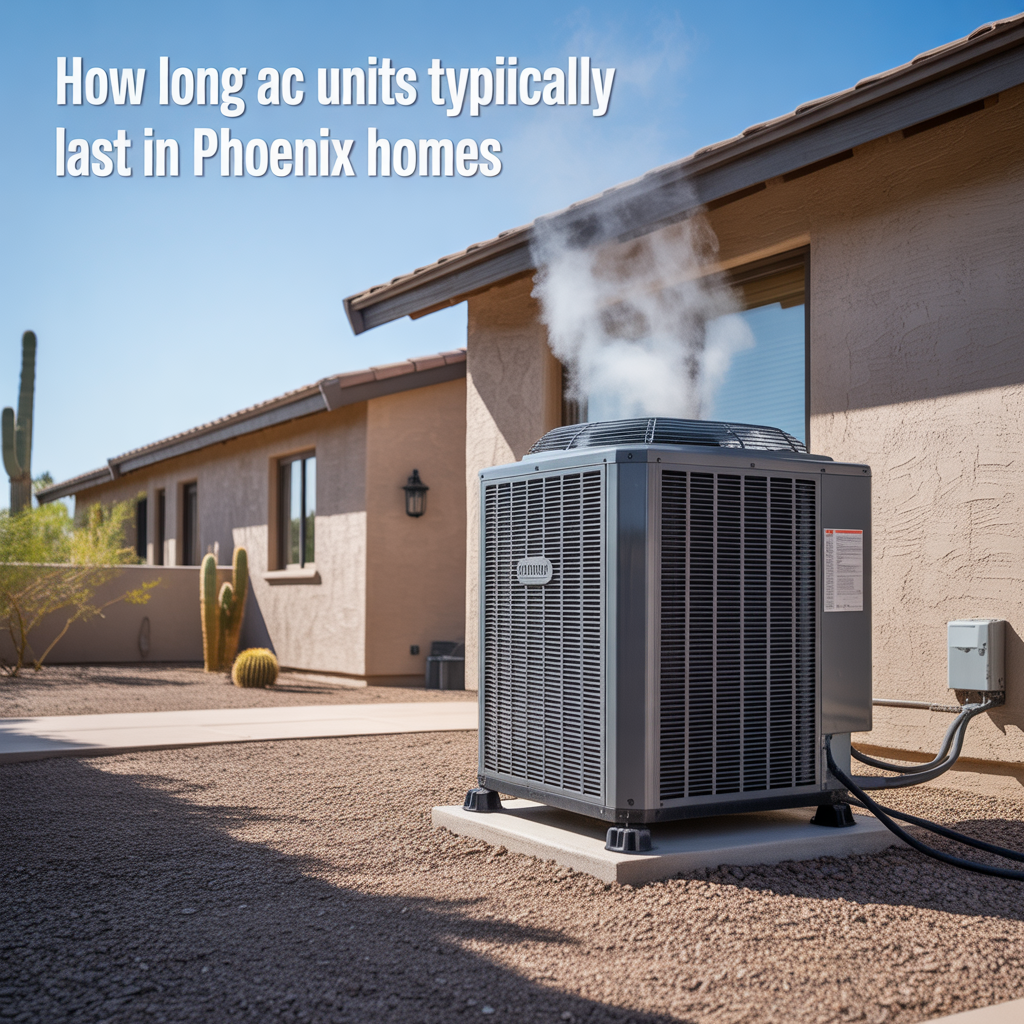
How Long AC Units Typically Last in Phoenix Homes
-

Building a Long-Term Protection Strategy
-

How Small Repairs Prevent Larger Problems
-

Protecting Older Phoenix Homes
-

Warning Signs of Hidden Home Risks
-

Preventative Maintenance That Reduces Insurance Claims
-

Reducing Liability Exposure Around Your Property
-

Liability Coverage Limits Explained
-

When Umbrella Insurance Makes Sense
-

Protecting Yourself From Guest Injury Claims