


Chandler Lifestyle Guide → [Chandler Lifestyle Guide] & For more info on Chandler Real Estate → [Chandler Real Estate Guide]
Written by: Renee Burke
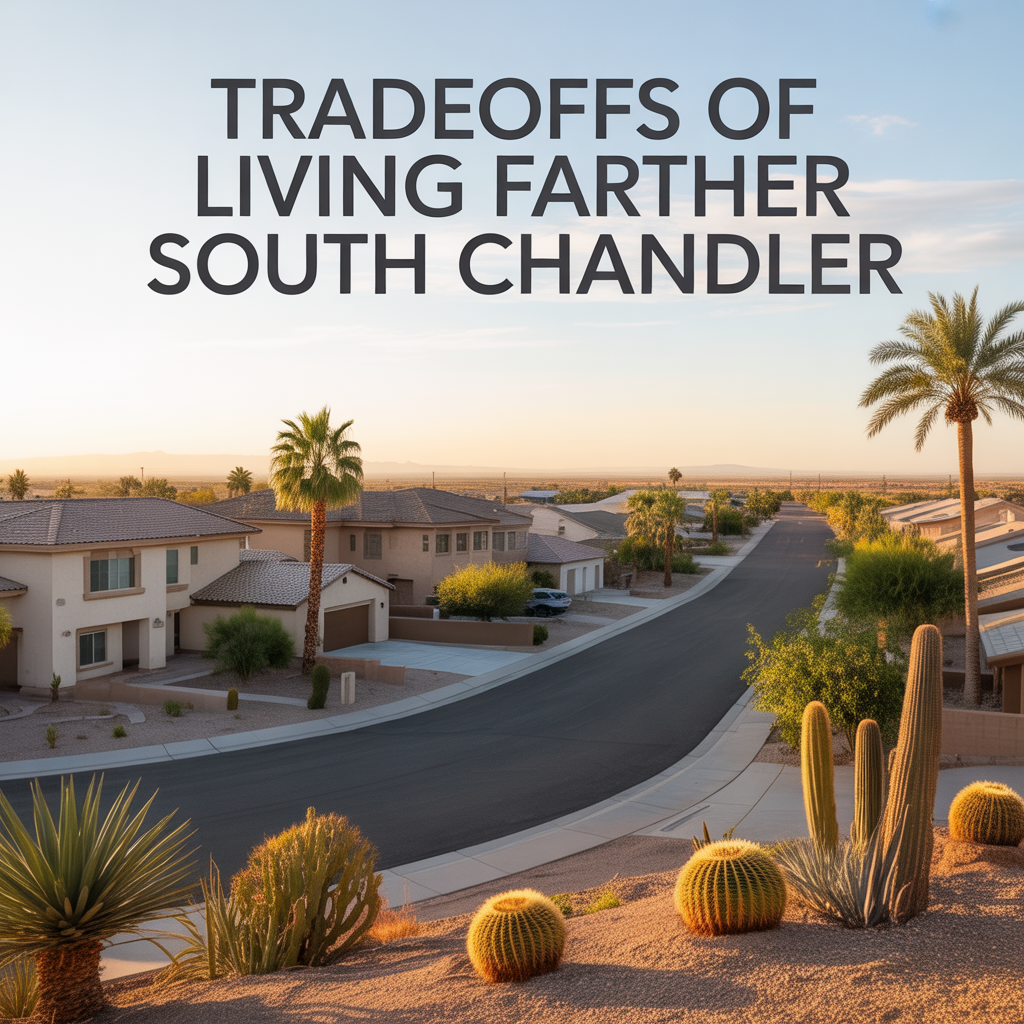
Venturing farther south in Chandler — think Sun Groves, Cooper Commons, or even Sun Lakes edges — trades urban buzz for expansive suburban serenity, where master-planned communities unfold amid citrus groves and open fields. I’ve guided families here who craved space after northside density, finding peace in larger lots and playground-dotted streets, though it comes with longer drives to the vibrancy downtown holds. These areas shine for growing households, but weigh the quieter pace against convenience carefully.
South Chandler’s newer builds (post-2000s) mean modern floor plans and amenities, yet isolation whispers if you’re not content with Loop 202 as your main vein. Let’s unpack the key tradeoffs thoughtfully.
Bigger Homes, Newer Builds, Suburban Feel
Southside homes skew larger — $550K-$700K medians for 4-5 beds with pools, versus north’s starter condos — often in gated or HOA-backed enclaves like Fulton Ranch or Sun Groves. Expect vaulted ceilings, smart-home wiring, and backyards blending turf play areas with misters, perfect for family movie nights under stars.
Tradeoff: HOAs ($100-300/month) enforce pristine lawns and community pools but curb personalization — no chickens or wild xeriscaping. North offers no-HOA freedom and historic charm, though smaller footprints. South feels resort-suburban; north, established eclectic.
Top Schools, Parks, and Family Focus
Chandler Unified’s A-rated campuses like Basha High anchor south zones, with open enrollment flexing to charters. Tumbleweed Park’s Playtopia and Paseo Trails become daily rituals — splash pads, sports fields, and shaded ramadas host endless playdates. Crime skews lower per capita here, buffered from denser north stats.
Tradeoff: Fewer walkable eateries or cultural spots — SanTan Village scratches shopping, but downtown’s Brickyard hums 15-20 minutes north. Northside edges win spontaneity; south prioritizes kid-centric peace.
Commute and Access Tradeoffs
Loop 202 south ramps grant quick hops to Gilbert or Queen Creek jobs, reverse commutes gliding against Phoenix rushes. McQueen Road keeps errands local via Bashas’ or Sprouts. Hybrid Intel folks thrive 10 minutes from campuses.
Tradeoff: North Phoenix or Sky Harbor stretches 30-45 minutes via clogged Price; no light rail means car reliance. Northside walkability to Fashion Center or Ocotillo patios saves time daily.
Amenities and Growth Edges
South boasts organized greenbelts, splash pads, and rec centers woven into subdivisions — think Ocotillo’s lakes spilling into neighborhood paths. Newer infrastructure dodges north’s aging plumbing woes, with solar incentives offsetting $300 summer AC bills.
Tradeoff: Dining leans chains over locals (H.O.P. Brewery shines, but Hidden House waits north). Rapid buildout risks future traffic as Queen Creek booms; north feels “done,” south still shaping.
Cost and Resale Realities
Entry via $500K single-families undercuts north luxury jumps, with steady 5-7% appreciation from school draw. Low property taxes (0.51%) and master plans insulate values long-term.
Tradeoff: Higher utilities from bigger squares; resale favors families, slowing for empty-nesters craving urban. North offers quicker flips to young pros.
| Factor | South Chandler Wins | North Chandler Wins | Best For |
|---|---|---|---|
| Space & Schools | Larger homes, A-rated Basha | Walkable density | Growing families |
| Convenience | Parks in-subdivision | Dining, coworks nearby | Urban hybrids |
| Commutes | Reverse flow ease | Phoenix quicker | South jobs |
| Cost | Affordable new builds | Starter condos | Budget room-growers |
| Vibe | Suburban resort | Eclectic established | Kid-centric calm |
Navigating South Chandler’s Balance
Farther south trades immediacy for intentionality — superior family infrastructure offsets drive times, appealing to those planting roots over chasing nights out. Newer homes mitigate heat with better insulation, though water-wise yards demand adjustment. It counters “sprawling suburb” fears via thoughtful planning, holding premiums where schools and space converge.
For long-haul ownership, south’s growth trajectory shines brightest.
Your South Chandler Fit
South Chandler’s tradeoffs reward those prioritizing family havens over hustle, creating lasting equity in the process.
If this weighs heavier on homes farther south, you don’t have to balance it alone. I’ve walked so many through these choices to their perfect match. Reach out — let’s find where the tradeoffs tip in your favor, one spacious step at a time.
Get the full Phoenix Market Insights → [Market Insights]


-

Signs Your Phoenix Roof Needs Inspection or Repair
-
How Long Tile Roofs and Roof Underlayment Last in Phoenix
-

How Smart Thermostats Improve Cooling Efficiency in Arizona Homes
-

Why AC Systems Struggle During Extreme Phoenix Heat Waves
-

How Long Air Conditioning Units Last in Phoenix Homes
-

Warning Signs Your Air Conditioner Is About to Fail
-

How Often Phoenix AC Systems Need Maintenance
-

How Irrigation System Leaks Damage Foundations and Landscaping
-

Preventing Roof Damage Before Arizona Monsoon Storms
-

Why AC Tune-Ups Are Critical for Phoenix Homes
-

What Homeowners Should Inspect Before Phoenix Summer Heat Arrives
-

Seasonal Home Maintenance Checklist for Phoenix Homeowners
-
How UV Exposure Damages Exterior Paint, Stucco, and Sealants
-

How Extreme Heat Shortens the Lifespan of Home Systems
-

Why Phoenix Roofs Wear Out Faster Than Many Other Cities
-
How Long AC Units Typically Last in Phoenix Homes
-

Building a Long-Term Protection Strategy
-

How Small Repairs Prevent Larger Problems
-

Protecting Older Phoenix Homes
-
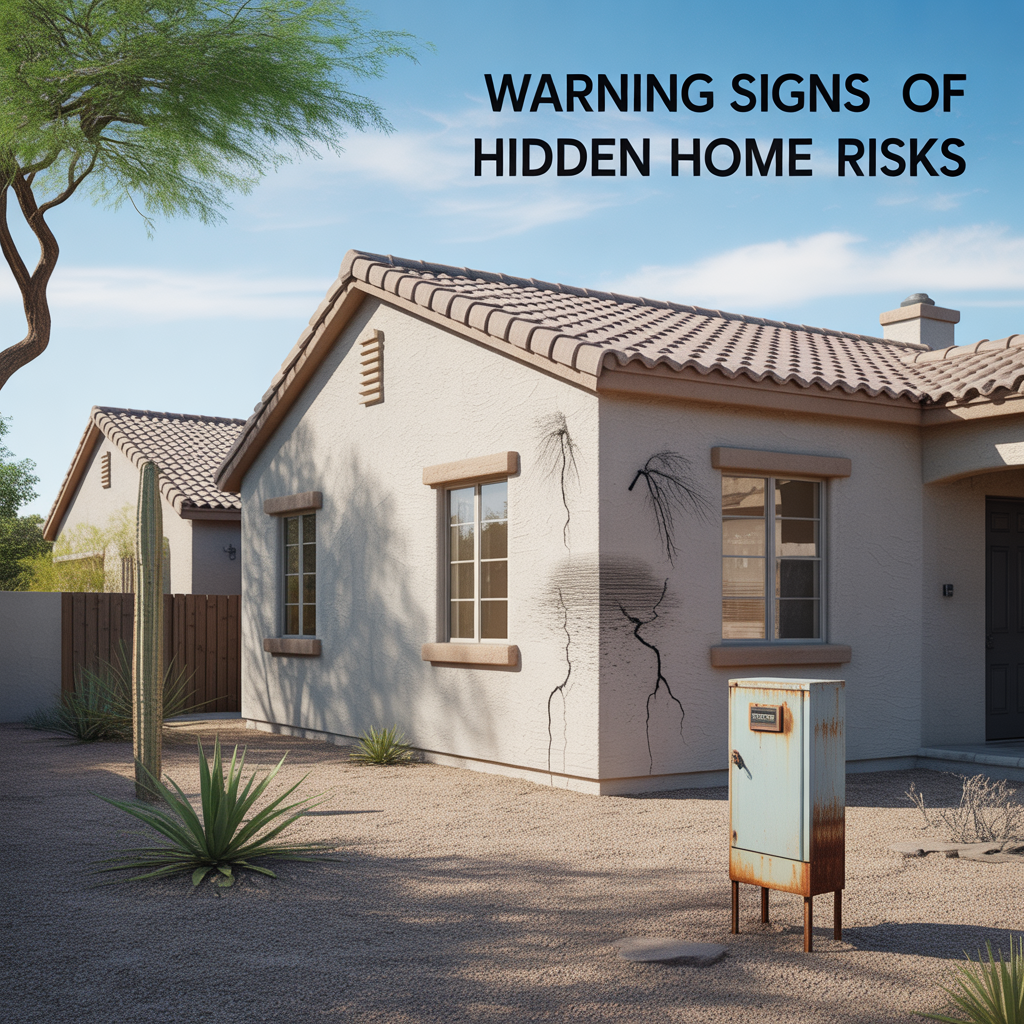
Warning Signs of Hidden Home Risks
-

Preventative Maintenance That Reduces Insurance Claims
-

Reducing Liability Exposure Around Your Property
-

Liability Coverage Limits Explained
-

When Umbrella Insurance Makes Sense
-

Protecting Yourself From Guest Injury Claims