



Chandler Lifestyle Guide → [Chandler Lifestyle Guide] & For more info on Chandler Real Estate → [Chandler Real Estate Guide]
Written by: Renee Burke
There’s a certain rhythm to Chandler after sunset — a soft hum that blends good food, desert air, and the easy warmth of neighbors gathering under string lights. When people talk to me about Chandler, they often picture its family-friendly communities, good schools, and golf courses. All true. But what surprises them most is how alive and walkable parts of Chandler have become, especially if you know where to wander.
I’ve watched this city grow from a quiet suburb into a place with its own heartbeat — one that’s matured right alongside its residents. The best dining and nightlife pockets here aren’t flashy; they feel effortless. They invite you in, make you want to linger, and give you a sense that you’re part of something local and genuine.
Let’s talk through some of the walkable neighborhoods and entertainment hubs where Chandler really shines after dark.
Downtown Chandler: Classic Charm, Modern Spirit
If you want to feel downtown Chandler, park once and start your evening around Dr. A.J. Chandler Park. From there, everything you’ll want is within a three-block radius.
This is Chandler’s heart — brick-lined streets filled with the kind of energy that comes from people who live nearby and actually use their downtown. The city’s investment in preserving its character shows everywhere you look: the historic San Marcos Hotel anchors the district like an old friend, and tree-canopied walkways link boutique shops with locally owned restaurants.
Whether it’s The Brickyard Downtown for modern small plates, Craft 64 for Arizona craft beer and wood-fired pizza, or Hidden House for a refined cocktail experience, you’ll find an easy balance between comfort and sophistication. Many evenings, live music spills out from the patios, and that soft hum of laughter carries down to the park.
For homeowners in the surrounding neighborhoods — particularly those in the San Marcos Country Club or Oakland historic districts — this kind of walkability isn’t just a lifestyle perk; it’s real value. Properties within walking distance to this corridor tend to hold demand well because they blend suburban space with an urban sensibility, something increasingly rare in the East Valley.
Downtown Ocotillo: The Lakefront Lounge Scene
A few miles southwest, the Ocotillo area offers a different tempo — more resort than rustic, with a glimmering backdrop of lakes and palm trees. This part of Chandler has really come into its own in recent years, thanks to careful commercial planning around Queen Creek and Dobson Roads.
Ocotillo’s walkable dining pocket is centered around The Waters at Ocotillo and the nearby eateries off Price and Ocotillo — where you can stroll from a lakeside dinner at The Living Room Wine Café & Lounge to cocktails at Neighbors Neighborhood Grill without ever moving the car. The crowd skews a bit more polished here — professionals, business travelers, and couples from nearby Intel campuses unwinding after work. There’s an understated luxury in the way people gather: casual attire, but always with a sense of occasion.
Buyers who crave newer construction, modern floor plans, and that “lock-and-leave” lifestyle are drawn here — particularly those coming from Scottsdale or South Tempe. With higher-end condos and gated lakefront communities steps from this entertainment zone, residents can actually live the kind of walkable life that many Phoenix suburbs only promise on paper.
The Price Corridor Lineup: After-Work Energy
If downtown Chandler is about charm, the Price Corridor is about pace. This is the business artery of the city — home to tech firms, aerospace companies, and major employers like Intel and Northrop Grumman. And wherever the professionals go, vibrant dining follows quickly behind.
Near the intersection of Price and Ray, a handful of restaurants and lounges have become informal gathering spots for the area’s workforce. Places such as Vintage 95 Wine Lounge and Fleming’s Prime Steakhouse blend upscale dining with a relaxed social setting. You see a lot of “power casual” here — colleagues sharing small plates over a glass of wine or families having an end-of-the-week dinner before heading home.
While it may not seem “walkable” in the traditional downtown sense, more developments around the Tech Center and along the Chandler Fashion Center corridor have intentionally introduced mixed-use layouts — walkable from nearby apartments or corporate housing. That’s meaningful because it signals one of Chandler’s next growth directions: creating livable pockets along major employment centers, not just around retail hubs.
Chandler Fashion Center District: Retail Meets Relaxed Nightlife
Just north of the Loop 202, Chandler Fashion Center has developed far beyond its retail roots. Over the last decade, it’s quietly become a full-service lifestyle zone where dining, entertainment, and even outdoor public events coexist.
When you walk the streets around the mall, the atmosphere feels more like a miniature downtown than a shopping center. The promenade hosts spots like The Keg Steakhouse and Hop Social Tavern, patios spill out under lights, and just a few blocks north, you’ll find more options around Chandler Boulevard. The area also connects neatly to nearby hotels, apartments, and the Chandler Museum — all within a manageable evening stroll.
The increased foot traffic has attracted new multifamily residential projects, which in turn keep the area active later into the night. For buyers considering investment condos or lock-and-leave townhomes, proximity to this corridor offers both convenience and strong year-round rental demand.
West Chandler: Quiet Corners, Hidden Gems
Venture west toward Ray and 54th Street, and you’ll find a cluster of intimate venues favored by locals who prefer a quieter evening — think neighborhood breweries, craft pizza spots, and wine bars that know your name by the third visit.
The Perch Brewery’s Chandler location often surprises first-time visitors with its botanical, rooftop feel, while places like The Local Chandler draw loyal weekend crowds for happy hour. This side of town feels more blended with the residential landscape — there’s no dedicated nightlife strip, but clusters of independent businesses have built their own following through authenticity and word-of-mouth.
For buyers, it’s proof that you don’t need a big entertainment district to have lifestyle convenience. In fact, homes in west Chandler often appeal to families and professionals who want a calmer environment but still want to bike or take a short drive to local favorites — a balance that anchors both property value and quality of life.
Why Walkability Matters in Chandler’s Market
Walkability means more than sidewalks and crosswalks; it’s the ease of daily living — being able to grab dinner, meet friends, or run errands without depending on a car. In Chandler, that concept has become a hallmark of its maturing urban design philosophy.
Buyers are increasingly prioritizing walkable access to restaurants, coffee shops, and evening spots not because they want to ditch the car entirely, but because lifestyle options within reach make a community more livable and lasting. From a real estate standpoint, homes within or adjacent to these dining and entertainment pockets tend to see stronger appreciation and shorter time on market.
I remind my clients that this kind of lifestyle convenience doesn’t just influence how you live — it influences how well your home performs as an investment. When people fall in love with a neighborhood, they rarely want to leave it. That strong attachment creates natural demand over time.
The Subtle Shift in How Chandler Lives
If you’ve been in the Phoenix metro for a while, you’ve likely noticed a cultural shift from “suburban sprawl” toward intentional walkable experiences. Chandler epitomizes that evolution — it’s still comfortably suburban, but with an increasingly self-contained charm.
You see it at the Saturday farmers market downtown, where young families and longtime residents mingle. You see it on an Ocotillo patio during golden hour, with paddleboarders finishing their day on the lake. And you feel it when you realize how easy it is to plan a full evening — dinner, drinks, live music, and a peaceful walk home — without ever leaving your zip code.
That’s the future of Chandler living: grounded, vibrant, and always connected to the people around you.
A Warm Closing Thought
If you’re exploring a move in or around Chandler — whether you’re buying your first home, upsizing, or just curious where you’d truly fit — you don’t have to navigate those decisions alone. The neighborhoods, the market shifts, the subtle lifestyle differences between each part of town… these are things that take years to understand and moments to appreciate.
Helping clients find that perfect match between home and lifestyle is one of the most rewarding parts of what I do. So, if Chandler’s walkable dining and nightlife pockets speak to the kind of life you want, reach out. I’d be glad to walk you through what’s available, what’s emerging, and what feels right for your next chapter — one thoughtful step at a time.
Get the full Phoenix Market Insights → [Market Insights]


-
How the Phoenix Desert Climate Shapes Everyday Life Inside the Home
-
How Phoenix Weather Patterns Shape Everyday Home Routines
-
Why Homes Often Feel More Comfortable After the First Year of Ownership
-
How Living in Phoenix Changes the Way Homeowners Use Their Homes
-
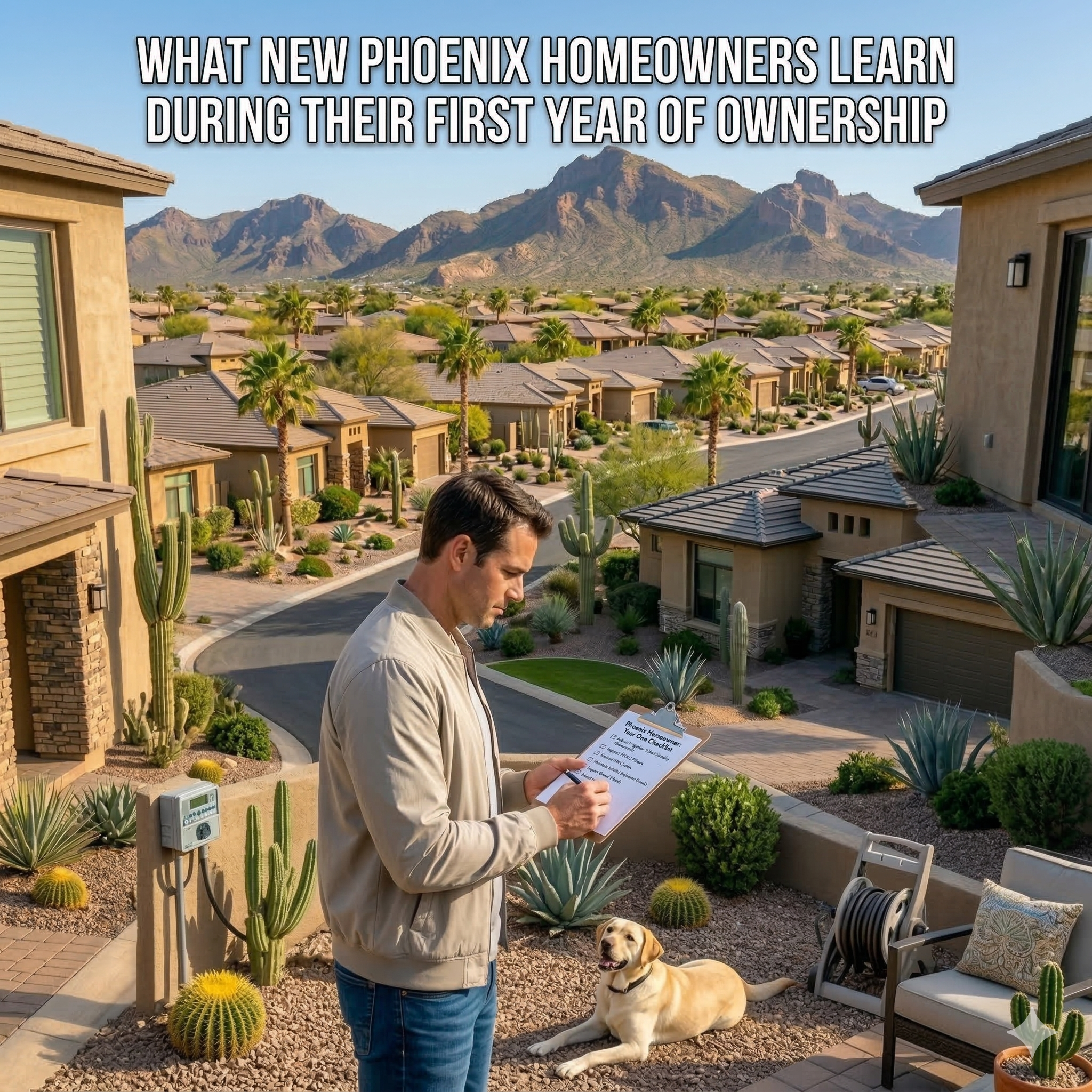
What New Phoenix Homeowners Learn During Their First Year of Ownership
-

How Daily Life Changes After the First Year of Living in a Phoenix Home
-
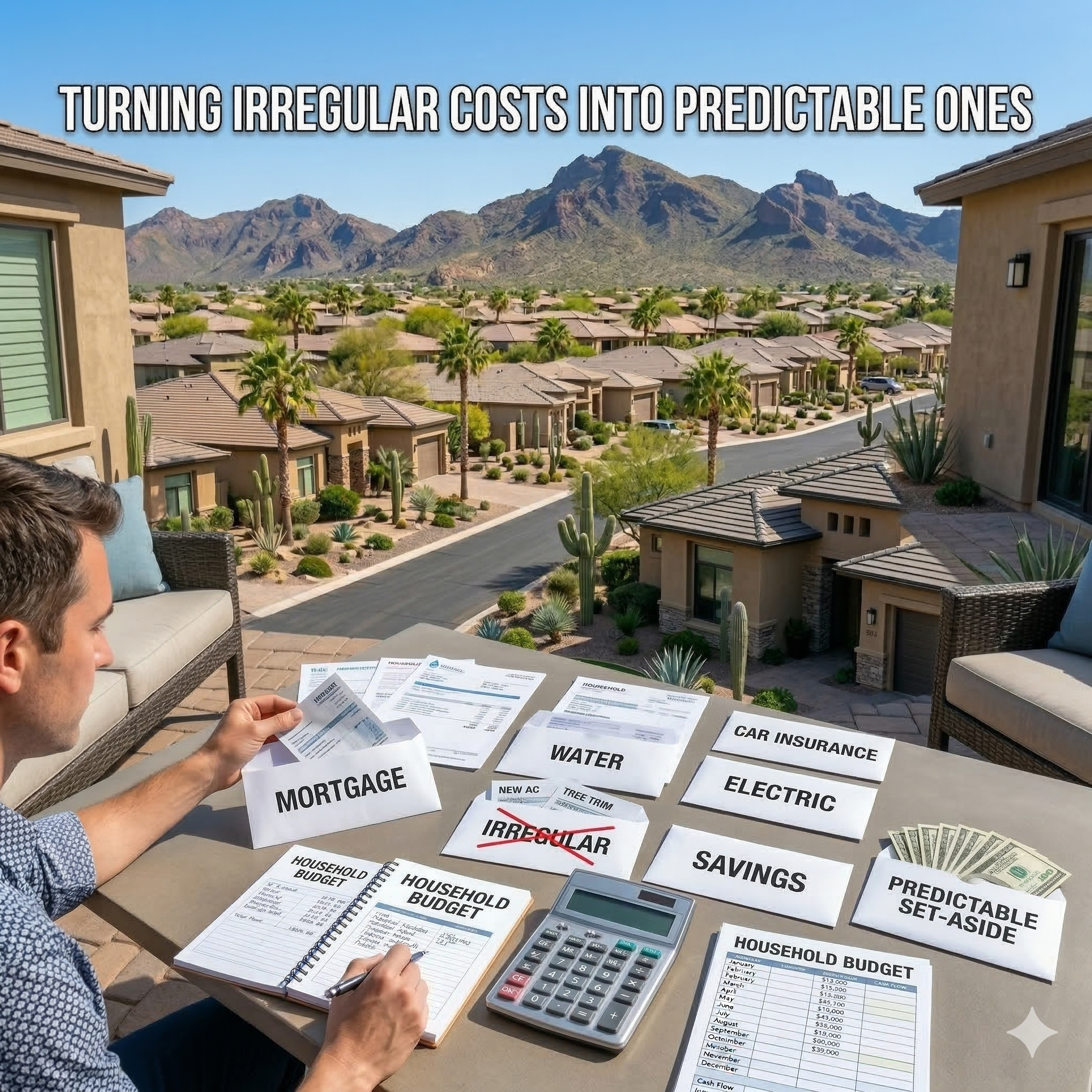
Turning Irregular Costs Into Predictable Ones
-

Budgeting for Ongoing Ownership
-
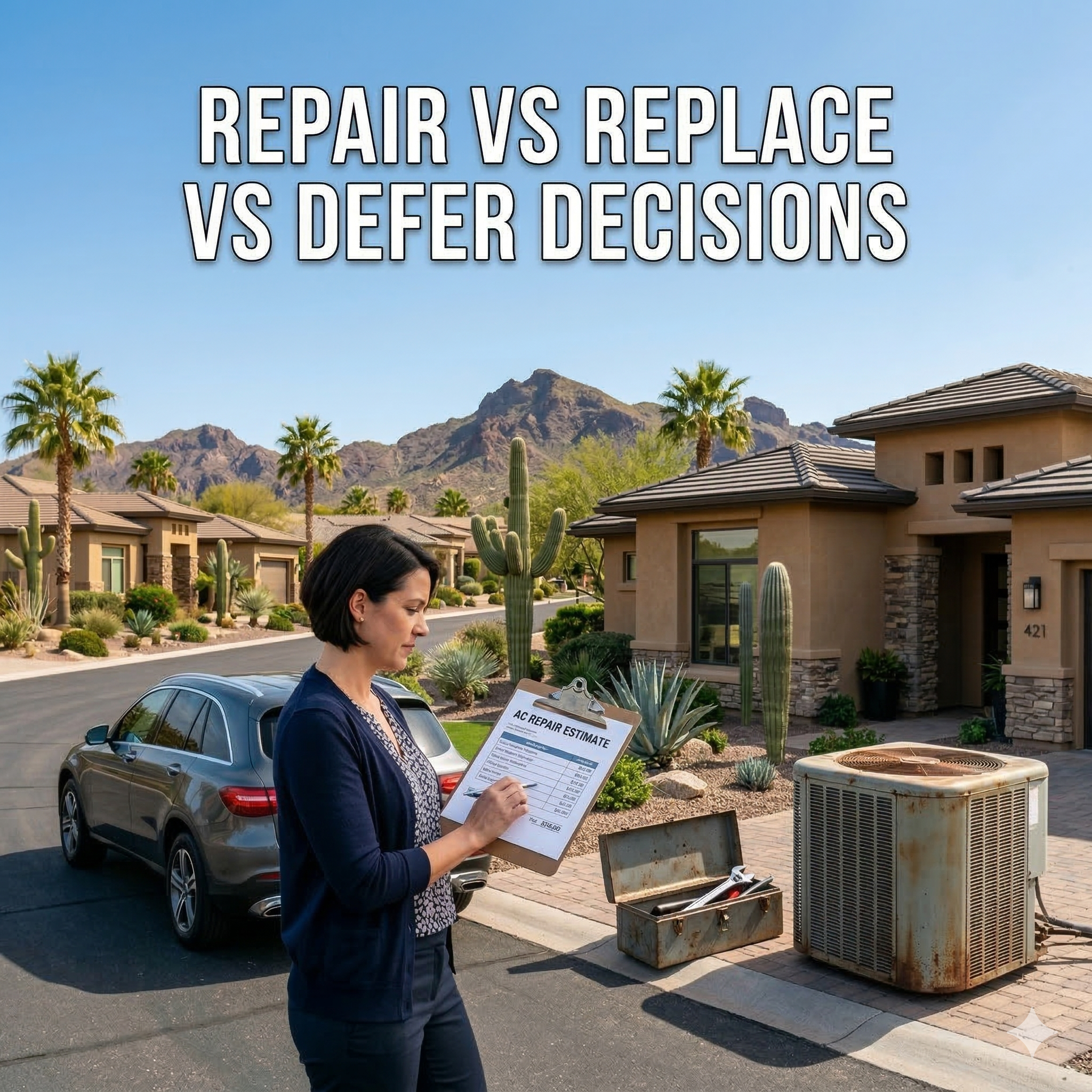
Repair vs Replace vs Defer Decisions
-

Planning Homeownership Like a Long-Term Asset
-

What Home Expenses You Can Safely Delay
-

Stopping Cost Creep Early
-

Cash Flow vs Net Worth Stress
-

Why “It’s Not That Much” Adds Up
-

Warning Signs Your Ownership Budget Is Tightening
-

The Cumulative Cost of Small Home Repairs
-

Designing Budgets Around Local Conditions
-
Utility Costs Over Time in Desert Climates
-

Insurance Increases Explained for Arizona Homeowners
-
How Inflation Impacts Phoenix Homeownership Costs
-

Avoiding Debt-Driven Homeownership Decisions
-

Replacing Systems on Your Timeline
-

Why Emergency Repairs Cost More
-

Timing Major Expenses Without Financial Shock
-
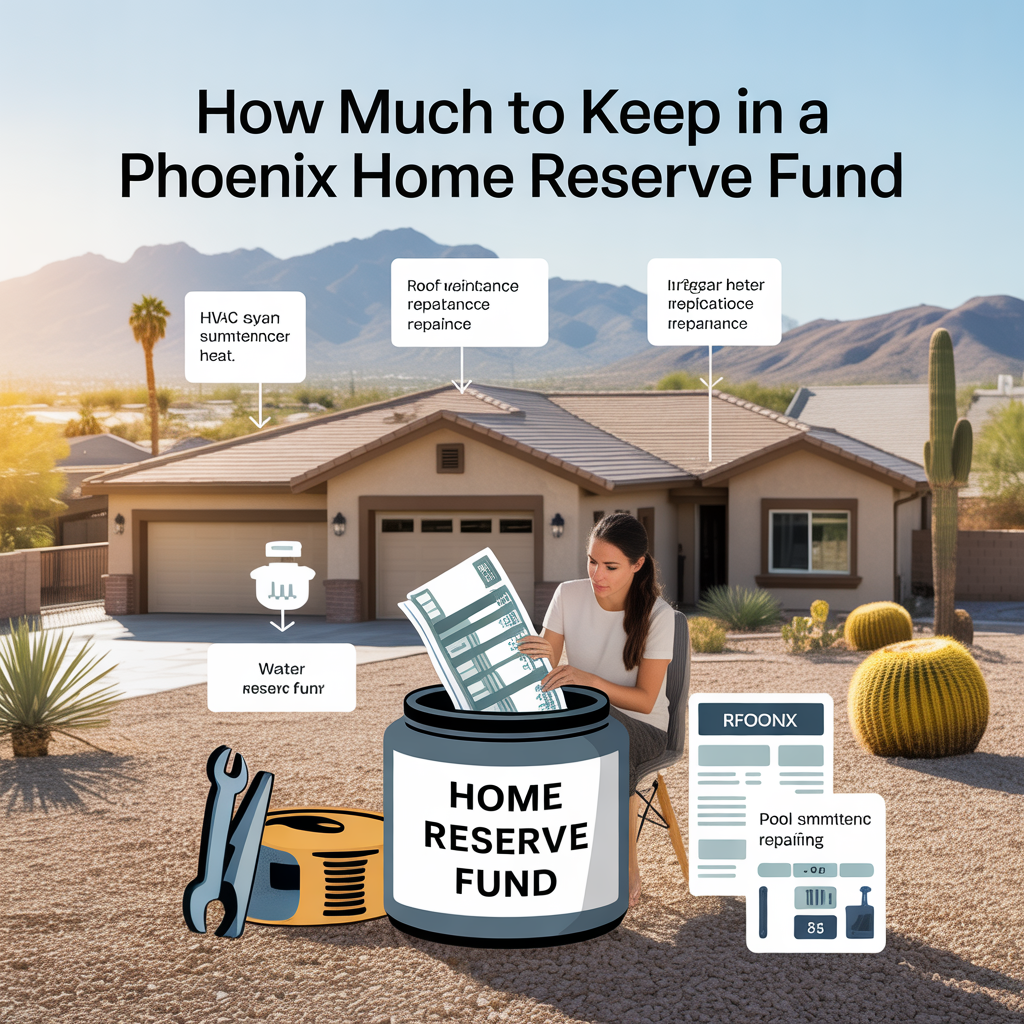
How Much to Keep in a Phoenix Home Reserve Fund