


Chandler Lifestyle Guide → [Chandler Lifestyle Guide] & For more info on Chandler Real Estate → [Chandler Real Estate Guide]
Written by: Renee Burke
There’s something truly special about finding your place in Chandler—the way the sunsets paint the Santa Rita mountains pink, or how a quick drive down Arizona Avenue puts you in the heart of local festivals and farm-fresh markets. If you’re ready to buy here, I’m here to guide you through it, step by step. This isn’t rushed advice; it’s the thoughtful process I’ve walked hundreds of families through in our East Valley communities.
Step 1: Check Your Finances and Get Pre-Approved
Start where it feels safest—with your own numbers. Before you even peek at listings, sit down with a lender who knows the Phoenix market inside out. In Chandler, where median prices hover around $550,000 to $565,000 as of early 2026, a pre-approval letter isn’t optional; it’s your ticket to being taken seriously by sellers.
Local lenders like Desert Financial Credit Union or those familiar with Arizona’s down payment assistance programs can run the math on your income, debts, and credit. Aim to keep housing costs under 28% of your gross monthly income, leaving room for Chandler’s summer utility spikes or family outings to Tumbleweed Park. Many buyers qualify for 3-5% down options, especially first-timers through the Arizona Industrial Development Authority. This step builds confidence—you’ll know exactly what you can afford before emotions enter the picture.
Step 2: Define Your Chandler Lifestyle Must-Haves
Chandler isn’t one-size-fits-all, and neither should your search be. Think about what daily life here looks like for you. Do you crave the walkable vibe of Downtown Chandler, with its indie shops and live music at Dr. A.J. Chandler Park? Or the resort-style lakes and golf in Ocotillo? Maybe it’s family-friendly streets near Chandler High or easy Loop 202 access for Intel campus commutes.
Jot down your non-negotiables: school districts like Knox Gifted Academy, lot size for a desert backyard oasis, or HOA perks like community pools to beat 110-degree days. In 2026, $500K might get you a cozy 3-bed in older neighborhoods south of Warner Road, while $650K opens updated 4-beds with modern kitchens near Riggs and Alma School. Narrowing this early saves heartbreak—Chandler’s inventory moves in about 45 days, but the right fit waits for prepared buyers.
Step 3: Partner with a Local Chandler Expert
You wouldn’t navigate the Gila River Indian Community trails alone, so don’t shop Chandler blind. A Phoenix metro agent who lives and breathes East Valley nuances—like how micro-markets shift block by block or which streets flood in monsoon season—will customize your search. We know the difference between a resale gem in Fulton Ranch and a fixer in Sun Groves.
Together, we’ll tour 5-10 homes that match your criteria, focusing on 2026 realities: modest appreciation, stabilizing rates, and sellers open to repairs since inventory is easing post-2022 frenzy. Your agent handles the legwork, from pulling comps to spotting value-adds like solar panels that slash SRP bills.
Step 4: Make a Strong, Smart Offer
Once you spot the one—maybe that Ocotillo charmer with mountain views or a newer build near Chandler Fashion Center—craft an offer that stands out without overpaying. In today’s balanced market, include your pre-approval, a small earnest money deposit (1-2% of price), and flexibility on closing (30-45 days is standard).
Chandler sellers appreciate escalation clauses if multiples pop up, but we’ll negotiate based on inspection realities—stucco cracks from settling soil or dated HVACs common in 1990s homes. Expect to cover about 1% in closing costs, plus prorated Chandler property taxes (around 0.7% annually). Your agent ensures every contingency protects you.
Step 5: Inspect, Appraise, and Underwriting
Hire a Chandler-savvy inspector early—they’ll flag desert-specific issues like poor drainage, foam roof wear, or termite trails in mesquite shade trees. Budget $500-800 for a full inspection; it’s your safeguard. In flood-prone spots near the Gila River, add a sewer scope.
Underwriting takes 10-20 days: your lender verifies everything while the home appraises near list price (Chandler’s sale-to-list holds strong at near 100%). If gaps arise, we bridge them calmly—seller credits for AC upgrades are common now. This phase confirms your home is solid for Chandler’s long haul.
Step 6: Close and Move into Your Chandler Life
Final walkthrough: one last look for last-minute changes. Sign at title (escrow here is smooth, often 1% fee split), get keys, and celebrate. New homeowners get Chandler utility setup packets, and I’ll connect you to local pros for move-in tweaks—think pool service or smart thermostats.
Post-close, ease in: join neighborhood apps for Snedigar Recreation events, explore Chandler Center for the Arts shows, or hike San Marcos Foothills. You’ve just invested in one of Arizona’s steadiest markets—tech jobs, top schools, and 300 sunny days fuel lasting value.
Common Pitfalls to Gently Avoid
I’ve seen buyers skip pre-approval and lose to cash offers, or ignore HOA rules in Ocotillo that limit RV parking. Don’t chase shiny new builds near Queen Creek borders if your heart’s in established Chandler—focus on lifestyle fit. And always factor summer costs: expect $300-500 monthly AC bills without efficiencies. Patience pays; Chandler rewards the prepared.
Why Now’s a Great Time in Chandler
Early 2026 brings opportunities—a slight uptick in listings, realistic sellers, and rates favoring qualified buyers. With Intel and healthcare driving jobs, and communities like Fulton Ranch adding vibrancy, Chandler blends suburban peace with urban perks. It’s not hype; it’s home.
If you’re thinking about making a move in Chandler, you don’t have to figure it out alone. Reach out—I’ll guide you through every step with the care you’d expect from a trusted friend who knows this Valley like her own backyard. Let’s find your Chandler story together.
Get the full Phoenix Market Insights → [Market Insights]


-

Designing Outdoor Living Spaces for Phoenix’s Unique Climate
-

How Pools and Shade Structures Change Backyard Living in Phoenix
-

Why Covered Patios Are One of the Most Valuable Features of Phoenix Homes
-

How Phoenix Homeowners Transform Their Outdoor Living Spaces Over Time
-

Ways Phoenix Homeowners Improve Indoor Comfort Over Time
-

How Long Cooling Seasons Influence Phoenix Home Design
-

How Phoenix Summer Heat Changes Daily Life Inside the Home
-

How Long-Term Homeowners Adjust Layouts to Fit Changing Needs
-

Converting Spare Bedrooms Into Home Offices in Phoenix Homes
-

How Life Stage Changes Affect the Way Phoenix Homes Are Used
-

When Homeowners Start Rethinking Space Inside Their Phoenix Home
-

How Phoenix Homes Adapt to Growing Families Over Time
-

How Local Parks, Restaurants, and Shops Shape Life in Phoenix Neighborhoods
-

Why Long-Term Residents Experience Neighborhoods Differently Than New Buyers
-

How Phoenix Communities Shape Everyday Life for Local Residents
-
Why Neighborhood Familiarity Improves Long-Term Home Satisfaction
-
How Living in a Phoenix Neighborhood Changes After Several Years
-
Why Desert Climate Living Changes Homeownership Expectations
-
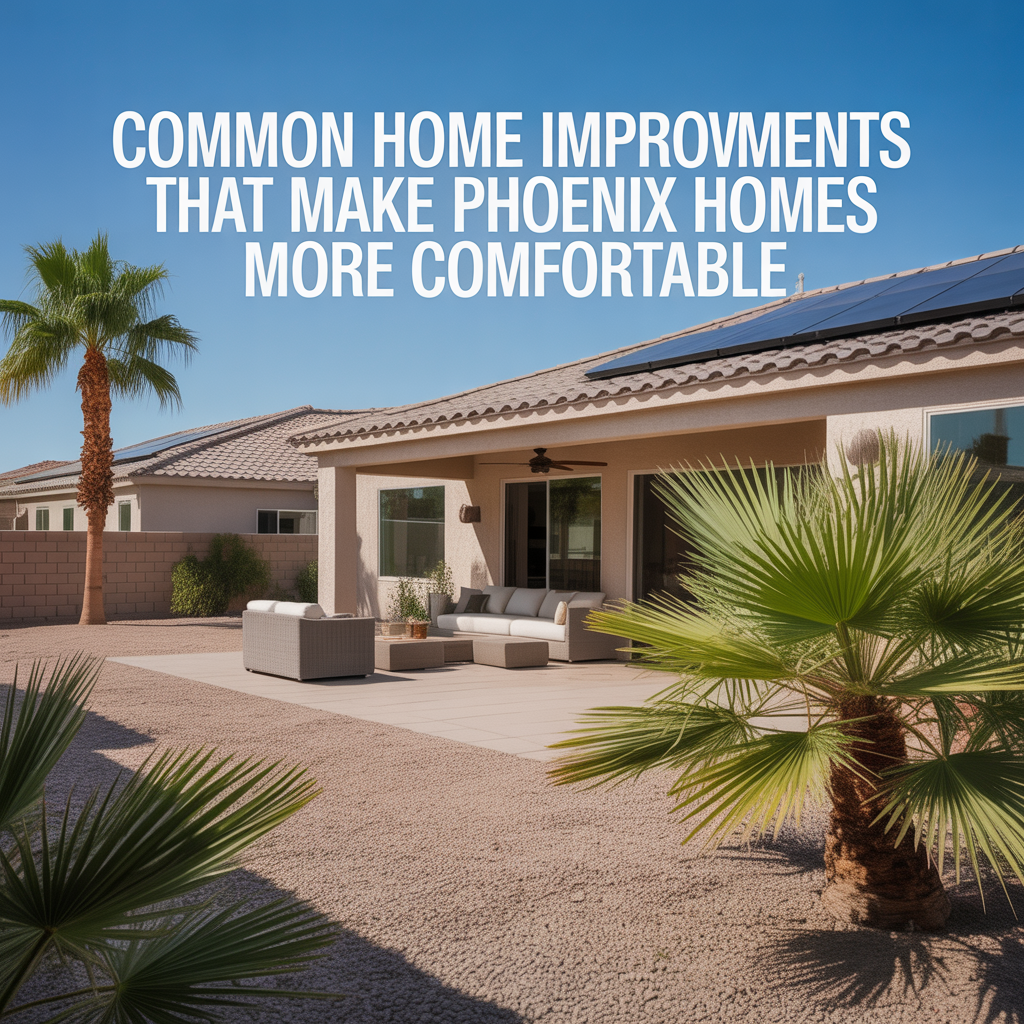
Common Home Improvements That Make Phoenix Homes More Comfortable
-

How Extreme Summer Heat Changes the Way Phoenix Homes Are Used
-
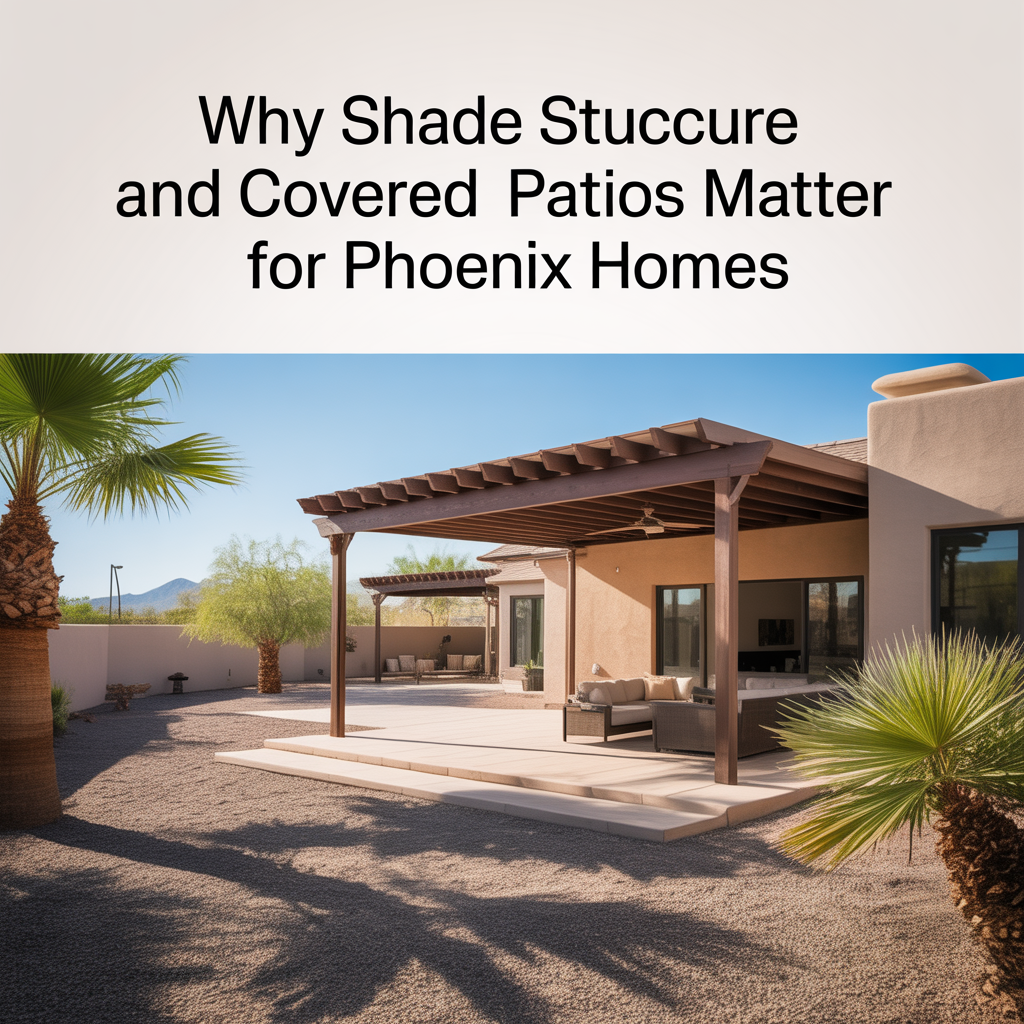
Why Shade Structures and Covered Patios Matter for Phoenix Homes
-

Cost of Living in Phoenix: Housing, Utilities, and Everyday Expenses
-

The Best Neighborhoods in Phoenix for Lifestyle, Schools, and Value
-

Homes for Sale in Phoenix Under $650K: Where Buyers Are Still Finding Deals
-
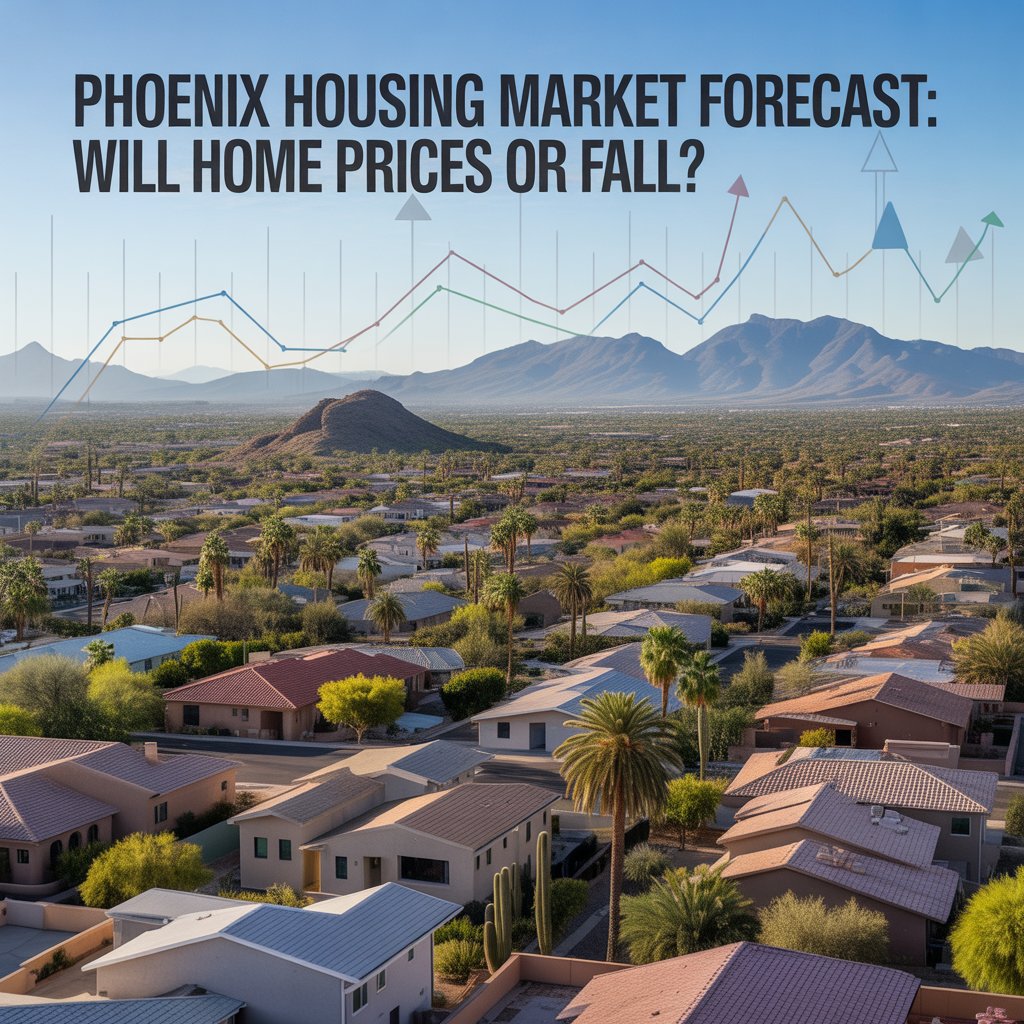
Phoenix Housing Market Forecast: Will Home Prices Rise or Fall?