


Chandler Lifestyle Guide → [Chandler Lifestyle Guide] & For more info on Chandler Real Estate → [Chandler Real Estate Guide]
Written by: Renee Burke
Selling a home in Chandler often feels like a big step, one that carries a mix of excitement and a few quiet worries about how long it might take. From my years walking families through this in neighborhoods like Ocotillo, Fulton Ranch, and Andersen Springs, I can tell you the timeline isn’t set in stone — it dances with market moods, your home’s readiness, and the season’s light. Right now, in early 2026, homes here are typically taking 55 to 75 days to find a buyer and go under contract, a gentle shift from the frenzy of years past, giving thoughtful sellers like you a bit more breathing room.
The Current Pace: 55-75 Days on Average
Across Chandler, the median days on market hovers around 62 days as of late 2025 data rolling into this year — meaning half the homes sell faster, half take a touch longer. Average days stretch to 70-86 in some reports, reflecting a market that’s balanced but still favors well-prepped properties. Hot listings — those with sparkling kitchens, pebble pools, or owned solar — can pend in 29-33 days, drawing multiple offers even now.
This pace feels right for our East Valley rhythm: Intel relocators browsing steadily, families timing school starts at Basha High, and snowbirds peeking in winter. It’s slower than the sub-30-day sprints of 2021, but quicker than national averages, thanks to Loop 202 access and Chandler’s job pulse. If your home shines, expect the shorter end; if it needs a refresh, budgeting extra time for tweaks pays off.
What Speeds Things Up: Spring and Fall Momentum
Timing weaves in deeply here. Late January through May often clips timelines to under 50 days, as buyers flood in before Chandler Unified’s calendar ticks forward — perfect 75° open houses under blooming citrus trees draw families dreaming of Tumbleweed Park summers. Early fall, September-October, mirrors that at 45-60 days: post-vacation energy, thinning competition, and motivated upgraders from Gilbert or Queen Creek.
Summer stretches to 80+ days with 110° heat chasing casual tours indoors, though evening showings and virtual walks keep momentum for priced-right gems in Strada or The Provinces. Winter quiets to 70-90 days, but cash-ready retirees love Andersen Springs ranches in our balmy 60s. No matter the window, your prep — staging that flows with desert light, pre-inspections — can shave weeks off.
Neighborhood Nuances Shape Your Timeline
Chandler’s pockets vary sweetly. Newer enclaves like Fulton Ranch or Layton Lakes move in 40-55 days, lured by resort pools and smart tech near Price Corridor jobs. Established spots like Ocotillo or central Chandler linger closer to 65-75 days unless the backyard oasis pops. South-end estates over $1M hold firm at 50-70 days, their San Tan views pulling execs despite bigger price tags.
Price it right to your comps — medians at $516K-$550K — and you’ll pend faster. Overpriced by 5%? Add 30 days. Updates like quartz islands or low-E windows signal “move-in magic,” cutting time across tiers.
Realistic Expectations and Gentle Prep
Picture this: a polished listing in The Springs, staged with soft blues echoing our sunsets, goes pending in 35 days with a clean offer. A dated ranch near Arizona Avenue, even charming, might take 85 if plumbing surprises pop up. Nationally softening rates nudge more browsers, but Chandler’s 2-2.4 months of inventory keeps it steady — not buyer-flooded, just purposeful.
Start with a market check: four weeks for minor fixes (fresh paint, epoxy garage floors), two for pro photos capturing golden-hour patios. Price thoughtfully, stage livably, and stay flexible on showings. Most close 30-45 days post-contract, landing you keys to your next chapter by summer’s end.
You’re not racing a clock here; Chandler rewards patience blended with polish. I’ve seen timelines bend beautifully when the home tells its story clearly.
If you’re thinking about making a move in Chandler — or anywhere in the greater Phoenix area — you don’t have to figure it out alone. Whether it’s gauging your home’s tempo or plotting those quick-win updates, I’d love to walk through it with you, honestly and at your pace.
Sometimes the best next step is simply a conversation about your timeline, the market’s gentle pulse, and how to make your sale feel smooth. When you’re ready, I’m here — to listen, to guide, and to help you step forward with complete confidence.
Get the full Phoenix Market Insights → [Market Insights]


-
Separating Lifestyle Spending From Homeownership Costs
-
How Usage Changes Monthly Ownership Costs
-

Planning Around Utility Cost Volatility
-
Why Variable Expenses Drive Most Budget Stress
-

Fixed Costs That Aren’t Actually Fixed
-
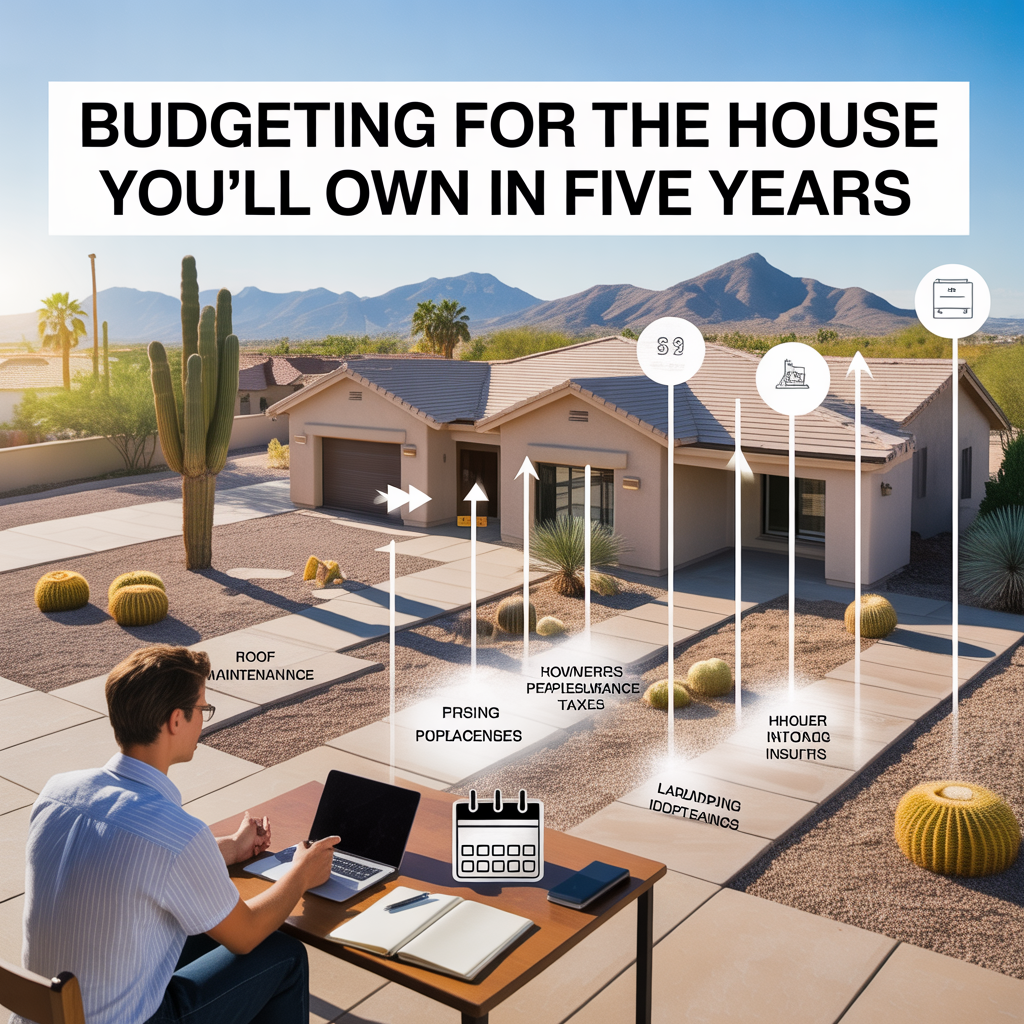
Budgeting for the House You’ll Own in Five Years
-

Why Ownership Cash Flow Feels Tighter Over Time
-
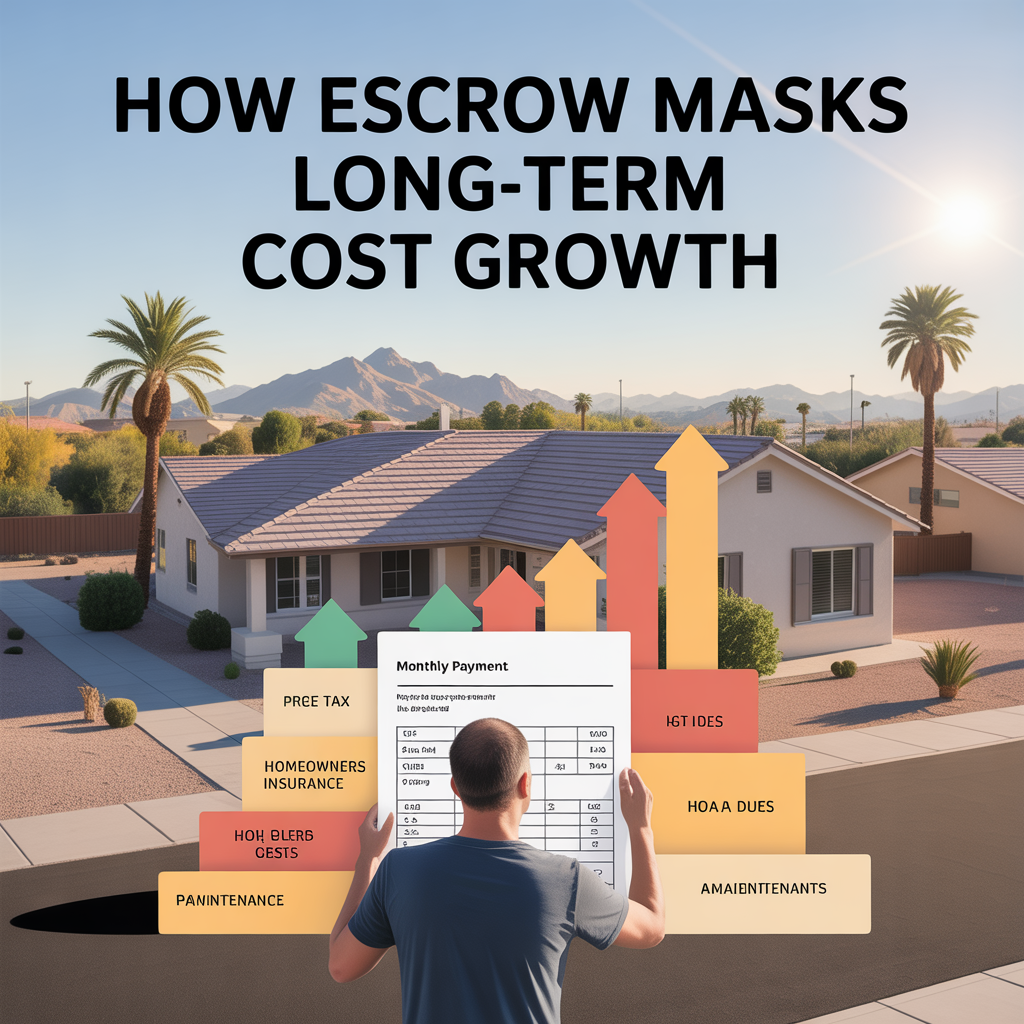
How Escrow Masks Long-Term Cost Growth
-

Why Your Mortgage Payment Isn’t Your True Housing Cost
-

Cross-Valley Trips: When They Feel Easy vs Heavy
-

Remote-Work Friendly Pockets in Glendale
-

School-Run Congestion Zones and Timing
-

Arterial Routing and “Daily Loop” Efficiency
-

State Farm Stadium and it’s Effect on Life and Property Value
-

Freeway Access as a Lifestyle Multiplier in Glendale
-

Event-Night Traffic Impacts and Avoidance Strategies
-

Weekday Commute Direction Tradeoffs From Glendale
-

Season Shifts in Outdoor Time in Glendale
-

Shade, Tree Cover, and Neighborhood Comfort
-

Dog and Kid Friendly Outdoor Routines
-

Trail Access That Feels Routine-Friendly
-

Sports Parks and Family Recreation Patterns
-

Map Proximity vs Summer Usability in Glendale
-

Daily-Use Parks vs Weekend Outdoor Trips
-

Top 10 “Date Night Out” Spots in Glendale