


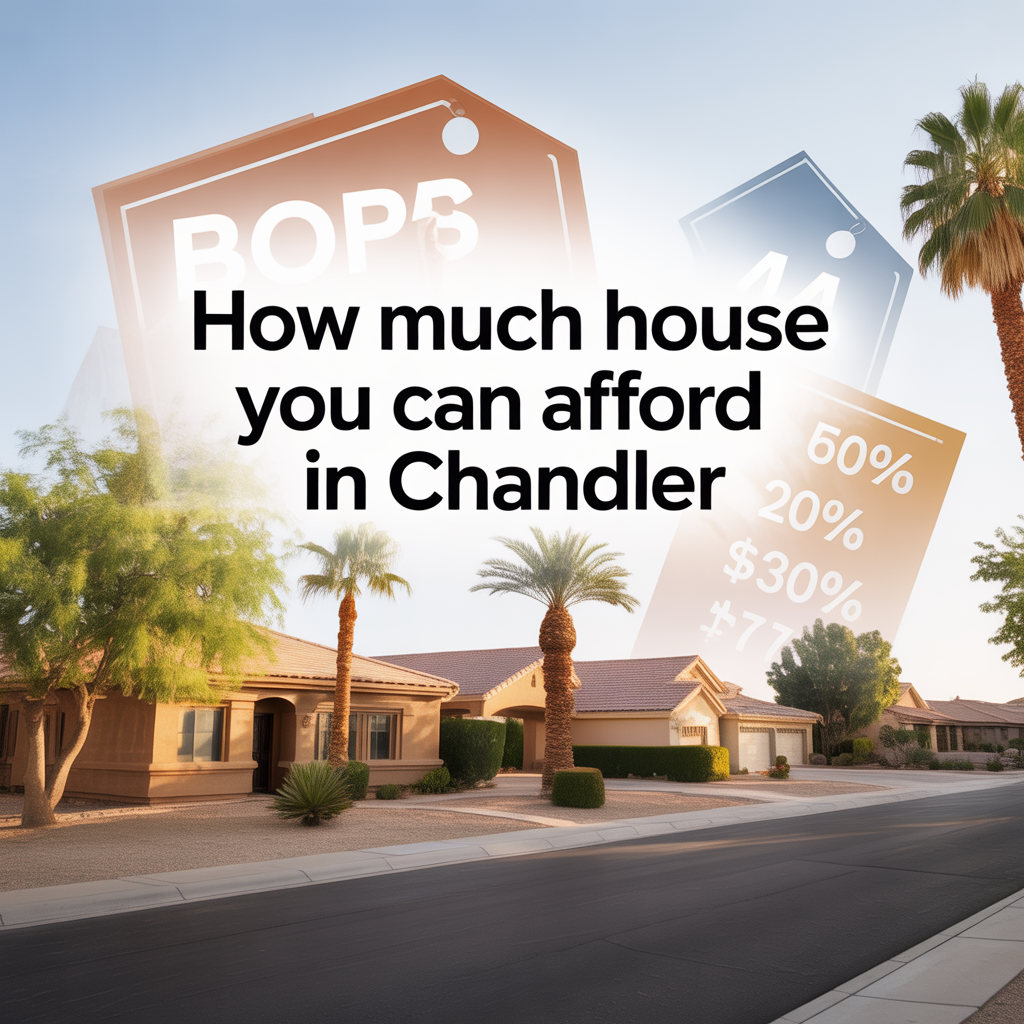
Chandler Lifestyle Guide → [Chandler Lifestyle Guide] & For more info on Chandler Real Estate → [Chandler Real Estate Guide]
Written by: Renee Burke
There’s a certain kind of calm that settles in when you drive through Chandler’s tree-lined neighborhoods on a warm evening. The scent of citrus, the hum of sprinklers, the desert light bouncing off the mountains — it’s easy to imagine your own home here. But before that dream starts to take shape, there’s one question every buyer eventually asks: How much house can I actually afford in Chandler?
It’s a question that deserves more than a calculator’s answer. Because in the Phoenix metro area — especially in Chandler — “affordability” isn’t just about income and numbers on paper. It’s about lifestyle, community priorities, and the rhythm of daily life that you want to sustain once you have the keys.
Understanding What “Affordability” Really Means Here
When people move to Chandler — whether relocating from out of state or from another part of the Valley — the first surprise is often how varied the market feels. In some pockets, a $600,000 home might mean a spacious single-level in Ocotillo backing up to a golf course. In others, that same budget might stretch further into something newer, tucked within a master-planned community near Riggs Road or Queen Creek.
So, when I talk about what you can “afford,” we start with what matters most to you. Yes, numbers matter — but Chandler’s diversity means choosing how you want to live comes first.
Do you want walkability to Downtown’s restaurants?
Space for a growing family or home office?
Or perhaps easy freeway access for a shorter commute?
I’ve watched too many buyers get caught up chasing a maximum approval number, only to realize later they’ve overcommitted for their lifestyle. The truth is, the right home is one that fits comfortably within both your financial picture and your daily rhythm.
Step One: Clarify Your Baseline Numbers
Let’s talk about the math — gently, and with some real-world context. Most lenders follow a 28/36 guideline: ideally, no more than 28% of your gross income goes toward housing and 36% toward total debt. On paper, that’s a starting point, not a rule carved in stone.
Here’s what that might look like. Suppose your household earns around $120,000 a year. Using traditional ratios, your monthly housing budget could be around $2,800 to $3,000. With today’s interest rates, down payment options, and property taxes in Chandler (which tend to be slightly lower than the national average), that could equate to a home price between $450,000 and $550,000.
But that’s just the foundation. Every buyer’s financial comfort zone is unique. Some families prefer to stay below that threshold to allow room for travel, dining, and weekend baseball games at Snedigar Park. Others might stretch a bit to get into their favorite school district or a neighborhood where homes rarely hit the market.
A good agent — someone who really understands Chandler — will help you balance those variables before you ever make an offer.
Step Two: Factor in the True Cost of Homeownership in Chandler
Chandler has a tremendous range of home styles, from early-2000s stucco builds to newly constructed smart homes with solar systems and energy-efficient upgrades. The age and design of a property can dramatically influence your monthly costs.
Here’s what to keep in mind:
- HOA fees. Many Chandler neighborhoods, especially those in Ocotillo or south of Chandler Heights, include homeowners associations. Fees can range from $50 to over $150 monthly depending on amenities.
- Utilities and cooling costs. Summer air conditioning remains a major variable. Modern builds with spray foam insulation or newer HVAC systems can save hundreds annually.
- Insurance premiums. Arizona home insurance is relatively moderate, but consider whether the property lies in a floodplain (like near the Gila River basin).
- Maintenance buffer. Always budget at least 1–2% of the home’s value annually for upkeep — roofs, landscaping, and pool service especially.
When buyers skip these secondary numbers, the “affordable” home quickly feels heavier than planned. Understanding these details from the beginning lets you choose confidently — no surprises, no stress.
Step Three: Local Lending and Down Payment Paths
Phoenix-area lenders, including those right here in Chandler, often offer special programs that aren’t widely advertised online. I’ve guided clients through everything from traditional 30-year fixed loans to down payment assistance programs for first-time buyers through the Arizona Department of Housing.
Something I always remind clients: you don’t have to wait until you have a full 20% down. Many buyers successfully purchase with 3–5% down when paired with solid credit, consistent income, and manageable debt. That flexibility helps keep your emergency savings intact — and that’s part of affordability too.
Local credit unions, such as Desert Financial or TruWest, sometimes have lower fees for metro-area buyers, so it’s worth comparing their numbers with a national lender before you start shopping seriously.
Step Four: Looking Beyond Price—The Chandler Lifestyle Equation
What makes Chandler unique isn’t just affordability—it’s value quality. The city has grown up around strong community hubs, exceptional schools, and an economy anchored by both tech and family-run businesses. Intel’s Ocotillo campus alone supports a steady influx of professionals, which keeps the market stable year-round, even when other parts of the Valley experience dips.
As you consider your budget, think in terms of return on lifestyle:
- Buying near Downtown Chandler might cost a bit more per square foot, but you’ll gain walkability and a built-in social scene.
- South Chandler may feel suburban, but you’ll get more modern construction, larger lots, and access to newer shopping centers like Chandler Crossroads.
- For golf enthusiasts or those drawn to lake communities, Ocotillo remains one of the Valley’s most picturesque and sought-after enclaves.
Every one of these choices carries its own “affordability flavor,” shaped by size, commute time, HOA lifestyle, and resale potential.
Step Five: Plan for the Long Game
Your buying decision in Chandler should consider tomorrow’s affordability, not just today’s. Home values here have historically shown steady growth, largely because of limited land supply and the city’s focus on maintaining its infrastructure and green spaces. That said, interest rates fluctuate and so does life — kids, job changes, market cycles.
Before my clients write an offer, I walk them through a few “what if” scenarios:
- What happens if rates rise another point before you refinance?
- If you were to lose one source of income temporarily, could you still manage comfortably?
- Does the neighborhood support increasing value if you plan to stay at least 5–7 years?
Thinking this way grounds your purchase in real security, not assumption.
What Chandler Buyers Are Facing Right Now
As of early 2026, median home prices in Chandler hover near $565,000, a modest rise over last year despite interest rate volatility. Inventory is improving gradually — enough that well-qualified buyers have more breathing room to negotiate repairs or closing costs than they did during the frenzy of 2021–2022.
The good news? Sellers are realistic, and appraisals are stabilizing. Buyers who’ve been waiting for the “perfect time” are finding that steady rates and a balanced market offer an opportunity to buy wisely without high-pressure bidding wars.
And because Chandler remains one of the most family-oriented and economically diverse cities in the East Valley, it continues to rank among the safest investments you can make in the Phoenix metro region.
The Emotional Side of “Affordability”
I’ve seen the moment a client stands in a Chandler backyard at sunset — the desert sky coloring the pool water shades of lavender and gold — and realize, this feels like home. That’s the side of affordability often left out of spreadsheets.
A truly “affordable” home lets you live well — to enjoy evening walks under mesquite trees, to send your kids to schools you trust, to host gatherings without anxiety about next month’s bills.
This isn’t about settling for less. It’s about choosing a life that feels right-sized for your goals and your peace of mind.
A Few Insider Tips from the Field
- Start with a trusted local lender. Out-of-state lenders often misread HOA and tax nuances in Arizona; local ones understand our desert-specific realities.
- Consider homes with energy upgrades. Solar leases, low-E windows, and variable-speed pool pumps truly make a difference in Chandler’s summer bills.
- Don’t underestimate commute value. Access to Loop 202 can transform your daily schedule — and that’s a form of affordability many buyers overlook.
- Ask about neighborhood comps, not just broad market averages. Chandler’s micro-markets shift street by street. Your agent should help you interpret that nuance.
These small insights can save thousands — or make you fall in love with the right home for the right reasons.
A Thoughtful Final Word
Choosing a home in Chandler is as much about self-trust as market timing. There’s prosperity and peace woven into this city — you see it in its parks, its local restaurants, and its sense of purpose. Whether your goal is a first home, a move-up, or a comfortable place to land after years in the Valley, understanding how much house you can afford is the very first step toward building the life you want here.
And you don’t have to figure any of it out alone.
If you’re thinking about making a move in Chandler or anywhere across the Phoenix metro area, reach out. I’ll walk with you through the numbers, the neighborhoods, and the details that matter — calmly, patiently, and with your future in mind.
Get the full Phoenix Market Insights → [Market Insights]


-

Pool Liability and Insurance in Phoenix
-

Protecting Outdoor Structures and Shade Systems
-

HVAC Failures and Insurance Coverage
-

Roof Maintenance for Phoenix Climate Conditions
-

Preventing Water Damage in Desert Landscapes
-

How Monsoon Storms Affect Phoenix Homes
-

Why Policy Structure Matters More Than Premium
-

Understanding Coverage Limits and Exclusions
-

What Personal Property Coverage Actually Includes
-

How Liability Coverage Protects Homeowners
-

Replacement Cost vs Market Value in Phoenix Insurance
-

Understanding Deductibles Before You Need Them
-

How Renovations Affect Insurance Coverage
-

When to Review Your Home Insurance Policy
-

Why Replacement Cost Matters in Phoenix Insurance Policies
-

When a House Truly Starts to Feel Like Home
-

How Phoenix Neighborhood Living Builds a Sense of Belonging
-

Why Stability Plays a Major Role in Long-Term Home Satisfaction
-

How Familiarity Changes the Experience of Living in a Home
-
Renovate or Move? Deciding What to Do When Your Phoenix Home No Longer Fits
-
How Lifestyle Changes Affect Space Needs in Phoenix Homes
-
Why Some Phoenix Homes Begin to Feel Too Large After Children Move Out
-
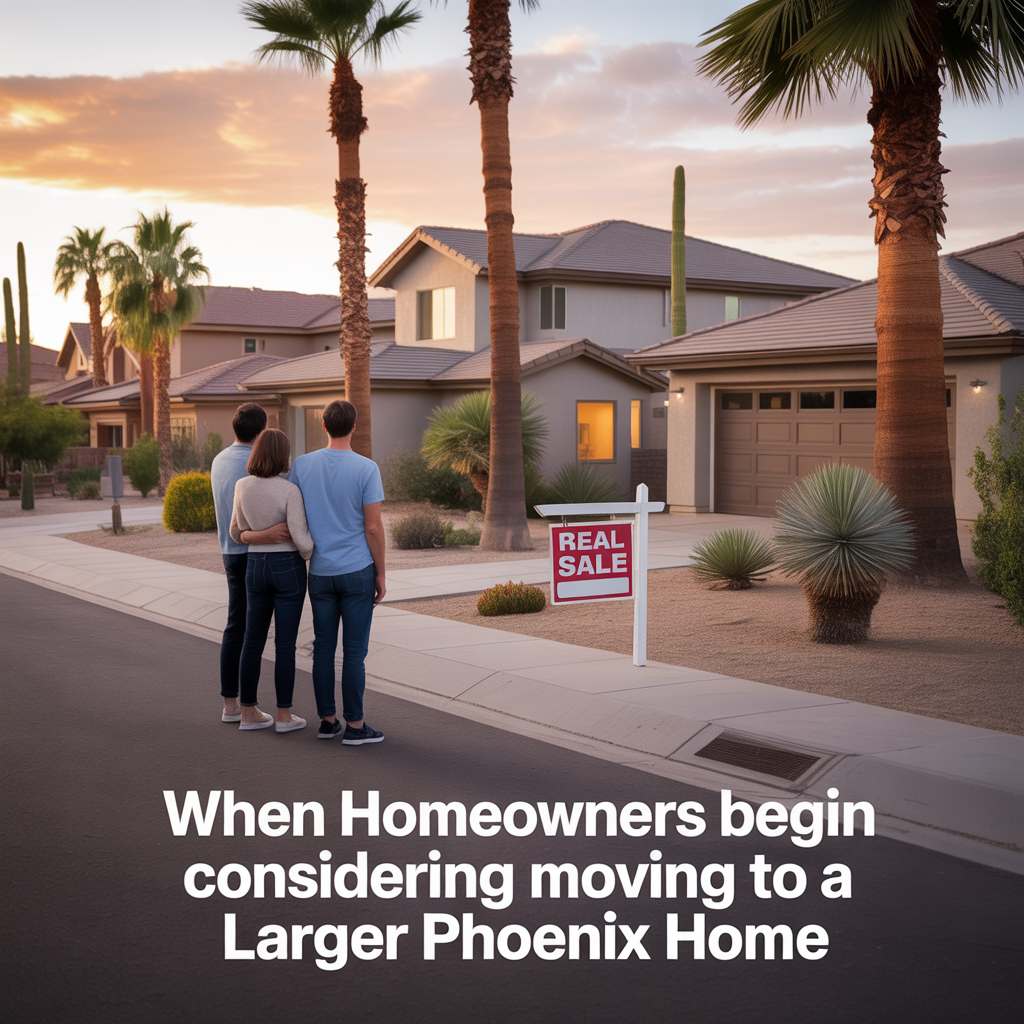
When Homeowners Begin Considering Moving to a Larger Phoenix Home
-

Signs Your Phoenix Home Is Starting to Feel Too Small for Your Family
-

How Desert Landscaping Evolves Over Years of Phoenix Homeownership