


Chandler Lifestyle Guide → [Chandler Lifestyle Guide] & For more info on Chandler Real Estate → [Chandler Real Estate Guide]
Written by: Renee Burke
Pricing your Chandler home right from the start is like setting the perfect table for guests — too high, and they linger without committing; just right, and they’re drawn in, ready to stay. I’ve helped so many families in neighborhoods like Fulton Ranch, Ocotillo, and The Provinces navigate this, watching overpriced gems sit through monsoons while sharp listings spark offers in weeks. In early 2026, with medians around $516K-$550K and homes taking 55-75 days, the key is blending data, your home’s story, and buyer psychology for a smooth path to pending.
Start with a Comparative Market Analysis (CMA)
The foundation is always a fresh CMA — not a guess, but a deep dive into recent sales within your pocket, like three months of closed comps within a half-mile. Look at true peers: same bedrooms/baths, square footage (±10%), lot size, and age. A 2,200 sq ft ranch in Strada with a pebble pool shouldn’t chase Fulton Ranch new-build prices.
Adjust thoughtfully: subtract $20K-$40K for dated kitchens, add for owned solar slashing SRP bills or extended patios hugging our Arizona light. Chandler’s price per square foot hums at $287-$290 right now, so a crisp 2,500 sq ft home lands around $725K if comps align. Zillow’s $516K typical value sets the baseline, but your updates and views shift it.
Price to Your Home’s Strengths, Not Wishes
Chandler buyers know their playground — Intel commutes, Basha High boundaries, Loop 202 ease. Highlight what moves them:
- Turnkey efficiency: Quartz islands, low-E windows? Price 3-5% above dated comps; they pend in 30-45 days.
- Backyard magic: Pebble spas, ramadas? Edge up if Ocotillo lagoons call.
- Flex spaces: Casitas, offices? Premium for hybrid families near Price Corridor.
Avoid the 10% “test the market” trap — it adds 30+ days and $10K-$20K off offers. In our 2-month supply world, 97-99% sale-to-list ratios reward realism. Starter central Chandler homes ($400K-$500K) sell at full pop; south estates ($1M+) hold firmer.
Tour Active Competition for the Edge
One of my favorite steps — and one you can do yourself — is touring 5-10 active listings in your neighborhood, like those popping up now in early February 2026 with 613 actives valley-wide, signaling more choices for buyers. Walk Fulton Ranch townhomes listed at $589K (2,235 sq ft, 4 beds) or Ocotillo estates at $2.5M+ (5 beds, 5,500+ sq ft pools), noting how their staging feels, lot vibes, and if prices match shine. A $549K open house on Wisteria Place (2,414 sq ft) or $1.26M Camellia gem with private pool shows the spectrum — underprice a comp’s flaws, premium your upgrades. This firsthand feel sharpens your CMA, revealing why one Strada 3-bed sits at $729K while another pends fast.
Time It with Market Pulse
Spring’s buyer rush (late Jan-May) pulls premiums — price to spark multiples. Fall’s quieter vibe favors slight edges for quick closes. Test 7-10 days: if showings hum without offers, drop 2%; stagnant traffic signals bigger tweaks. Virtual tours and golden-hour photos amplify reach across the Valley.
The Emotional Edge: Price for Connection
Buyers feel priced-in when your listing whispers “welcome home” — staged patios evoking San Tan sunsets, clean lines letting them dream. Pre-inspect to dodge hiccups, and you’re golden.
Rightly priced, your Chandler gem doesn’t just sell; it finds its family fast.
If you’re thinking about making a move in Chandler — or anywhere in the greater Phoenix area — you don’t have to figure it out alone. Whether it’s crafting your CMA or fine-tuning that list price, I’d love to map it out with you, honestly and at your pace.
Sometimes the best next step is simply a conversation about your home’s true value, the comps that matter, and how to invite the right offer. When you’re ready, I’m here — to listen, to guide, and to help you close this chapter with complete confidence.
Get the full Phoenix Market Insights → [Market Insights]


-

How the Phoenix Desert Climate Shapes Everyday Life Inside the Home
-

How Phoenix Weather Patterns Shape Everyday Home Routines
-
Why Homes Often Feel More Comfortable After the First Year of Ownership
-
How Living in Phoenix Changes the Way Homeowners Use Their Homes
-
What New Phoenix Homeowners Learn During Their First Year of Ownership
-

How Daily Life Changes After the First Year of Living in a Phoenix Home
-
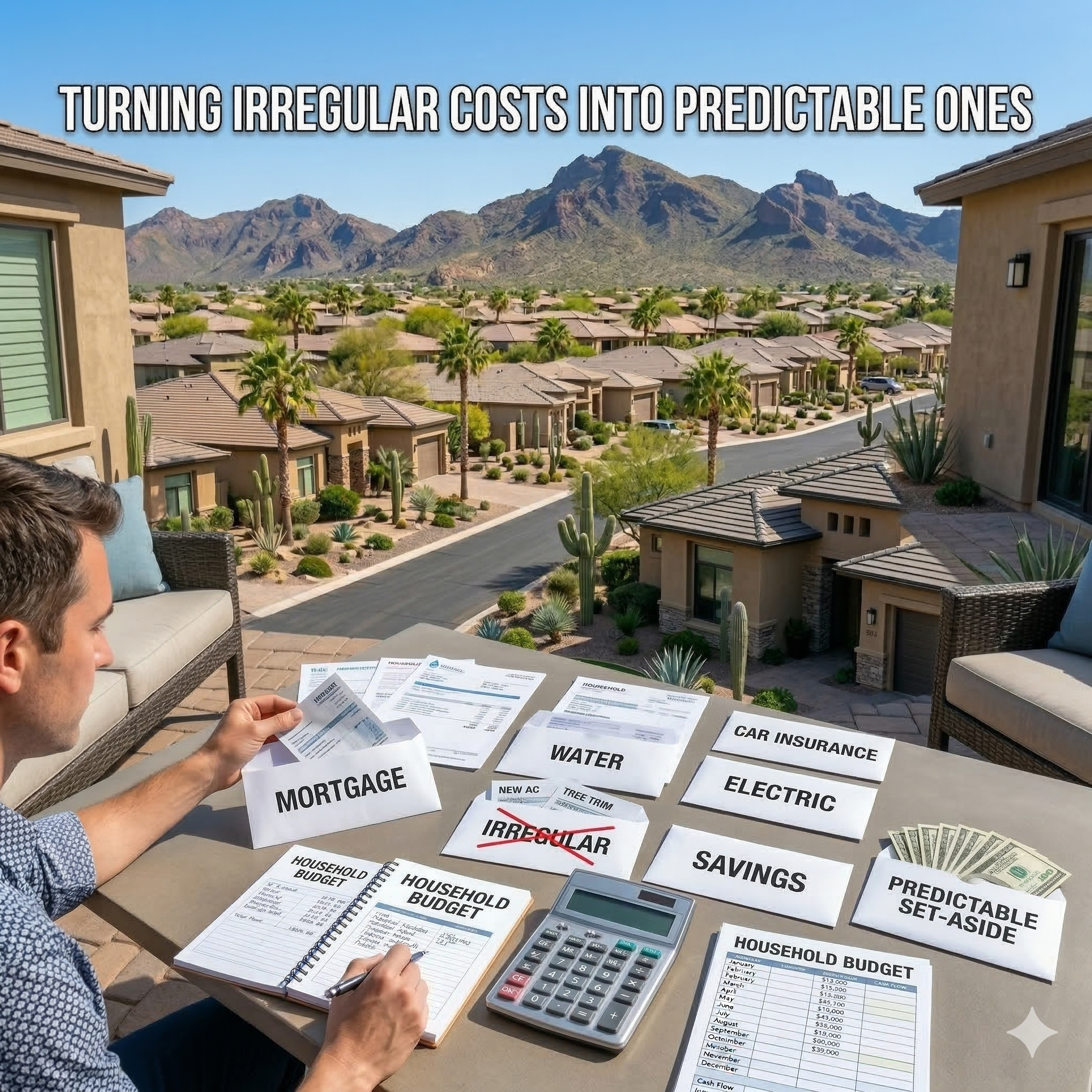
Turning Irregular Costs Into Predictable Ones
-

Budgeting for Ongoing Ownership
-
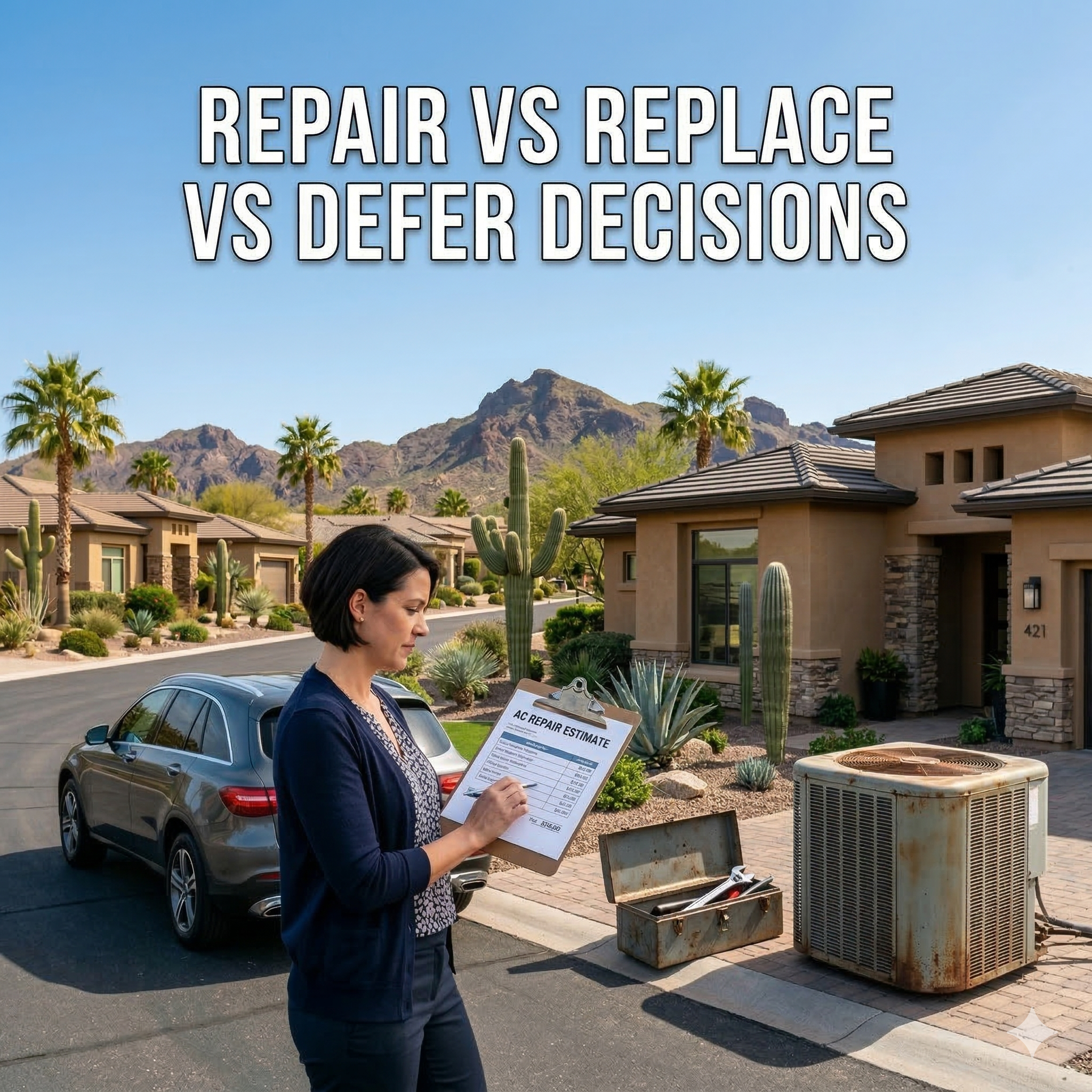
Repair vs Replace vs Defer Decisions
-

Planning Homeownership Like a Long-Term Asset
-

What Home Expenses You Can Safely Delay
-

Stopping Cost Creep Early
-

Cash Flow vs Net Worth Stress
-

Why “It’s Not That Much” Adds Up
-

Warning Signs Your Ownership Budget Is Tightening
-

The Cumulative Cost of Small Home Repairs
-

Designing Budgets Around Local Conditions
-
Utility Costs Over Time in Desert Climates
-

Insurance Increases Explained for Arizona Homeowners
-

How Inflation Impacts Phoenix Homeownership Costs
-

Avoiding Debt-Driven Homeownership Decisions
-

Replacing Systems on Your Timeline
-

Why Emergency Repairs Cost More
-

Timing Major Expenses Without Financial Shock
-

How Much to Keep in a Phoenix Home Reserve Fund