



Chandler Lifestyle Guide → [Chandler Lifestyle Guide] & For more info on Chandler Real Estate → [Chandler Real Estate Guide]
Written by: Renee Burke
That’s a lovely concept — a calm, intimate, and trustworthy voice that reflects local expertise in Chandler’s real estate market. Here’s an article written in that voice and structure, following your instructions closely.
Is Chandler Real Estate a Good Long‑Term Investment?
By Renee Burke, Phoenix‑area Real Estate Advisor
If you’ve spent any time exploring the Southeast Valley lately, you’ve probably caught yourself wondering what makes Chandler so special. Maybe it’s the clean, tree-lined streets or the way downtown Chandler still feels like a small town even as the skyline near Price Corridor hints at something bigger. People here like to say Chandler has “grown up nicely,” and I couldn’t agree more. But behind the restaurants, parks, and tech campuses is a larger question that every thoughtful buyer eventually asks: Is Chandler real estate still a smart long‑term investment?
I’ve been helping families, professionals, and retirees move in and out of Chandler for years, and I can tell you — this city has proven to be one of the Phoenix metro’s most stable, balanced markets. It’s not immune to economic cycles, of course, but Chandler tends to hold its value and recover faster than many neighboring communities. Let’s talk about why.
Chandler’s Economic Backbone: Strength in Diversity
The strength of Chandler’s housing market starts with its job base. Unlike some Arizona cities that rely heavily on tourism or seasonal industries, Chandler is anchored by a highly diversified economy. Tech giants like Intel, Microchip, NXP, and Northrup Grumman provide thousands of high‑wage jobs, drawing in engineers, IT specialists, and professionals who want to live close to work.
These workers bring a steady paycheck and long‑term housing demand — a critical foundation for real estate stability. Over the years, Intel’s expansions alone have created ripple effects across Chandler: new restaurants, better schools, improved roadways, and a sense of civic confidence that fuels reinvestment.
The other piece people often overlook is Chandler’s growing base of small to mid‑sized businesses — the kind of companies that aren’t flashy but provide long‑term job consistency. This mix cushions the city against downturns and ensures that housing demand doesn’t depend on one single industry.
Lifestyle That Holds Its Value
Numbers and job data tell one story, but lifestyle tells another. Chandler offers something that’s surprisingly rare: it’s family‑friendly without feeling suburban in a cookie‑cutter way. Residents can stroll through downtown’s locally owned shops, catch live music at the Downtown Stage, or relax at The Ostrich or Hidden House for an evening cocktail — all with a sense of community that feels authentic, not manufactured.
Great schools — both public and charter — are another reason homes here keep their value. Parents consistently cite Chandler Unified School District as a deciding factor when buying, and in the long term, good schools are one of the strongest drivers of price stability.
Then there’s the city’s planning. Chandler has invested in parks, trails, and recreation centers that actually get used. From Veterans Oasis Park with its bird‑watching trails to Tumbleweed Recreation Center’s weekend bustle, outdoor life is integrated into the rhythm of the city. Those amenities aren’t just lifestyle perks; they’re long‑term equity builders.
The Market: Then, Now, and Ahead
To judge a market’s long‑term potential, you have to look at how it behaves under stress. During the 2008 housing downturn, Chandler certainly felt the impact — but the recovery came earlier and stronger compared to much of the Valley. Investors and homeowners both regained confidence more quickly because the fundamentals here were solid: job growth, location, schools, and infrastructure.
Fast‑forward to recent years, and the city continues to perform with remarkable resilience. While home prices cooled slightly after the rapid pandemic‑era run‑up, Chandler’s median values have remained above pre‑2020 levels, and demand is stable, especially in neighborhoods within 10–15 minutes of the Price Corridor. Buyers who purchased even five years ago are sitting on healthy equity positions, and vacancy rates remain low.
Looking forward, Chandler’s real estate value will likely benefit from two trends:
- Ongoing high‑tech expansion — Intel’s new fabrication plants and continued private‑sector development will sustain job creation.
- Limited available land — Chandler is almost fully built out. That scarcity of new buildable lots naturally supports long‑term price appreciation, particularly in well‑established neighborhoods like Ocotillo, Andersen Springs, and Fulton Ranch.
The takeaway? Chandler may no longer be the “hidden gem” it once was, but that’s exactly what makes it reliable. It’s moved from speculative territory into mature, steady growth — the kind that investors and homeowners alike can count on.
For Investors: Steady Beats Flashy
If you’re viewing Chandler primarily through an investment lens, understand this: you’re not looking at a “get rich quick” market. Rents don’t double overnight, and appreciation won’t skyrocket year after year. But what Chandler offers — and what many investors value most — is predictability.
Rental demand here is consistent, fueled by professionals wanting clean, low‑maintenance homes near work and good schools. Even smaller townhomes hold strong appeal because tenants often stay for years. Vacancy rates tend to be low, and properties that are well‑maintained almost always find tenants quickly.
Cap rates aren’t as high as emerging fringe cities, but your risk is lower. In other words, you trade a bit of yield for less volatility and smoother long‑term returns. That’s especially appealing for retirees looking to balance stability and steady cash flow, or families investing in a future home for their college‑aged kids to eventually occupy.
A good way to think about it: Chandler tends to perform like a blue‑chip stock — not always exciting, but reliably strong when you zoom out over time.
For Homeowners: Quality of Life Pays Dividends
If your investment is also your home, the return isn’t just about resale value. Chandler’s day‑to‑day livability brings its own kind of ROI. Commuter access via Loop 101 and 202 makes it easy to reach Scottsdale, Tempe, or downtown Phoenix, yet you can come home to quieter neighborhoods where kids bike to nearby parks and people actually wave at their neighbors.
That mix of accessibility and comfort is what keeps long‑term demand so strong. Homeowners who bought a decade ago often tell me they wouldn’t dream of leaving unless they had to — and that loyalty among residents adds another layer of market stability.
The rise of remote and hybrid work has also been kind to Chandler. Plenty of buyers now prioritize home offices, backyards, and community amenities over proximity to a downtown high‑rise. Chandler naturally fits that lifestyle preference. As more professionals relocate from out of state seeking balanced Arizona living, this city continues to check all the right boxes.
Common Concerns and Misconceptions
I often hear two main hesitations from buyers considering Chandler:
- “Have prices already peaked?”
It’s a fair question. After such rapid appreciation earlier this decade, many wonder if they’re buying at the top. The truth? While prices have stabilized, Chandler’s value retention potential remains robust because of limited supply and enduring demand. You might not see double‑digit annual jumps anymore, but well‑chosen properties will likely appreciate steadily over time. - “Is there still room for growth if the city’s mostly built out?”
Absolutely. While new construction land is limited, that doesn’t mean opportunities are gone. Infill redevelopment, modern renovations, and higher‑end resale neighborhoods are driving the next wave of value growth. Buyers seeking character and community — not just square footage — are drawn to established pockets that have matured beautifully.
These concerns are normal. The key is to zoom out, see the full picture, and remember that real estate rewards patience.
Signs Chandler Is Built for the Long Haul
- Strong local economy anchored by tech and small business.
- Excellent schools and amenities that attract long‑term residents.
- Thoughtful city planning that supports lifestyle and value retention.
- Limited new land leading to sustained upward pressure on demand.
- Cultural balance — Chandler feels modern but never loses its community charm.
That combination makes it uniquely resilient — especially compared to cities that depend too heavily on speculative growth.
A City with Staying Power
When I think about Chandler’s future, I see a community that knows how to evolve without losing its core. The city keeps adding restaurants, cultural events, and neighborhood upgrades, yet it still manages to feel grounded — the kind of place where your investment feels both personally fulfilling and financially sound.
In real estate, “safe” doesn’t mean stagnant. It means your money — and your life — are built on something that lasts. For countless families and investors alike, Chandler represents exactly that.
A Thoughtful Next Step
If you’re thinking about buying, selling, or investing in Chandler, you don’t have to figure it out alone. Every property and every situation is unique, and that’s where having a trusted local guide can make all the difference. I’ve spent years studying this market from the inside — not just the numbers, but the neighborhoods, schools, and day‑to‑day rhythms that shape real value.
I’d love to help you explore your options and build a plan that fits your goals with confidence and calm.
Get the full Phoenix Market Insights → [Market Insights]


-

How the Phoenix Desert Climate Shapes Everyday Life Inside the Home
-

How Phoenix Weather Patterns Shape Everyday Home Routines
-

Why Homes Often Feel More Comfortable After the First Year of Ownership
-

How Living in Phoenix Changes the Way Homeowners Use Their Homes
-
What New Phoenix Homeowners Learn During Their First Year of Ownership
-

How Daily Life Changes After the First Year of Living in a Phoenix Home
-
Turning Irregular Costs Into Predictable Ones
-

Budgeting for Ongoing Ownership
-
Repair vs Replace vs Defer Decisions
-

Planning Homeownership Like a Long-Term Asset
-

What Home Expenses You Can Safely Delay
-

Stopping Cost Creep Early
-

Cash Flow vs Net Worth Stress
-
Why “It’s Not That Much” Adds Up
-

Warning Signs Your Ownership Budget Is Tightening
-

The Cumulative Cost of Small Home Repairs
-
Designing Budgets Around Local Conditions
-
Utility Costs Over Time in Desert Climates
-

Insurance Increases Explained for Arizona Homeowners
-
How Inflation Impacts Phoenix Homeownership Costs
-

Avoiding Debt-Driven Homeownership Decisions
-

Replacing Systems on Your Timeline
-

Why Emergency Repairs Cost More
-

Timing Major Expenses Without Financial Shock
-
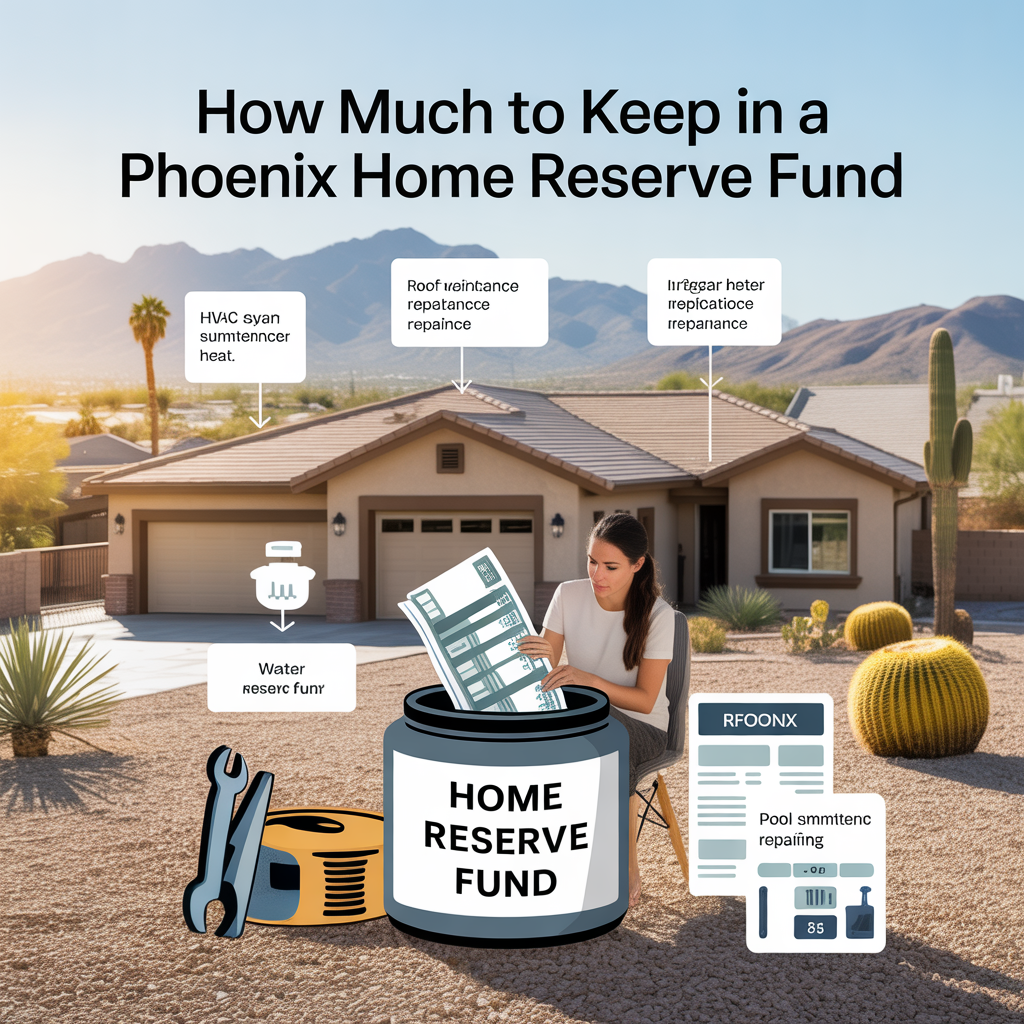
How Much to Keep in a Phoenix Home Reserve Fund
Get the full Phoenix Market Insights → [Market Insights]
-
How the Phoenix Desert Climate Shapes Everyday Life Inside the Home
-
How Phoenix Weather Patterns Shape Everyday Home Routines
-
Why Homes Often Feel More Comfortable After the First Year of Ownership
-
How Living in Phoenix Changes the Way Homeowners Use Their Homes
-
What New Phoenix Homeowners Learn During Their First Year of Ownership
-
How Daily Life Changes After the First Year of Living in a Phoenix Home
-
Turning Irregular Costs Into Predictable Ones
-
Budgeting for Ongoing Ownership
-
Repair vs Replace vs Defer Decisions
-
Planning Homeownership Like a Long-Term Asset
-
What Home Expenses You Can Safely Delay
-
Stopping Cost Creep Early
-
Cash Flow vs Net Worth Stress
-
Why “It’s Not That Much” Adds Up
-
Warning Signs Your Ownership Budget Is Tightening
-
The Cumulative Cost of Small Home Repairs
-
Designing Budgets Around Local Conditions
-
Utility Costs Over Time in Desert Climates
-
Insurance Increases Explained for Arizona Homeowners
-
How Inflation Impacts Phoenix Homeownership Costs
-
Avoiding Debt-Driven Homeownership Decisions
-
Replacing Systems on Your Timeline
-
Why Emergency Repairs Cost More
-
Timing Major Expenses Without Financial Shock
-
How Much to Keep in a Phoenix Home Reserve Fund