



Mesa Lifestyle Guide → [Mesa Lifestyle Guide] & For more info on Mesa Real Estate → [Mesa Real Estate Guide]
Written by: Renee Burke
Is Mesa a Good Place to Buy a Home Right Now?
I get asked this question more often than you might think—especially now, as the Phoenix metro continues to settle into this new rhythm after years of such rapid change. If you’re weighing a move to Mesa, the answer isn’t a simple yes or no; it’s about whether this moment aligns with your life stage, your budget, and the kind of home where you can truly put down roots. Let me walk you through what I’m seeing on the ground here in early 2026, so you can feel clear and confident about your next steps.
Mesa has always been that steady, reliable choice in the East Valley—a place that rewards patient buyers with strong value and a lifestyle that grows with you. Right now, the market feels balanced in a way it hasn’t for a while: more inventory than we’ve had, prices holding firm without frenzy, and a sense that good homes are available if you know where to look. It’s not the wild seller’s market of a few years back, nor is it cooling off dramatically. It’s just… right for those ready to commit.
The Current Pulse of Mesa’s Market
Let’s start with the numbers, because they tell such a grounded story. Median home prices in Mesa are hovering in the mid-$460,000s—say, $465,000 to $473,000 depending on the neighborhood and time of month you check. That’s up a modest 2-3% from last year, which feels healthy without being overheated. Homes are taking about 60-62 days to go under contract, giving buyers like you real time to tour, compare, and negotiate without the pressure of multiple-offer pileups.
Inventory is the quiet star here. We’re seeing a gentle uptick—around 3 to 3.5 months of supply—which puts us squarely in neutral territory. Sellers are pricing thoughtfully, and buyers are walking away with concessions more often than not. Price per square foot sits around $258, stable enough that you’re getting genuine space for your investment. It’s a market that favors preparation: get pre-approved, know your must-haves, and you’ll find yourself in a strong position.
What I love about this snapshot is how it reflects Mesa’s character. No hype, no panic—just steady opportunity for families, professionals, and retirees who want East Valley living without stretching every dollar.
Why Mesa Feels Like the Right Move Today
There’s something reassuring about buying into a place like Mesa when the market allows you to breathe. Here’s why I’d gently encourage serious buyers to lean in right now:
- Unmatched Value in the East Valley. Compared to Gilbert or Chandler, you’re getting larger lots, more square footage, and newer builds—especially as you head east toward Eastmark, Las Sendas, or the Red Rock areas. That mid-$400K range buys you a 2,000+ square foot home with a pool potential or mountain views, where neighbors pay 20-30% more for similar setups just a few miles west.
- Long-Term Appreciation You Can Count On. Mesa’s growth isn’t flashy, but it’s consistent. With anchors like Boeing, Banner Health, and ASU Polytechnic drawing jobs, plus the ongoing Eastmark and Cadence developments, values here climb reliably—think 4-5% annually through 2026 and beyond. It’s the kind of equity build that lets you sleep soundly.
- Lifestyle Integration. This isn’t just about the house; it’s the full package. Light rail connects you to Tempe and beyond, the Superstition Freeway (60) and Loop 202 make commutes manageable, and you’re minutes from Usery trails or Salt River tubing. Schools in districts like Mesa Public and Chandler Unified remain top-tier, pulling families eastward year after year.
- Rental Strength for Investors. If you’re thinking hybrid—live now, rent later—Mesa’s demand from young professionals and snowbirds keeps vacancy low and yields solid, around 5-6% in many pockets.
I’ve walked countless clients through closings here, and what stands out is how Mesa rewards those who buy for the long haul. It’s not about flipping; it’s about a home that appreciates as your life does.
The Honest Realities to Weigh
Of course, no market is without its nuances, and I’d never want you navigating this without the full picture. Here are the considerations that keep things real:
- The Pace Feels Slower—And That’s Double-Edged. Sixty days on market means you have time, but it also signals some softening. If rates dip later this year (as many expect), competition could pick up. Act from strength now, not hesitation.
- Neighborhood Variability. West Mesa’s older ranch homes—charming, yes, but often needing HVAC or roof refreshes—come at a discount but require a home inspection eagle eye. East Mesa’s newer stock shines brighter for turnkey moves.
- Affordability Pressures. With rates in the mid-6s, monthly costs add up. A $465K home at 6.5% means about $3,000 principal and interest, plus taxes and insurance. It’s doable for dual-income households, but run your numbers carefully.
- Summer Timing. Inventory often swells post-summer as snowbirds list, but prime family homes move faster in cooler months. If you’re flexible, late spring could offer even more choices.
These aren’t red flags—they’re the thoughtful trade-offs that make Mesa such a smart, livable choice over flashier alternatives.
Breaking Down the Numbers
To make it even clearer, here’s how key metrics stack up right now:
| Metric | Early 2026 Value | Year-Over-Year Change | What It Means for You |
|---|---|---|---|
| Median Sale Price | $465K-$473K | +2.2-2.3% | Steady growth, great entry value |
| Days on Market | 61-62 days | Up from 53 | Time to negotiate without rush |
| Price/Sq Ft | ~$258 | -1.9% | More house per dollar |
| Active Inventory | 3-3.5 months supply | Rising slightly | Balanced—buyer-friendly |
| Sale-to-List Ratio | 98% (2% below) | Stable | Room for concessions |
These figures come from the front lines—daily MLS updates, client feedback, and lender reports I track closely.
Who Thrives Buying in Mesa Now?
Mesa calls to specific hearts: growing families eyeing spacious East Mesa schools, active retirees in golf enclaves like Las Sendas or Fountain of the Sun, remote workers who want yard space without a long haul to Phoenix hubs, and savvy investors building portfolios amid population influx.
If you crave Scottsdale polish or Tempe nightlife, look elsewhere. But if rooted community, desert sunrises, and value that lasts generations sound like home—this is your spot.
My Gentle Advice from the Trenches
Start by driving it yourself: Dobson Ranch to Sossaman, sunrise to sunset. Feel the shift from historic charm to modern master-plans. Partner with a local like me for off-market gems and negotiation know-how. And above all, get your financing locked—rates won’t drop overnight, but opportunities like this window won’t linger forever.
Mesa right now is that rare sweet spot: affordable enough to enter, promising enough to stay. I’ve seen it play out for so many families, and it warms me to guide the next.
If you’re thinking about making a move in the Phoenix area, you don’t have to figure it out alone. I’m here with the local insight, the patient ear, and the experience to help you find exactly the right fit—whether it’s Mesa or somewhere nearby. Reach out when you’re ready; let’s chat about your story and make your next chapter feel just right.
Get the full Phoenix Market Insights → [Market Insights]


-

Signs Your Phoenix Roof Needs Inspection or Repair
-
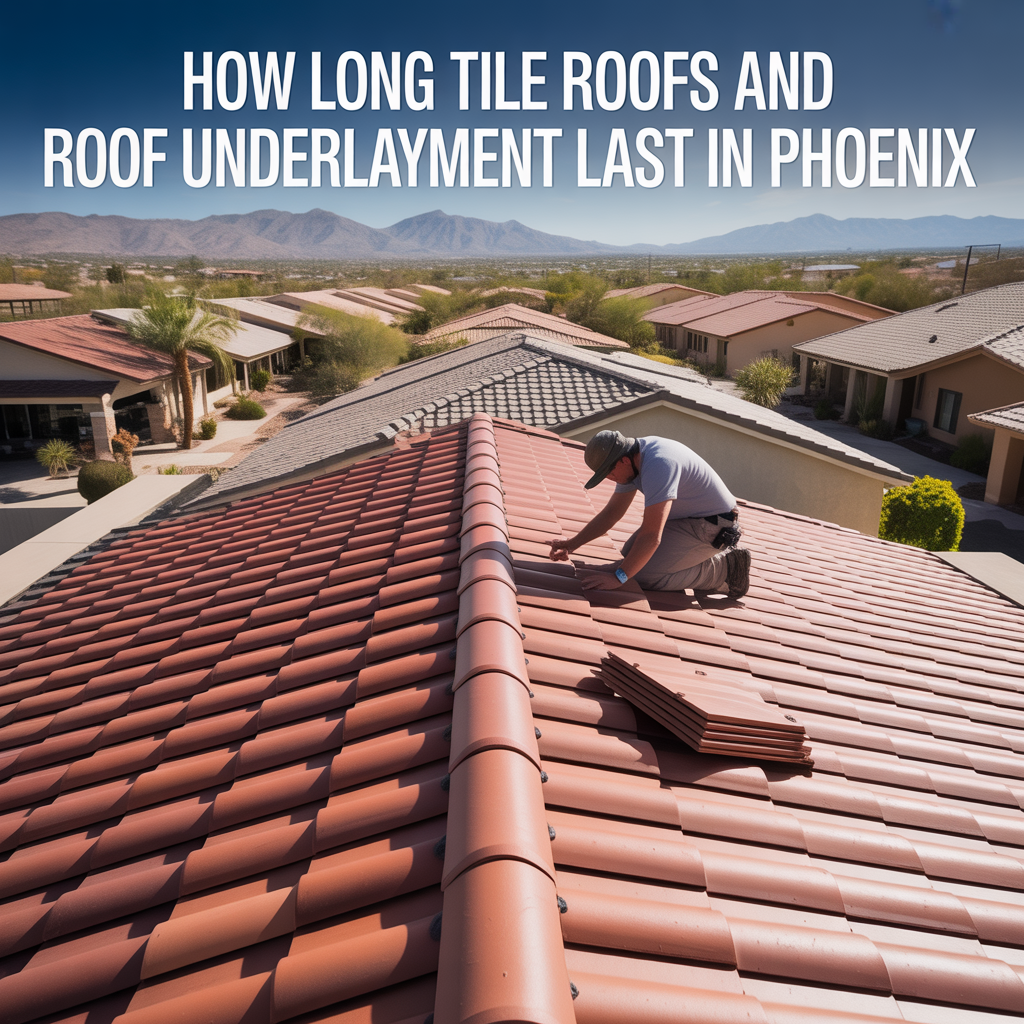
How Long Tile Roofs and Roof Underlayment Last in Phoenix
-

How Smart Thermostats Improve Cooling Efficiency in Arizona Homes
-

Why AC Systems Struggle During Extreme Phoenix Heat Waves
-
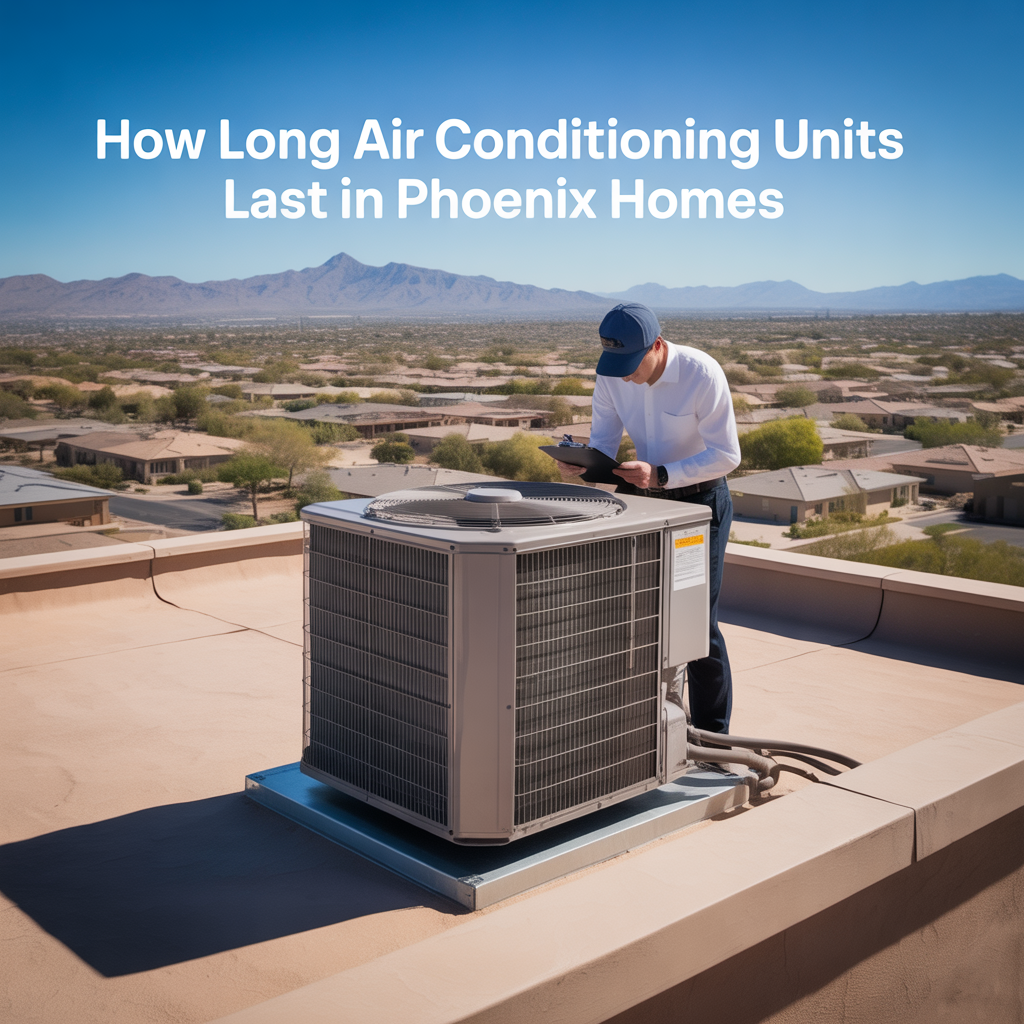
How Long Air Conditioning Units Last in Phoenix Homes
-

Warning Signs Your Air Conditioner Is About to Fail
-

How Often Phoenix AC Systems Need Maintenance
-
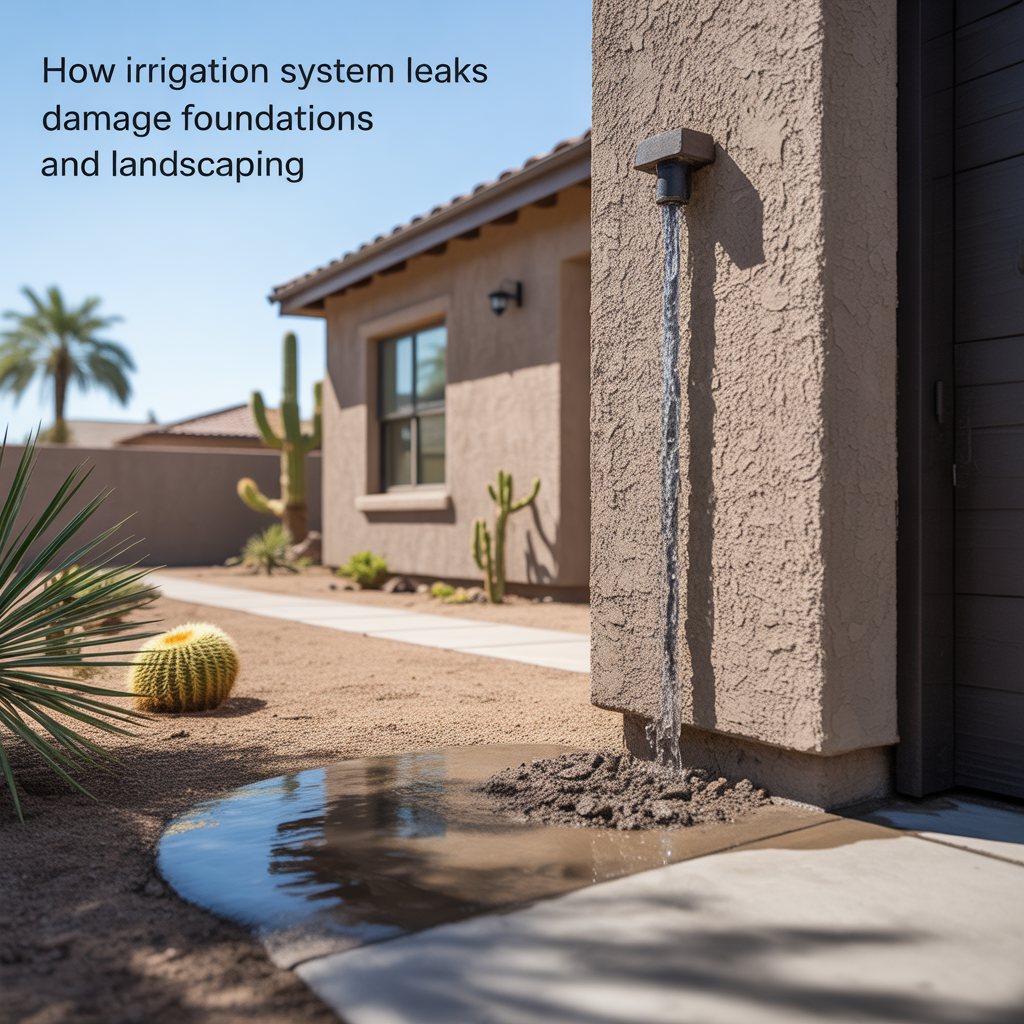
How Irrigation System Leaks Damage Foundations and Landscaping
-
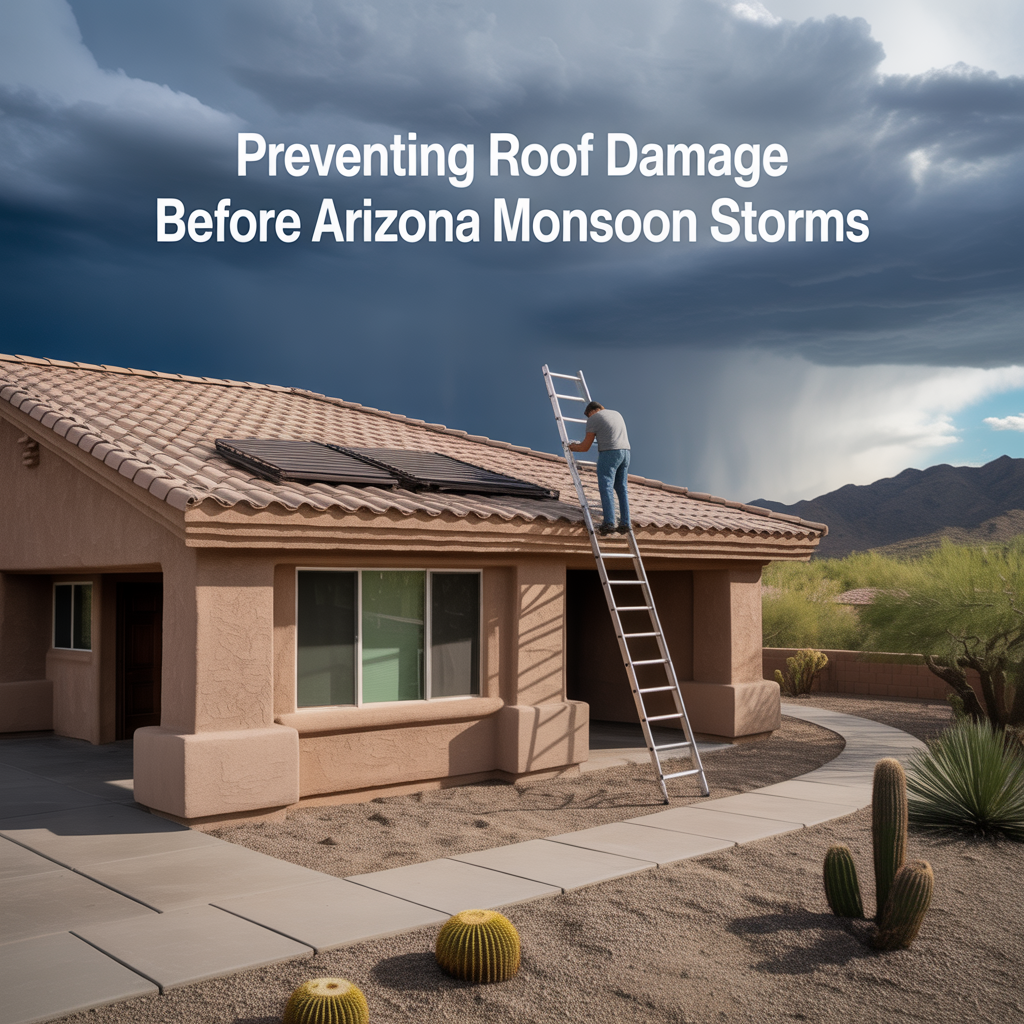
Preventing Roof Damage Before Arizona Monsoon Storms
-
Why AC Tune-Ups Are Critical for Phoenix Homes
-

What Homeowners Should Inspect Before Phoenix Summer Heat Arrives
-
Seasonal Home Maintenance Checklist for Phoenix Homeowners
-
How UV Exposure Damages Exterior Paint, Stucco, and Sealants
-

How Extreme Heat Shortens the Lifespan of Home Systems
-

Why Phoenix Roofs Wear Out Faster Than Many Other Cities
-
How Long AC Units Typically Last in Phoenix Homes
-
Building a Long-Term Protection Strategy
-
How Small Repairs Prevent Larger Problems
-

Protecting Older Phoenix Homes
-
Warning Signs of Hidden Home Risks
-

Preventative Maintenance That Reduces Insurance Claims
-

Reducing Liability Exposure Around Your Property
-

Liability Coverage Limits Explained
-

When Umbrella Insurance Makes Sense
-

Protecting Yourself From Guest Injury Claims