


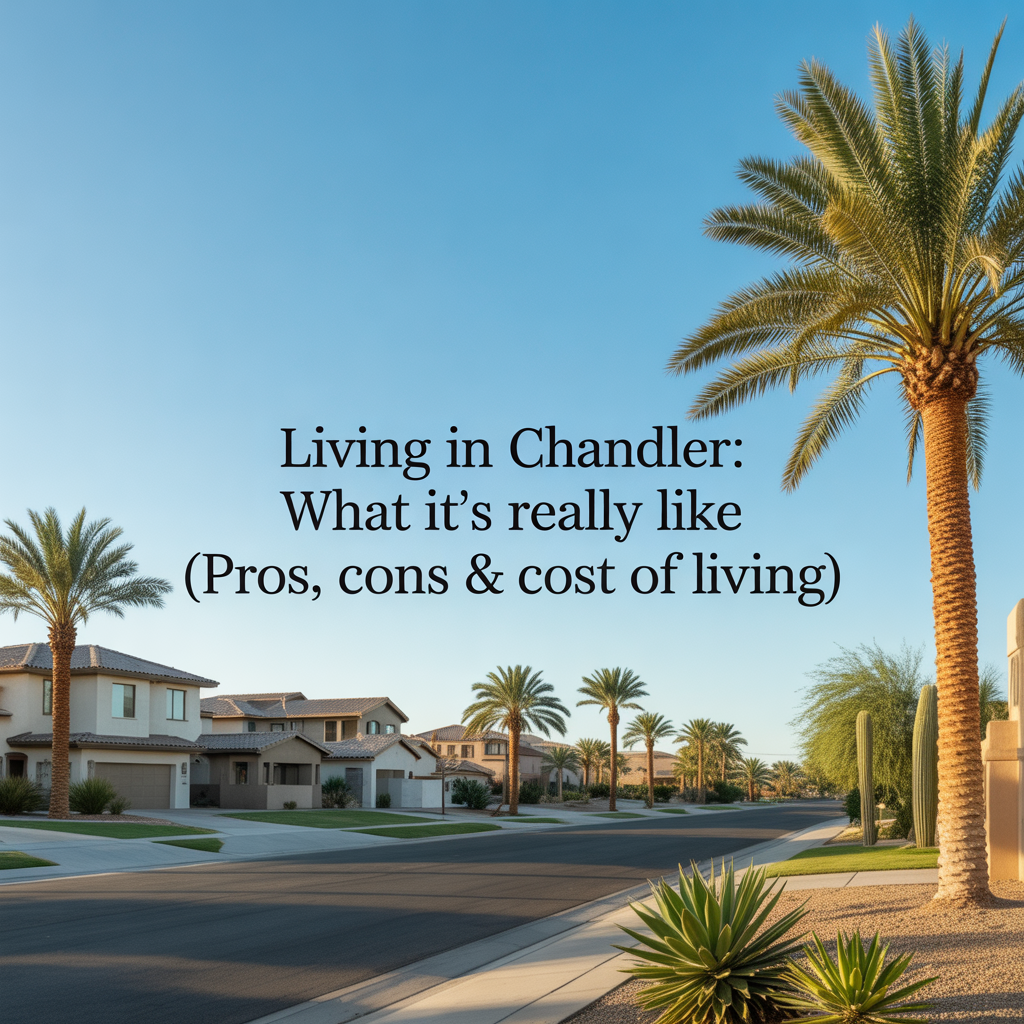
Chandler Lifestyle Guide → [Chandler Lifestyle Guide] & For more info on Chandler Real Estate → [Chandler Real Estate Guide]
Written by: Renee Burke
Chandler offers a balanced East Valley lifestyle where families and professionals find roots amid sunny skies and suburban charm, though like any desert gem, it comes with trade-offs in heat and hustle. I’ve guided countless folks through settling here in the Phoenix metro, and the truth is, it suits those craving community without big-city chaos—think tree-lined lakes in winter, misted patios in summer, all woven into neighborhoods that feel like home from day one.
Top Pros of Chandler Life
Chandler shines brightest in its family-friendly vibe and job stability. Excellent schools like Knox Gifted Academy and Basha High draw top marks statewide, with safe playgrounds at Tumbleweed Park hosting soccer leagues year-round. Intel’s massive campus anchors tech jobs north of Warner Road, keeping unemployment low around 3% and median household incomes near $110,000—plenty for comfortable living.
Outdoor rhythms adapt beautifully: winter mornings stretch to all-day Paseo Trail bikes, Ocotillo lakes glimmer for sunset SUP, while summer evenings reclaim patios under misters at The Perch Downtown. Walkable cores like San Marcos Plaza buzz Friday Night Live with free music and food trucks, fostering neighborly bonds without Scottsdale pretension. Growth feels measured—new splash pads, shaded trails, and EV chargers dot Fulton Ranch gates, blending progress with small-town heart. Commutes average 22 minutes via Loop 202, quicker than Phoenix proper, and mild winters (65-75°F) mean golf every weekend.
Key Cons to Consider
Summer heat demands respect, shrinking outdoor time to dawn-dusk windows where 110°F noons confine kids and pets indoors—pavement burns paws, monsoons rattle nerves with haboobs July-September. Traffic pinches rush hours on Arizona Avenue and Frye Road, 20-minute hops ballooning to 45 amid Intel shifts and Fashion Center crowds. Downtown noise drifts to nearby lofts during Night Markets, while sprawling layouts mean car-dependence—no robust light rail like Tempe.
Cost creeps up too: housing outpaces national averages, and water bills spike greening xeriscapes. Rare but real cons include pollen springs irritating allergies and occasional dust storms blanketing patios. Growth strains parks slightly, though city plans thoughtfully—still, quiet seekers may crave East rural edges over North Airpark bustle.
Cost of Living Breakdown
Chandler’s overall cost runs 9-16% above national averages, driven by housing but offset by strong salaries—think $2,700 monthly for singles, $6,000 for families of four, excluding rent.
Housing: Median single-family homes hit $530,000, offering 2,000+ sq ft with 3-4 beds; townhomes start $350,000s, luxury Ocotillo estates $800,000+. Rent averages $2,400 for 3-beds, $1,650 one-beds Downtown fringes. Property taxes hover 0.7%, utilities $230/month (AC-heavy summers).
Groceries & Dining: 3% above average—$400/month single, $960 family; bread $3.50, milk $3/gallon, Perch happy hour meals $15-25.
Transportation: Gas $3.80/gallon, insurance $120-160/month, car essential sans robust transit—Loop 202 tolls add $50/month for frequent flyers.
Utilities & Misc: $180 basics + $80 internet; gym $50/month, childcare $350-400/week preschoolers. Healthcare 6% below national, bolstering affordability.
Compared to Phoenix ($8,000 family monthly), Chandler eases at $6,000, though pricier than rural Queen Creek.
Neighborhood Lifestyle Fits
Downtown lofts suit young pros craving Night Markets ($350K condos, walkable buzz). North Fulton Ranch families thrive on lakes/trails ($600K townhomes, gated shade). South Ocotillo retirees golf endlessly ($700K estates, resort feel). East rural appeals growers ($450K lots, orchard peace). West Wild Horse Pass draws casino lovers ($500K ranches, 24/7 hum).
Making It Work Long-Term
Chandler rewards adapters—solar panels slash bills 30%, carpool apps tame arterials, seasonal routines (winter hikes, summer pools) maximize joy. Salaries stretch further than California transplants expect, values rise 5%/year steadily. Cons fade with planning: shaded yards, early walks, community events build resilience.
It’s not flawless, but Chandler lives with warmth—jobs secure, kids flourish, evenings sparkle. Worth every sun-soaked moment.
If you’re thinking about making a move in Phoenix, you don’t have to figure it out alone — reach out anytime, and I’ll guide you through the details with the care you deserve.
Get the full Phoenix Market Insights → [Market Insights]


-

Signs Your Phoenix Roof Needs Inspection or Repair
-
How Long Tile Roofs and Roof Underlayment Last in Phoenix
-

How Smart Thermostats Improve Cooling Efficiency in Arizona Homes
-

Why AC Systems Struggle During Extreme Phoenix Heat Waves
-
How Long Air Conditioning Units Last in Phoenix Homes
-

Warning Signs Your Air Conditioner Is About to Fail
-

How Often Phoenix AC Systems Need Maintenance
-

How Irrigation System Leaks Damage Foundations and Landscaping
-

Preventing Roof Damage Before Arizona Monsoon Storms
-

Why AC Tune-Ups Are Critical for Phoenix Homes
-

What Homeowners Should Inspect Before Phoenix Summer Heat Arrives
-

Seasonal Home Maintenance Checklist for Phoenix Homeowners
-
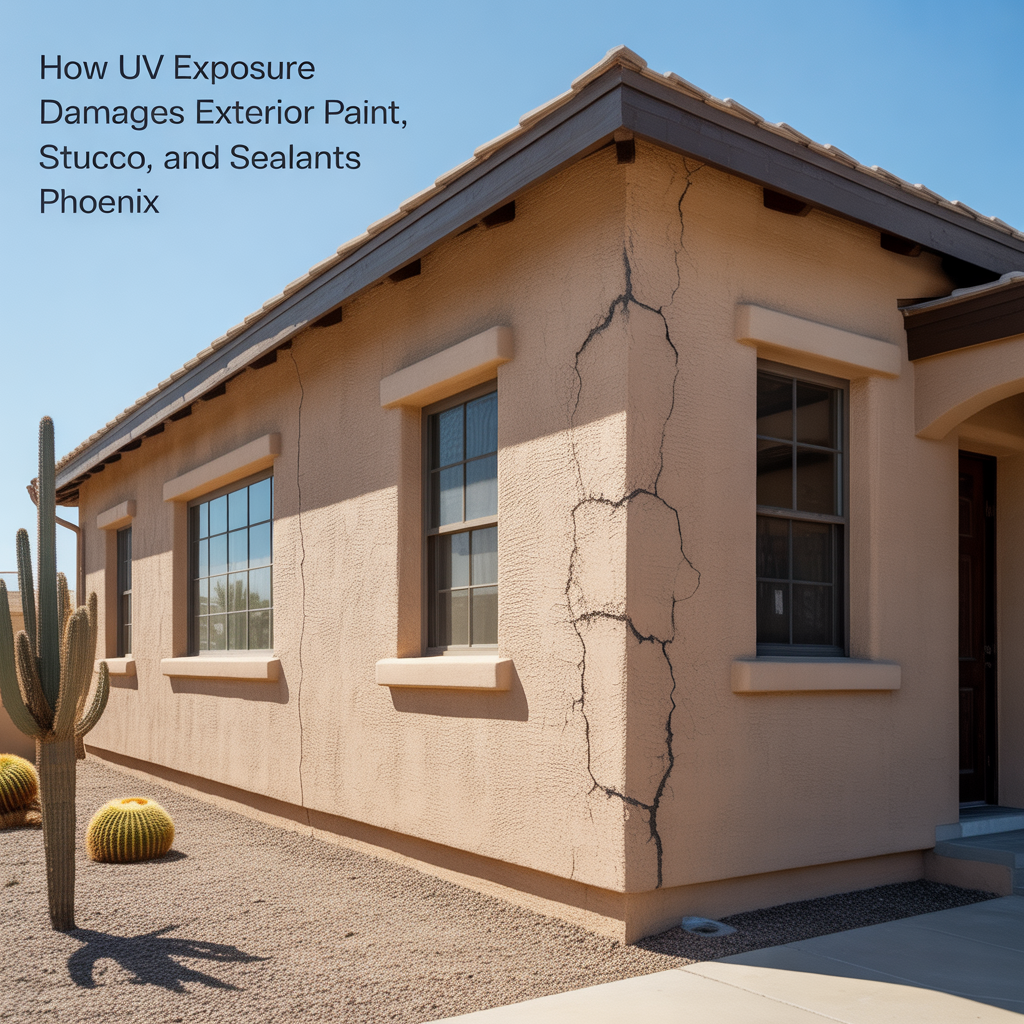
How UV Exposure Damages Exterior Paint, Stucco, and Sealants
-

How Extreme Heat Shortens the Lifespan of Home Systems
-

Why Phoenix Roofs Wear Out Faster Than Many Other Cities
-
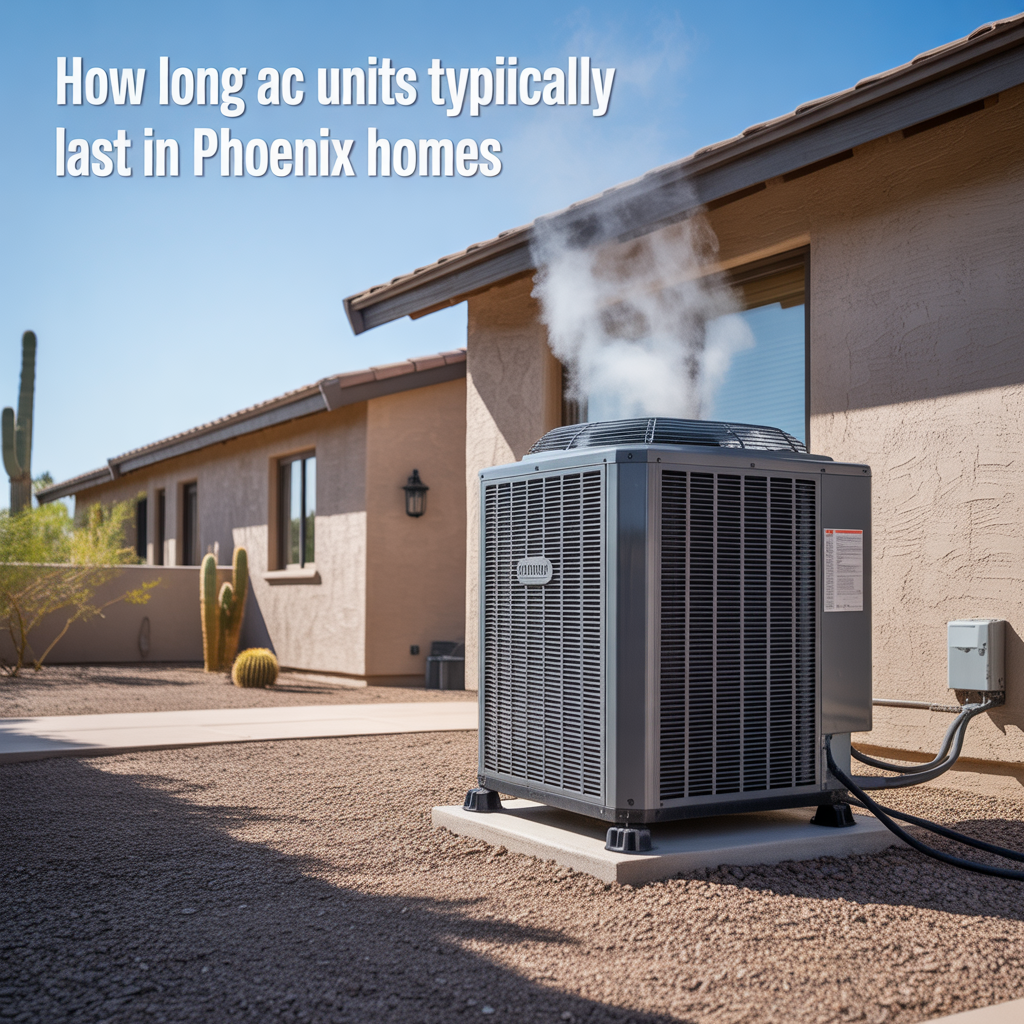
How Long AC Units Typically Last in Phoenix Homes
-

Building a Long-Term Protection Strategy
-

How Small Repairs Prevent Larger Problems
-

Protecting Older Phoenix Homes
-

Warning Signs of Hidden Home Risks
-

Preventative Maintenance That Reduces Insurance Claims
-

Reducing Liability Exposure Around Your Property
-

Liability Coverage Limits Explained
-

When Umbrella Insurance Makes Sense
-

Protecting Yourself From Guest Injury Claims