


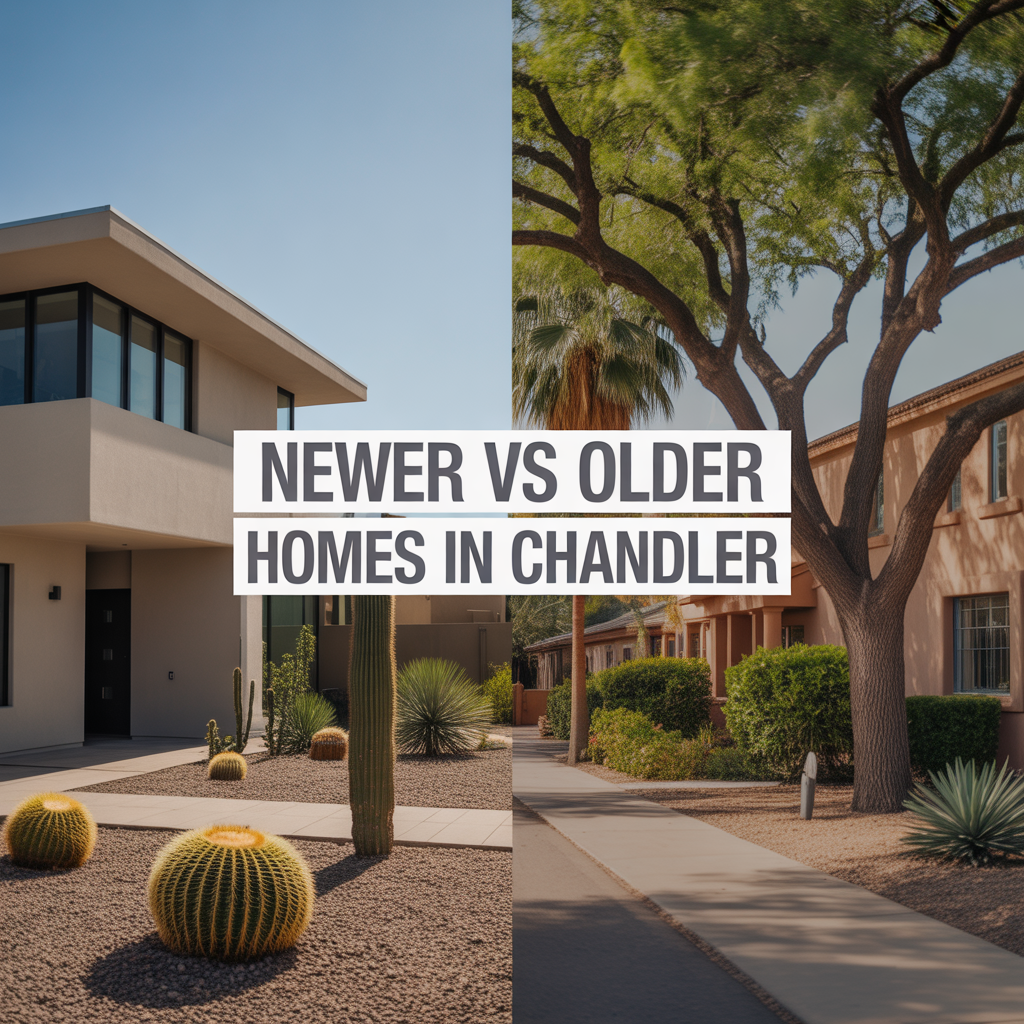
Chandler Lifestyle Guide → [Chandler Lifestyle Guide] & For more info on Chandler Real Estate → [Chandler Real Estate Guide]
Written by: Renee Burke
Chandler has always had a way of feeling both rooted and forward-thinking — a city that honors its agricultural past while embracing a bright, modern future. You can see that balance reflected in almost every neighborhood: tree-lined streets with 1970s ranch homes just a few blocks from sleek, contemporary builds with rooftop decks and smart-home systems.
If you’re choosing between an older home and a newer one in Chandler, it’s not just about square footage or curb appeal. It’s about how you want to live — the rhythm of your days, your maintenance tolerance, your design preferences, and the kind of community that makes you feel at home.
As someone who’s lived and worked in the East Valley for many years, I’ve seen Chandler evolve from a sleepy suburb into a tech and family hub with distinct housing personalities. Let’s take a thoughtful look at what truly sets newer and older homes apart here — and why understanding those nuances can make your next move smoother, smarter, and much more satisfying.
The Charm and Character of Chandler’s Older Homes
There’s a certain soul to Chandler’s more established neighborhoods that’s hard to describe until you’ve walked their streets — mature shade trees arching over the road, neighbors chatting by the mailbox, or the sound of kids riding bikes home after school. Many of the older communities, especially around areas like Andersen Springs, The Provinces, or central Chandler near Galveston Street, were built between the late 1970s and early 2000s.
Those homes often feature:
- Generous lot sizes, sometimes a quarter-acre or more — perfect for gardens, additions, or backyard entertaining.
- Single-level floor plans with flow and flexibility, easier for aging in place or multigenerational living.
- Sturdier block or slump-block construction, which helps with insulation and longevity in the Arizona heat.
- Established landscaping, often with mature citrus, mesquite, or palo verde trees that new builds simply don’t have yet.
Older homes may lack the glossy finishes that catch your eye online, but they offer depth, quality, and a connection to Chandler’s roots. And for many buyers, that sense of permanence and neighborhood identity outweighs the need for quartz countertops or energy-efficient windows — things that can always be upgraded over time.
That said, owning an older home here does mean embracing some quirks. You may find original plumbing materials that need updating, older HVAC systems that work harder in summer, or insulation that’s not up to current standards. Inspection and maintenance become part of the rhythm of ownership. Still, many homeowners find those trade-offs well worth the character and connection these communities offer.
The Allure and Efficiency of Newer Chandler Homes
Drive through neighborhoods like Ocotillo, Fulton Ranch, or Layton Lakes, and it’s easy to see why so many buyers gravitate toward newer homes. They represent the best of modern Arizona living — clean architectural lines, open floor plans, and design choices that reflect how families actually live today.
In particular, Chandler’s newer builds offer:
- Energy-efficient systems — solar-ready designs, foam insulation, low-E windows, and tankless water heaters that can dramatically lower monthly costs.
- Contemporary amenities, including larger kitchens, smart technology, and spacious primary suites with spa-like bathrooms.
- HOA-maintained communities with greenbelts, walking paths, and resort-style amenities like pools and playgrounds.
- Proximity to newer schools and employment hubs, especially near Price Road Corridor, where tech giants like Intel and Northrop Grumman anchor the local economy.
But modern convenience can also mean modern density. Newer developments tend to maximize land use, meaning smaller lots, tighter spacing, and less privacy than older Chandler neighborhoods. And with many HOAs focused on maintaining a uniform look, some buyers feel a loss of individuality or mature greenery.
Still, for those who value low maintenance, predictable utility costs, and move-in-ready ease, a newer home often feels like peace of mind — clean, efficient, and designed for the Arizona lifestyle.
Lifestyle Considerations Beyond the Floor Plan
One of the most overlooked aspects of choosing between newer and older homes in Chandler is how daily life actually unfolds in each type of neighborhood.
Older areas tend to have that organic, woven-in feel — established parks, long-time local restaurants, and neighbors who’ve watched each other’s kids grow up. Streets feel quieter, traffic slower, and the social rhythm a bit more relaxed. If you appreciate authenticity and a slower pace, older Chandler may feel like home from day one.
Newer communities, on the other hand, offer an active, built-in sense of new beginnings. You’ll find young families meeting at the community pool, organized neighborhood events, and walking trails that connect easily to new schools and shopping centers. It’s lifestyle convenience with a community spirit — something that appeals to busy professionals and families alike.
It comes down to where you find your version of “balance.” Many clients tell me they want the charm of older neighborhoods but the efficiency of a modern home — and that’s why Chandler’s blend of new and established development can be so rewarding. There’s room to find your “sweet spot,” whether that means renovating a 1990s home with great bones or buying new construction that’s move-in ready from day one.
Market Realities: What Your Budget Buys Today
In Chandler’s current market, price per square foot often tells an interesting story. As of early 2026, newer builds — especially those less than five years old — tend to command premium pricing around key growth corridors like Ocotillo and south Chandler. Land constraints and high construction costs mean those homes are built with efficiency in mind, not necessarily oversized yards.
Older homes, while sometimes requiring updates, often deliver more home for the money, particularly when factoring in lot size and location. For those open to some cosmetic work, these properties can offer excellent long-term value and appreciation potential once modernized.
Another dynamic worth noting: because many buyers want “turnkey” homes, updated older properties are selling quickly, while homes needing renovation may linger a bit longer. That gives savvy buyers the opportunity to add equity through strategic updates.
For sellers, the key is recognizing your competition. An original-condition 1980s home might not compete on finishes alone, but if you highlight quality of construction, neighborhood amenities, and lot size, you appeal to buyers who see past the surface.
The Emotional Side of the Decision
Buying a home is never just a financial choice — it’s emotional, layered, and often deeply personal. I’ve guided families who fell in love with the timeless feel of Andersen Springs’ tree canopy and others who couldn’t imagine living anywhere without a new smart thermostat and builder warranty.
The right choice depends on your rhythms, your priorities, and your stage of life. If low maintenance and modern design bring you peace, a newer home might serve you best. If putting down roots in a neighborhood with history and character speaks to your heart, you may find happiness in an older Chandler gem.
What matters most is that your home supports the life you want to live — not just today, but several years down the road. That’s where a little perspective (and a local’s insight) can make all the difference.
Making Your Choice with Confidence
Whether you’re buying new or old, the best advice I can offer is this: take your time to walk the neighborhoods, listen to the sounds, feel the spaces, and talk to the people who live there. Numbers and photos tell part of the story; your senses fill in the rest.
Chandler rewards thoughtful buyers — people who recognize that a home’s value lies not just in its finishes, but in how it fits your life, your routines, and your sense of belonging.
If you’re unsure which direction fits you best, that’s perfectly normal. The beauty of this part of the Valley is that it offers both charm and innovation — and there’s no wrong answer, only the right fit for you.
A Gentle Next Step
If you’re thinking about making a move in Chandler — or anywhere in the greater Phoenix area — you don’t have to figure it out alone. Whether you’re drawn to the warmth of an older neighborhood or the elegance of something brand new, I’d love to help you sort through your options, honestly and at your pace.
Sometimes the best next move isn’t rushing toward a “for sale” sign — it’s a quiet conversation about what matters most to you, your lifestyle, and your long-term goals.
When you’re ready, I’m here — to listen, to guide, and to help you feel completely at home in Chandler.
Get the full Phoenix Market Insights → [Market Insights]


-

Signs Your Phoenix Roof Needs Inspection or Repair
-
How Long Tile Roofs and Roof Underlayment Last in Phoenix
-
How Smart Thermostats Improve Cooling Efficiency in Arizona Homes
-

Why AC Systems Struggle During Extreme Phoenix Heat Waves
-

How Long Air Conditioning Units Last in Phoenix Homes
-

Warning Signs Your Air Conditioner Is About to Fail
-

How Often Phoenix AC Systems Need Maintenance
-

How Irrigation System Leaks Damage Foundations and Landscaping
-

Preventing Roof Damage Before Arizona Monsoon Storms
-

Why AC Tune-Ups Are Critical for Phoenix Homes
-
What Homeowners Should Inspect Before Phoenix Summer Heat Arrives
-
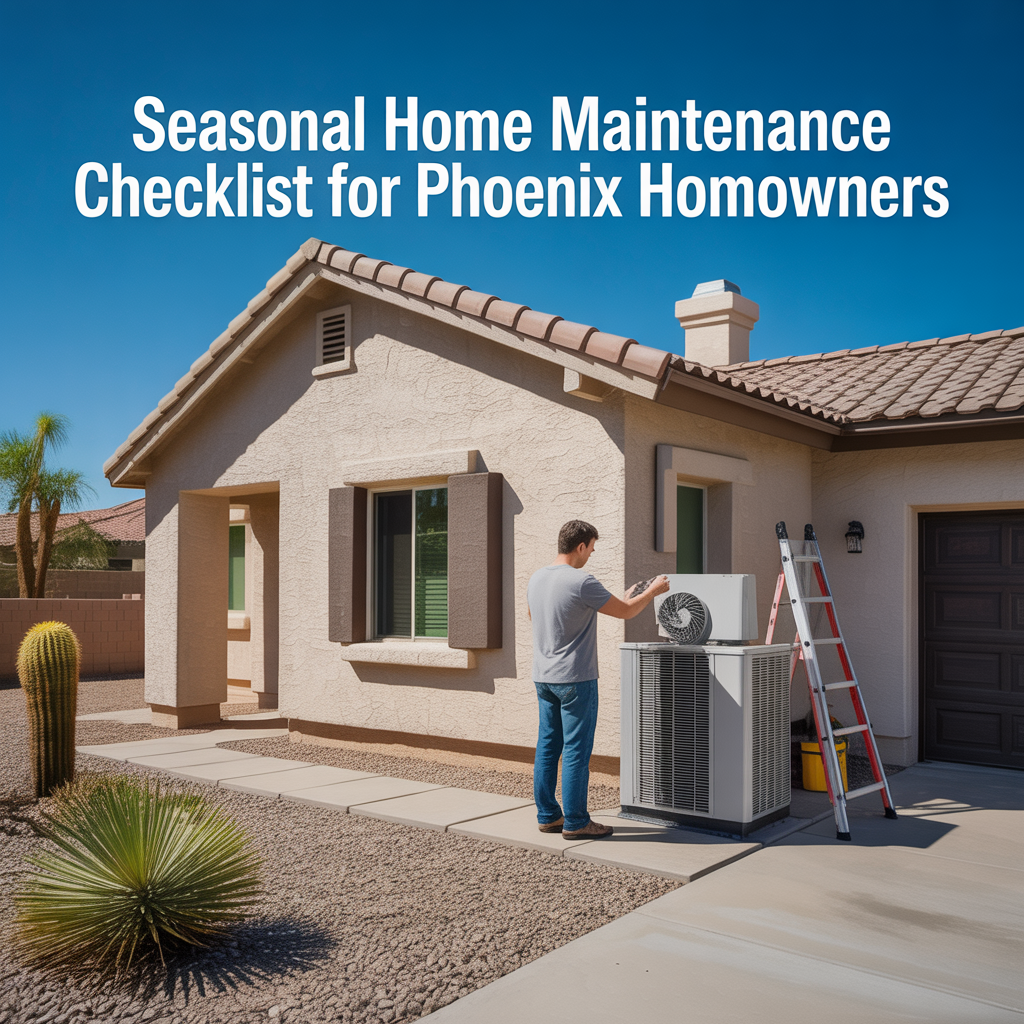
Seasonal Home Maintenance Checklist for Phoenix Homeowners
-
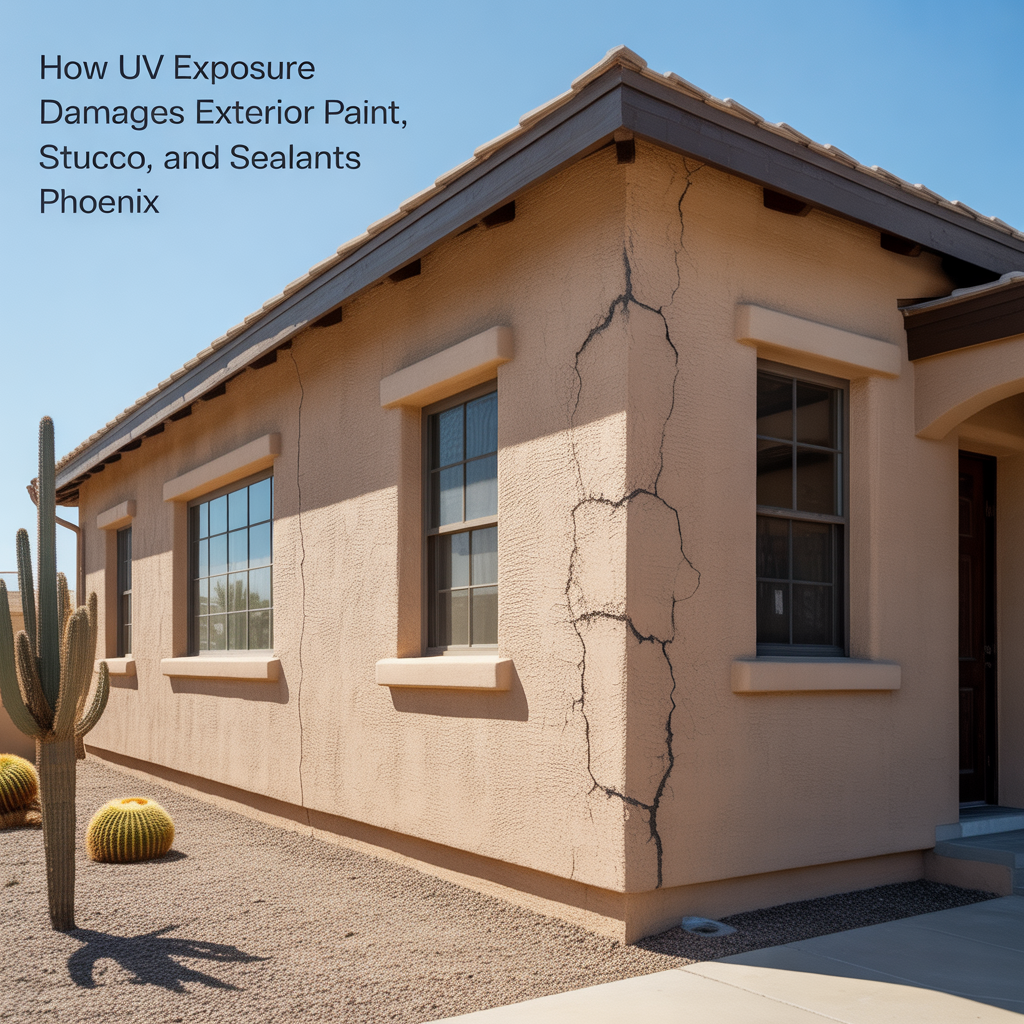
How UV Exposure Damages Exterior Paint, Stucco, and Sealants
-

How Extreme Heat Shortens the Lifespan of Home Systems
-

Why Phoenix Roofs Wear Out Faster Than Many Other Cities
-
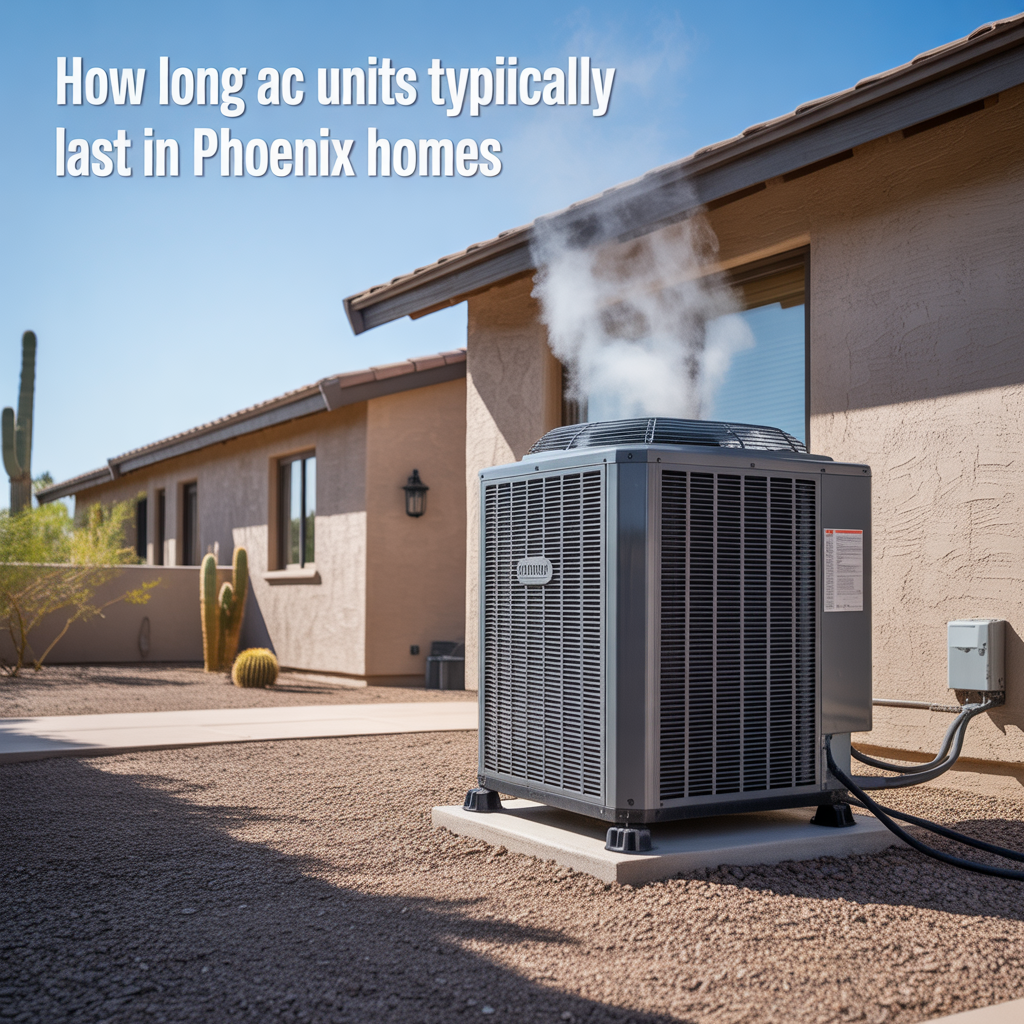
How Long AC Units Typically Last in Phoenix Homes
-

Building a Long-Term Protection Strategy
-
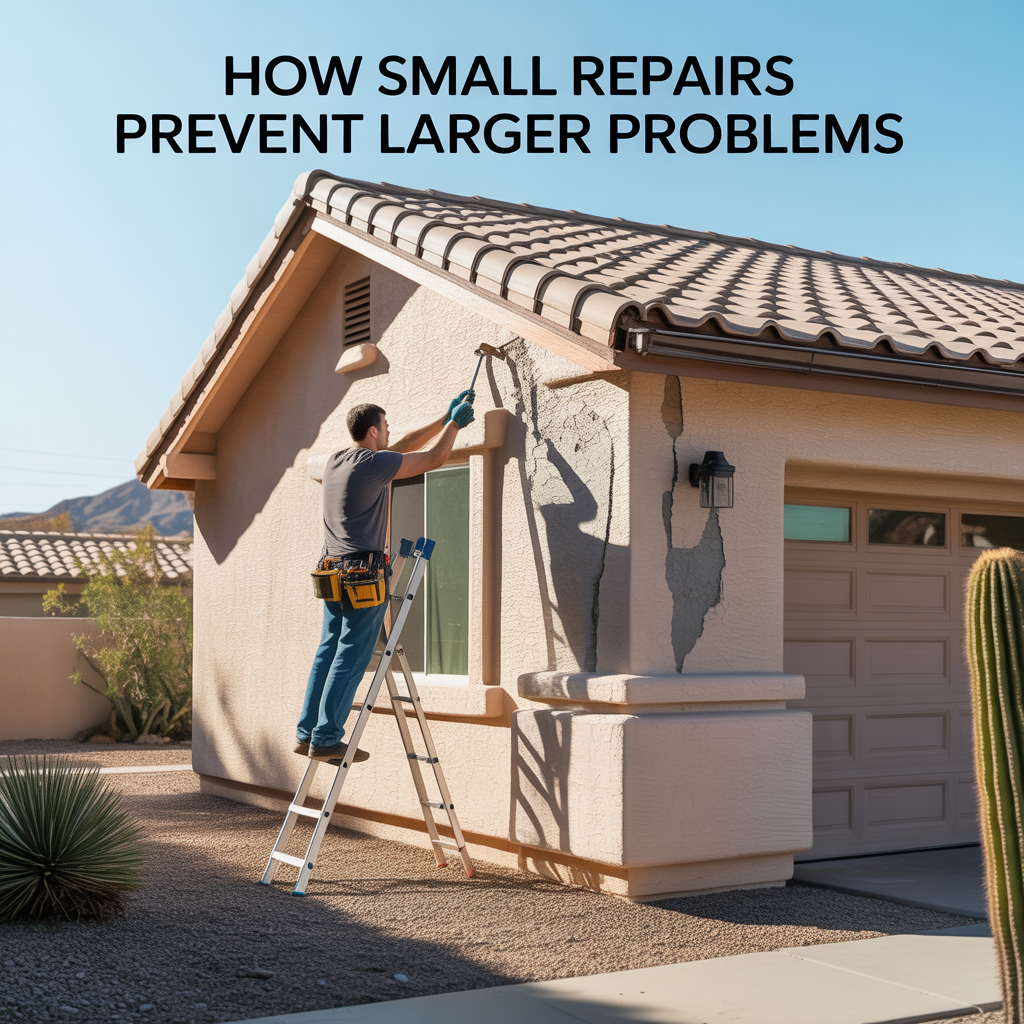
How Small Repairs Prevent Larger Problems
-

Protecting Older Phoenix Homes
-
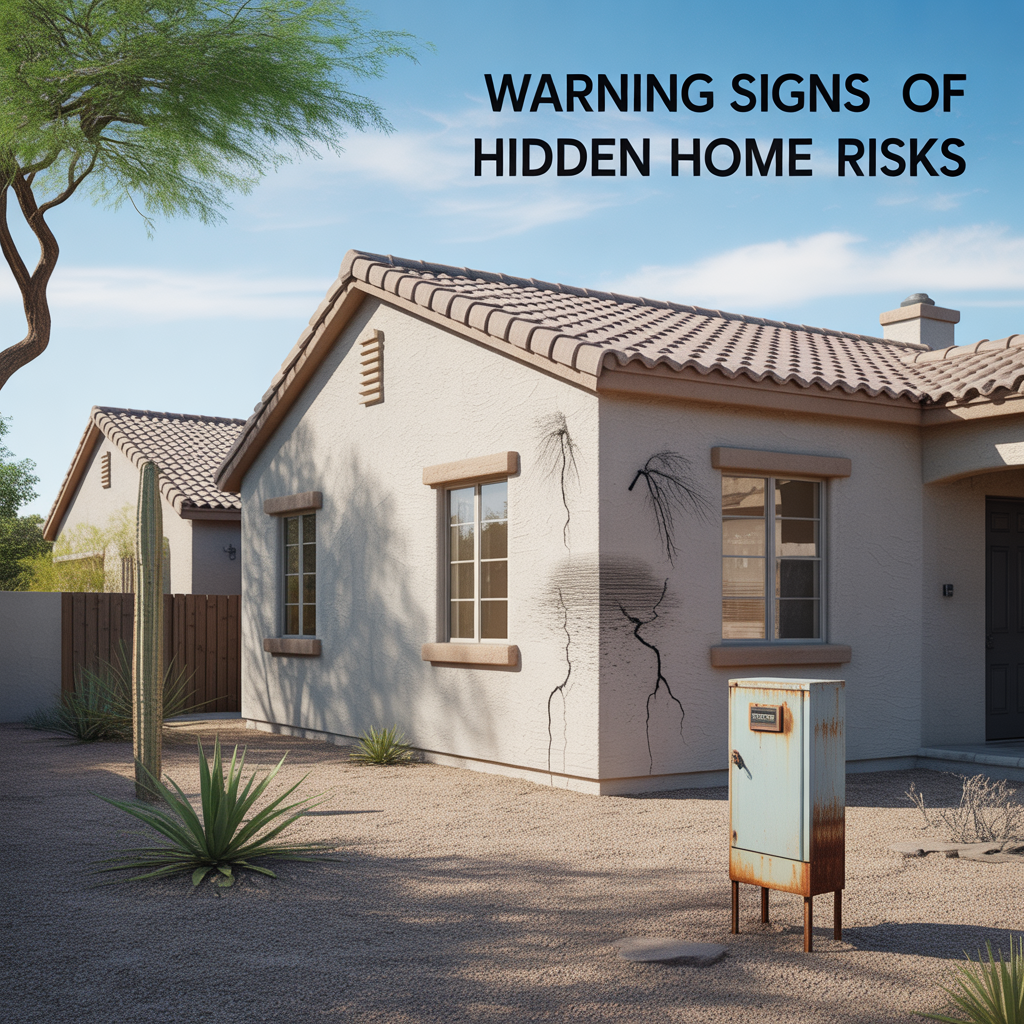
Warning Signs of Hidden Home Risks
-

Preventative Maintenance That Reduces Insurance Claims
-

Reducing Liability Exposure Around Your Property
-

Liability Coverage Limits Explained
-

When Umbrella Insurance Makes Sense
-

Protecting Yourself From Guest Injury Claims