


Chandler Lifestyle Guide → [Chandler Lifestyle Guide] & For more info on Chandler Real Estate → [Chandler Real Estate Guide]
Written by: Renee Burke
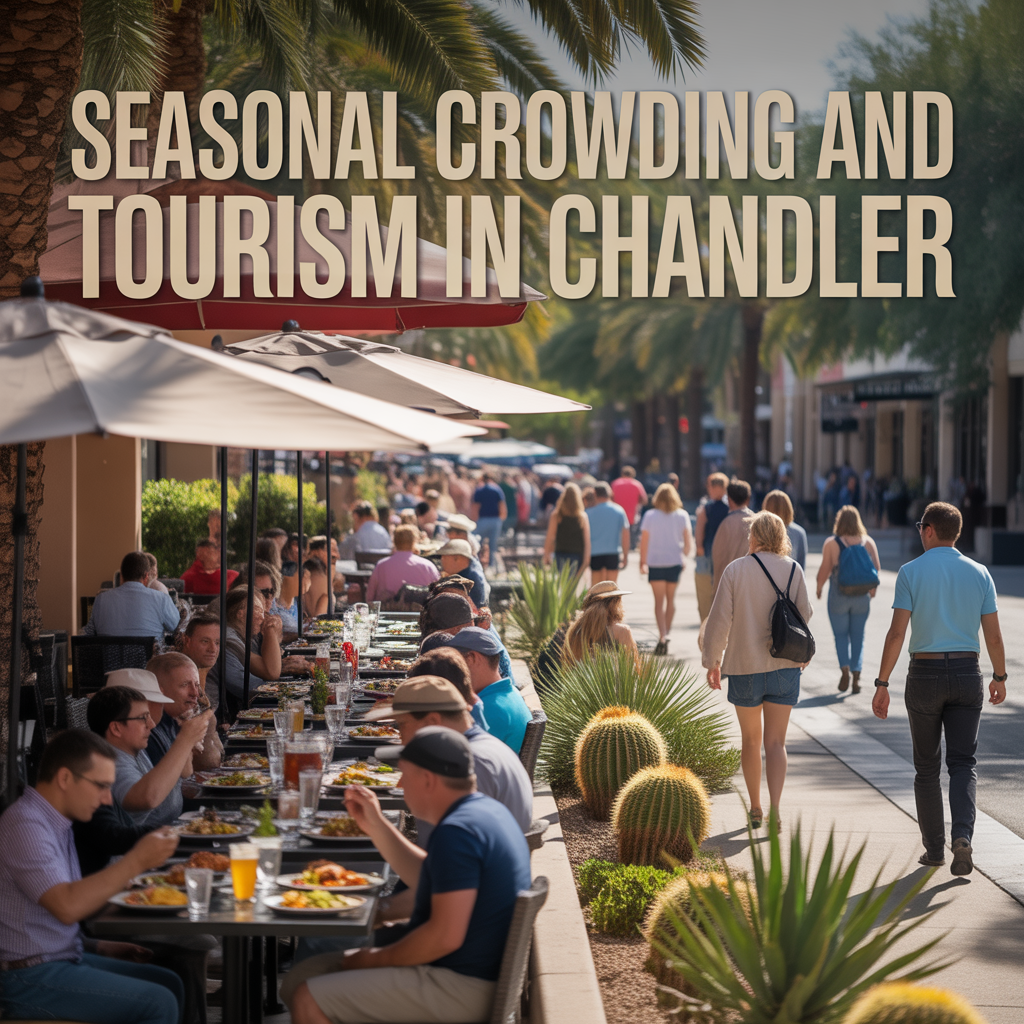
Chandler’s appeal as an East Valley gem means its streets and venues ebb and flow with visitors throughout the year, shaped by our predictable desert seasons—mild winters drawing snowbirds, spring wildflowers luring hikers, scorching summers emptying sidewalks, and fall weekends filling with locals reclaiming the outdoors. Unlike flashier Phoenix spots, Chandler’s tourism stays gentle and family-focused, centered on Downtown events, Ocotillo trails, and Fashion Center escapes rather than overwhelming hordes. Having guided families through these rhythms for years, I know how seasonal crowds influence everything from parking ease to neighborhood serenity, helping you pick a home that hums with life when you want it and quiets when you need it.
Winter (December-February): Peak Snowbird Season
Winter blankets Chandler in perfect 65-75°F days, pulling retirees from Canada and the Midwest to fill RV parks, golf courses, and Tumbleweed Recreation Center classes—our population swells 10-15% as snowbirds nest from January through March. Downtown San Marcos Plaza buzzes with weekly farmers markets and Chandler Center for the Arts shows like holiday ballets, free garages overflowing by noon on Saturdays. Ocotillo Golf Resort books solid for duffers chasing carts under palm shade, while Fulton Ranch lakes host bundled walkers dodging rare 40°F mornings.
Traffic thickens mildly on Arizona Avenue northbound, Loop 202 exits queuing for Wild Horse Pass Casino buffets open till midnight. Families feel it at Round1 Arcade weekends, wait times doubling for bowling lanes, but Uptown Jungle indoor parks stay local havens. I’ve counseled winter buyers to embrace the vibrancy—resale peaks as visitors eye condos—but suggest North Chandler gates for buffer from RV enclaves off Pecos. Drawback? Restaurant patios like The Perch claim reservations two weeks out, though happy hours ease crowds.
Spring (March-May): Wildflower Boom and Spring Training
Spring awakens Chandler with 75-90°F blooms, drawing day-trippers from Phoenix for Ocotillo’s lakeside trails carpeted in poppies and lupine, Tumbleweed Park’s egg hunts packing picnic spots. Cactus League Spring Training at nearby fields spills families to Frye Road eateries pre- and post-games, Fashion Center food courts humming midweek. Downtown Friday Night Live kicks off in March, third Fridays transforming Boston Street into artisan fairs with 5,000 attendees, Oregon Street Garage filling by 5 p.m.
Alma School Road sees Ubers surge for Intel tours and multicultural festivals, while East Chandler orchards tempt pick-your-own crowds. Livability shines—mornings fresh for biking before heat builds—but parking hunts start at Dr. A.J. Chandler Park events. Families I work with love spring for school breaks, mapping homes near shaded paths to maximize play without midday scorch. Compared to winter density, spring feels balanced, allergies the main trade-off from pollen dustings.
Summer (June-September): Local Haven, Tourist Dip
Summer’s 105-115°F furnace clears Chandler for locals, tourism plummeting 70% as visitors flee to higher elevations—sidewalks empty by 10 a.m., Fashion Center garages half-vacant even weekends. Indoor hubs like Jake’s Unlimited and Slick City slides thrive with staycationers, Uptown Jungle birthday parties unchecked lines. Monsoon haboobs July-September bring evening storms cooling to 90°F, drawing locals to Perch rooftop under misters rather than outsiders.
Rawhide Western Town hosts low-key rodeos for residents, Wild Horse Pass Casino steady but not swamped. North Fulton Ranch pools host private splashes, South Ocotillo lakes glassy without walkers. This quietude boosts livability—Dutch Bros iced drinks flow freely, trails yours alone post-sunset—but AC strains test home efficiencies. I’ve guided summer movers to seize deals on South estates, resale rebounding fall as snowbirds return. Versus peak seasons, summer whispers opportunity.
Fall (October-November): Gentle Rebound and Local Revival
Fall eases into 80-95°F gold with post-monsoon clarity, locals reclaiming trails while light tourism revives for Chandler Multicultural Festival and Ostara celebrations at Tumbleweed. Downtown Night Markets October-May draw 2,000 per event, Boston Street pedestrian-only after 6 p.m., free lots turning over quickly. Pecan Lake Entertainment go-karts fill weekends, Santan Freeway light as Phoenix empties for holidays.
Ocotillo’s fairways book for snowbird previews, East Chandler farmers markets swelling with u-pick citrus. Crowding peaks mildly mid-October for balloon glows nearby, but disperses by 9 p.m. Families adore fall bike rides on Warner Road paths, evenings perfect for Perch dinners without waits. Compared to spring bustle, fall feels intimate, positioning homes for winter value spikes.
Neighborhood-Specific Crowd Patterns
Downtown pulses seasonally hardest—winter markets, spring concerts, summer lulls—walk scores soaring but noise lingering. North Airpark insulates with gates, Intel steady draw buffering tourist flux. South Ocotillo absorbs golfers gracefully, lakes diffusing foot traffic. East rural edges stay serene year-round, orchards shielding from Santan swells. West Wild Horse Pass casino-constant, peaks midwinter but locals-only summers.
Daily impacts: Loop 202 queues winter mornings, Frye Road weekends spring/fall. Rideshares surge 20% events, park-and-rides empty summers.
Lifestyle Strategies and Real Estate Wisdom
Winter suits social butterflies, summer introverts, spring/fall all-rounders. Values fluctuate: winter premiums downtown 7%, summer discounts east rural 10%. Sellers stage seasonally—pool pops summer, firepits winter. Buyers visit peaks and lulls, testing true fit. Growth tempers: expanded Tumbleweed shuttles, event caps thoughtful.
Misconceptions of “always crowded”? Chandler scales for insiders—290 sunny days nurture balance, not overload.
Seasonal tides remind us Chandler thrives on rhythm—welcoming when full, restorative when sparse.
If you’re thinking about making a move in Phoenix, you don’t have to figure it out alone — reach out anytime, and I’ll guide you through the details with the care you deserve.
Get the full Phoenix Market Insights → [Market Insights]


-

How the Phoenix Desert Climate Shapes Everyday Life Inside the Home
-

How Phoenix Weather Patterns Shape Everyday Home Routines
-
Why Homes Often Feel More Comfortable After the First Year of Ownership
-
How Living in Phoenix Changes the Way Homeowners Use Their Homes
-
What New Phoenix Homeowners Learn During Their First Year of Ownership
-

How Daily Life Changes After the First Year of Living in a Phoenix Home
-
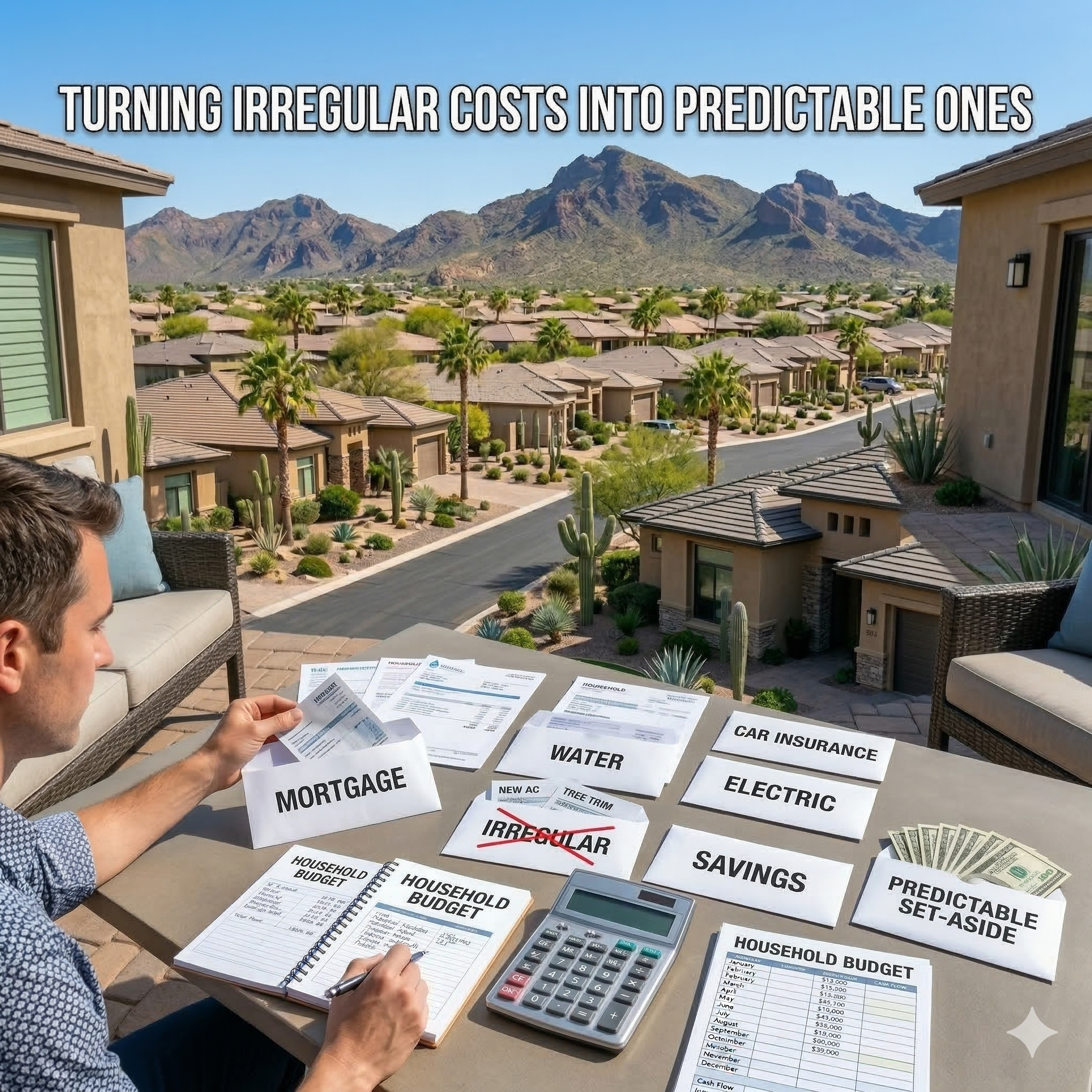
Turning Irregular Costs Into Predictable Ones
-

Budgeting for Ongoing Ownership
-
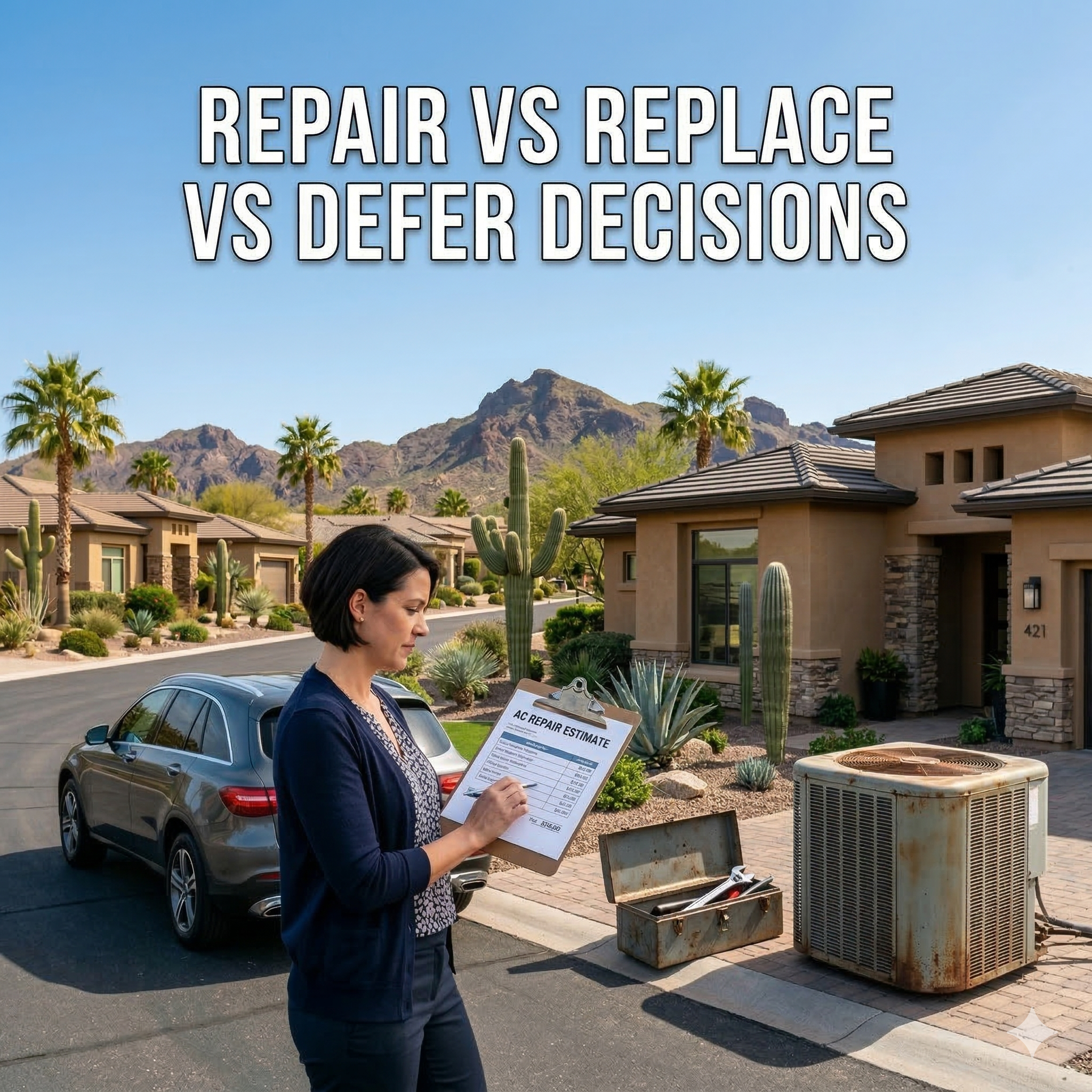
Repair vs Replace vs Defer Decisions
-

Planning Homeownership Like a Long-Term Asset
-

What Home Expenses You Can Safely Delay
-

Stopping Cost Creep Early
-

Cash Flow vs Net Worth Stress
-

Why “It’s Not That Much” Adds Up
-

Warning Signs Your Ownership Budget Is Tightening
-

The Cumulative Cost of Small Home Repairs
-

Designing Budgets Around Local Conditions
-
Utility Costs Over Time in Desert Climates
-

Insurance Increases Explained for Arizona Homeowners
-
How Inflation Impacts Phoenix Homeownership Costs
-

Avoiding Debt-Driven Homeownership Decisions
-

Replacing Systems on Your Timeline
-

Why Emergency Repairs Cost More
-

Timing Major Expenses Without Financial Shock
-
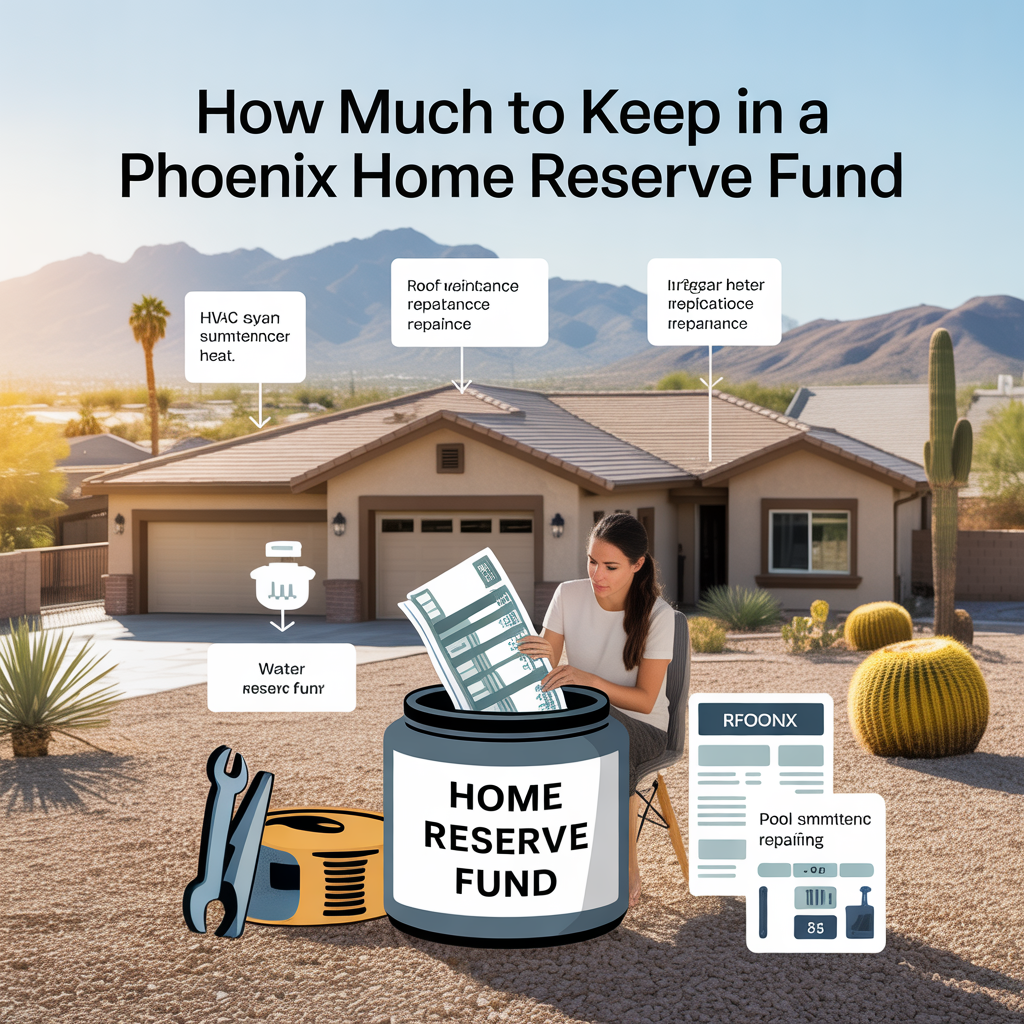
How Much to Keep in a Phoenix Home Reserve Fund