


Chandler Lifestyle Guide → [Chandler Lifestyle Guide] & For more info on Chandler Real Estate → [Chandler Real Estate Guide]
Written by: Renee Burke
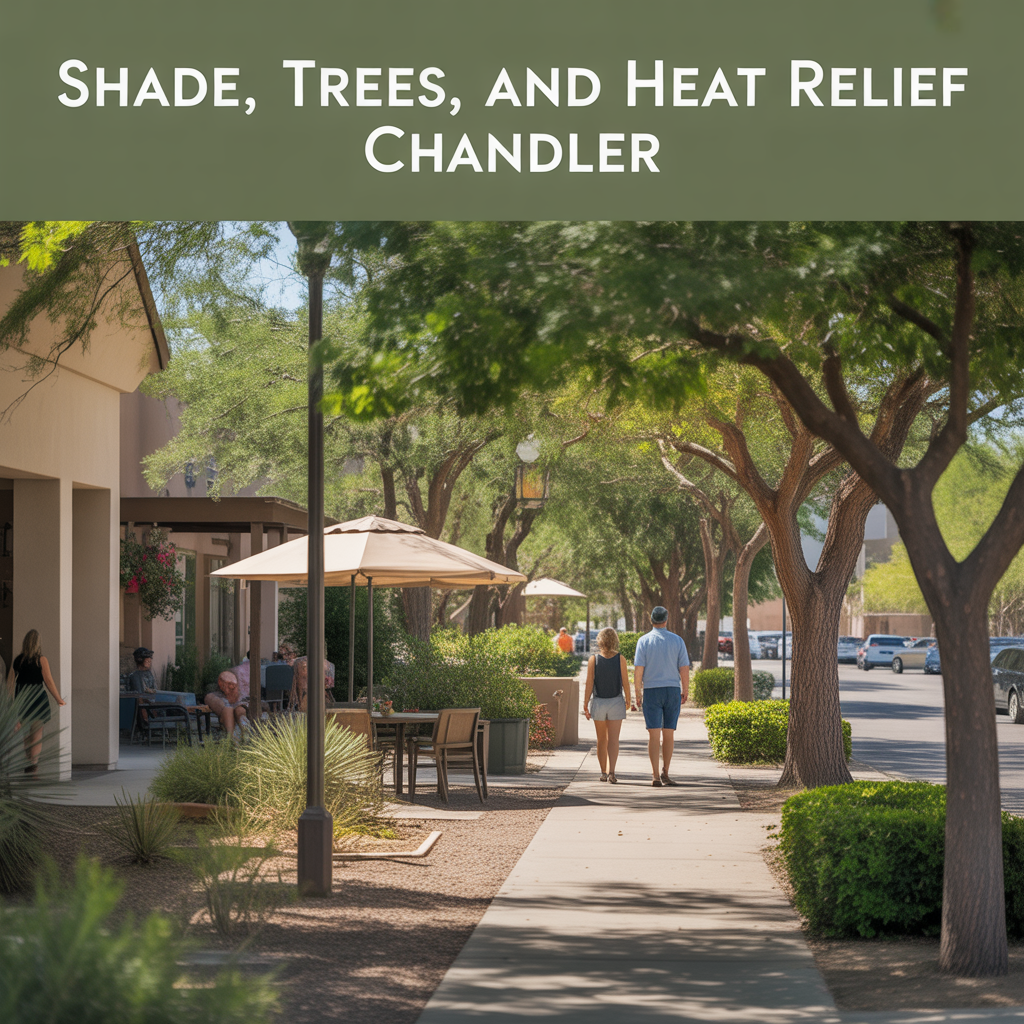
Summer heat in Chandler doesn’t hit everyone the same way—shade from trees and thoughtful landscaping make all the difference in how livable our East Valley neighborhoods feel when temperatures climb past 110°F. As someone who’s lived this reality while helping families find their footing in the Phoenix metro, I can tell you that certain pockets offer natural cooling through mature canopies and green buffers, turning potential scorchers into shaded sanctuaries. Let’s walk through where Chandler’s trees provide the most relief, blending urban forestry efforts with neighborhood character to help you choose wisely.
Downtown Chandler: Emerging Shade with Urban Grit
Downtown around San Marcos Plaza and Boston Street has historically leaned sparse on trees, where concrete streets amplify heat by 10-15°F, making midday walks a test of endurance. Recent city pushes, like the $767,000 federal grant for urban forestry, target this core with new plantings along Washington and Arizona Avenue—think 24” box trees mandated for street frontages per code. Free garages offer brief shade, but patios at The Perch and Murphy’s Law rely on misters to mimic tree evaporation.
Mature mesquites edge Dr. A.J. Chandler Park, dropping temps 5°F under canopies during Friday Night Live setups, though foot traffic limits deep shade. I’ve advised loft buyers here to add backyard palo verdes for privacy screens, as resale perks from walkability outweigh sparse public green. Monsoon greening helps, but asphalt dominance keeps it warmer than northside havens. Livability grows with grants—expect more ironwood clusters by 2027.
North Chandler: Fulton Ranch and Airpark Canopy Havens
North of Warner Road, Fulton Ranch and the Price Airpark boast some of Chandler’s lushest tree equity, scoring high on tools like the Maricopa Tree Equity Score Analyzer with 80+ ratings from layered canopies. Gated paths wind under mature cottonwoods and ash trees along man-made lakes, evaporative cooling slashing feels-like temps by 8-10°F—morning jogs stay below 100°F even in July peaks. Intel campuses pump shade via mandated parking lot planters (one tree per 10 spaces), their olive trees buffering Alma School Road heat islands.
Neighborhoods here prioritize 36” box trees on arterials, code requiring 1 tree/6 shrubs per 1,000 sq ft open space, creating dappled sidewalks perfect for biking with kids post-6 p.m. Families I guide rave about the mental lift—trees filter dust, tame stormwater, and frame sunset lake views. Drawback? Water bills nudge higher for irrigation, but xeriscape hybrids like desert willows thrive low-maintenance. Compared to southside, northside feels 5°F cooler daily, boosting outdoor playtime.
South Chandler: Ocotillo Lakes and Golf Course Greenery
Ocotillo’s 27-hole golf courses and interlocking lakes form a verdant oasis south of Ray Road, where palm clusters and ficus walls drop microclimate temps 7°F via transpiration—patios at North Italia stay inviting till 10 p.m. HOAs enforce perimeter landscaping (10’ strips with evergreens every 20’), buffering McQueen Road glare and fostering bird-filled mornings. Retention basins double as shaded parks, code-stipulated trees preventing urban heat islands effectively.
Custom estates boast private groves of citrus and mesquite for ramada shade, pools glistening under arbors that make 115°F afternoons bearable with a dip. I’ve walked buyers through listings here, noting how lake evaporation cools entire blocks, monsoon haboobs less gritty under thick canopies. Versus downtown sparseness, Ocotillo’s green feels resort-like, ideal for retirees seeking shaded trails without gated formality.
East Chandler: Agriopia Orchards and Rural Buffers
Eastside along Germann and McQueen edges into Chandler’s shadiest rural pockets, where Agriopia’s community orchards and horse properties layer pecan and eucalyptus canopies, cutting radiant heat by 12°F on average. Vast lots allow deep-set palo verde groves, code-compliant dissimilar-use buffers (7’ evergreens max 20’ spacing) screening Santan Freeway noise and bake. Tumbleweed Park’s 1,000+ trees create picnic oases, evaporating pond water for bonus relief.
These zones shine for self-reliant families—backyard fruit shades patios, kids harvesting lemons amid 92°F evenings. Compared to Fashion Center concrete, eastside breathes freer, though big-box runs mean sun-exposed drives. Urban Forestry’s education programs plant more here, targeting underserved tracts per federal data.
West Chandler: Wild Horse Pass and Rawhide Scatters
West near Loop 202, Wild Horse Pass resorts cluster shade trees around casinos and Rawhide, mesquites cooling patios by 6°F for late-night escapes. Rural ranches space native ironwoods generously, starlit skies unobscured but heat tempered overnight.
Citywide Initiatives and Code-Driven Relief
Chandler’s Urban Forestry maintains public trees in parks and rights-of-way, emphasizing heat mitigation—street trees prevent islands, basins filter runoff. Site plans demand 20’ frontage landscaping (1 tree/6 shrubs per 30 LF), parking islands (10% interior green), pushing canopy equity. Grants prioritize low-tree areas, schoolyards getting forested boosts via partnerships.
Monsoons activate shade—wet leaves cool extra 5°F post-storm. Apps track plantings, residents adopting via free workshops.
Lifestyle and Real Estate Ties
North/Fulton shade commands 5-8% premiums, south lakes steady values, east rural appeals to growers. Sellers stage under canopies, buyers test noon shade walks. Fears of barren lots? Code and grants evolve coverage—Chandler’s canopy lags Phoenix but closes gaps thoughtfully.
Trees here don’t just shade; they root community, turning heat into habitat.
Shade, trees, and smart green weave Chandler’s summer relief, neighborhood by neighborhood.
If you’re thinking about making a move in Phoenix, you don’t have to figure it out alone — reach out anytime, and I’ll guide you through the details with the care you deserve.
Get the full Phoenix Market Insights → [Market Insights]


-
How the Phoenix Desert Climate Shapes Everyday Life Inside the Home
-
How Phoenix Weather Patterns Shape Everyday Home Routines
-
Why Homes Often Feel More Comfortable After the First Year of Ownership
-
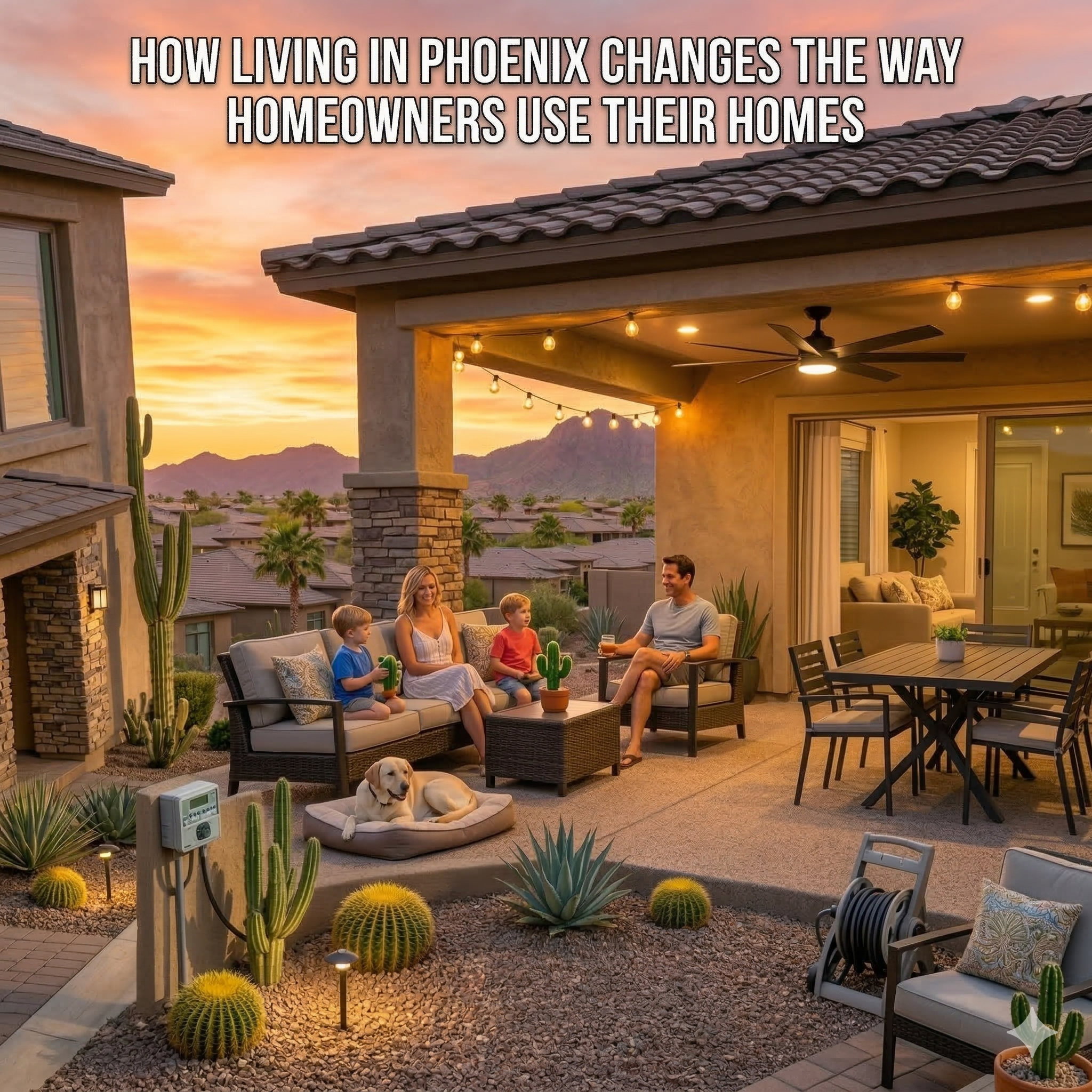
How Living in Phoenix Changes the Way Homeowners Use Their Homes
-
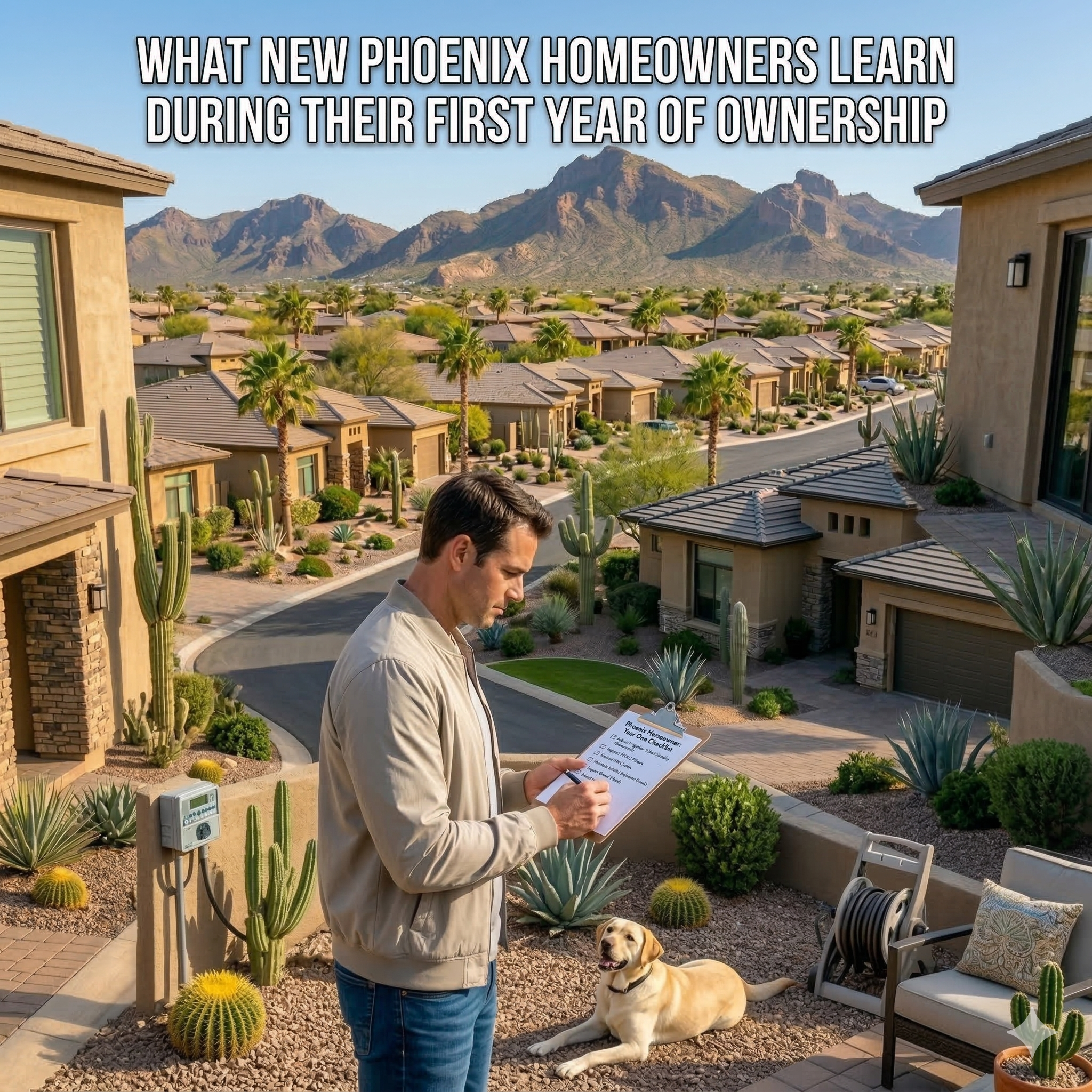
What New Phoenix Homeowners Learn During Their First Year of Ownership
-

How Daily Life Changes After the First Year of Living in a Phoenix Home
-
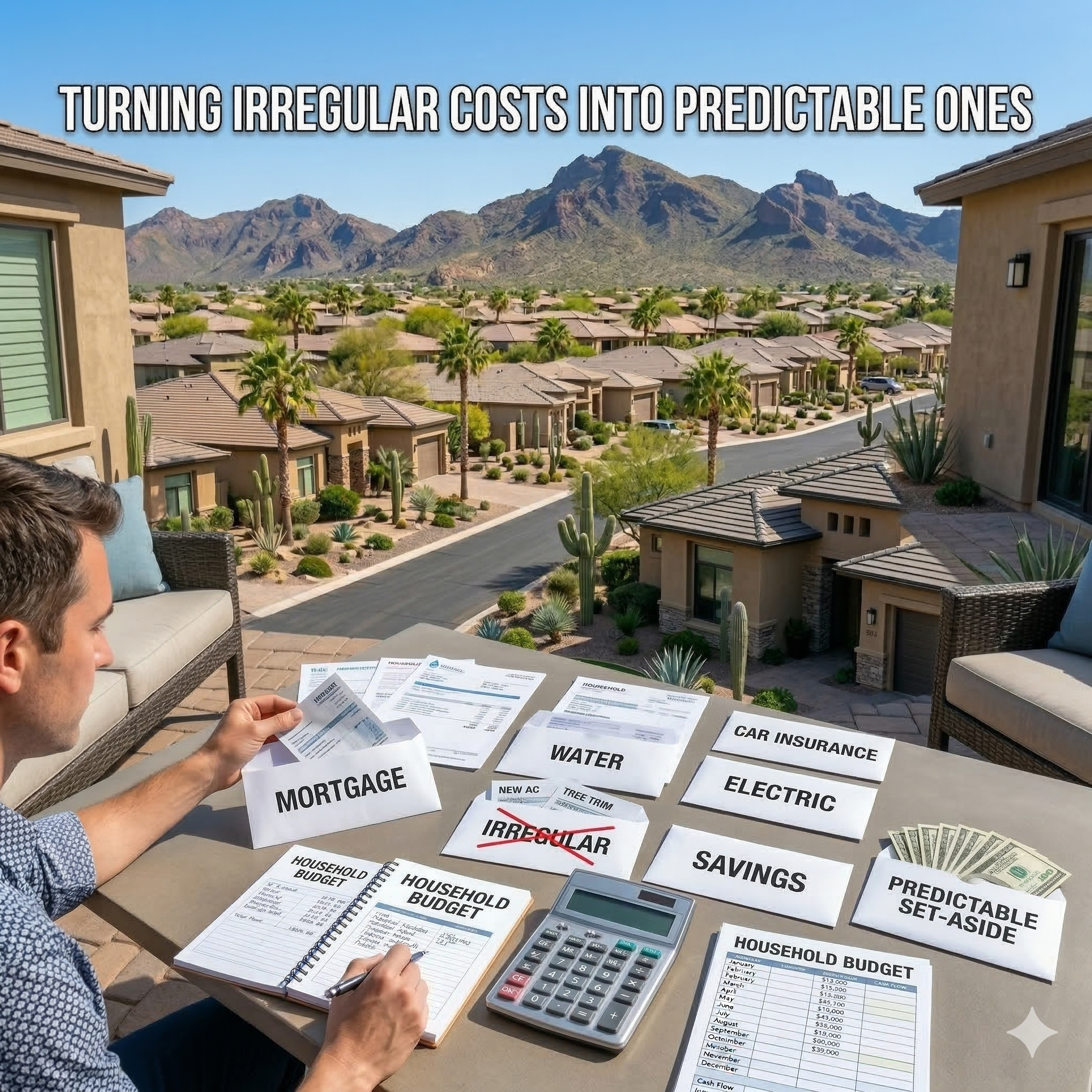
Turning Irregular Costs Into Predictable Ones
-

Budgeting for Ongoing Ownership
-
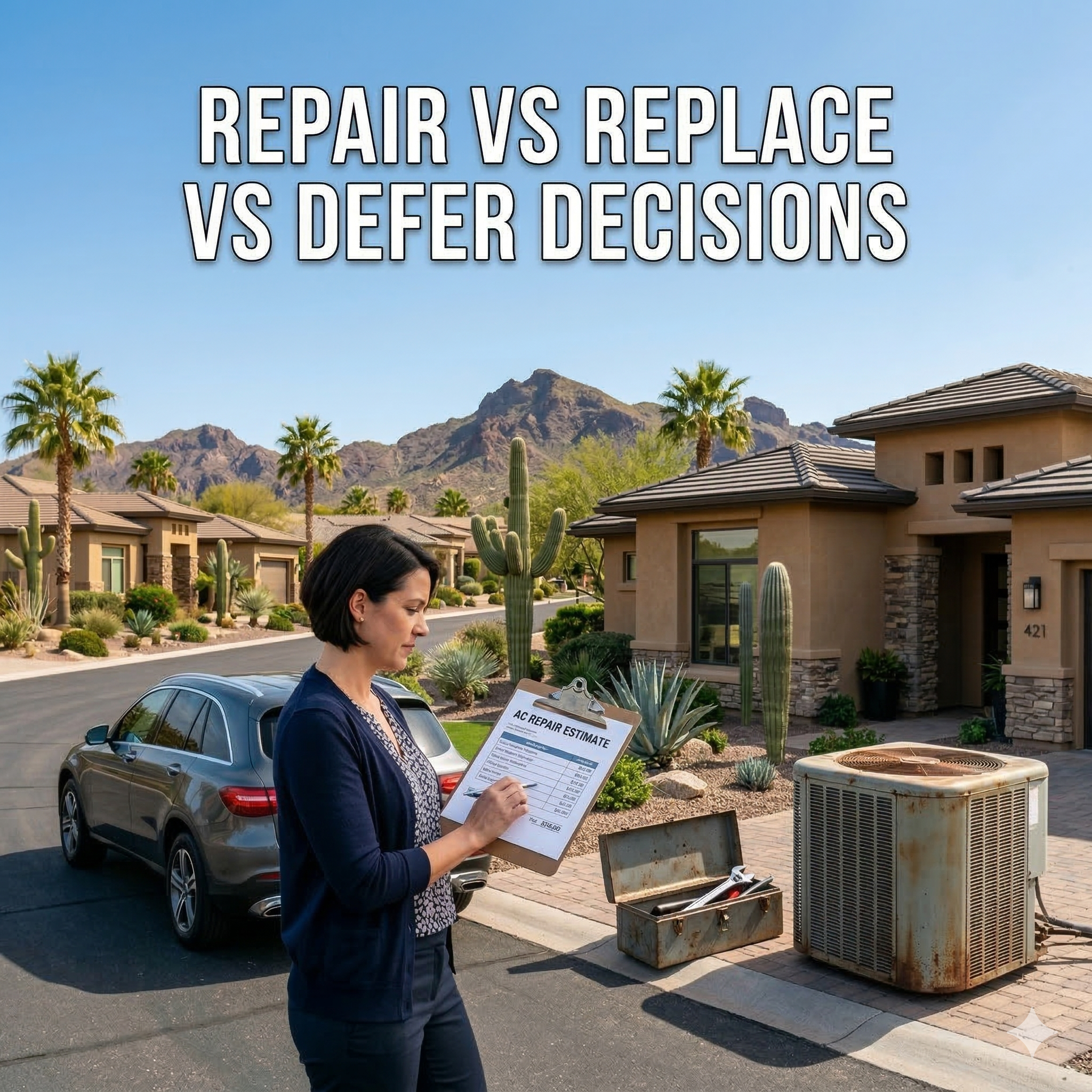
Repair vs Replace vs Defer Decisions
-

Planning Homeownership Like a Long-Term Asset
-

What Home Expenses You Can Safely Delay
-

Stopping Cost Creep Early
-

Cash Flow vs Net Worth Stress
-

Why “It’s Not That Much” Adds Up
-

Warning Signs Your Ownership Budget Is Tightening
-

The Cumulative Cost of Small Home Repairs
-
Designing Budgets Around Local Conditions
-
Utility Costs Over Time in Desert Climates
-

Insurance Increases Explained for Arizona Homeowners
-
How Inflation Impacts Phoenix Homeownership Costs
-

Avoiding Debt-Driven Homeownership Decisions
-

Replacing Systems on Your Timeline
-

Why Emergency Repairs Cost More
-

Timing Major Expenses Without Financial Shock
-
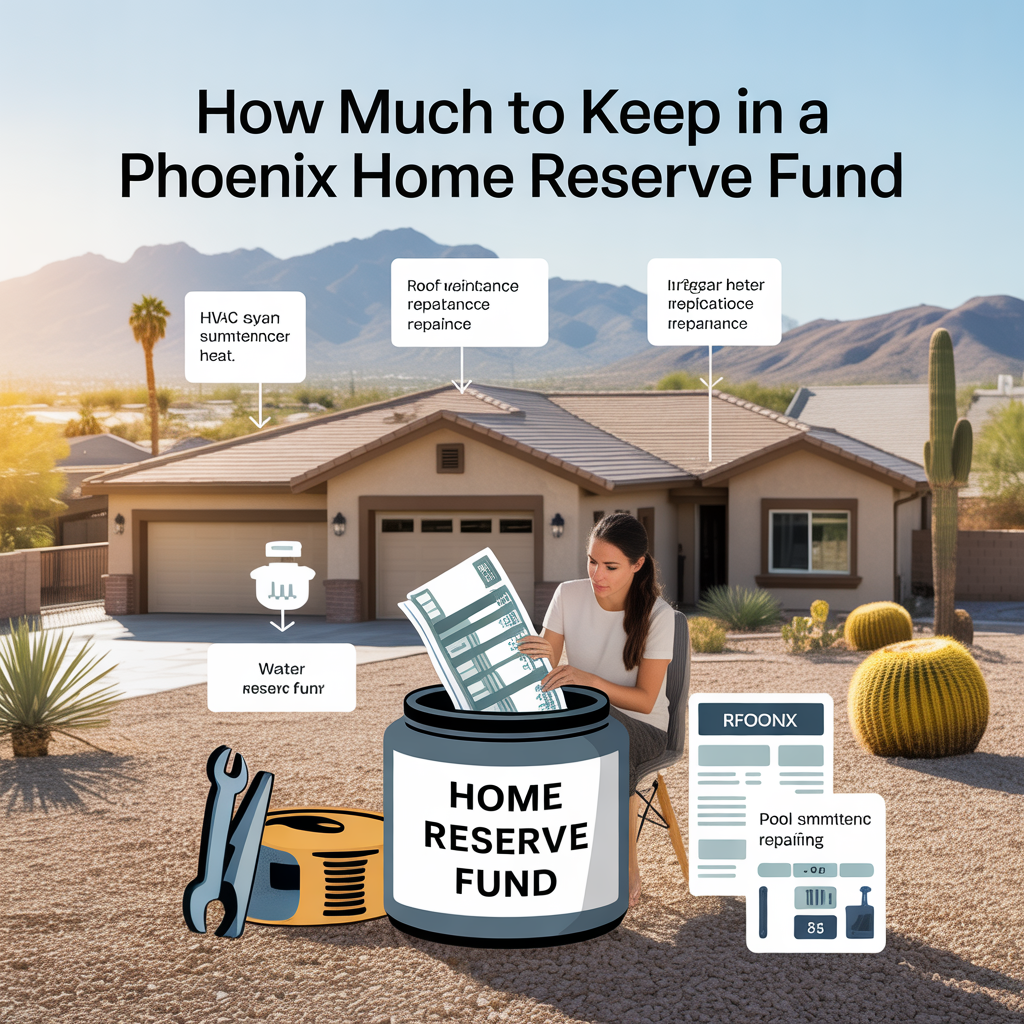
How Much to Keep in a Phoenix Home Reserve Fund