


Mesa Lifestyle Guide → [Mesa Lifestyle Guide] & For more info on Mesa Real Estate → [Mesa Real Estate Guide]
Written by: Renee Burke
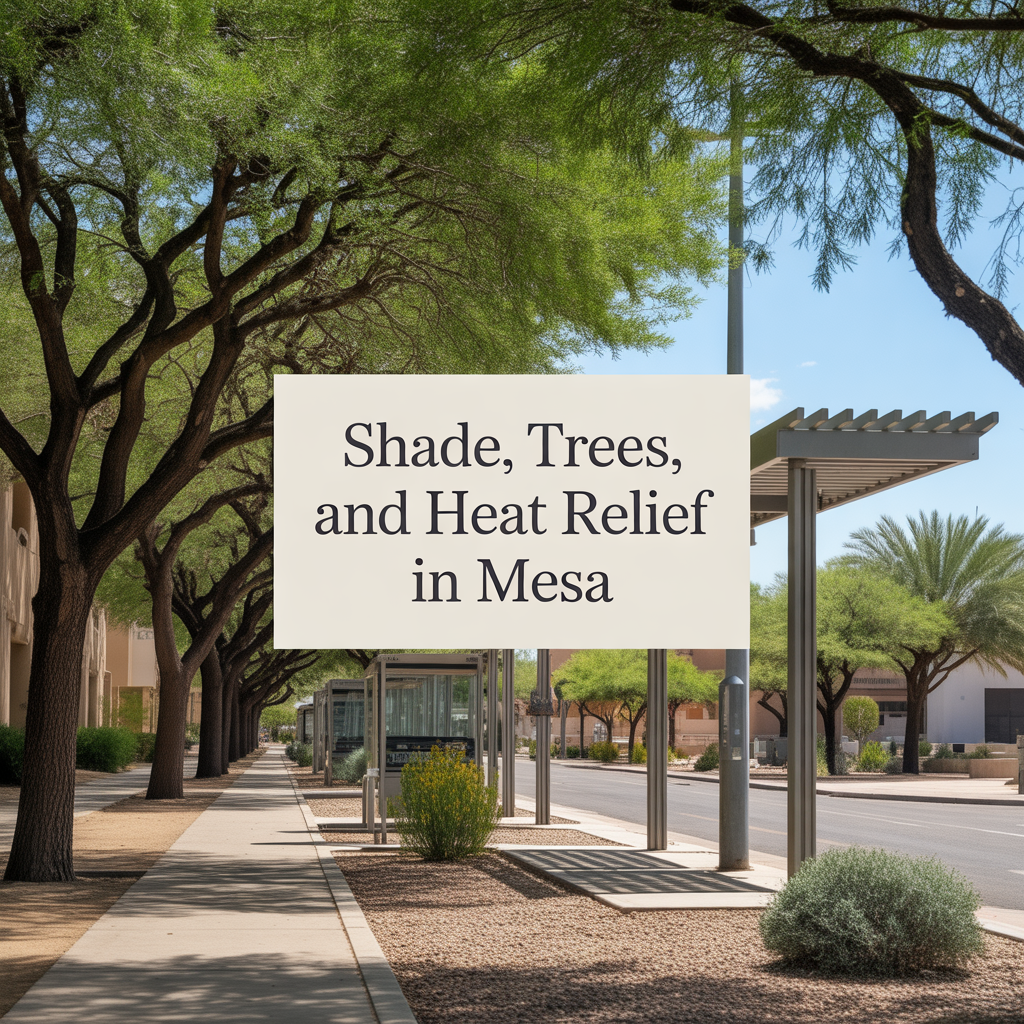
Mesa’s summer heat doesn’t hit everyone the same way—some neighborhoods wrap you in leafy shade that drops the feel by 10 degrees, while others lean on misters and smart design to tame the scorch. I’ve felt that relief firsthand, strolling Eastmark’s tree-lined trails versus downtown’s sunnier stretches, and it’s a quiet game-changer for daily comfort and home value. As your East Valley neighbor, I know how these green differences shape where families thrive through July’s peak.
Mesa’s “Trees Are Cool” push aims for 15% canopy by 2050, planting a million trees citywide, but today’s realities vary by pocket—planned communities lead with deep shade, older cores catch up thoughtfully. Let’s map it out, so you see where heat feels gentler.
Eastmark: Shaded Masterpiece
Eastmark stands out with intentional 20-25% canopy—palo verde, mesquite, and ironwood line every trail, lake, and ramada, cooling paths to 95°F on 108°F days. HOA standards mandate mature trees at build, plus community misters over playgrounds and food truck zones.
Morning walks stay viable till 9 a.m., evenings extend past sunset under fans and foliage. Homes here—single-family or townhomes—feel like shaded retreats, boosting resale 6-8% from “summer-proof” appeal. Families I’ve settled love the e-bike corrals skipping hot cars entirely.
Northeast Foothills: Natural Breeze Buffers
Red Mountain Ranch and Las Sendas perch with 15-20% foothill canopy—saguaro groves, cottonwoods along washes, and golf course oaks catch Superstition breezes, shaving 5-7°F off Valley lows. HOA tree programs add ironwood and desert willow, with misters on trailheads.
Dawn hikes glow cooler, monsoon evenings turn magical under stars filtering through branches. Gated homes gain privacy and relief—perfect for retirees or remote workers valuing that elevated hush. It’s nature’s AC, sustaining long-term livability.
Downtown Revitalization: Emerging Shade
Downtown’s core hovers at 8-12% canopy—palo verdes along Main and Centro are growing, paired with Arts Center misters and ramadas that cool plazas 10°F. New plantings from “Trees Are Cool” target heat-vulnerable blocks, with drought-tolerant mesquites shading sidewalks by 2027.
Lofts off Jefferson enjoy gallery patios with fans; it’s urban resilient, not lush. Young pros embrace the walkable trade-off—shade improves yearly, lifting values via city investments.
Superstition Springs: Retail and Median Relief
Around Signal Butte, medians and mall edges hit 10-15% cover—eucalyptus and queen palms buffer parking lots, while Dobson Ranch HOAs plant ficus for backyard shade. Golfland’s misters and water features add evaporative chill.
Errands feel shaded, evenings cooled by sprinklers. Family homes here balance commerce with green—tree priority maps guide expansions, easing summer drives.
Fiesta District: Campus and Canal Edges
Power Road south blends 10% college-shaded walks—mesquites at Mesa Community College—with canal banks greening Horne streets. Banner Desert adds misters; priority planting targets these heat-hot blocks first.
Townhomes catch storm-cooled paths post-monsoon. It’s practical progress—young families adapt with fans and foliage, values steady from accessibility.
Heat Relief Snapshot
This highlights where shade sustains you.
Real Estate Under the Canopy
Shadier pockets command premiums—Eastmark up 7% from tree equity, foothills from natural buffers. Buyers fear sparse cover (Mesa at 8.5% metro-wide), but free SRP/Mesa Electric trees and workshops ease it—plant now, cool forever.
Sellers showcase: “Mature mesquites, 10° cooler yard.” I’ve audited canopies on tours, revealing hidden relief apps miss. Monsoon watering sustains gains.
Mesa’s Greening Grace
Shade here isn’t luxury; it’s lifelines—trees cooling concrete, filtering heat, nurturing the desert resilience we love. “Trees Are Cool” ensures equity, prioritizing vulnerable spots for shared relief.
It’s thoughtful evolution, making every summer softer.
Let’s Branch Into Your Mesa Home
If shade and heat relief are guiding your search—or highlighting resilient neighborhoods—you don’t have to leaf through options alone. I’m here as your East Valley advisor, ready to map canopies to homes and plant confidence in your choice.
Reach out anytime; together, we’ll find the green that grows your comfort.
Get the full Phoenix Market Insights → [Market Insights]


-
Cost of Living in Rhode Island: Housing, Taxes, Utilities, and Everyday Expenses
-

What If My Commute Becomes Worse Than Expected?
-

How Aging Home Systems Affect Property Value
-

Energy Efficiency Upgrades for Phoenix Homes
-
How to Plan for Major Home System Replacements
-

When Phoenix Homeowners Should Replace Water Heaters
-

Repair vs Replace Decisions for Phoenix HVAC Systems
-
Creating a Long-Term Home Maintenance Plan
-

How Often Phoenix Homes Should Be Professionally Inspected
-
Early Warning Signs of Major Home System Failures
-

How Preventative Maintenance Protects Phoenix Property Value
-

The Best Annual Home Maintenance Plan for Phoenix Homes
-

Electrical Safety Inspections for Older Phoenix Homes
-
Why Whole-Home Surge Protection Matters in Arizona
-

Preparing a Phoenix Home for Electric Vehicle Charging
-

Signs Your Home’s Electrical System Is Overloaded
-
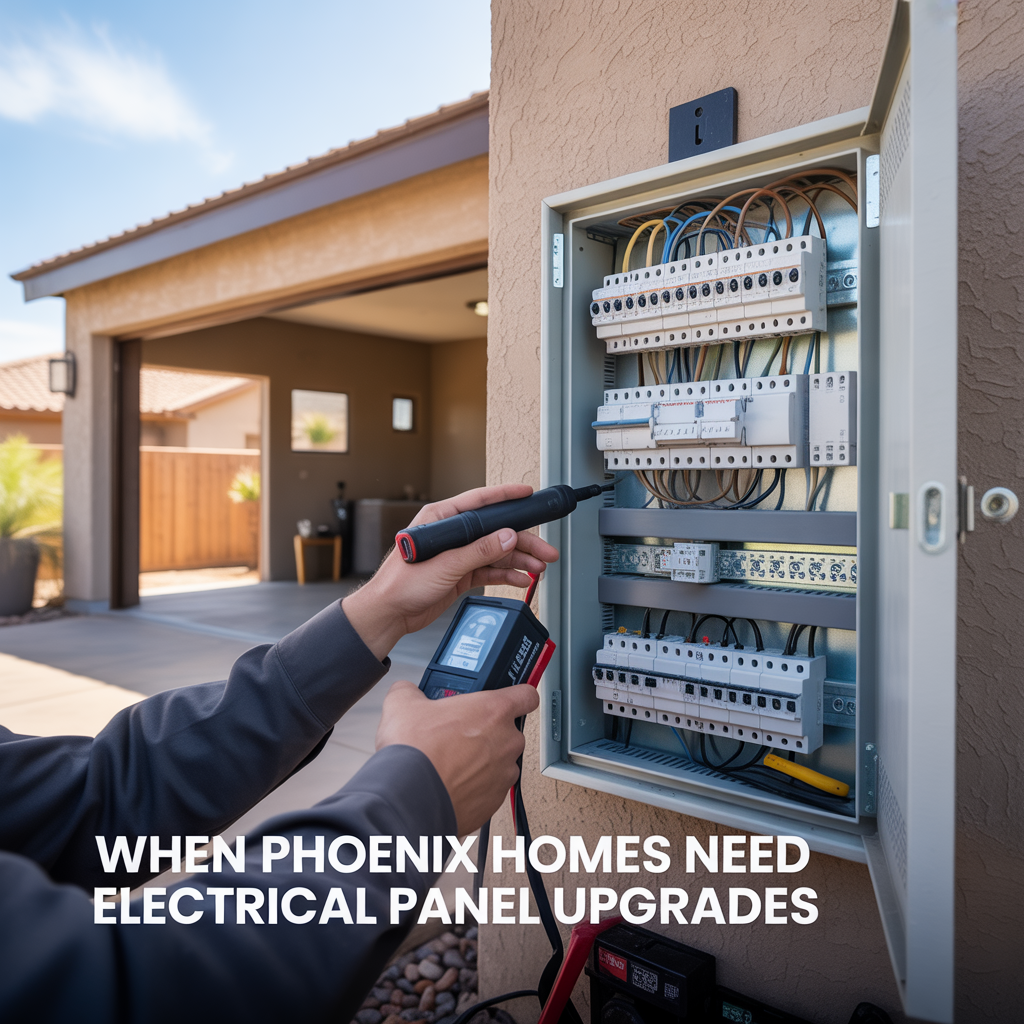
When Phoenix Homes Need Electrical Panel Upgrades
-

Water Pressure Problems in Phoenix Homes Explained
-

Preventing Irrigation Leaks That Waste Water in Desert Landscapes
-

Signs of Hidden Plumbing Leaks in Phoenix Houses
-
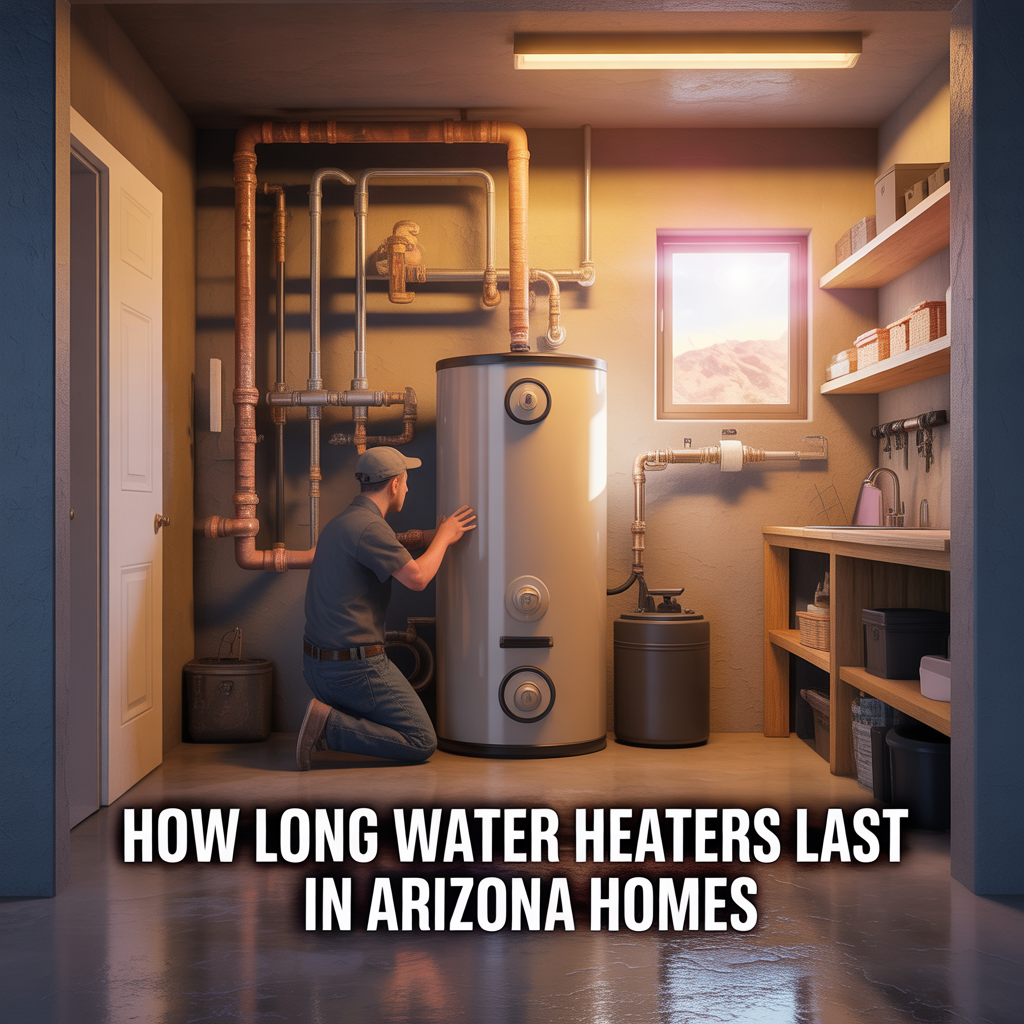
How Long Water Heaters Last in Arizona Homes
-

How Hard Water Affects Plumbing Systems in Phoenix Homes
-

Preventing Water Damage in Phoenix Homes During Storms
-

Roof Maintenance Tips Before Phoenix Monsoon Season
-
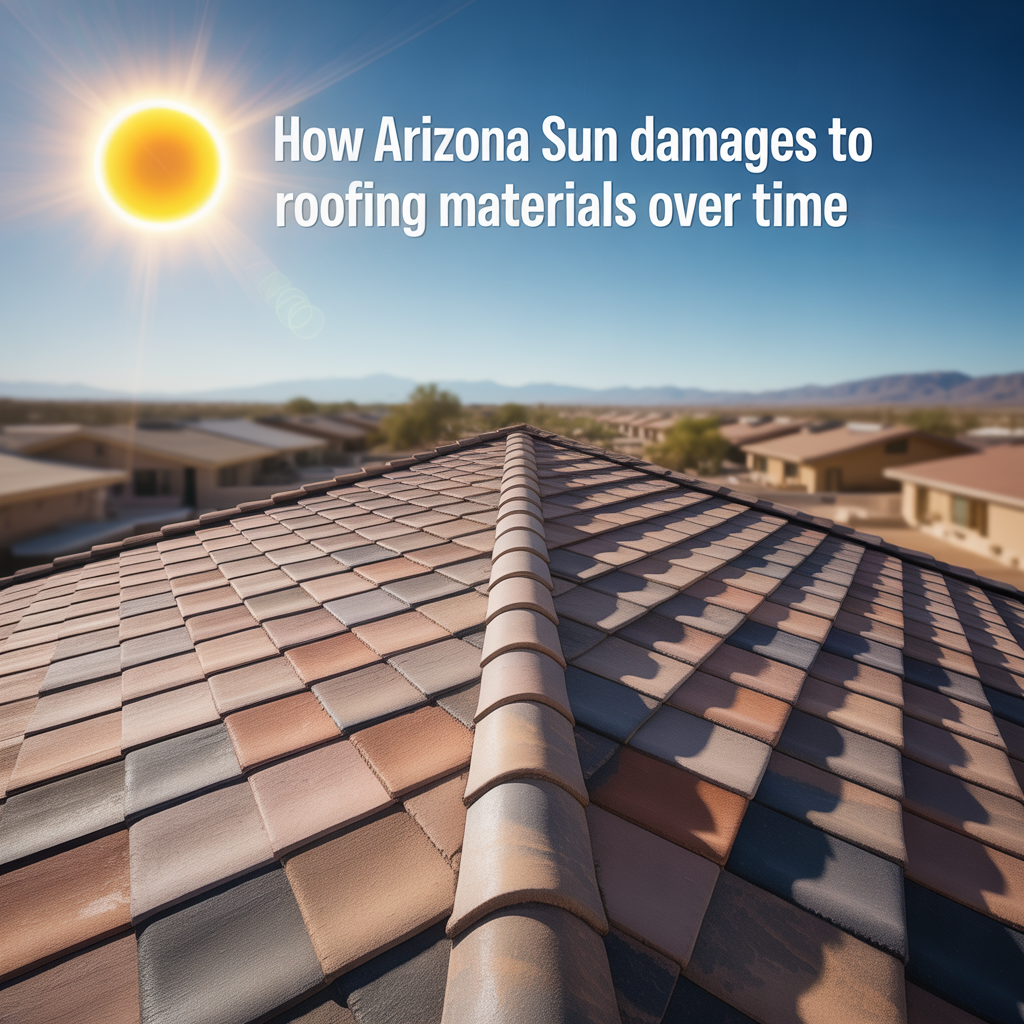
How Arizona Sun Damages Roofing Materials Over Time