


Mesa Lifestyle Guide → [Mesa Lifestyle Guide] & For more info on Mesa Real Estate → [Mesa Real Estate Guide]
Written by: Renee Burke
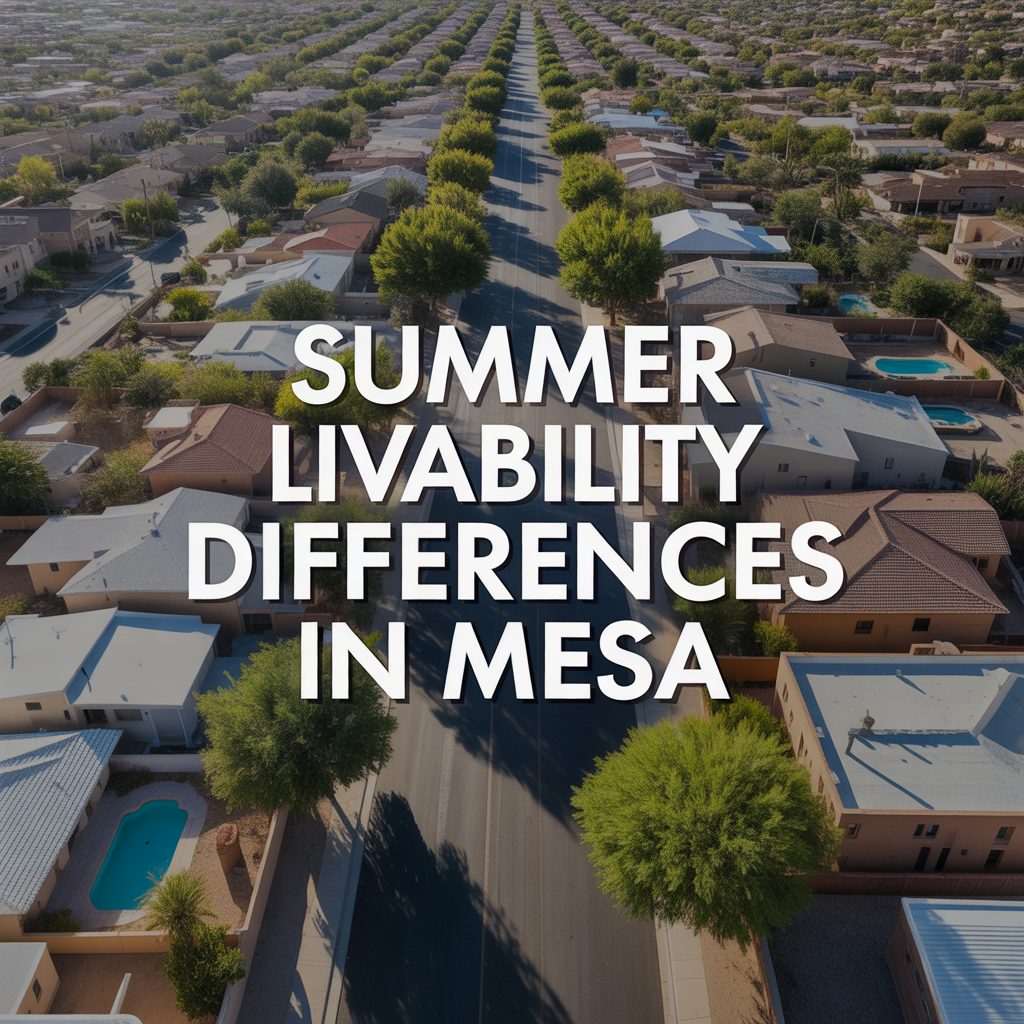
Mesa summers test us all with their relentless heat—July highs averaging 106°F and nights barely dipping to 81°F—but how you experience them depends deeply on your neighborhood’s design, shade, and proximity to relief. I’ve walked clients through sweltering afternoons in downtown lofts versus shaded Eastmark trails, feeling the difference in my bones, and it shapes everything from daily comfort to long-term home satisfaction.
These variations aren’t random; they’re tied to Mesa’s thoughtful evolution—some areas lean into indoor escapes and misting stations, others embrace monsoon-cooled evenings with open spaces. Let’s explore them patiently, so you can picture your summer rhythm here.
Downtown Mesa: Urban Heat Meets Indoor Havens
Downtown’s concrete core—Main Street to Centro—absorbs heat fiercely, with daytime feels pushing 110°F-plus from urban island effects. Sidewalks radiate warmth until 9 p.m., but misting stations at Arts Center plazas and quick hops into air-conditioned Nile Theater lounges or Pedal Haus provide instant relief.
Evenings cool to low 90s with monsoon breezes off South Mountain, making First Fridays magical despite midday scorch. Lofts here thrive for summer owls—walk to cooled galleries, home to chill. Families buffer toward Broadway edges, where tree canopies soften the bake. Resale holds as “summer survivors” seek this walkable resilience.
Superstition Springs: Retail Relief in the Retail Core
Around Signal Butte and Southern, the mall’s massive lots and big-box stores create shaded parking oases amid 105°F afternoons—dash from Target AC to Cheesecake Factory without melting. Golfland Sunsplash’s water slides offer family splashes, while evening retail hums until 9 p.m. under cooling dusk winds.
HOA sprinklers and grass medians temper street heat better than downtown asphalt, dropping feels 5-7°F. Homes in Dobson Ranch enjoy this—quick drives to indoor fun, backyards misted for play. It’s practical livability: commerce as climate shield.
Fiesta District: College Energy and Monsoon Magic
Power Road south of U.S. 60 pulses with shaded awnings at Mesa Community College and Banner Desert’s cooled walkways, ideal for 8 a.m. classes before peaks hit 108°F. Midday seeks campus AC or Posh Prime patios with fans; evenings bring monsoon storms that slash temps to 85°F, sparking impromptu markets.
Townhomes here feel alive yet bearable—hospital shifts mean 24/7 cooled lobbies, canal paths for post-rain walks. Young families adapt seamlessly, blending education access with storm-cooled nights that make July feel seasonal, not savage.
Eastmark: Master-Planned Shade and Water Wisdom
Eastmark’s intentional design shines in summer—lake misters, ramadas over every playground, and 20%+ tree canopy drop feels 10°F versus exposed arterials. Ray Road trails stay viable pre-dawn or post-sunset (14+ hours daylight), with community pools and food truck shaded zones turning 106°F days livable.
Sunset movies under fans feel festive, not forced. Single-family homes here command summer premiums—backyards with roll-down shades, e-bike corrals skipping hot cars. It’s engineered joy: heat managed so life flows.
Northeast Foothills: Elevated Escape
Red Mountain Ranch and Las Sendas perch higher, catching foothill breezes that shave 4-6°F off Valley floor peaks—107°F highs feel like 102°F with elevation and golf course winds. Trails wind through saguaros for dawn hikes, evenings stargazing at 85°F lows without light pollution.
Gated pools and HOA misters make afternoons poolside havens. These pockets suit retirees or remote families—less bustle, more natural AC from monsoon flows down Superstition slopes. Quiet resilience boosts long-term appeal.
Summer Snapshot: Neighborhood Heat Strategies
This compares real feels—plan your summers accordingly.
Real Estate Through the Heat Haze
Summer livability lifts values thoughtfully—Eastmark homes gain 6-8% from shade investments, downtown lofts from indoor perks. Buyers fear “unlivable months,” but AC standards (78°F sweet spot), pool prevalence, and micro-mobility prove otherwise—e-bike shaded paths beat driving hot cars.
Sellers showcase it: “Ramada-ready backyard” or “5-min to misters.” I’ve toured wilting afternoons into cooled havens, revealing truths apps miss. Monsoons (July peaks) add humid drama but vital rain, greening August.
Mesa’s Summer Soul
These differences highlight Mesa’s grace under heat—neighborhoods evolving with shade, water, and wind wisdom to sustain joy through July’s 106°F test. It’s not endurance; it’s adaptation, blending desert toughness with family ease.
East Valley summers build character, rewarding the prepared with monsoon sunsets unmatched anywhere.
Let’s Cool Your Mesa Plans
If summer livability has you eyeing shaded havens or cooled hubs for your home—you don’t have to sweat the details alone. I’m here as your East Valley advisor, ready to map heat maps to neighborhoods and ensure comfort fits your life.
Reach out anytime; together, we’ll find the summer rhythm that feels refreshingly right.
Get the full Phoenix Market Insights → [Market Insights]


-
Cost of Living in Rhode Island: Housing, Taxes, Utilities, and Everyday Expenses
-

What If My Commute Becomes Worse Than Expected?
-
How Aging Home Systems Affect Property Value
-

Energy Efficiency Upgrades for Phoenix Homes
-
How to Plan for Major Home System Replacements
-

When Phoenix Homeowners Should Replace Water Heaters
-

Repair vs Replace Decisions for Phoenix HVAC Systems
-
Creating a Long-Term Home Maintenance Plan
-
How Often Phoenix Homes Should Be Professionally Inspected
-
Early Warning Signs of Major Home System Failures
-

How Preventative Maintenance Protects Phoenix Property Value
-

The Best Annual Home Maintenance Plan for Phoenix Homes
-

Electrical Safety Inspections for Older Phoenix Homes
-
Why Whole-Home Surge Protection Matters in Arizona
-
Preparing a Phoenix Home for Electric Vehicle Charging
-

Signs Your Home’s Electrical System Is Overloaded
-
When Phoenix Homes Need Electrical Panel Upgrades
-

Water Pressure Problems in Phoenix Homes Explained
-

Preventing Irrigation Leaks That Waste Water in Desert Landscapes
-

Signs of Hidden Plumbing Leaks in Phoenix Houses
-
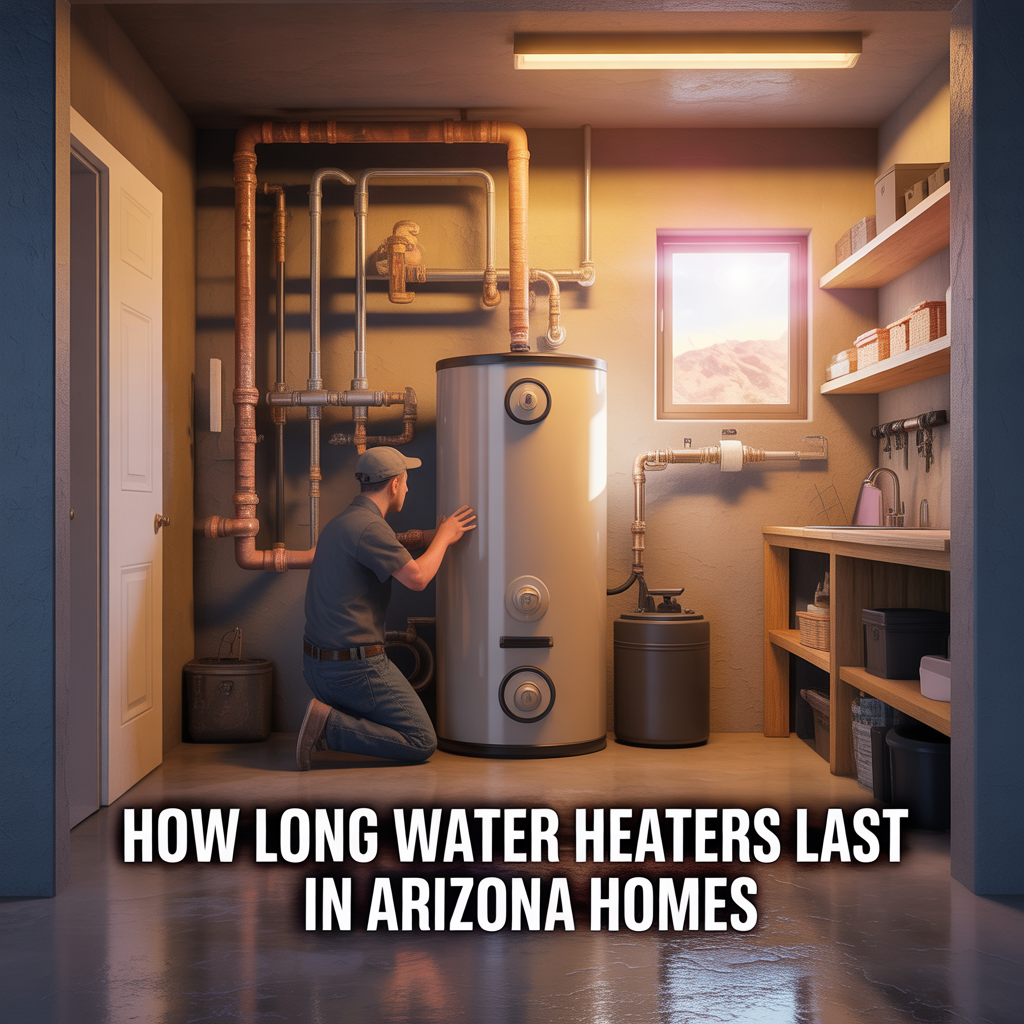
How Long Water Heaters Last in Arizona Homes
-

How Hard Water Affects Plumbing Systems in Phoenix Homes
-

Preventing Water Damage in Phoenix Homes During Storms
-

Roof Maintenance Tips Before Phoenix Monsoon Season
-
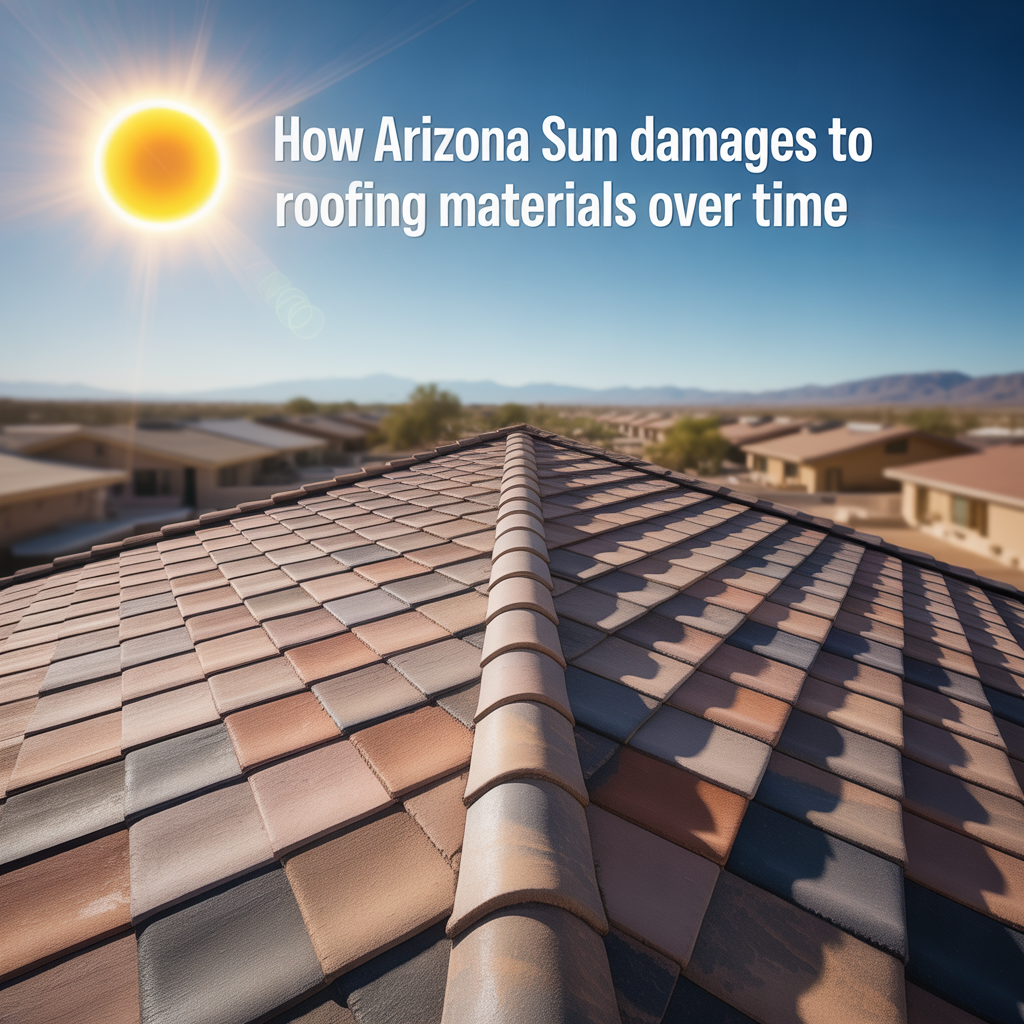
How Arizona Sun Damages Roofing Materials Over Time