


Chandler Lifestyle Guide → [Chandler Lifestyle Guide] & For more info on Chandler Real Estate → [Chandler Real Estate Guide]
Written by: Renee Burke
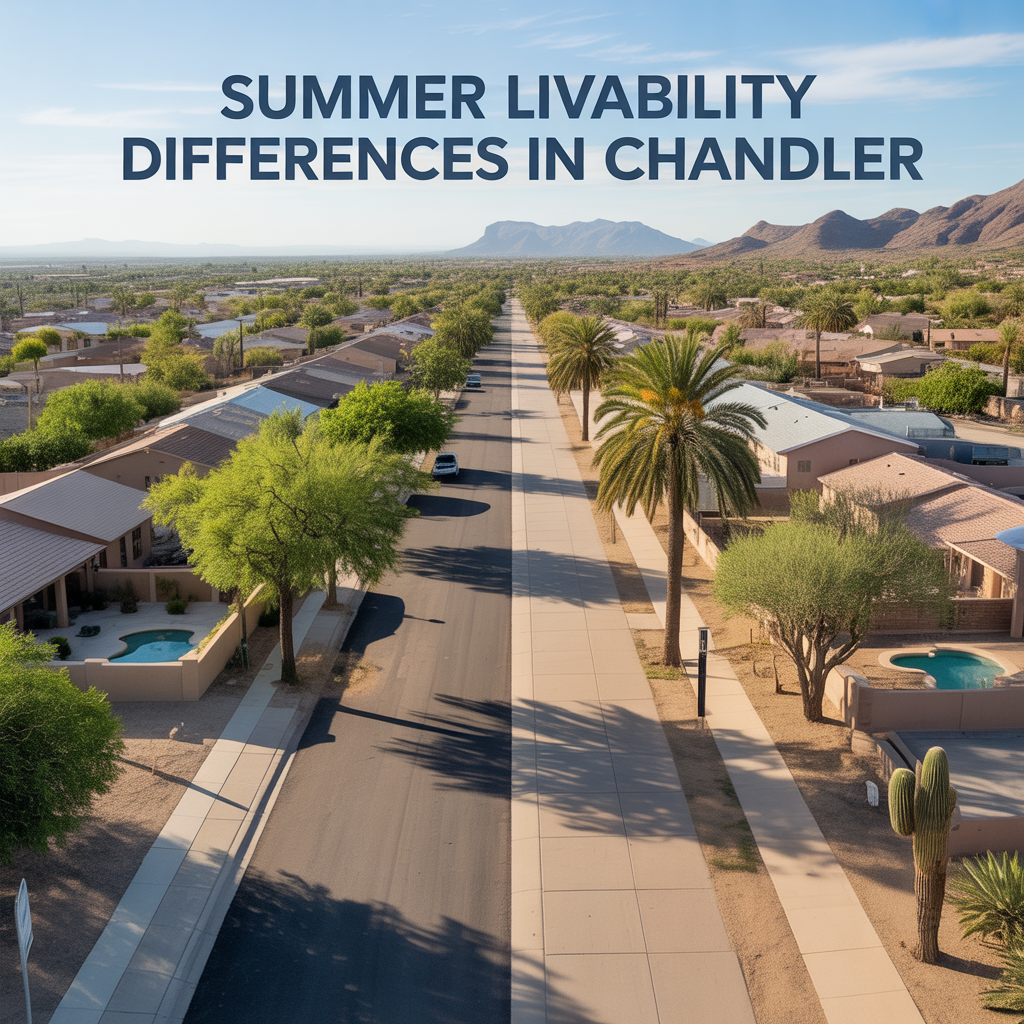
Summer in Chandler tests your mettle like nothing else, with temperatures soaring past 105°F for weeks on end, turning the East Valley into a shimmering furnace from June through September. But here’s the gentle truth I’ve shared with families over years of guiding them through Phoenix metro homes: livability isn’t uniform — it hinges on where you plant yourself, from mist-cooled downtown patios to shaded Northside trails that whisper relief after sunset. Understanding these differences means summers that refresh rather than drain, letting you savor Chandler’s resilient spirit without the scorch.
Downtown Chandler: Vibrant but Heat-Intensified
Downtown around San Marcos Plaza and Boston Street feels the summer squeeze most acutely, where concrete amplifies heat like a skillet, pushing feels-like temps over 115°F midday. Street-side patios at The Perch or Murphy’s Law stay packed evenings thanks to generous misters and frozen margaritas, but walking from free garages (Oregon Street, City Hall) means dodging radiant asphalt from 10 a.m. to 4 p.m. I’ve counseled young professionals in historic lofts here to embrace early mornings for coffee runs and late nights for live music, when breezes finally stir.
Event energy helps — Friday Night Live skips summer but night markets pop up with shaded tents — yet parking lots bake cars to 140°F interiors. Families adapt with stroller sunshades and hydration packs, but noise from always-on bars lingers into humid nights. Livability shines for social souls: walkability trumps heat, resale holds strong. Drawback? Monsoon haboobs cloak the skyline in dust, briefly cooling but leaving grit.
Chandler Fashion Center and South Chandler: Mall Oasis with Suburban Buffer
South at 3177 W. Chandler Blvd., the Fashion Center offers indoor salvation — Round1 arcade, Yard House AC, and food court chill till 9 p.m., metered garages shielding from 106°F peaks. Frye Road arterials shimmer, but Ocotillo’s man-made lakes and lush fairways drop local temps 5-7°F via evaporation, patios at North Italia cooled by lake breezes till 10 p.m. Homes here boast pools as standard, many with retractable awnings and salt systems for daily dips.
I’ve walked buyers through South Chandler estates, noting how private yards with ramadas turn 110°F days into shaded barbecues, kids splashing while adults sip electrolytes under fans. Traffic crawls midday on Ray Road, but Santan Freeway shadows provide fleeting shade. Monsoons dump 1-2 inches briefly, flash-flooding underpasses but greening golf courses overnight. Livability edges high: retail proximity without downtown density, perfect for families balancing Intel commutes with poolside recovery.
North Chandler: Airpark Shade and Green Relief
North of Warner Road, the Price Corridor and Fulton Ranch feel markedly more livable, where mature trees and Airpark canals temper heat to 100-103°F feels-like, a 5°F mercy over exposed southside. Intel campuses pump chilled air from massive units, cafeterias open for shift workers dodging peaks. Uptown Jungle’s indoor playgrounds thrive, parents lounging in 72°F bliss while kids bounce.
Gated enclaves like Fulton Ranch line lakes with palm canopies, morning walks on shaded paths before 9 a.m., evenings lit by string lights post-8 p.m. cooldowns. Homes feature foam-insulated attics and smart thermostats dropping bills 20%, many with north-facing patios catching rare clouds. Loop 101 overpasses offer dappled shade for drives, Dutch Bros drive-thrus stocked with iced refreshers. Families I guide here rave about bike trails under canopies, monsoons contained by superior drainage. Quiet amplifies rest — crickets over car hums after dark.
East Chandler: Rural Edges and Santan Shadows
East along McQueen Road toward Gilbert, orchard pockets and horse properties breathe easiest, vast lots with citrus groves evaporating moisture to cool microclimates 8°F below urban cores. Tumbleweed Park’s rec center AC hosts camps, pecan shades inviting picnics post-6 p.m. when mercury dips to 92°F. Newer subdivisions off Germann Road prioritize deep setbacks and xeriscape, pools with arbors standard.
Commutes via Santan Freeway benefit from elevated shade, less radiant buildup than ground-level arterials. Monsoon drama plays softer here — less impervious surface means slower runoff. I’ve matched growing families to these tracts for the space: backyard misters, fruit trees for natural shade, evenings alive with fireflies post-storm. Livability peaks for self-sufficient types, though big-box runs require 10-minute hops.
West Chandler: Wild Horse Pass Breeze and Resort Buffers
West via Loop 202, Wild Horse Pass resorts mist patios perpetually, casino AC a 24/7 refuge drawing locals for buffets when home AC strains. Rawhide’s western shade trees cluster play areas, I-10 winds occasionally gusting cooler air from higher elevations. Rural ranches here space out heat islands, starlit skies post-sunset a balm after 115°F highs.
Peak Heat Strategies Across Zones
Noon-4 p.m. universally indoor: libraries, malls, community centers free AC. Hydration stations dot parks, misting portals downtown. Apps track heat index, monsoons (July-September, 12% rain chance) bringing 80°F relief but lightning risks. Nights cool slowest downtown (lows 80°F), fastest east (70s).
Fears of unlivable scorch? Mitigated — 300+ sunny days build resilience, EV pre-cools cars remotely. Pools ubiquitous (90% homes), seasonal closures rare with solar blankets.
Lifestyle and Real Estate Nuances
Downtown suits night owls, North families with kids’ camps, South retirees pool-hopping. Values reflect: shaded North premiums 8%, South lake lots steady. Sellers stage misters running, buyers test midday walks. Growth adds: neighborhood cooling centers, tree-planting mandates.
Monsoons unify — dramatic sunsets bond neighbors. Summer forges Chandler character: resilient, sun-kissed, alive.
Chandler summers vary by vantage, but each corner offers ways to thrive under the relentless sun.
If you’re thinking about making a move in Phoenix, you don’t have to figure it out alone — reach out anytime, and I’ll guide you through the details with the care you deserve.
Get the full Phoenix Market Insights → [Market Insights]


-

Pool Liability and Insurance in Phoenix
-
Protecting Outdoor Structures and Shade Systems
-

HVAC Failures and Insurance Coverage
-
Roof Maintenance for Phoenix Climate Conditions
-

Preventing Water Damage in Desert Landscapes
-

How Monsoon Storms Affect Phoenix Homes
-

Why Policy Structure Matters More Than Premium
-

Understanding Coverage Limits and Exclusions
-

What Personal Property Coverage Actually Includes
-

How Liability Coverage Protects Homeowners
-
Replacement Cost vs Market Value in Phoenix Insurance
-

Understanding Deductibles Before You Need Them
-

How Renovations Affect Insurance Coverage
-

When to Review Your Home Insurance Policy
-

Why Replacement Cost Matters in Phoenix Insurance Policies
-

When a House Truly Starts to Feel Like Home
-
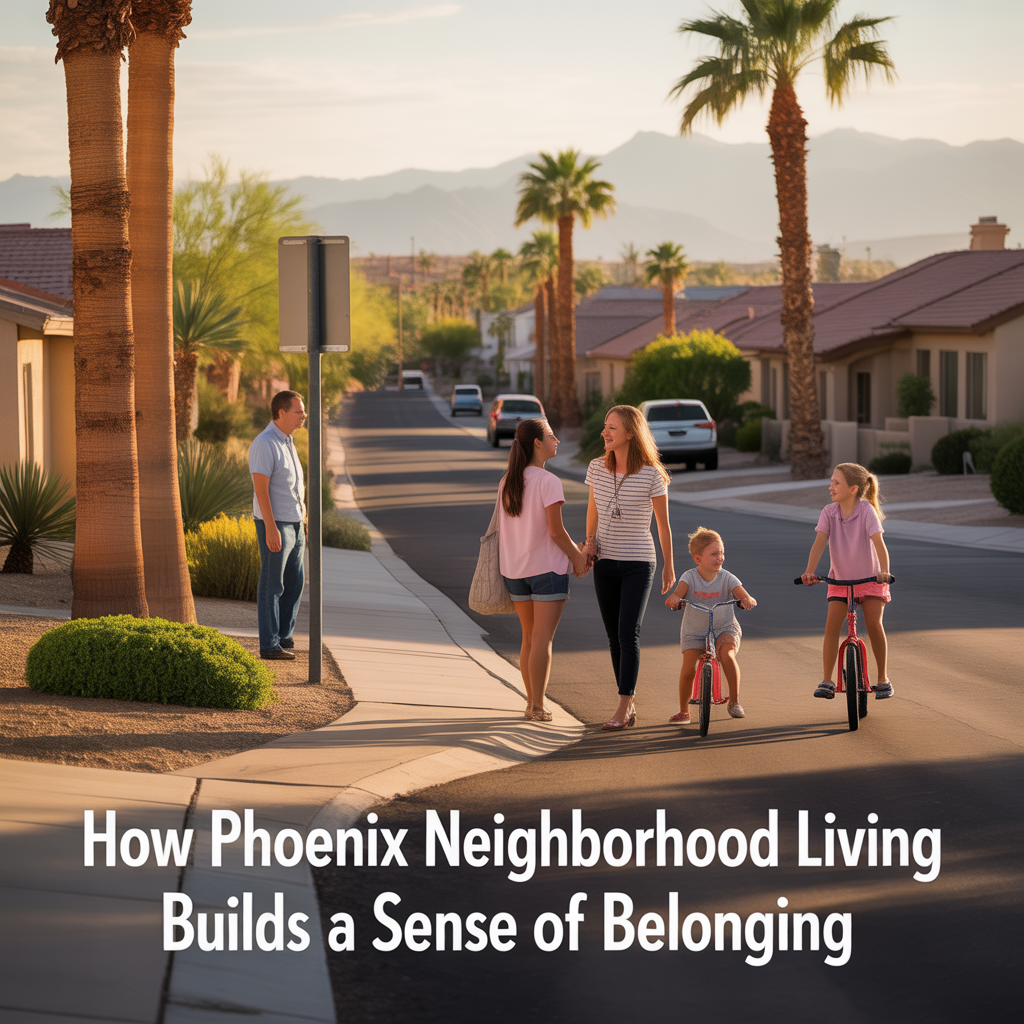
How Phoenix Neighborhood Living Builds a Sense of Belonging
-

Why Stability Plays a Major Role in Long-Term Home Satisfaction
-

How Familiarity Changes the Experience of Living in a Home
-
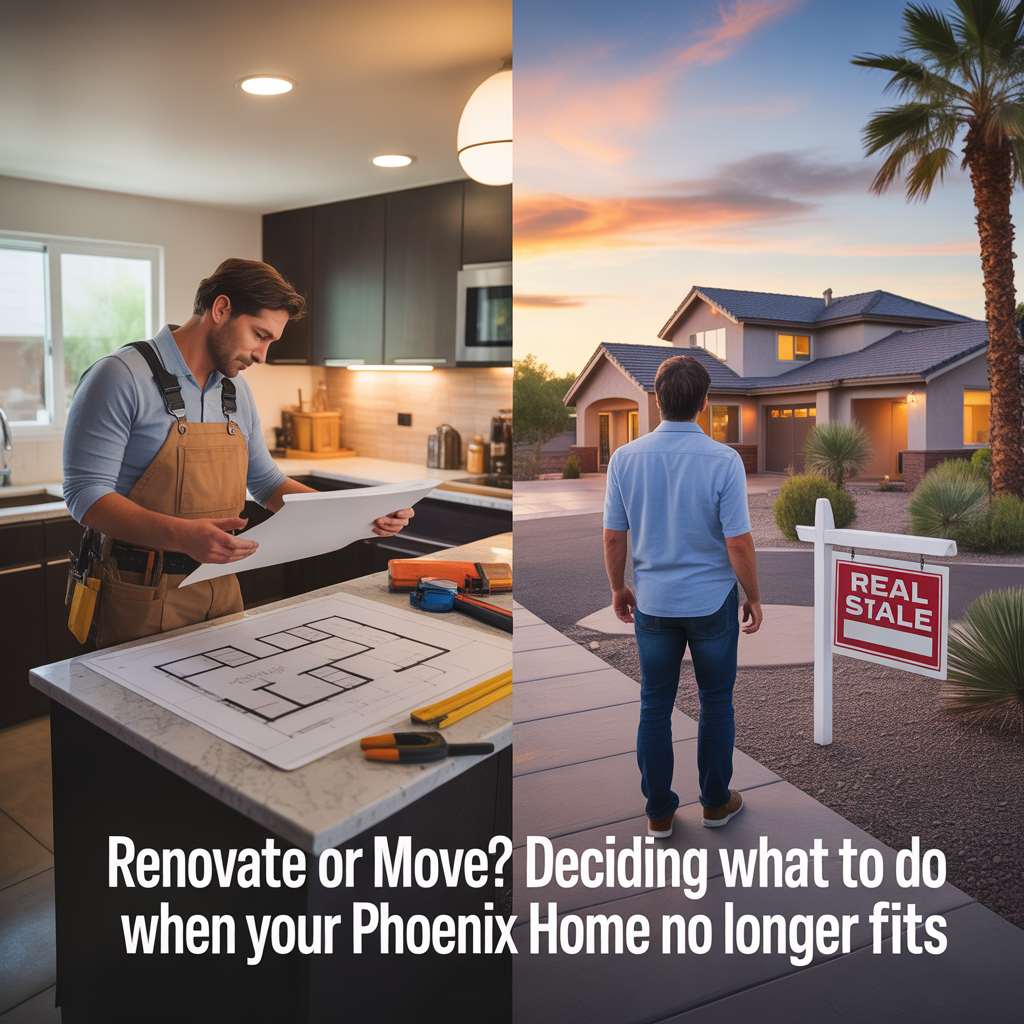
Renovate or Move? Deciding What to Do When Your Phoenix Home No Longer Fits
-
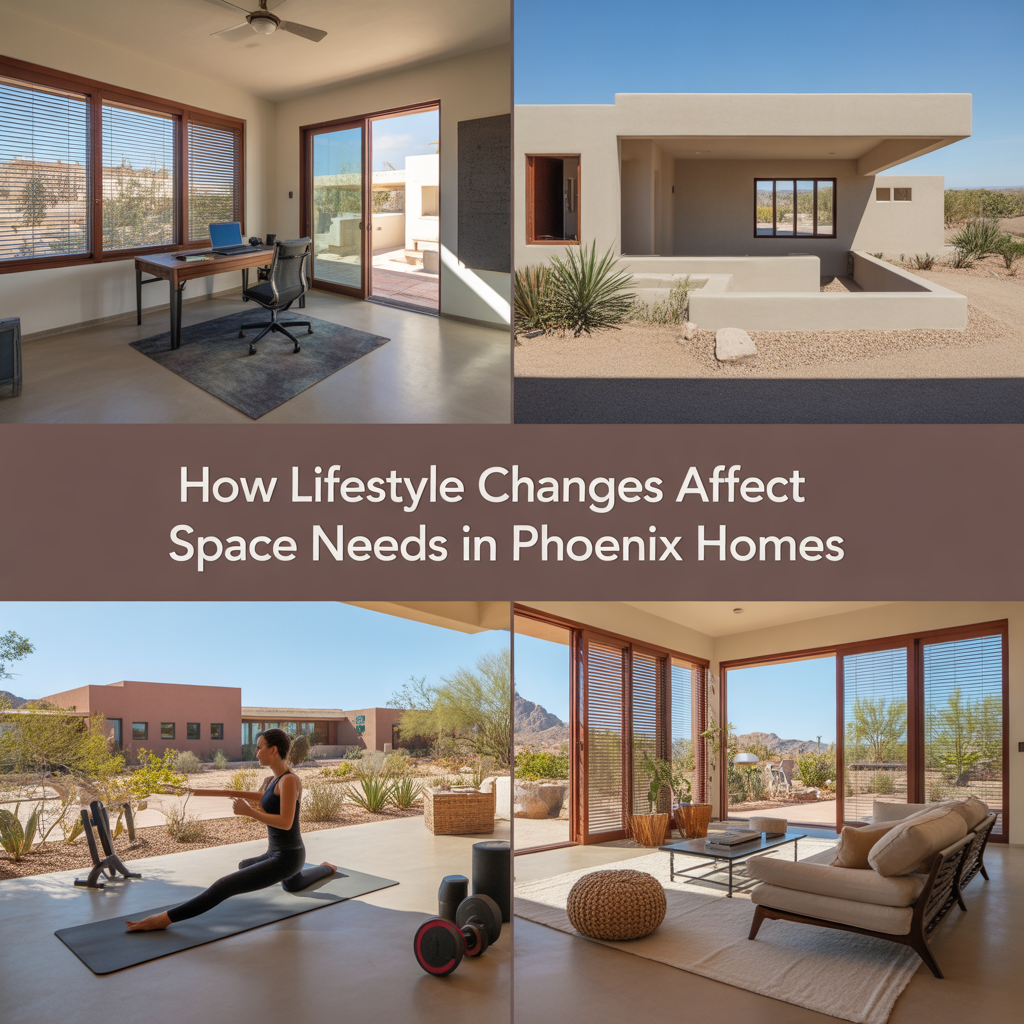
How Lifestyle Changes Affect Space Needs in Phoenix Homes
-
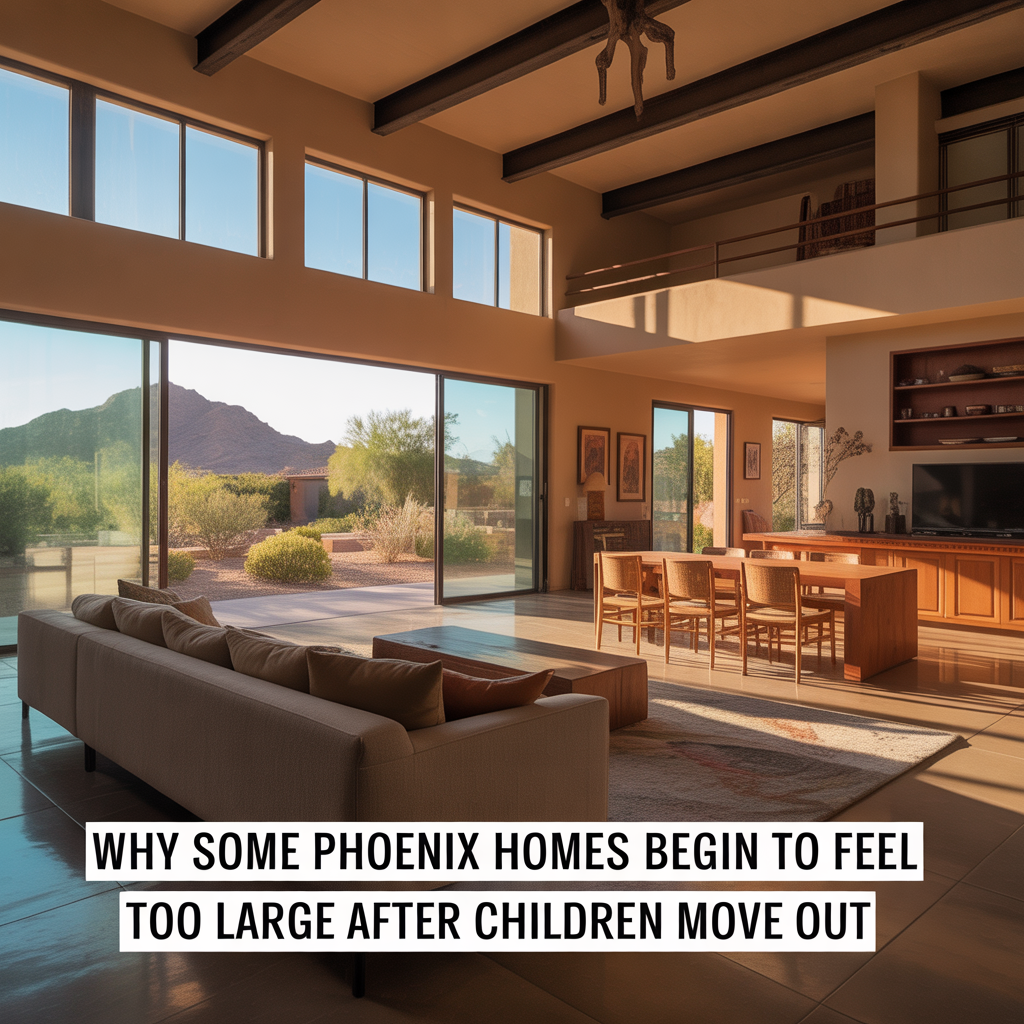
Why Some Phoenix Homes Begin to Feel Too Large After Children Move Out
-
When Homeowners Begin Considering Moving to a Larger Phoenix Home
-

Signs Your Phoenix Home Is Starting to Feel Too Small for Your Family
-

How Desert Landscaping Evolves Over Years of Phoenix Homeownership