



Chandler Lifestyle Guide → [Chandler Lifestyle Guide] & For more info on Chandler Real Estate → [Chandler Real Estate Guide]
Written by: Renee Burke
I’ve held the hands of so many first-time buyers through the frenzy of Chandler’s hot neighborhoods, watching their dreams collide with reality in the form of offers $30,000–$50,000 over ask. They walk away with keys in hand, hearts full, but budgets stretched thin — wondering later how they ended up overpaying in places like Cooper Commons or Fulton Ranch edges. It’s not bad math or poor planning; it’s the emotional pull of Chandler’s prime pockets, where top schools, tech commutes, and park proximity create bidding wars that catch even savvy shoppers off guard. As your local guide who’s seen this cycle repeat, I can gently explain why it happens and how to step in wiser, protecting your hard-earned down payment without missing the home that calls to you.
This isn’t about avoiding competition — Chandler’s best blocks will always draw crowds. It’s about understanding the hidden currents that lead to overpaying, so your first purchase builds equity, not regret.
The Allure of “Perfect” Neighborhoods Clouds Judgment
Chandler’s competitive enclaves — think Andersen Springs with its community pools, or the walkable edges of Downtown near Dr. A.J. Chandler Park — sell a lifestyle that feels irresistible to first-timers. You’ve saved for years, pictured family barbecues by green belts, kids biking to Chandler Unified A-rated schools like Basha or Knox. When a three-bedroom pops up at $475,000 list in Cooper Commons, it checks every box: updated kitchen, yard for the dog, five minutes to Intel.
But here’s the quiet trap: everyone else sees it too. Relocators from California, local young families upsizing — they flood in with pre-approvals, waiving appraisals, offering escalations. You match the $510,000 winning bid, feeling victorious. Months later, comps show you paid $25,000 above true value. Why? FOMO — fear of missing out — whispers that this is “the one,” blinding you to similar gems two streets over at list price. In Chandler’s core, desirability trumps dollars; emotion bids up 5–10% premiums routinely.
School Boundaries and Job Proximity Fuel the Fire
First-timers prioritize like lasers: Chandler Unified boundaries for elite academics, Price Corridor access for Microchip or NXP shifts. Neighborhoods like Fulton Ranch fringes or Sun Groves become battlegrounds because they deliver both — Hamilton High feeder patterns, Loop 202 hops to Phoenix. A $450,000 starter lists, but three offers roll in day one: all waive inspections, promise quick closes.
You overpay because the mental math screams “irreplaceable.” But mature Chandler has overlap — strong schools span wider than you think, commutes under 15 minutes abound eastside. Yet in the heat, buyers ignore it, chasing that precise pin-drop perfection. I’ve counseled couples who stretched $40,000 over, only to learn a $425,000 equivalent in nearby Ocotillo outskirts fed the same schools. Competition amplifies scarcity bias; you pay for perceived uniqueness.
Low Inventory Meets High Emotion
Chandler’s built-out status means slim pickings in entry-level ranges ($400K–$500K). Well-priced homes in competitive spots — Dobson Place suburbs or Cooper Commons poolsides — linger hours, not days. Sellers know it, pricing aggressively: $10K under comps to spark wars. Buyers, eager to “win,” escalate blindly, forgetting negotiation levers like closing costs or repairs.
Emotion peaks at open houses: families envision holidays, pros picture home offices. You submit $492,000 on a $465,000 list, beating two others. Later, appraisal gaps force renegotiation or cash from savings. First-timers lack the repeat-buyer scar tissue to pause; it’s their shot at the dream, so they lunge.
Lender and Program Pitfalls Amplify the Stretch
FHA loans with 3.5% down dazzle first-timers, but caps (43% debt-to-income) push budgets tight. Down payment assistance — Chandler’s city grants up to $20K, Home Plus matches — lowers barriers, injecting more buyers into hot pools. Suddenly, a $480K home feels “affordable” at $2,400/month, ignoring rate locks at 6.5% or rising insurance ($3K/year).
Pre-approvals boost confidence, leading to aggressive bids. Tradeoff? Less wiggle room for overages. I’ve seen buyers celebrate $515K wins, then scramble when taxes hit harder in amenity-rich spots. Programs empower entry, but fuel frenzies where emotion overrides equity math.
The Psychology of the First Win
Debut buyers crave validation — that “I did it” rush. Chandler’s competitive hum delivers: multiple offers feel exclusive, like snagging a rare table at The Ostrich. Social proof kicks in — “Everyone’s paying up!” — ignoring broader trends. Friends’ Instagram closes normalize premiums; agents (sometimes) nudge escalations for commissions.
Regret brews later: neighbors bought identical blocks at list six months prior. Overpaying erodes buffer for rates hikes or repairs — flat roofs age fast in desert sun, ACs guzzle summer power.
Spotting the Signs and Sidestepping Overpayment
Wise first-timers arm themselves:
- Comps Deep-Dive: Review six months’ sales, not headlines. Adjust for updates — your $500K “steal” might mirror $470K flips.
- Neighborhood Breadth: Explore adjacent pockets — eastside Sun Groves rivals core Cooper for schools/commutes at 5–7% less.
- Bid Caps: Set personal ceilings pre-tour. Waive smartly (appraisal only), but hold inspection for red flags.
- Off-Market Whispers: Locals like me tap networks for unlisted gems, dodging public wars.
- Future Lens: Buy for five-year hold — Chandler appreciates 4–6% yearly, softening short-term overpays.
Test-drive: rent nearby first if possible, feel the rhythm.
Real Stories from My First-Timers
A teacher duo overpaid $35K in Andersen Springs chasing pools — loved it, but refinanced twice for breathing room. An engineer held firm at list in Fulton edges, saved $20K, same lifestyle. Lesson: patience pays in waves.
The Silver Lining of Competitive Wins
Overpaying isn’t ruinous here — Chandler’s resilience recoups fast. Hot neighborhoods hold value; your “stretch” becomes baseline in two years. It teaches market savvy for upgrades.
But starting smart builds stronger foundations.
A Thoughtful Next Step
Overpaying stings less with a guide who knows Chandler’s pulse — timing bids, spotting value, guarding your wins.
If you’re thinking about making a move in Phoenix, you don’t have to figure it out alone.
I’m here for your walkthroughs, strategy sessions, peace of mind. Let’s find your sweet spot.
Get the full Phoenix Market Insights → [Market Insights]


-
Cost of Living in Rhode Island: Housing, Taxes, Utilities, and Everyday Expenses
-

What If My Commute Becomes Worse Than Expected?
-

How Aging Home Systems Affect Property Value
-

Energy Efficiency Upgrades for Phoenix Homes
-
How to Plan for Major Home System Replacements
-

When Phoenix Homeowners Should Replace Water Heaters
-

Repair vs Replace Decisions for Phoenix HVAC Systems
-
Creating a Long-Term Home Maintenance Plan
-

How Often Phoenix Homes Should Be Professionally Inspected
-
Early Warning Signs of Major Home System Failures
-

How Preventative Maintenance Protects Phoenix Property Value
-

The Best Annual Home Maintenance Plan for Phoenix Homes
-

Electrical Safety Inspections for Older Phoenix Homes
-

Why Whole-Home Surge Protection Matters in Arizona
-

Preparing a Phoenix Home for Electric Vehicle Charging
-

Signs Your Home’s Electrical System Is Overloaded
-
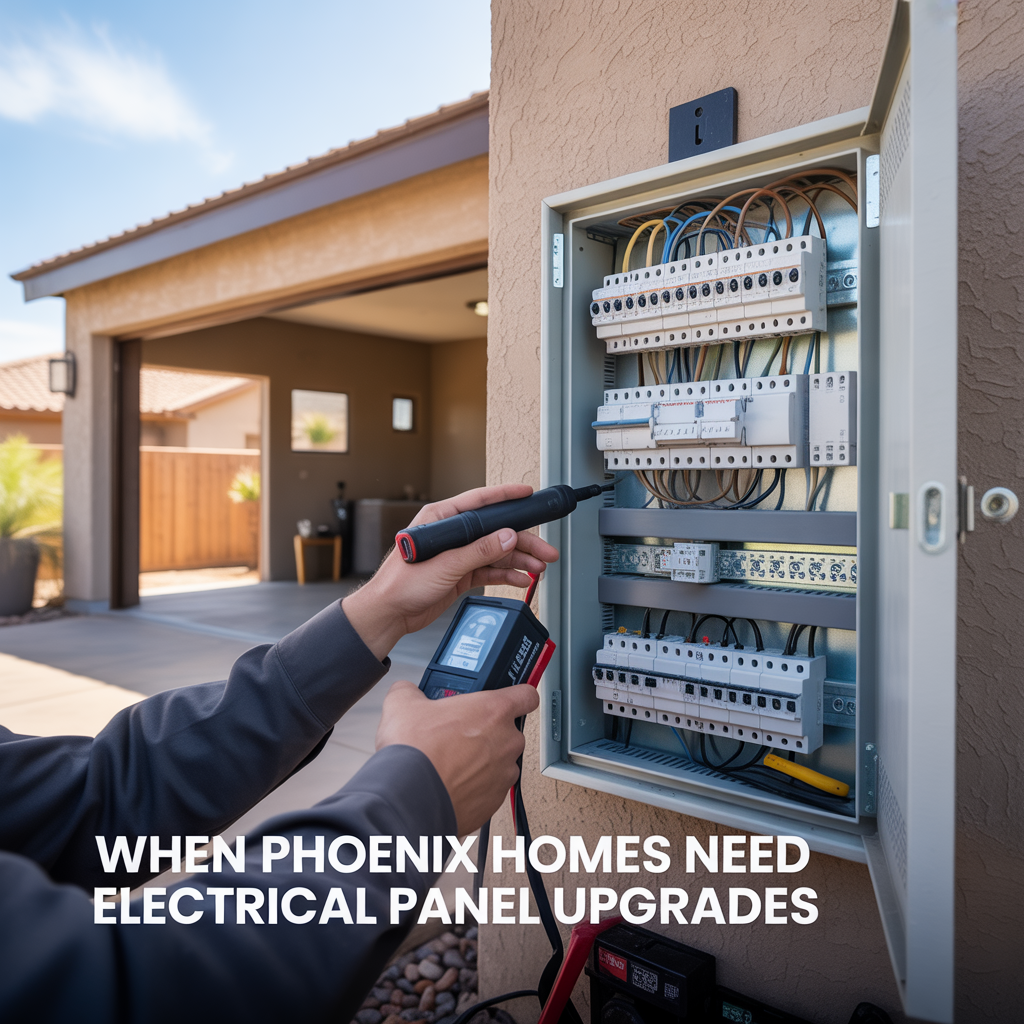
When Phoenix Homes Need Electrical Panel Upgrades
-

Water Pressure Problems in Phoenix Homes Explained
-

Preventing Irrigation Leaks That Waste Water in Desert Landscapes
-

Signs of Hidden Plumbing Leaks in Phoenix Houses
-

How Long Water Heaters Last in Arizona Homes
-

How Hard Water Affects Plumbing Systems in Phoenix Homes
-

Preventing Water Damage in Phoenix Homes During Storms
-

Roof Maintenance Tips Before Phoenix Monsoon Season
-

How Arizona Sun Damages Roofing Materials Over Time