


Chandler Lifestyle Guide → [Chandler Lifestyle Guide] & For more info on Chandler Real Estate → [Chandler Real Estate Guide]
Written by: Renee Burke
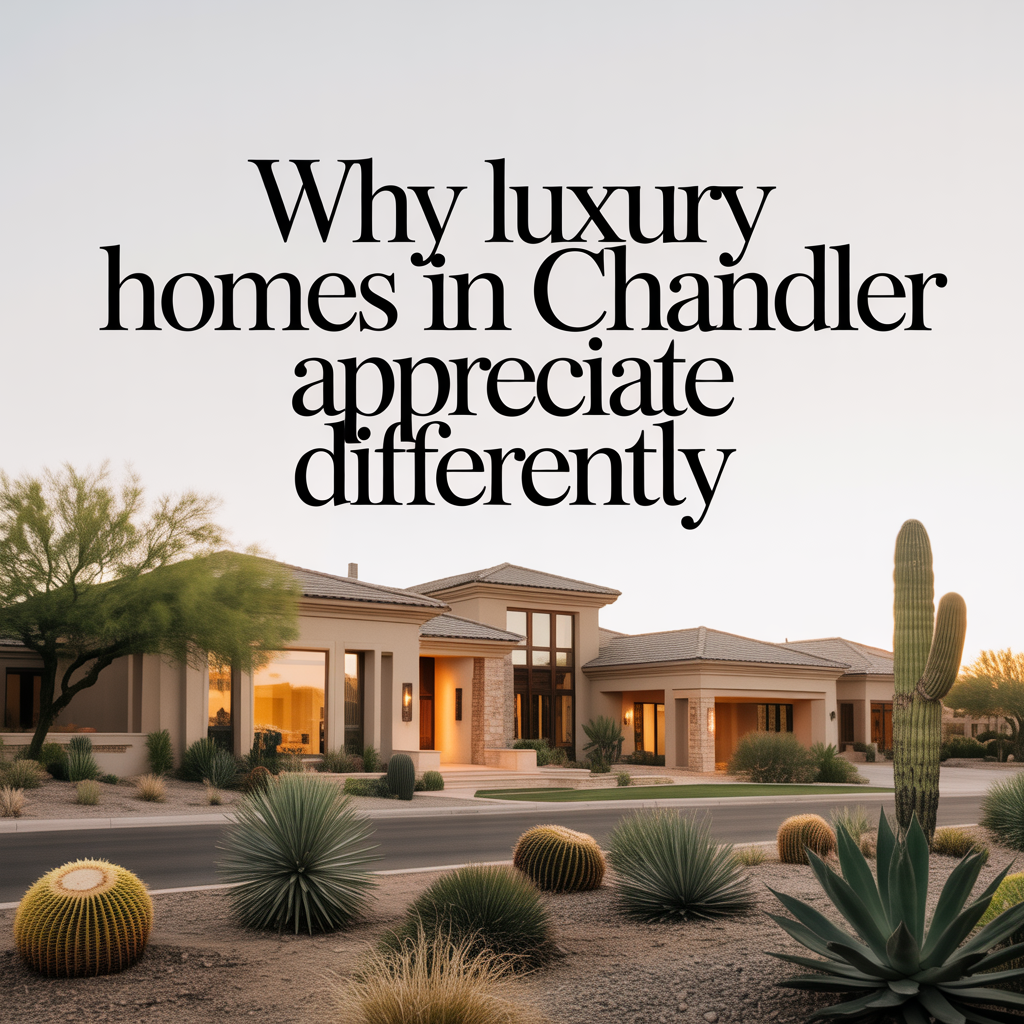
There’s something quietly magical about luxury homes in Chandler — the way a sunset glints off the lakes in Ocotillo or how Fulton Ranch estates seem to settle into the landscape like they’ve always belonged. These aren’t just bigger houses; they’re statements of a life well-lived, crafted for those who value privacy, craftsmanship, and a sense of place. But if you’ve ever wondered why these high-end properties appreciate on their own terms — often outpacing the broader market in subtle, steady ways — it comes down to a few unique factors that set Chandler’s luxury segment apart. I’ve walked the gated drives and private courtyards of these homes for years, and what I’ve seen is a story of resilience, selectivity, and long-term allure that doesn’t follow the same rhythm as entry-level or mid-range sales.
Let me share why luxury in Chandler holds — and grows — its value differently, blending the market realities with the lifestyle whispers that only locals truly understand.
The Elite Buyer Pool: Discerning, Not Desperate
Luxury homes here don’t chase mass appeal; they attract a refined crowd — think C-level executives from Intel or Microchip, relocating physicians, or entrepreneurs cashing out from California startups. These buyers aren’t scrolling Zillow at midnight; they’re working with advisors, prioritizing intangibles like lot privacy, custom builds, and proximity to the Price Corridor without the noise of urban sprawl.
In a typical market dip, while starter homes might see 5-10% corrections, Chandler luxury often dips just 2-4% — or holds flat. Why? These buyers have equity, liquidity, and a long horizon. They’re not flipping; they’re nesting for a decade or more. That stability means sellers rarely slash prices, preserving baseline values. Over time, this selectivity drives appreciation that’s smoother, often 4-7% annually in strong enclaves, even when median Chandler prices cool.
It’s reassuring, really — your luxury investment isn’t at the mercy of first-time buyer whims.
Scarcity in a Built-Out Canvas
Chandler’s luxury appreciation thrives on what the city lacks: raw land for new mega-estates. While Queen Creek or South Gilbert can still spin up sprawling custom lots, Chandler’s core luxury pockets — Ocotillo, Fulton Ranch, and the estates off Alma School — are finite. Developers pivoted to infill years ago: think renovated mid-century ranches with resort-style pools or modern spec homes blending desert contemporary with smart tech.
This scarcity creates a bottleneck. When a $1.5M+ listing hits the market in Fulton Ranch, it’s often the only one of its caliber for months. Buyers compete quietly, off-market deals flourish, and values inch up through sheer demand pressure. Compare that to broader Chandler, where townhomes and track homes multiply faster, diluting per-square-foot gains. Luxury here benefits from a “one-of-one” premium — lots backing to washes or golf courses that can’t be replicated.
In my experience, properties with these rare features have appreciated 10-15% more than neighborhood averages over five years, a quiet compound effect.
Amenities as Equity Engines
What truly sets Chandler luxury apart is how deeply it’s woven into premium lifestyle infrastructure. Take Ocotillo: 2,000 acres of man-made lakes, private beach clubs, and equestrian trails aren’t just perks; they’re value multipliers. Owners pay dues, yes, but resale buyers covet the lock-and-leave ease for snowbird seasons or the social calendar of wine dinners and yacht outings. Fulton Ranch offers similar polish — village shopping, infinity-edge views, and a country club vibe without Scottsdale stuffiness.
These aren’t generic HOAs; they’re curated ecosystems that age like fine wine. In softer markets, amenity-rich luxury homes sell 20-30% faster than comparables without, holding prices firm. Appreciation accelerates as younger luxury buyers (millennials hitting executive tracks) upgrade into them, willing to pay for turnkey elegance over raw square footage.
Broad-market homes lean on schools or commutes; luxury here sells a private world that enhances daily life and resale appeal.
Market Cycles: Luxury’s Unique Rhythm
Luxury doesn’t boom and bust like the median market. During the 2020-2022 frenzy, Chandler medians surged 25% yearly, but luxury climbed a steadier 15-20% — affluent buyers had options elsewhere, so prices reflected true value, not FOMO. Post-2023 rate hikes, while $500K homes softened 5-7%, $1M+ estates barely blinked, with some even gaining as cash buyers scooped distressed luxury from over-leveraged owners.
This pattern repeats because luxury transactions are less rate-sensitive. Many are cash or near-cash, sidestepping mortgage volatility. Investors eye them for 1031 exchanges, treating Chandler luxury as a “safe harbor” in the East Valley — stable cap rates around 3-4%, with appreciation covering the hold. National luxury reports echo this: top-tier segments often outpace traditional markets by 1-2% yearly, a trend Chandler mirrors thanks to its tech wealth influx.
It’s a gentler curve, but one that trends reliably upward.
Craftsmanship and Customization: The Hidden Driver
Chandler luxury homes appreciate differently because they’re built differently. Slab granite islands and builder-grade pools? That’s mid-market. Here, we’re talking imported stone, Crestron automation, and outdoor kitchens rivaling resort spas. Buyers invest 20-30% more upfront in these details, and they pay dividends on exit — updated luxury resells at $350-450/sq ft, versus $280-300 for standard homes.
Renovation cycles help too. A 10-year-old Fulton Ranch estate might refresh with a La Cantina glass wall or solar integration, boosting value 15-20% instantly. These aren’t cosmetic flips; they’re future-proofing that aligns with buyer tastes shifting toward wellness (cold plunge pools, EV-ready garages) and sustainability. In contrast, average Chandler homes age faster, needing full rehabs that erode equity.
Thoughtful owners — and I’ve advised many — treat these homes like heirlooms, compounding gains through stewardship.
Demographics and Demand Shifts
Who’s buying luxury now? It’s evolving. Tech transplants from Silicon Valley seek $2M modern farms near Veterans Oasis. Retirees downsize into $1M villas for the lock-and-leave life. Empty-nesters trade Paradise Valley excess for Chandler’s easier vibe — less pretension, more authenticity. This broadens the pool, ensuring demand even as local families age out.
Remote work amplified it: luxury buyers prioritize home-as-sanctuary, with offices rivaling clubhouses. Meanwhile, Chandler’s low property taxes (compared to coastal peers) and no state income tax sweeten the math, drawing high earners nationwide.
Challenges and Realities
Luxury isn’t flawless. Oversized “McMansions” on small lots can lag if they feel dated. Maintenance costs sting — pool service, HOA fees — and staging matters more; unstaged luxury sits twice as long. Heat and water scarcity spark valid concerns, but Chandler’s recycled water initiatives and shaded lots mitigate them better than most.
Yet these hurdles filter the market, weeding out flippers for committed stewards who nurture appreciation.
A Quick Snapshot of Appreciation Drivers
- Scarcity premium: Finite lots in premium enclaves lift values 10-15% above medians.
- Amenity lock-in: Gated, resort-style features speed sales, cut concessions.
- Buyer quality: Affluent, patient pool ensures steady, rate-resistant gains.
- Customization edge: High-end builds command $75-100/sq ft premiums on resale.
The Long View on Chandler Luxury
In the end, Chandler luxury appreciates differently because it’s not trying to be everything to everyone. It’s a deliberate choice — for buyers seeking permanence, for owners building legacies. While the broader market ebbs and flows with rates and inventory, these homes hum along, rewarding patience with equity that feels earned.
If you own one, hold tight; if you’re eyeing entry, focus on the intangibles that endure.
A Thoughtful Next Step
Navigating luxury real estate asks for more than listings — it’s about vision, timing, and insider nuance. I’ve partnered with families through these waters, from custom builds to seamless sales, always with an eye on what lasts.
If you’re thinking about making a move in Phoenix, you don’t have to figure it out alone.
I’m here when you’re ready to talk — let’s uncover what’s right for you.
Get the full Phoenix Market Insights → [Market Insights]


-
Season Shifts in Outdoor Time in Chandler
-
Seasonal Crowding and Tourism in Chandler
-
Summer Livability Differences in Chandler
-

Areas That Feel “Always On” Chandler
-

Parking and Rideshare Realities Chandler
-
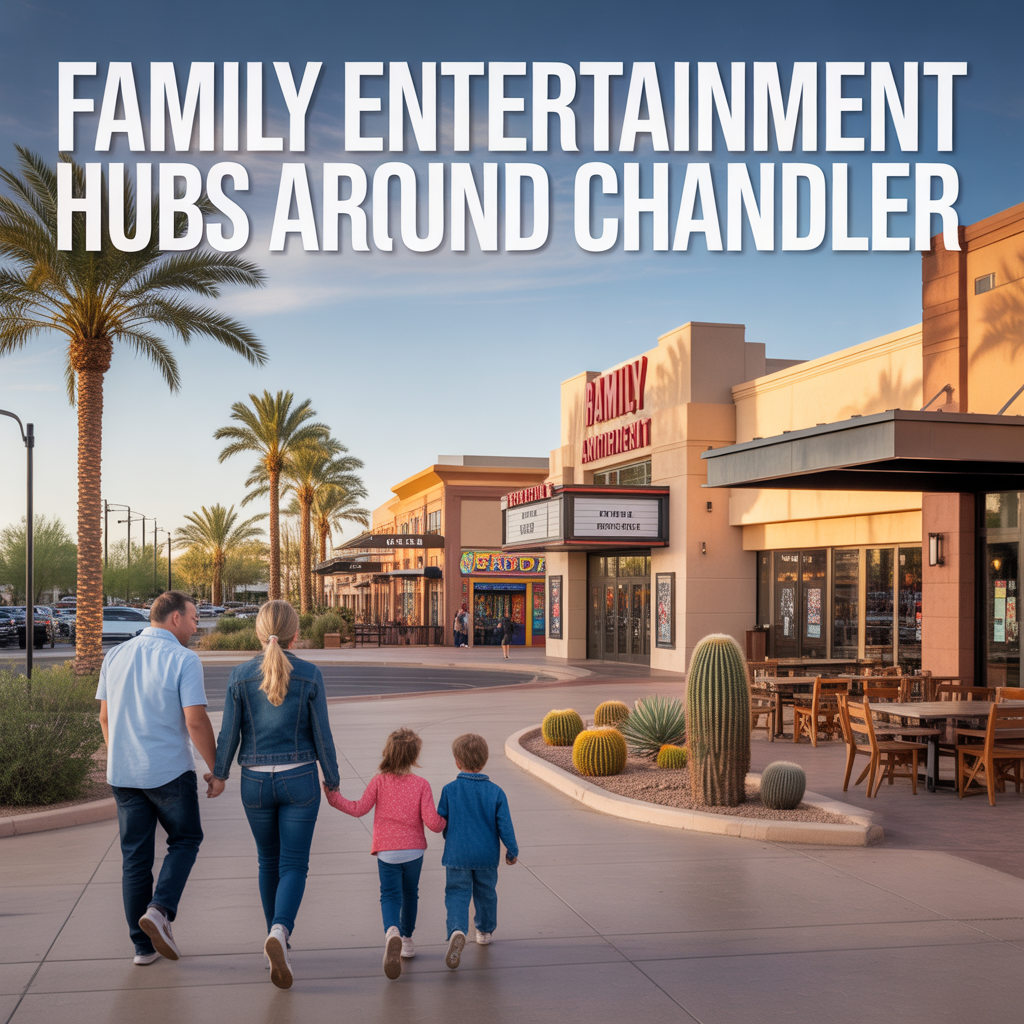
Family Entertainment Hubs Around Chandler
-
Chandler Late‑Night Hotspots vs Quiet Pockets
-
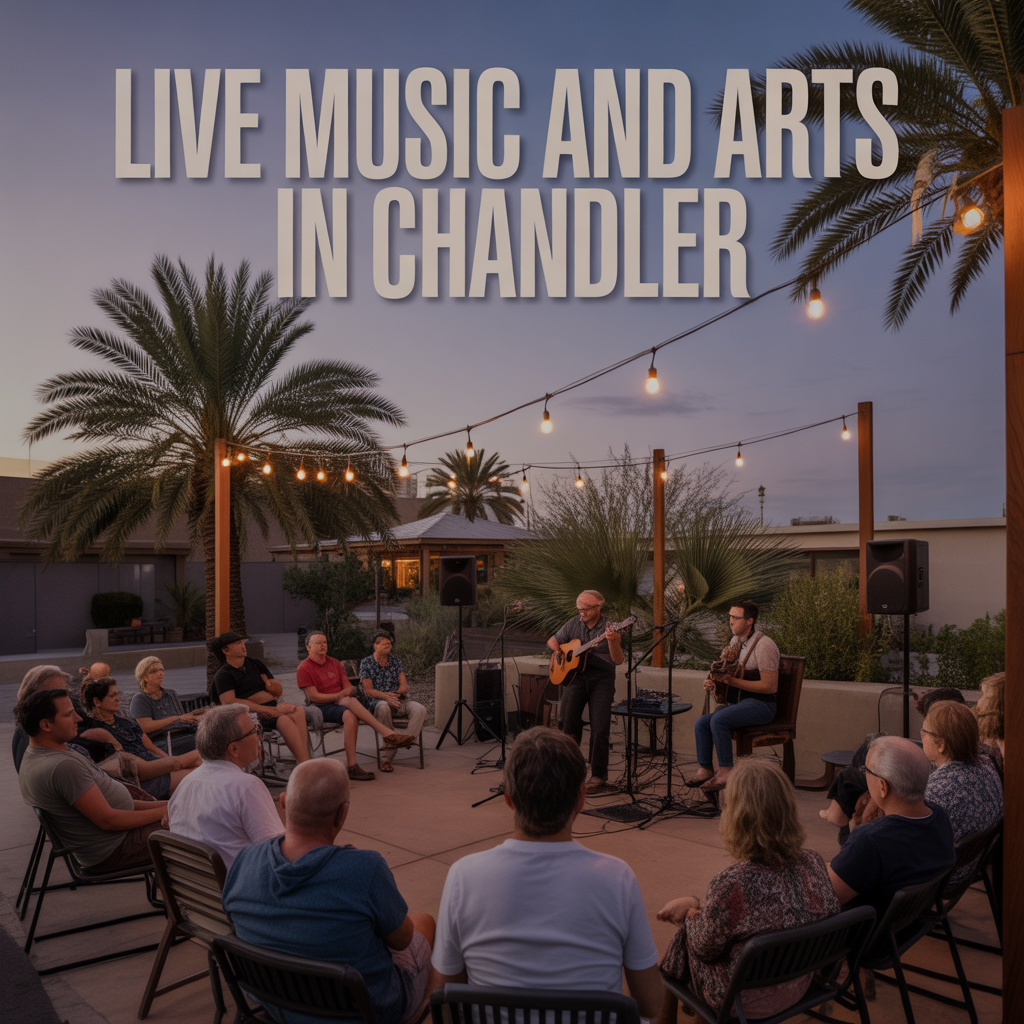
Live Music and Arts in Chandler
-
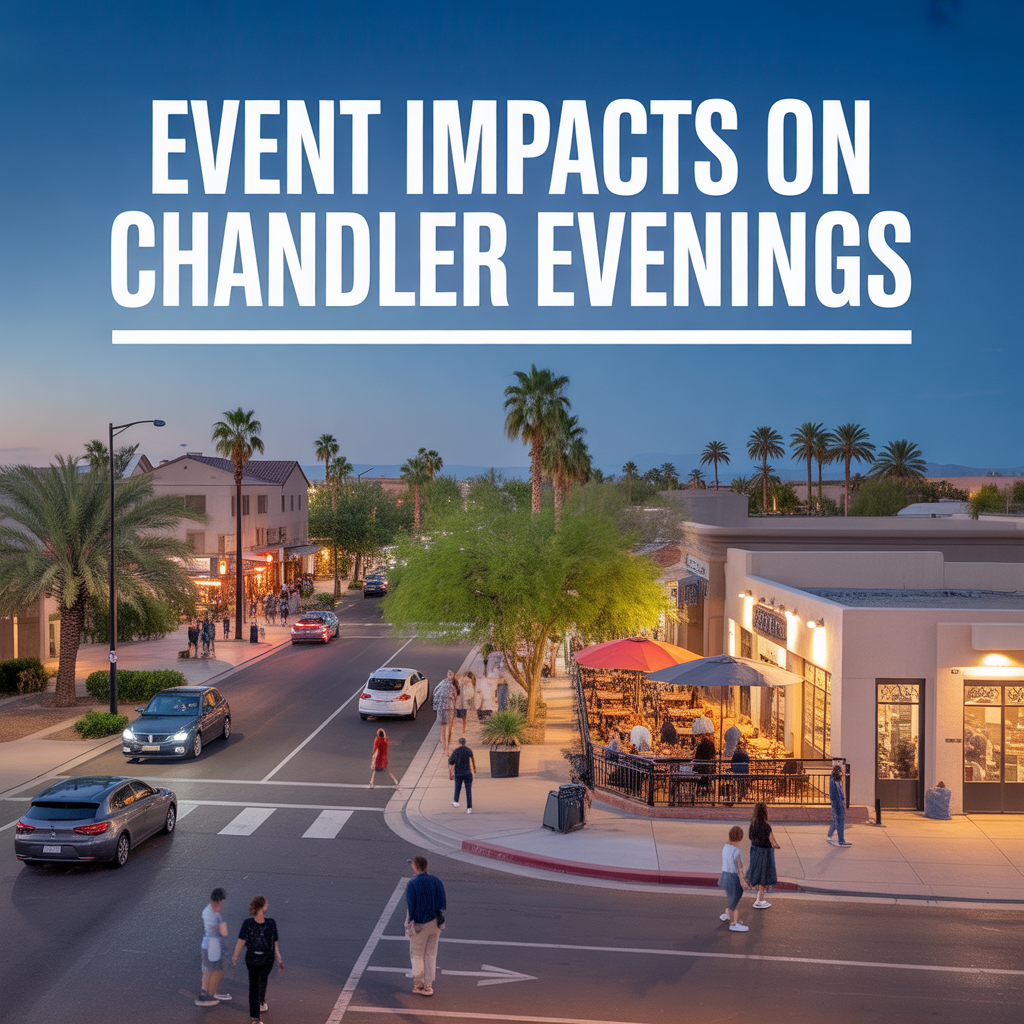
Event Impacts on Chandler Evenings
-

Areas Where Cross‑City Trips Feel Heavy
-
Micro‑Mobility Utility by Chandler Area
-
Micro‑Mobility Utility by Chandler Area
-
Park‑and‑Ride Options Around Chandler
-

Local Transit and Bus Use Cases in Chandler
-
Key Freeway Connections in Chandler
-

Access to Gateway and Secondary Airports
-

Real‑World Drive Times to Sky Harbor
-

How Congestion Shapes Chandler Routines
-
Tradeoffs of Living Farther South Chandler
-
Remote‑Work Friendly Areas in Chandler
-
Daily Errand Routing Across Chandler
-
Reverse Commutes in Chandler Pros/Cons
-

Chandler Freeway Slowdown Hotspots
-
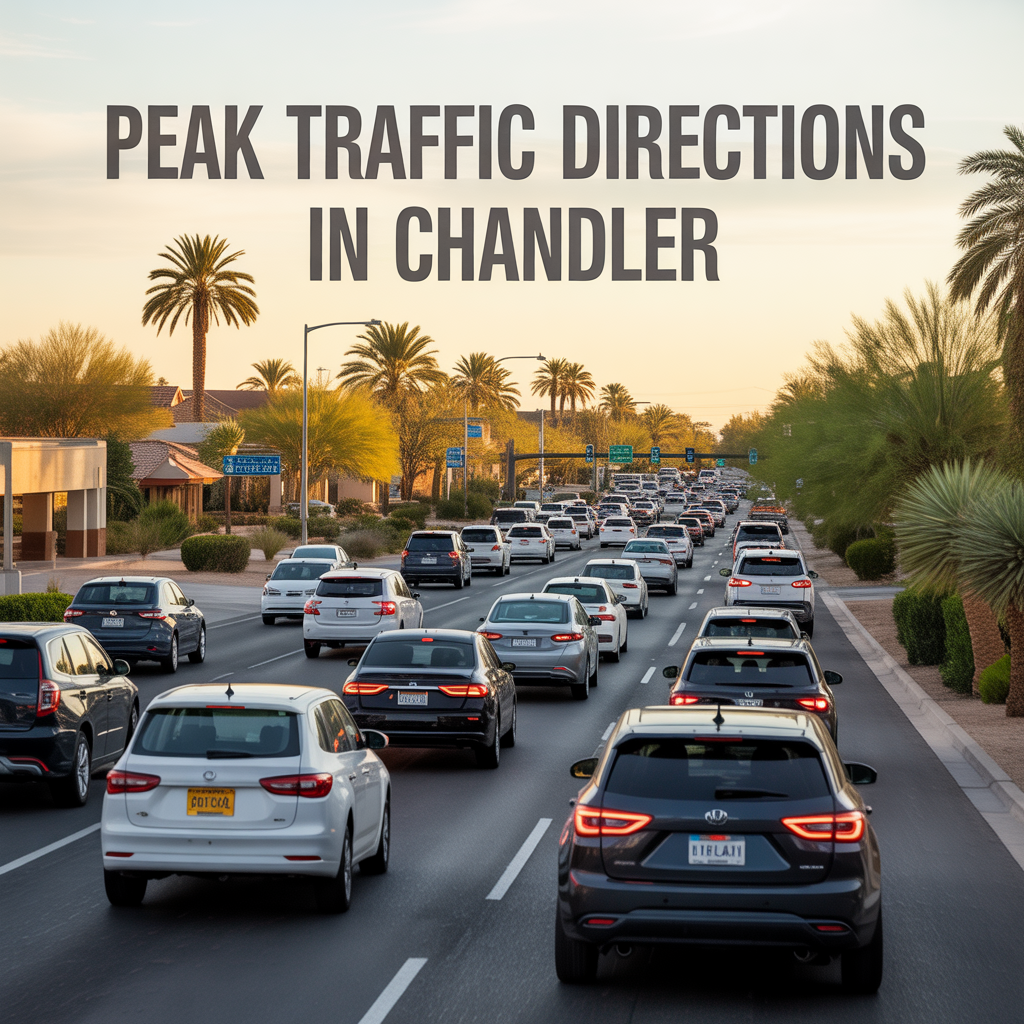
Peak Traffic Directions in Chandler
-
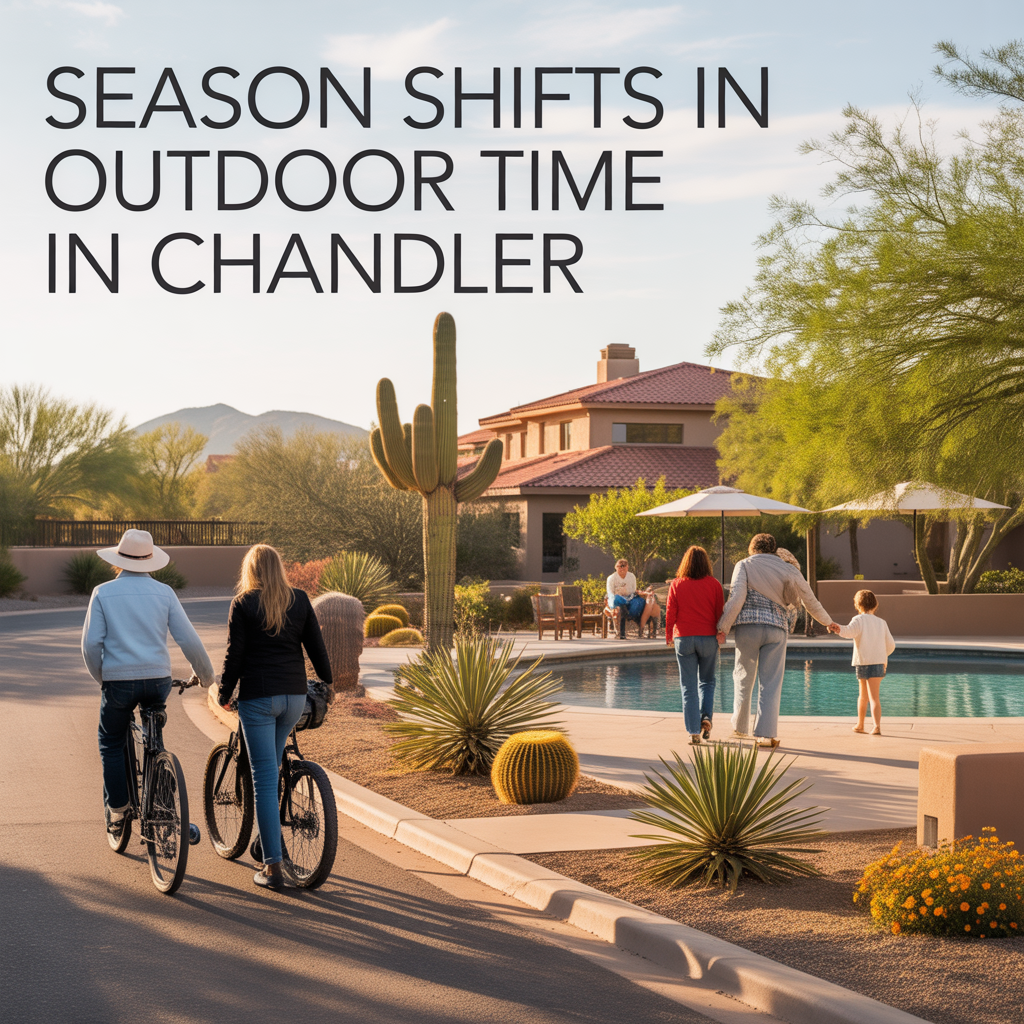
Season Shifts in Outdoor Time in Chandler