



Phoenix Lifestyle Guide → [Phoenix Lifestyle Guide] & For more info on Phoenix Real Estate → [Phoenix Real Estate Guide]
Written by: Renee Burke
Game days in the Valley bring out the best in our community spirit, but they also turn certain roads into rivers of red taillights and honking horns. Whether it’s Cardinals at State Farm Stadium, Suns or Mercury at Footprint Center, or Diamondbacks at Chase Field, the influx of fans creates predictable hot spots where cross-valley trips grind to a halt.
I’ve lived through countless kickoffs and tip-offs here, guiding clients to homes that let them enjoy the excitement without the post-game crawl. These zones aren’t random—they follow the freeways and arterials feeding our major venues.
State Farm Stadium: West Valley Whirlwind
Nothing tests Glendale roads like a Cardinals Sunday. Loop 101 from I-10 to Cardinals Way becomes a parking lot two hours before kickoff, with westbound I-10 backing up from 35th Avenue through Avondale. Fans from East Valley pour in via Loop 202, only to merge into the chaos at 99th Avenue.
Post-game exodus hits hardest—eastbound Loop 101 clogs toward Phoenix, off-ramps at Maryland Avenue and Cardinals Way close for flow control, funneling everyone onto surface streets like Northern Avenue. West Valley locals in Peoria or Surprise feel it ripple home, turning a 20-minute drive into 90. Rain or night games amplify the snarl, with stadium lights drawing crowds that overwhelm Loop 303 ramps.
If you live nearby, pre-game tailgates shine; otherwise, park-and-ride options like Arrowhead Towne Center save sanity.
Footprint Center: Downtown Crunch
Suns or Mercury games flood central Phoenix, centering on Jefferson Street and First Street near the arena. Pre-game, I-10 eastbound from 24th Street crawls as South Mountain drivers join Tempe fans off Loop 202. Washington and Jefferson Streets turn one-way nightmares, with left turns blocked and pedestrians spilling everywhere.
Footprint’s urban spot means overlap with Chase Field if D-backs play—double headers of traffic hell. Post-game, First Street to I-10 on-ramps jam, rippling to 7th Avenue and Camelback. Valley Metro light rail helps, but game surges overwhelm Central Avenue stations.
Central corridor residents love the walkability; cross-valley folks from Mesa or Glendale time arrivals early or skip altogether.
Chase Field: East Downtown Squeeze
Diamondbacks home stands pack Van Buren Street and Third Street, with I-10 westbound from 32nd Street locking up pre-first pitch. Loop 202’s Broadway Curve feeds the beast, merging East Valley traffic into a bottleneck at 7th Street. Post-game dispersal clogs Washington Street east to light rail, while surface arterials like Central and Fillmore see U-turn pileups.
Summer nights bring heat-weary drivers weaving erratically; playoffs spike it worse. Nearby copper square garages fill fast, pushing parking to South Phoenix lots and worsening Buckeye-adjacent I-10.
Sloan Park and Spring Training Hot Spots
Mesa’s Sloan Park—Cubs spring training—turns Higley Road and Rio Salado Parkway into local legends of gridlock. Pre-game, US-60 westbound from Ellsworth backs up, clashing with Mesa Riverview shoppers. Post-game, Dobson Road to Superstition Freeway snarls as Gilbert and Chandler fans scatter.
Other Cactus League venues ripple too: Scottsdale Stadium floods Indian School Road and Scottsdale Road; Tempe Diablo Stadium chokes Mill Avenue and Loop 101. These feel lighter than NFL but hit East Valley arterials hard, especially weekends.
University of Phoenix Stadium Overlaps (Now Footprint) and More
Wait—State Farm’s old name lingers in traffic lore, but patterns hold. Coyotes at Mullett Arena in Tempe add Loop 202 and Apache Boulevard pulses, blending with ASU games. GCU Arena in Phoenix west clogs 43rd Avenue near I-17.
Overlaps sting worst: Cardinals-Suns same-day turns I-10 into a war zone, Loop 101 feeders from all directions colliding.
Why Game Days Hit Lifestyle Hard
These zones steal joy from the fun—late arrivals, missed innings, grumpy kids. West Valley families dread East Valley treks; East siders avoid Glendale entirely. Heat, dust, and 70,000 fans mean monsoons or flyovers worsen it.
I hear fears: “Will games make my commute impossible?” Patience pays—apps predict surges, carpool lots at park-and-rides empty faster. Light rail from 19th/Dunlap dodges stadium snarls entirely.
| Venue | Pre-Game Hot Zones | Post-Game Escape Routes | Bypass Tips |
|---|---|---|---|
| State Farm Stadium | Loop 101/I-10 merge, 99th Ave | Northern Ave, Loop 303 | Arrowhead P&R + rail |
| Footprint Center | Jefferson/1st St, I-10 at 7th | Central Ave light rail | South Mountain Fwy detour |
| Chase Field | Van Buren/3rd St, Broadway Curve | Washington E to 202 | Park south of I-10 |
| Sloan Park | US-60/Higley, Dobson Rd | Rio Salado to 101 | Gilbert Rd P&R |
Real Estate Smarts for Fans
Buyers crave game-day viable spots—West Phoenix near Loop 202 skips Glendale pain; Gilbert edges Sloan without Higley hell. Sellers tout “rail to Suns in 30 minutes flat.” Proximity trades convenience for noise; buffers like Peoria’s outer rings balance access.
Long-term, venue-adjacent homes appreciate with loyalty, but test post-game yourself.
Easing Into Game Days
Arrive two hours early, leave at buzzer. Valley Metro surges service; Pocket scooters zip stadium fringes. Waze or ADOT cams guide detours—Loop 202 saves lives.
Phoenix games unite us, traffic and all. Choose homes where cheers outweigh horns.
A Warm Note to Close
If game-day traffic factors into your Valley move—maybe a spot near Sloan or dodging downtown—you don’t have to map it alone.
I’ve steered families to fan-friendly neighborhoods for years, blending passion with practical flow.
If you’re thinking about making a move in Phoenix, you don’t have to figure it out alone. Let’s talk your team loyalties, your routes, your life—and land on a home where game days feel like victory laps.
Get the full Phoenix Market Insights → [Market Insights]


-

Pool Liability and Insurance in Phoenix
-
Protecting Outdoor Structures and Shade Systems
-

HVAC Failures and Insurance Coverage
-
Roof Maintenance for Phoenix Climate Conditions
-

Preventing Water Damage in Desert Landscapes
-

How Monsoon Storms Affect Phoenix Homes
-

Why Policy Structure Matters More Than Premium
-

Understanding Coverage Limits and Exclusions
-

What Personal Property Coverage Actually Includes
-

How Liability Coverage Protects Homeowners
-
Replacement Cost vs Market Value in Phoenix Insurance
-

Understanding Deductibles Before You Need Them
-

How Renovations Affect Insurance Coverage
-

When to Review Your Home Insurance Policy
-

Why Replacement Cost Matters in Phoenix Insurance Policies
-

When a House Truly Starts to Feel Like Home
-

How Phoenix Neighborhood Living Builds a Sense of Belonging
-

Why Stability Plays a Major Role in Long-Term Home Satisfaction
-

How Familiarity Changes the Experience of Living in a Home
-
Renovate or Move? Deciding What to Do When Your Phoenix Home No Longer Fits
-
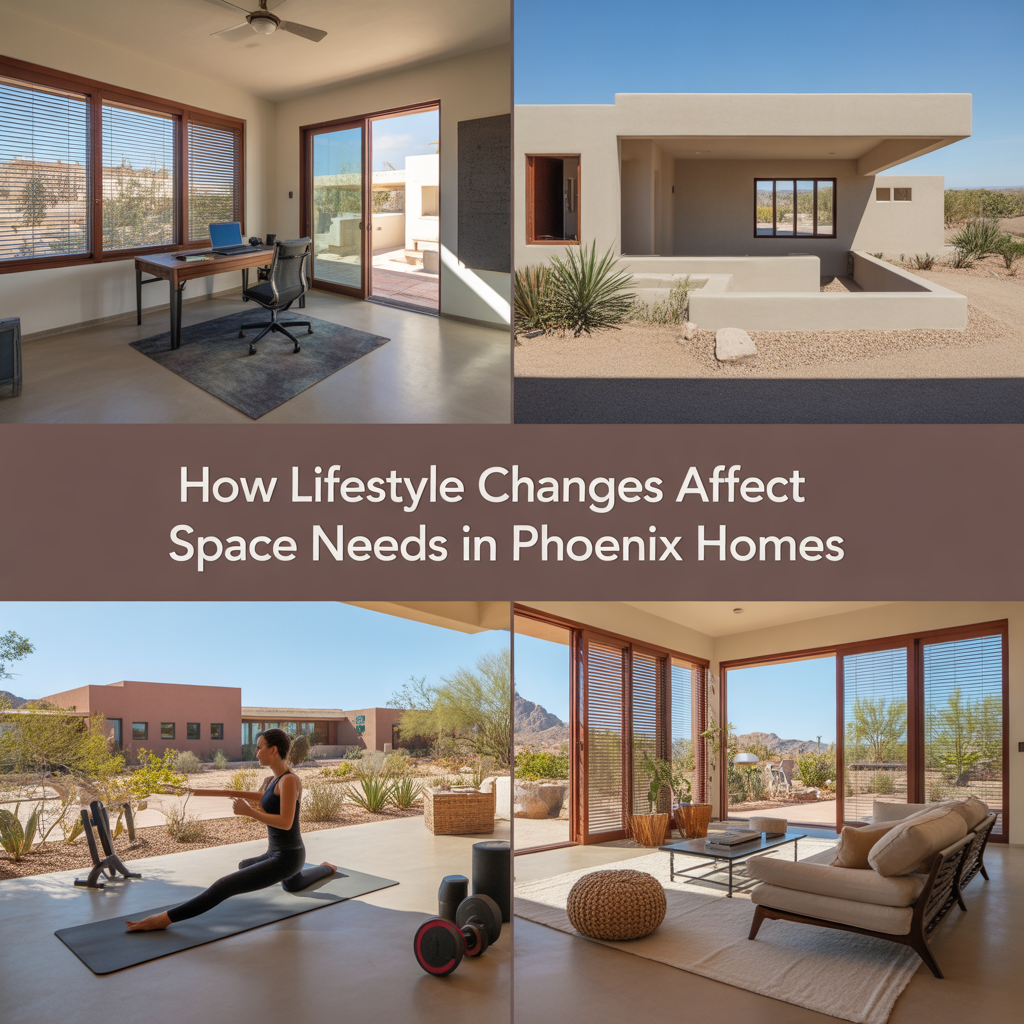
How Lifestyle Changes Affect Space Needs in Phoenix Homes
-
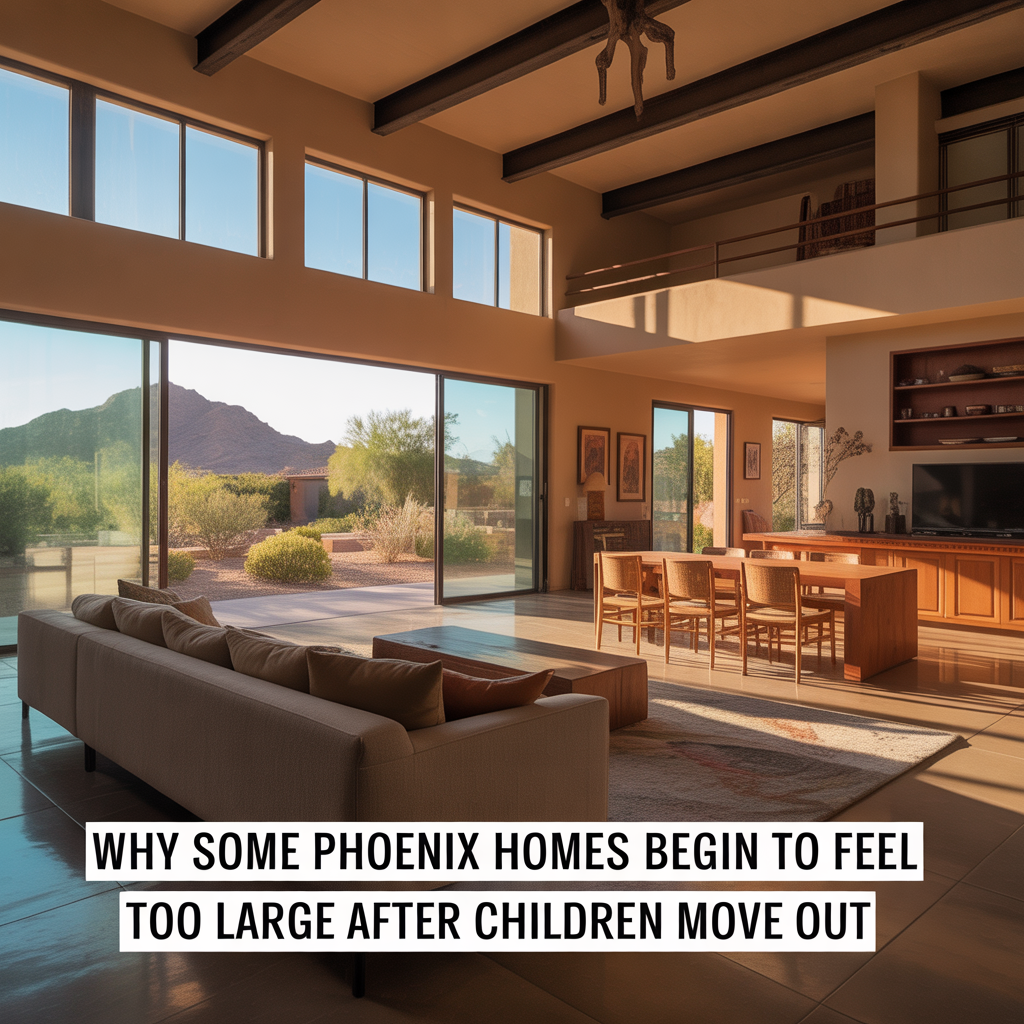
Why Some Phoenix Homes Begin to Feel Too Large After Children Move Out
-
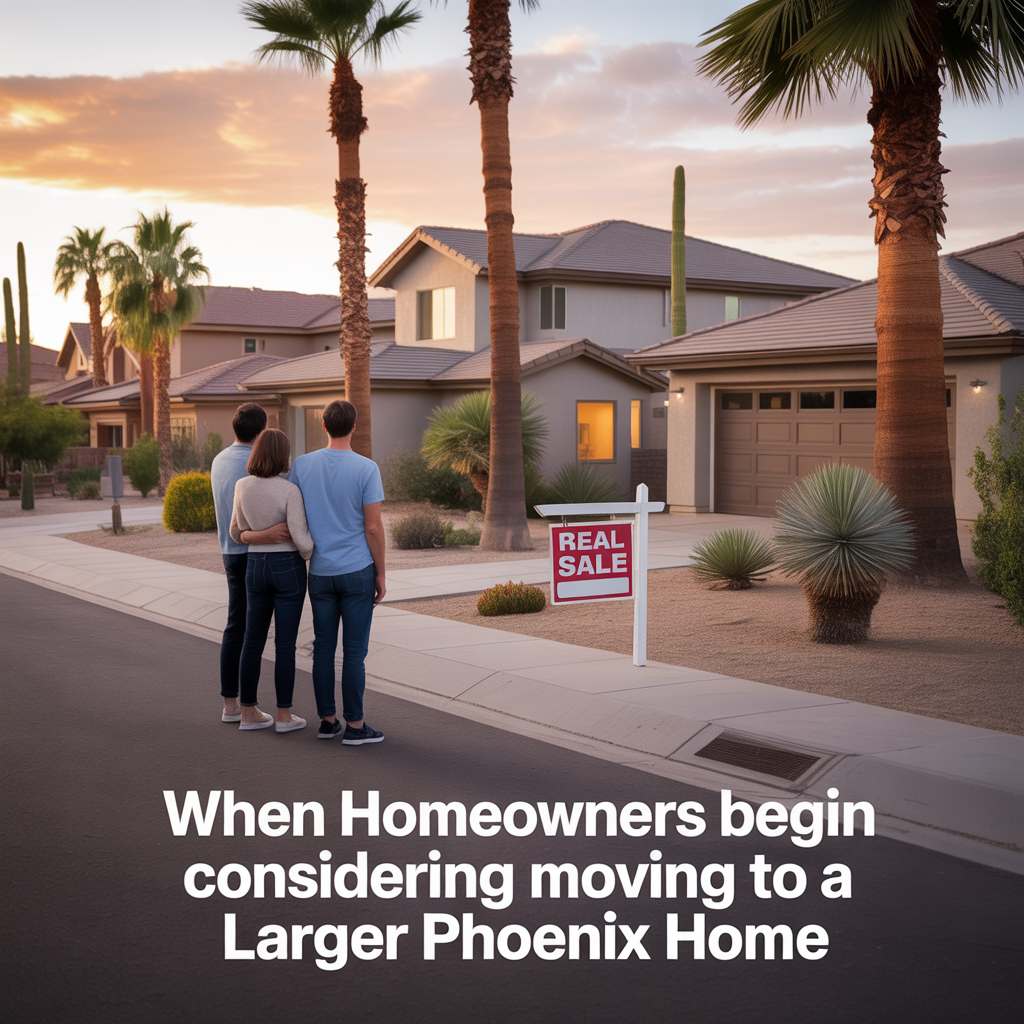
When Homeowners Begin Considering Moving to a Larger Phoenix Home
-

Signs Your Phoenix Home Is Starting to Feel Too Small for Your Family
-

How Desert Landscaping Evolves Over Years of Phoenix Homeownership