



Phoenix Lifestyle Guide → [Phoenix Lifestyle Guide] & For more info on Phoenix Real Estate → [Phoenix Real Estate Guide]
Written by: Renee Burke
There’s something quietly satisfying about gliding through Phoenix traffic while everyone else sits still — that’s the promise of a reverse commute. In our sprawling Valley, where traditional rush hours pull people inward toward downtown or Tempe, going the opposite way can feel like a secret advantage. As someone who’s helped countless families find homes that match their daily flow, I’ve seen how these counter-pattern drives can transform a stressful routine into a manageable one.
Reverse commutes — heading east in the morning or west in the evening, for example — sidestep the worst of our peak flows. They’re becoming more common as jobs spread to the edges, but like everything in Phoenix real estate, they come with trade-offs. Let’s unpack the benefits and drawbacks thoughtfully, so you can see if this fits your life.
The Pros: Time, Calm, and Hidden Value
The biggest win is simple: fewer delays. While westbound I-10 crawls from Sky Harbor to Avondale in the afternoon, you’re cruising eastbound toward Chandler or Gilbert with open lanes. Mornings reverse it — northbound Loop 101 from Scottsdale flows freely while southbound backs up from Peoria.
- Shorter, predictable drives: Studies and local patterns show reverse directions often shave 20-40% off travel times during peaks. That’s not just minutes; it’s reclaiming evenings for family dinners or sunset hikes at Papago Park.
- Lower stress: Less stop-and-go means less road rage and fatigue. Phoenix’s heat amplifies frustration in gridlock, but a breezy reverse commute keeps your day balanced.
- Affordable living options: These routes open up growing areas like Queen Creek, Buckeye, or north Scottsdale. Homes here offer more space and value — think four bedrooms under downtown prices — without sacrificing job access. Resale stays strong as employers decentralize.
- HOV perks and future-proofing: Many reverse paths qualify for carpool lanes, and with Loop 202 expansions, these corridors are getting smoother investments.
For shift workers, healthcare pros at Banner Gateway, or tech folks in the Price Corridor, this is a game-changer. Families love it too — kids get to school without the crush, and you dodge the Stack’s chaos entirely.
The Cons: Isolation and Unpredictability
It’s not all smooth sailing. Reverse commutes shine in theory, but Phoenix’s growth throws curveballs.
- Event spikes and accidents: A Cardinals game or monsoon wreck flips your advantage. Eastbound evenings can snag near U.S. 60 if Chandler events pull crowds.
- Limited amenities nearby: Edge communities mean fewer coffee runs or quick errands. Buckeye’s charm is real, but grabbing takeout after work might add 15 minutes each way.
- Social trade-offs: Friends cluster centrally, so weekend meetups require planning. If your circle’s in Glendale, a Queen Creek base means occasional traditional-traffic fights.
- Service delays: Reverse paths often parallel growing suburbs where roads lag. Queen Creek’s rapid buildout clogs local arterials like Ellsworth, even if freeways flow.
Long-term, job shifts matter. If your company relocates downtown, that reverse bliss turns burdensome. And while cheaper homes tempt, property taxes or HOA fees can nibble at savings.
Who Thrives on Reverse Commutes?
Think about your rhythm. Remote-hybrid workers or those at decentralized hubs — Intel in Chandler, Mayo Clinic, TSMC expansions — flourish. Retirees eyeing active adult communities in Sun City or Surprise love the quiet inbound mornings.
But if you crave urban buzz or have split family commutes, central spots like Arcadia might suit better. I’ve guided buyers who tested drives for a week — it reveals truths listings miss.
Blending Into Your Valley Life
Reverse commutes aren’t a cure-all, but they’re a smart lever for balance. Pair one with surface streets like Riggs or Northern for backups, and AZ511 alerts, and you’ve got resilience. As Phoenix jobs spread — healthcare east, logistics west — these paths gain appeal, boosting neighborhood values without central premiums.
If you’re thinking about making a move in Phoenix, you don’t have to figure it out alone. Whether mapping a reverse commute to save your sanity or weighing if it fits your family’s flow, I’d be happy to share the routes I know best. Reach out anytime — together, we’ll find the direction that feels right for you.
Get the full Phoenix Market Insights → [Market Insights]


-

Dog Parks, Playgrounds, and Family-Friendly Parks in Tempe
-

Canal Paths and Bike Trails Connecting Tempe Neighborhoods
-

Papago Park Hiking Trails and Tempe Outdoor Access
-

Parks and Green Spaces Across Tempe Neighborhoods
-

Tempe Town Lake Paths, Running Trails, and Daily Recreation
-

Breweries, Coffee Shops, and Lakefront Hangouts Around Tempe Town Lake
-

Parking, Rideshare, and Event Traffic Around Tempe Dining Districts
-

Late-Night Activity and Residential Quiet Zones Near Entertainment Areas
-

How ASU Influences Tempe’s Restaurant and Nightlife Scene
-

Dining Options in South Tempe Neighborhood Corridors
-
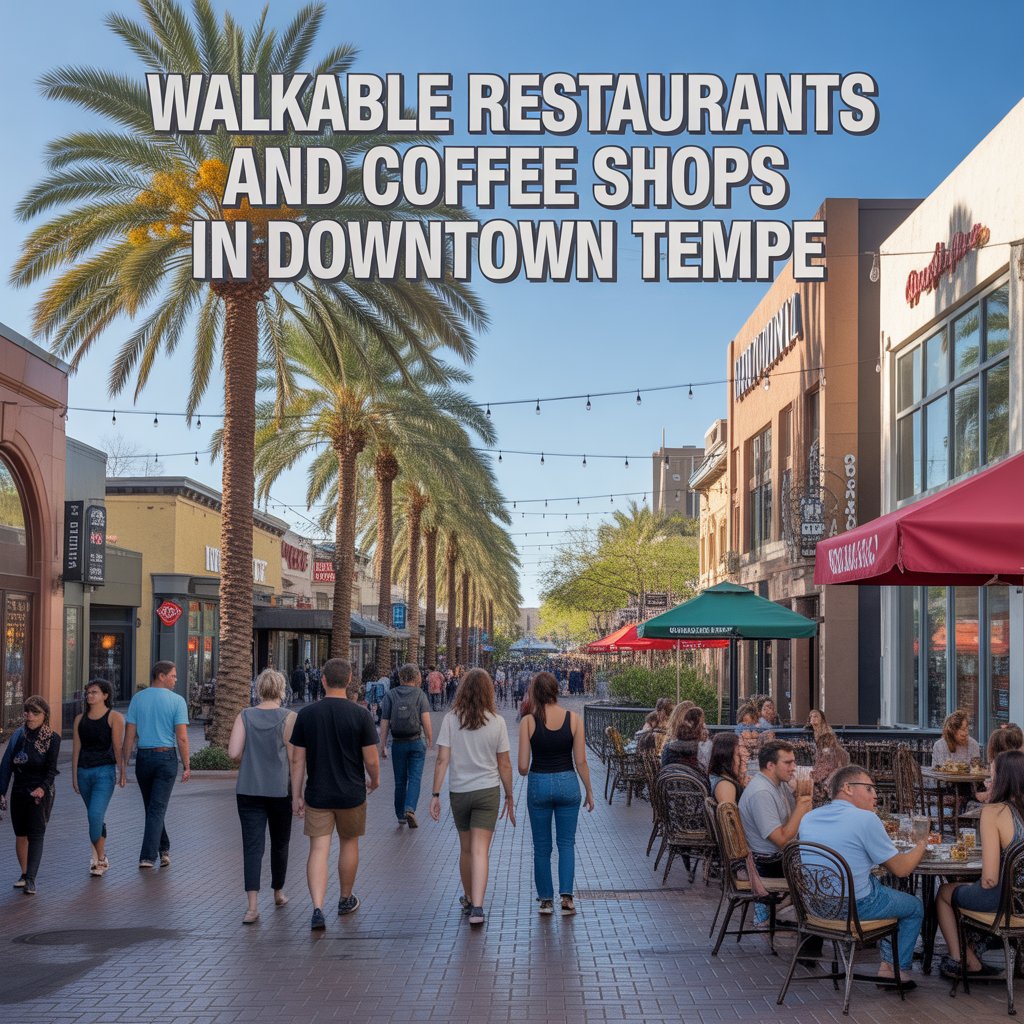
Walkable Restaurants and Coffee Shops in Downtown Tempe
-

Mill Avenue Restaurants, Bars, and Nightlife Near Arizona State University
-

How School Choice, Charter Options, and ASU Influence Education Options
-

Living Near Schools vs Residential Pockets in Tempe Neighborhoods
-

Parent Communities and School Networks in South Tempe Neighborhoods
-

How High School Boundaries Affect Commute Direction
-

Neighborhood-Based School Routines vs Cross-Corridor Runs
-

After-School Sports at Tempe Diablo Stadium and Local Parks
-

School-Day Traffic Patterns Along Rural, McClintock, and Baseline
-

How Often You Leave Tempe for Phoenix, Scottsdale, or Chandler
-

Noise, Game Days, and Event Cycle Patterns
-

Dining and Social Gravity Along Mill, Apache, and Baseline
-

Tempe Town Lake and Greenbelt Access You’ll Actually Use
-

Loop 101, US-60, and Arterial Efficiency by Corridor
-
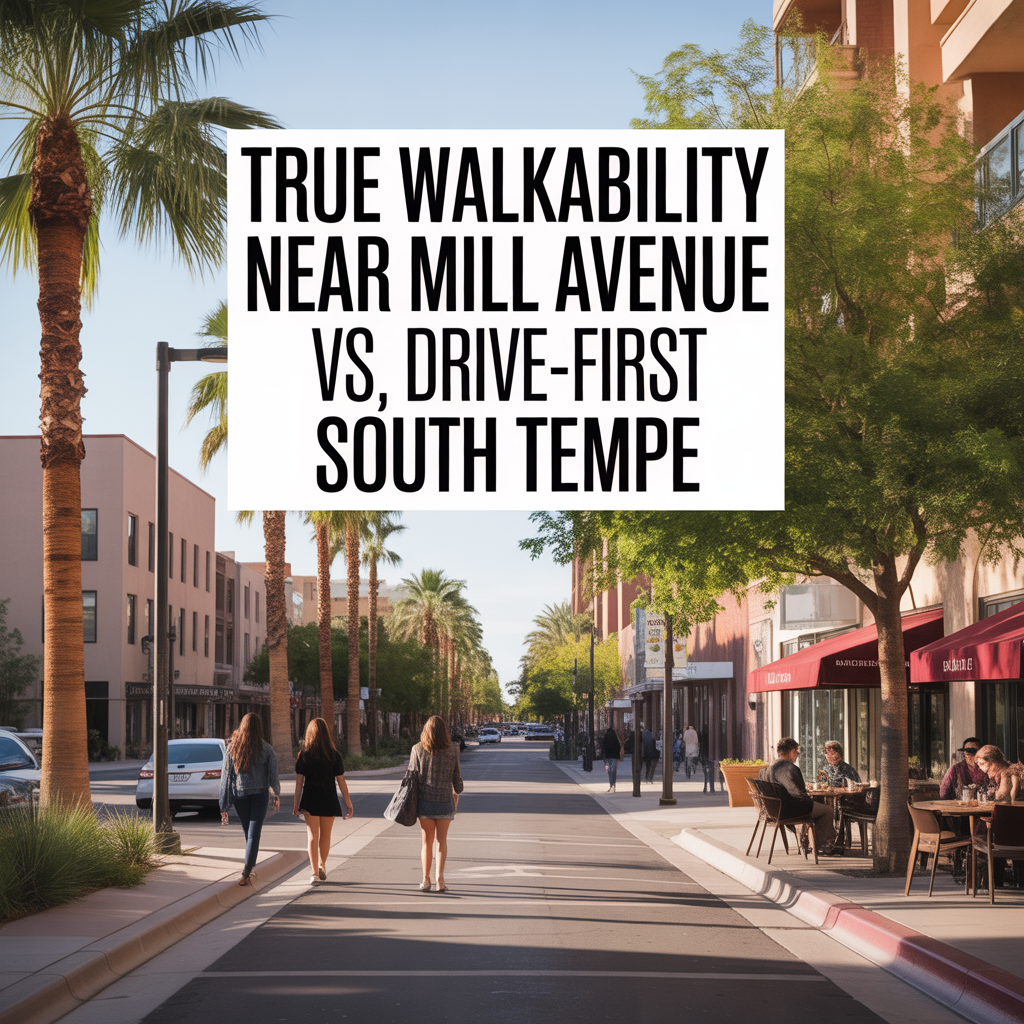
True Walkability Near Mill Avenue vs Drive-First South Tempe