


Phoenix Lifestyle Guide → [Phoenix Lifestyle Guide] & For more info on Phoenix Real Estate → [Phoenix Real Estate Guide]
Written by: Renee Burke
There’s a familiar hum to Glendale right now — that blend of West Valley energy and everyday reliability that’s drawn families, sports fans, and retirees here for decades. From the roar of Cardinals games at State Farm Stadium to the quiet charm of Arrowhead Towne Center’s evening strolls, this city has always felt like home to so many in the Phoenix metro. It’s a place where neighborhoods like West Glenn and Glendale Foothills offer solid schools, easy freeway access, and that unhurried Arizona lifestyle.
If you’ve been keeping an eye on listings or wondering about timing your next move, Glendale’s market in early 2026 tells a story of quiet recovery. It’s settling into a more predictable rhythm, one that rewards patience and smart choices over chasing headlines. Let’s walk through what’s really happening here.
Steady Ground After the Swings
Glendale’s real estate has mirrored the broader Valley’s journey these past few years — the frenzy of 2021-2022 giving way to caution, and now a gentle return to balance. After pandemic peaks pushed median prices into the mid-$500,000s, we saw a natural softening as rates climbed.
Today, as February 2026 unfolds, the median sale price sits comfortably around $455,000 — up about 2% from last year but with homes lingering a bit longer on the market, averaging 60-70 days. Inventory is easing up too, with months of supply inching toward neutral territory, closer to 3 months than the tight 1-month seller’s paradise of a few years back.
This shift feels right for Glendale. Buyers aren’t rushing; they’re weighing neighborhoods like Arrowhead Ranch against the value in South Glendale. Sellers, meanwhile, are finding that well-priced homes in strong pockets — think Moderately Planned Communities or areas near Peoria Avenue — still attract steady offers. It’s a market breathing easier.
Pricing Patterns Across Neighborhoods
Home values in Glendale have stabilized, with the typical home now valued near $400,000 — a modest dip from peaks but reflecting real equity for owners who’ve been here a while. Price per square foot has softened slightly to around $234, giving buyers more room to negotiate without feeling the old pressure cooker.
Hot spots like Arrowhead Lakes and North Glendale hold firm for luxury seekers, with waterfront views and resort-style pools commanding premiums. More affordable areas south of Northern Avenue, including Garden Lakes and Woodarea, continue pulling in first-timers and downsizers who prioritize proximity to Glendale Community College or the 101 freeway.
Days on market tell the real story: 63 days on average last December, up from quicker snaps in prior years. That breathing room lets families tour multiple options, compare HOA fees in places like Glenharbor, and even request those small repairs that make a house feel like home. If you’re selling, it means staging and pricing with comps from your exact zip code — like 85308 or 85310 — is key to a smooth close.
What Draws People to Glendale
Glendale isn’t just about numbers; it’s the lifestyle that keeps folks rooting here. This city nails the balance of convenience and community in ways few Valley spots do.
- Sports and entertainment anchor the vibe — State Farm Stadium hosts not just NFL action but concerts and events that spill energy into surrounding neighborhoods.
- Arrowhead Towne Center buzzes with shopping, dining from In-N-Out to upscale bites, and that perfect Friday family outing.
- Established enclaves like Bellarosa and Country Hollow offer mature trees, walking paths, and top-rated Peoria Unified schools, while newer builds near 67th Avenue appeal to growing families.
Commutes are a dream — Loop 101 puts downtown Phoenix 20 minutes away, Luke Air Force Base even closer. For retirees, the medical hubs along 59th Avenue add peace of mind. It’s this everyday accessibility, paired with Glendale’s ongoing park investments like Saguaro Ranch, that builds lasting appeal.
Navigating Rates and Affordability
Rates remain the elephant in every conversation, hovering in the mid-6% range for 30-year fixed as we start 2026. It’s better than the highs of 2024, but buyers are adapting creatively — builder buydowns in new developments off Grand Avenue, or 2-1 buydown loans that ease the first years.
Phoenix metro trends show sales picking up modestly, with Glendale following suit as inventory grows. Buyers who sat out the wait-and-see game are stepping in, drawn by stabilizing prices and concessions like closing cost help. It’s a reminder: affordability today often beats waiting for a mythical rate drop that might not come.
Seller Strategies That Work Here
Selling in Glendale calls for nuance now. Buyers know their comps — they’ve toured 10 homes via apps and expect disclosures upfront.
Key moves include:
- Curb appeal tailored to the area — desert landscaping in Foothills spots, pool pops in Arrowhead.
- Competitive pricing — aim 1-2% below recent sales in your subdivision to spark multiple bids without chasing reductions.
- Local marketing — drone shots of mountain views, open houses timed for weekend stadium traffic.
Homes hitting these notes close in under 45 days, especially updated ranches near Christown or townhomes in The Links. The market favors preparation over perfection.
Glendale’s Strong Foundations
Zoom out to five years, and Glendale’s trajectory shines. Population growth from Luke AFB expansions and West Valley job hubs keeps demand humming. Infrastructure like the Grand Avenue revitalization promises more walkable vibes, while flood control upgrades reassure in this monsoon-prone spot.
Unlike flashier markets, Glendale builds wealth through consistency — not booms and busts. New construction in Vineyards and Skyfork Ranch adds supply without flooding it, preserving values across price points.
Buyers here seek roots, not speculation: golf at Arrowhead Country Club, youth sports at Foothills Recreation, or quiet coffees at local roasters. That enduring pull sustains the market through cycles.
Addressing Common Worries
I hear the same questions from Glendale folks every week:
- “Are prices still dropping?” Not broadly — we’ve plateaued, with pockets like downtown Glendale gaining from revitalization.
- “Is inventory finally helping buyers?” Yes, gently. More choices mean leverage, but low supply keeps it balanced.
- “Did I wait too long to move?” Timing’s personal. Today’s steadiness lets you plan without frenzy — a gift in itself.
These aren’t abstract stats; they’re rooted in our streets, schools, and stadium lights.
A Balanced Path Forward
Glendale’s 2026 market feels grounded — sales ticking up, prices holding, buyers gaining footing. It’s a place for intentional steps, whether upgrading in West Glendale or cashing equity near the stadium.
This isn’t hype; it’s the steady heartbeat of a city that knows its worth.
Let’s Talk It Through
If you’re thinking about making a move in Glendale — or just need clarity on your home’s place in this market — you don’t have to figure it out alone.
I’ve guided families through every Valley shift right here in Glendale, from Arrowhead frenzy to today’s thoughtful pace. Whether it’s a casual chat over coffee or diving into your specifics, I’m here as your local compass.
Reach out anytime. Home decisions deserve care, clarity, and someone who truly gets Glendale like family does.
Get the full Phoenix Market Insights → [Market Insights]


-

Shade Coverage and Tree Canopy Differences by Corridor
-

Summer Walkability Reality Near ASU and Mill Avenue
-

Choosing Proximity Based on Personality and Routine
-
How Tempe Town Lake Changes Social Routines
-
Family-Friendly Lake Events vs Adult Nightlife Patterns
-
Parking Structures and Rideshare Realities on Peak Nights
-
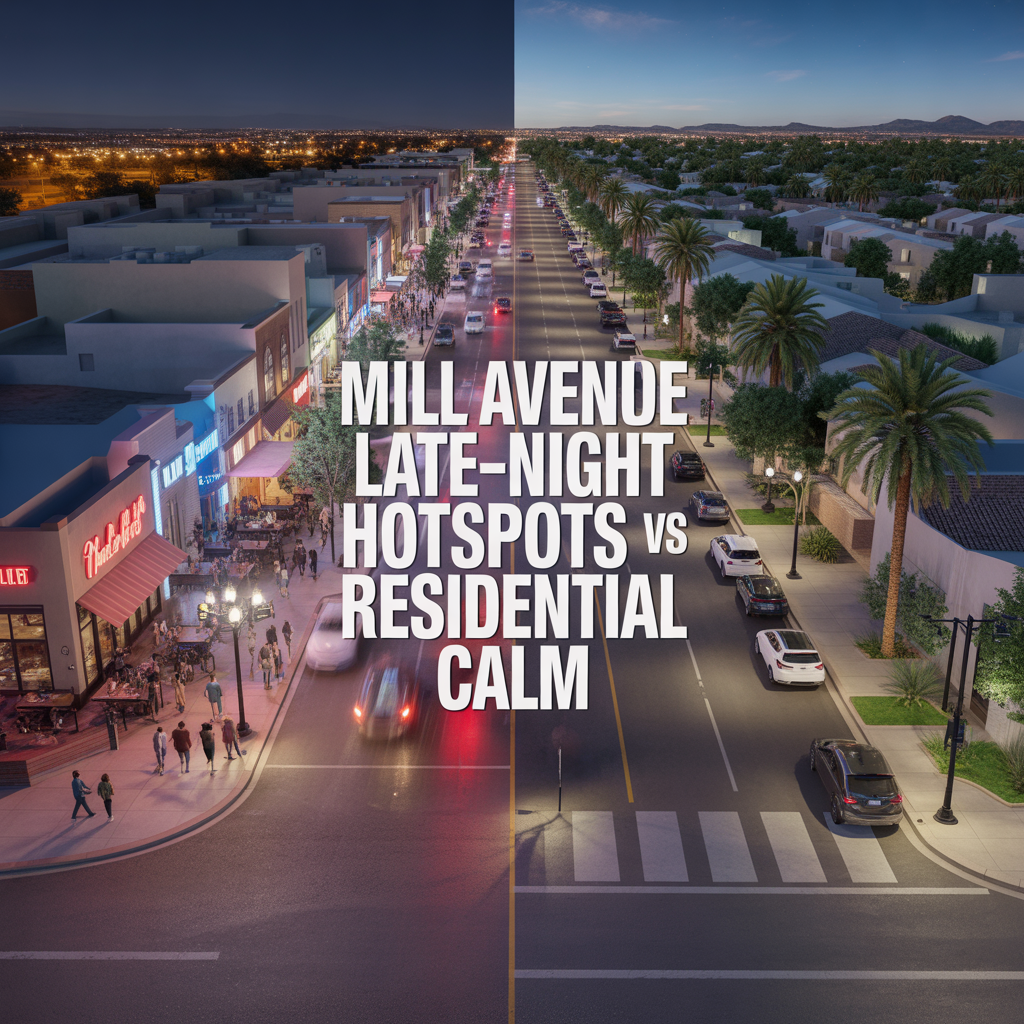
Mill Avenue Late-Night Hotspots vs Residential Calm
-

ASU Game Days and Event Calendar Impacts
-

Cross-Valley Trip Efficiency From Tempe
-

Micro-Mobility and Bike Utility by Corridor
-

Park-And-Ride, Game Day, and Event Access Patterns
-

Airport Timing Strategy Around ASU and Rush Hour Traffic
-

Light Rail Use Cases That Actually Improve Daily Life
-
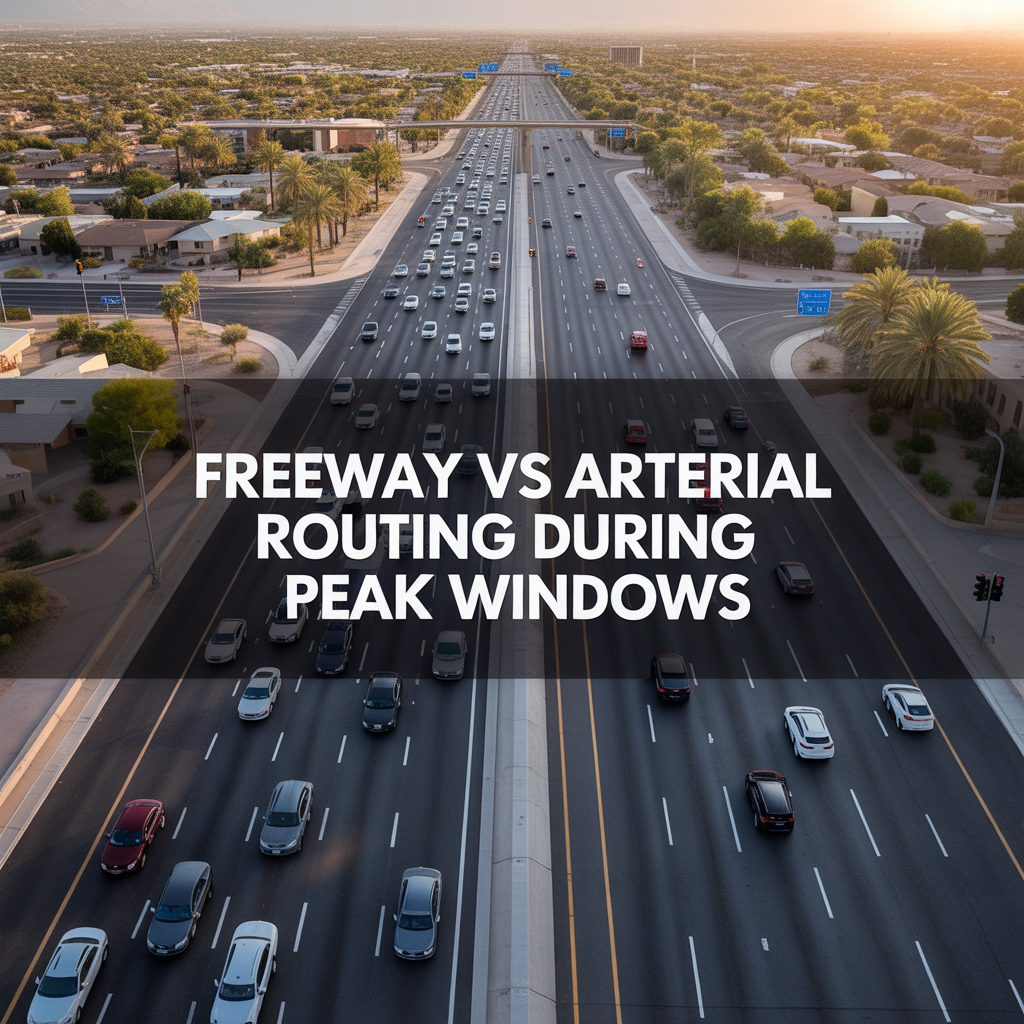
Freeway vs Arterial Routing During Peak Windows
-

Real-World Drive Times to Sky Harbor From Different Tempe Pockets
-
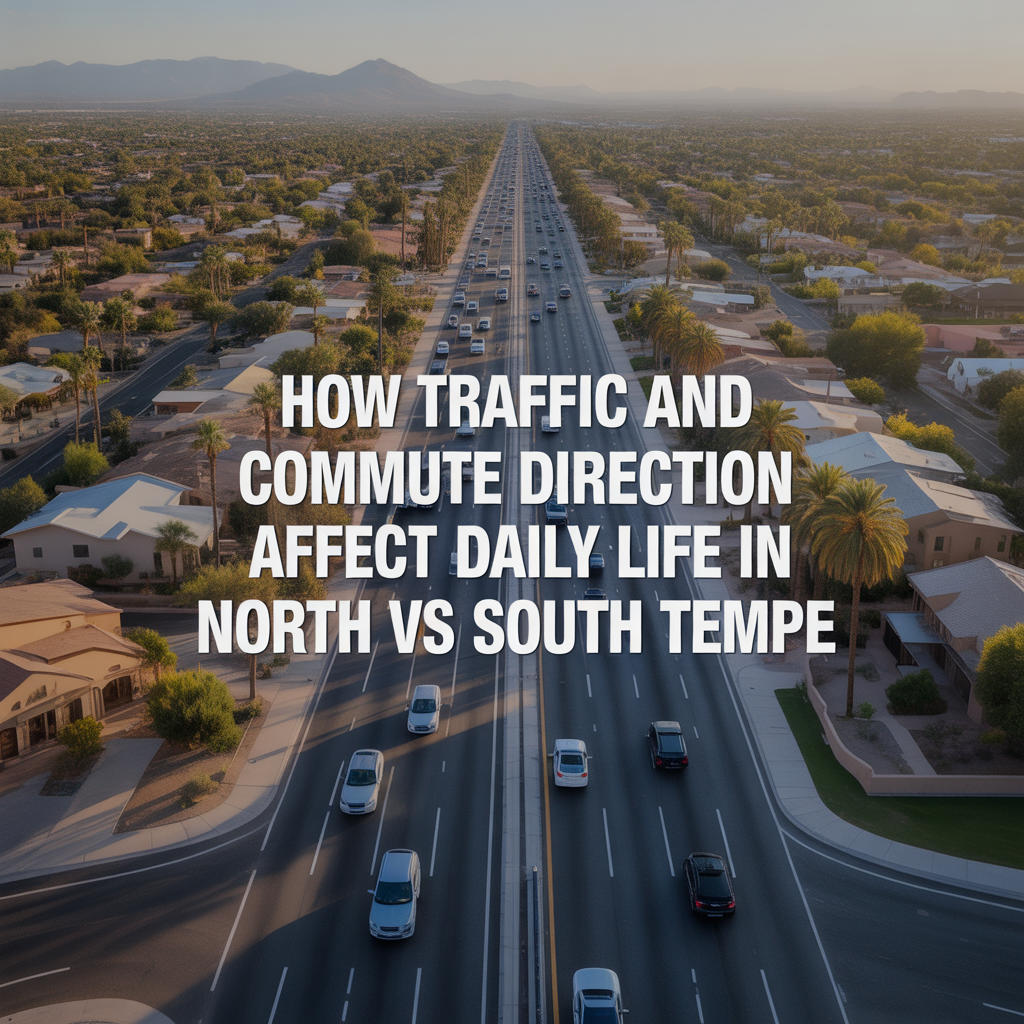
How Traffic and Commute Direction Affect Daily Life in North vs South Tempe
-

Bike Paths, Walkability, and Short-Distance Transportation in Tempe
-

Driving Access From Tempe to Phoenix Sky Harbor Airport
-

Light Rail Access Between Tempe, Downtown Phoenix, and Mesa
-
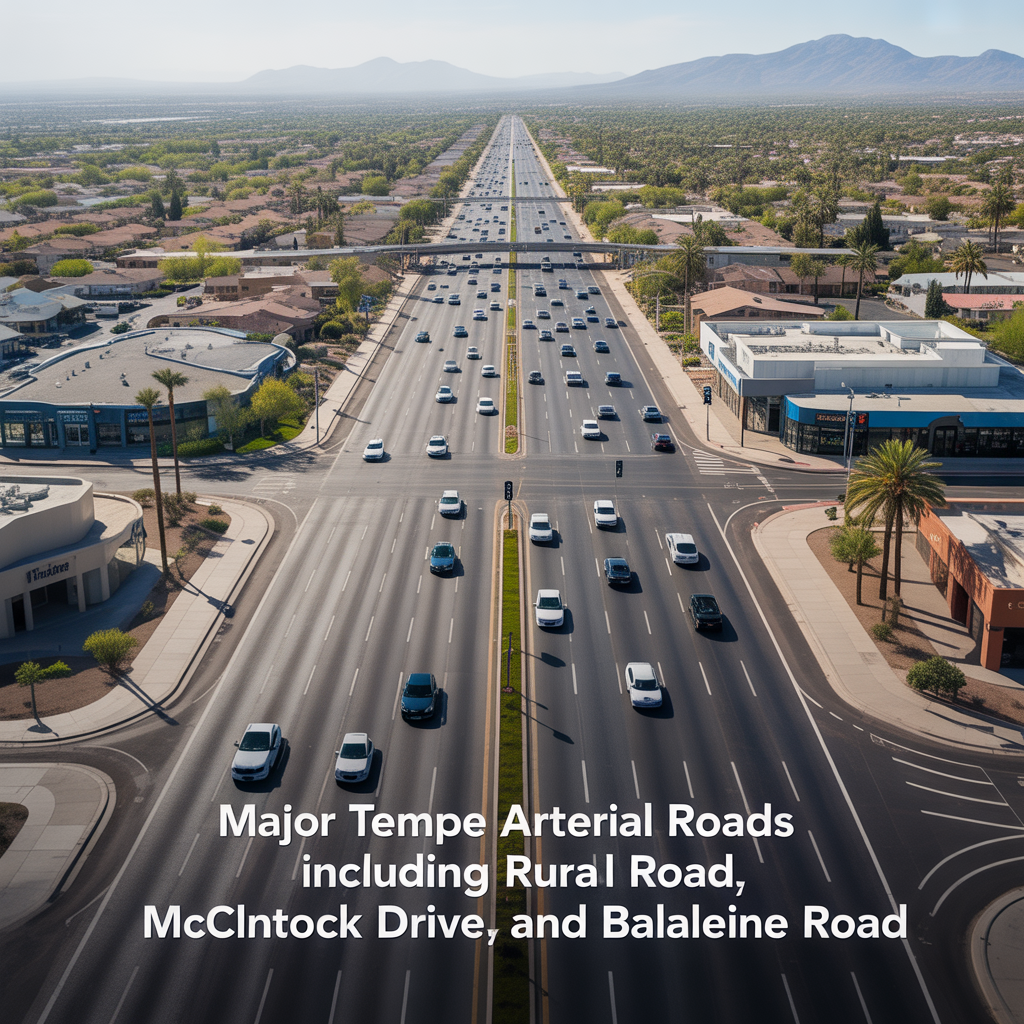
Major Tempe Arterial Roads Including Rural Road, McClintock Drive, and Baseline Road
-
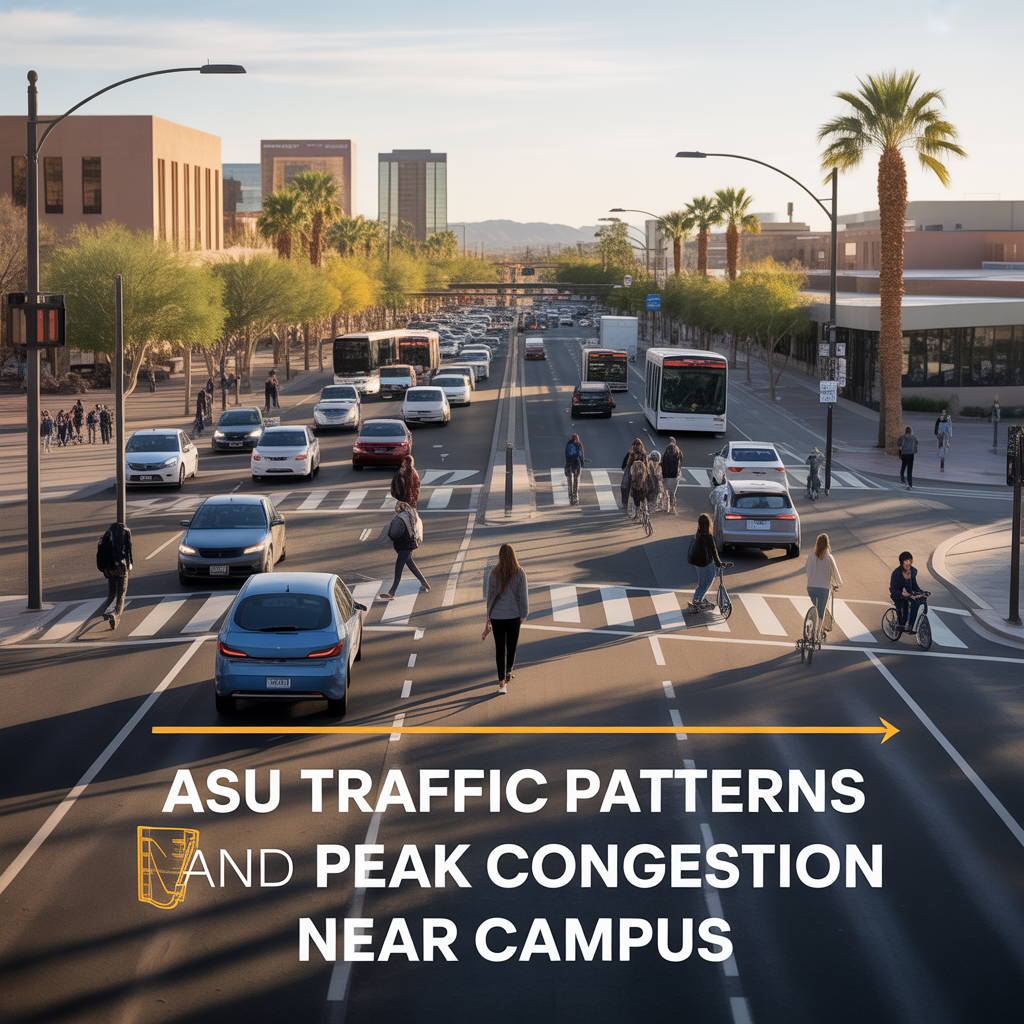
ASU Traffic Patterns and Peak Congestion Near Campus
-

Typical Commute Times From Tempe to Phoenix, Scottsdale, and Chandler
-
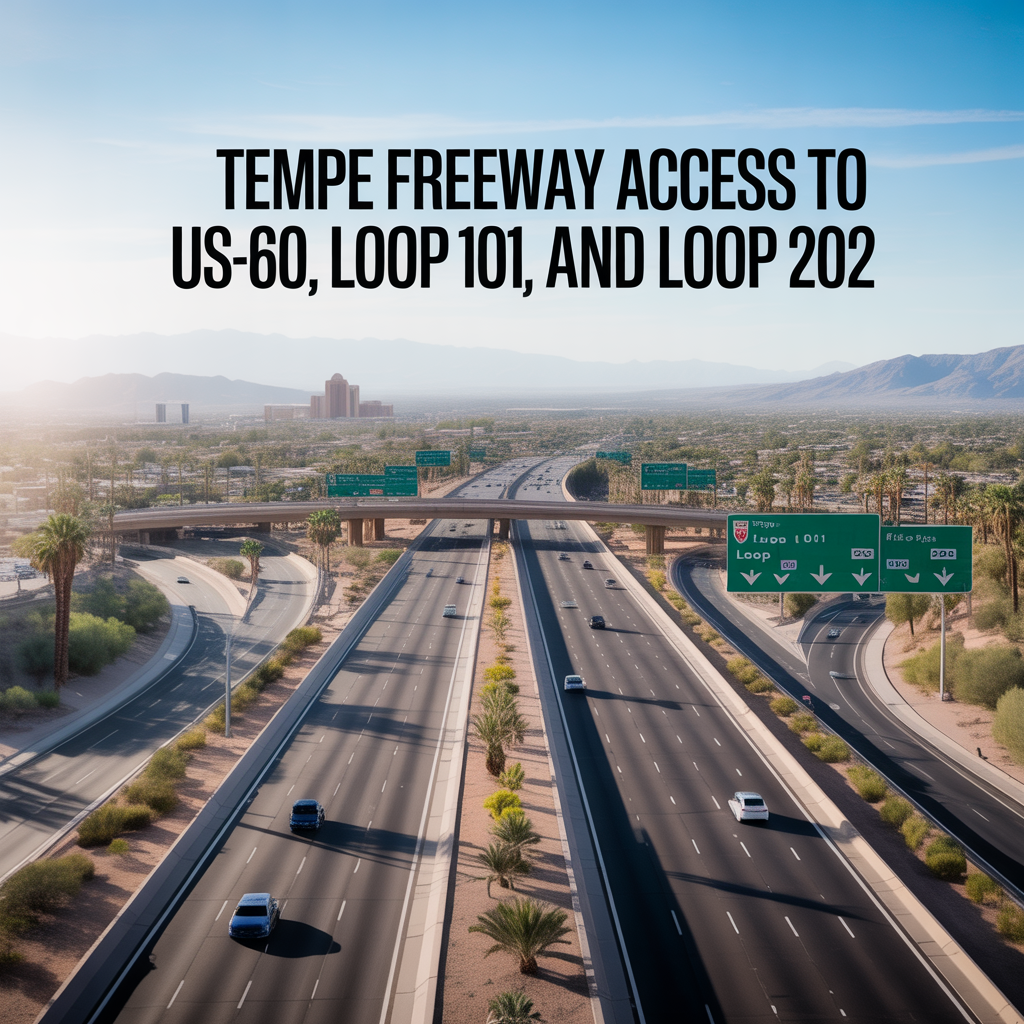
Tempe Freeway Access to US-60, Loop 101, and Loop 202
-

Shade, Tree Coverage, and Summer Outdoor Usability in Tempe
-

Outdoor Recreation Near Downtown Tempe and ASU