



Phoenix Lifestyle Guide → [Phoenix Lifestyle Guide] & For more info on Phoenix Real Estate → [Phoenix Real Estate Guide]
Written by: Renee Burke
Interest rates have settled into a more predictable range across the Valley these days, hovering right around 6% for most 30-year fixed loans as we move through early 2026. It’s a number that’s eased from the sharper peaks of recent years, yet still feels weighty for families eyeing homes in Glendale or move-up options in Peoria. This stability is reshaping how Phoenix-area buyers approach the market—not with hesitation, but with thoughtful adaptation.
I’ve sat with so many of you weighing these exact numbers, watching how they ripple through budgets and timelines. Let’s walk through what today’s rates really mean for your next step here in the metro.
The Current Rate Landscape
As of February 2026, expect 30-year fixed rates between 5.95% and 6.25%, with averages clustering near 6%. Shorter 15-year options dip to 5.4%-5.6%, while VA and FHA loans offer friendlier entry points around 5.5%-5.9% for qualified borrowers. Refinances track slightly higher, but lender competition keeps them competitive.
These aren’t the sub-4% dreams of a few years back, but they’re a far cry from 2024’s highs. The Federal Reserve’s steady hand—no big cuts or hikes—has calmed volatility, letting buyers focus on life changes rather than waiting for the next headline.
How Rates Hit Phoenix Budgets
For a typical $550,000 Peoria single-family home with 20% down, a 6% rate means monthly principal and interest around $2,600—manageable for many dual-income households, but tighter than pre-2022. Bump to 6.5%, and it edges toward $2,750, squeezing discretionary spend on Arrowhead outings or Vistancia golf.
First-timers in Glendale’s $450,000 range feel it most: FHA at 5.9% keeps payments near $2,200 with 3.5% down, preserving access to West Valley schools. Move-ups trading equity from a 2021 purchase offset the hit—your $300K gain covers rate differences handily. Rates don’t block deals; they sharpen priorities like freeway proximity or HOA perks.
Adaptation Strategies Valley Buyers Love
Phoenix buyers aren’t sidelined—they’re smarter. Here’s what’s working:
- Rate buydowns. Sellers or builders cover 1-2 points upfront, dropping effective rates to 5% for the first years—common in Buckeye new builds or Gilbert resales.
- 2-1 buydowns. Payments ease gradually—full rate year three onward—ideal for Glendale families planning refi if rates dip.
- ARM exploration. 5/1 or 7/1 ARMs start near 5.75%, buying time for equity growth before fixed conversion.
- Shorter terms. 15- or 20-year loans shave rates and interest, suiting Scottsdale relos with deeper pockets.
Lenders here know the Valley—TSMC hires snag VA perks; retirees layer HELOCs. These tools turn 6% into opportunity.
Impact on Neighborhood Demand
Rates influence where buyers hunt:
East Valley holds firm—Gilbert’s family core absorbs 6% with school-driven demand, though Queen Creek starters see more negotiation. West Valley affordability shines: Surprise and Peoria thrive as payments align with Luke AFB commutes.
Central Phoenix like Arcadia softens slightly—move-ups pause, favoring cash-heavy buyers near Biltmore. North luxury shrugs it off—Scottsdale estates close on jumbo rates, views trumping math. South Tempe and Laveen gain traction, where urban value meets FHA flexibility.
Overall, sales tick up modestly—rates stabilize demand without sparking frenzy.
The Emotional Side of the Numbers
I hear the quiet worry: “Can we still afford our dream?” Yes, because Phoenix living scales—drop square footage for pool access, or trade yard for walkability. Equity from pandemic buys cushions most; renting equivalents often exceed owning at today’s caps.
Waiting risks little—experts eye 6% as the new normal through 2026, with refi windows open later. Move when life says so, not rates.
Seller Concessions Buyers Are Winning
Sellers adapt too, sweetening deals: 60% now offer buydowns or closing credits, especially in 60-90 day listings. Glendale ranches near the stadium toss in carpet allowances; Peoria updates cover appraisals. It’s collaboration—rates level the field, preparation wins it.
Looking Ahead: Stability Over Swings
Forecasts hold rates near 6%—no crash to 4%, no climb to 8%. Phoenix’s job engine—semiconductors, healthcare—sustains demand. Builders incentivize; resales balance. Buyers who act thoughtfully build equity faster than waiters chase perfection.
Clearing Buyer Concerns
“Rates too high forever?” Unlikely sub-5% soon, but tools bridge gaps. “Missed the low window?” Equity and concessions recoup it. “Affordability crashing deals?” Selective demand endures—Valley lifestyle pulls through.
It’s navigable, not impossible.
Rates as Allies, Not Barriers
Today’s 6% range empowers Phoenix buyers to choose intentionally—from Glendale’s buzz to Scottsdale’s calm—without old pressures. It’s a market rewarding strategy and heart.
Stability lets you focus on fit, not frenzy.
Let’s Crunch Your Numbers
If you’re thinking about making a move in the Phoenix area—or how these rates fit your budget—you don’t have to figure it out alone.
I’ve helped Valley families layer buydowns, weigh ARMs, and turn rate realities into home wins, knowing every lender nuance and neighborhood perk. Whether a no-pressure rate check or full scenario walkthrough, I’m here as your calm guide.
Reach out anytime. Phoenix dreams deserve clarity, options, and trust—let’s make yours real.
Get the full Phoenix Market Insights → [Market Insights]


-

Separating Lifestyle Spending From Homeownership Costs
-
How Usage Changes Monthly Ownership Costs
-
Planning Around Utility Cost Volatility
-
Why Variable Expenses Drive Most Budget Stress
-
Fixed Costs That Aren’t Actually Fixed
-
Budgeting for the House You’ll Own in Five Years
-

Why Ownership Cash Flow Feels Tighter Over Time
-
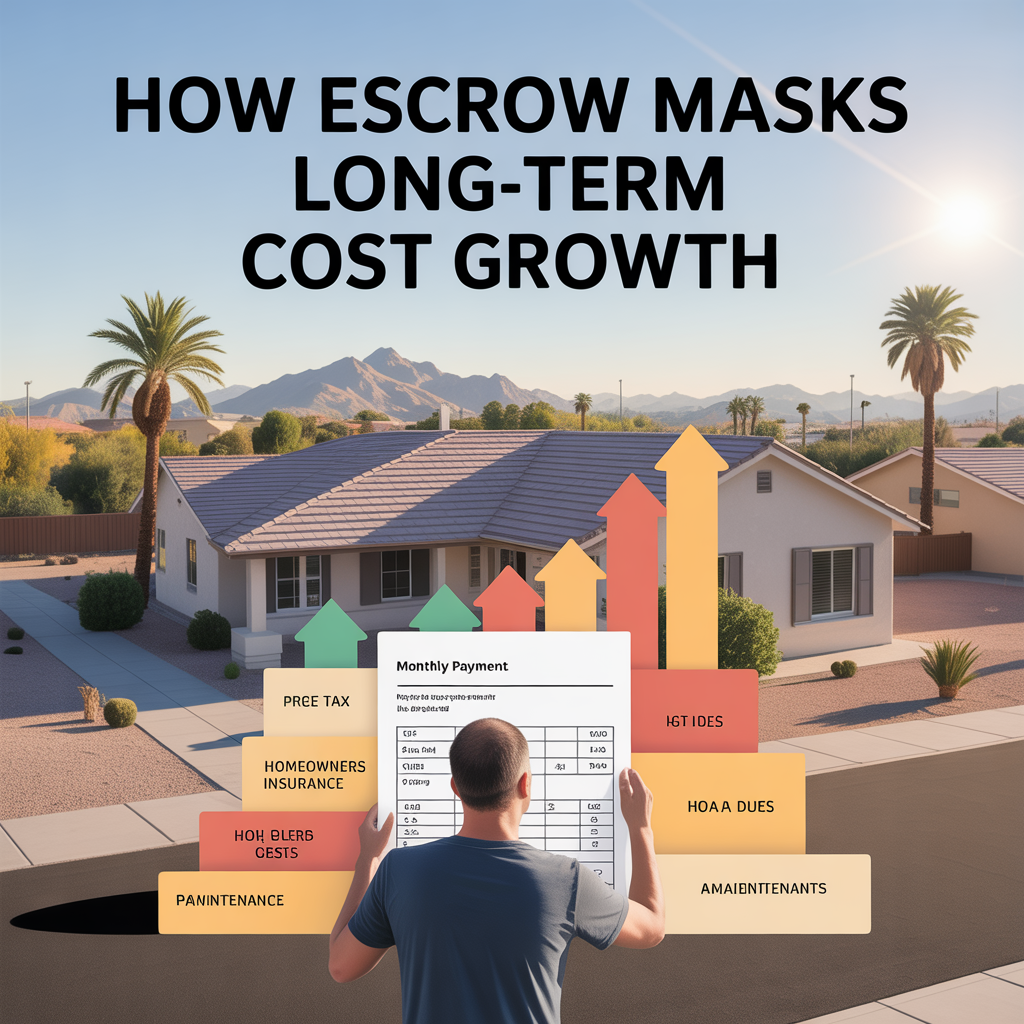
How Escrow Masks Long-Term Cost Growth
-

Why Your Mortgage Payment Isn’t Your True Housing Cost
-

Cross-Valley Trips: When They Feel Easy vs Heavy
-

Remote-Work Friendly Pockets in Glendale
-

School-Run Congestion Zones and Timing
-

Arterial Routing and “Daily Loop” Efficiency
-

State Farm Stadium and it’s Effect on Life and Property Value
-

Freeway Access as a Lifestyle Multiplier in Glendale
-

Event-Night Traffic Impacts and Avoidance Strategies
-

Weekday Commute Direction Tradeoffs From Glendale
-

Season Shifts in Outdoor Time in Glendale
-

Shade, Tree Cover, and Neighborhood Comfort
-

Dog and Kid Friendly Outdoor Routines
-

Trail Access That Feels Routine-Friendly
-

Sports Parks and Family Recreation Patterns
-

Map Proximity vs Summer Usability in Glendale
-

Daily-Use Parks vs Weekend Outdoor Trips
-

Top 10 “Date Night Out” Spots in Glendale