



Phoenix Lifestyle Guide → [Phoenix Lifestyle Guide] & For more info on Phoenix Real Estate → [Phoenix Real Estate Guide]
Written by: Renee Burke
Life in Phoenix naturally teaches you to live by the sun, not the clock. As the seasons shift, so does when and how we spend time outside—early mornings, shaded afternoons, and breezy evenings each play a different role depending on the time of year.
Winter: All-Day Outdoor Living
In winter, Phoenix feels like it was built for being outside. Mild daytime highs and cool, but rarely harsh, evenings mean you can comfortably be outdoors almost any time of day. Hikes, dog walks, kids at the park, coffee on the patio, and patio dining all become all-day options instead of squeezed into narrow windows.
You’ll see people start later in the morning—maybe a walk at 9 or 10 instead of at sunrise—because the chill lifts quickly. Midday becomes prime time for errands, markets, and outdoor events, since the sun feels warm but not punishing. Evenings are perfect for firepits, patio heaters, and long dinners outside without worrying about overheating or bundling up.
Spring: Expanding Mornings, Precious Evenings
As the desert wakes up in spring, we usually get our last long stretch of comfortable weather before the serious heat arrives. Days start earlier again for hikers, runners, and dog owners, especially by late April and May as midday temperatures climb.
Morning becomes the best time for anything strenuous—trail time, yard work, or playground visits. Midday is still usable, especially in March and early April, but people gravitate more to shady patios, poolside time, and short walks rather than long outdoor projects. Evenings stay beautiful, often with just a light layer needed, making them ideal for dining out, sports practices, and casual neighborhood walks.
Early Summer: Shrinking the Safe Window
By late May and June, you feel the shift very clearly. Outdoor time becomes something you plan, not something you just drift into. Most locals move their “active” window to very early morning—starting before sunrise for hikes, runs, and dog walks—so they can be back inside before the real heat hits.
Midday in early summer becomes more of a transition zone: quick trips from car to store, pool time with lots of shade and hydration, or very brief outdoor tasks. You’ll still see kids outside, but usually with water involved—splash pads, sprinklers, and pools. Evenings can be warm but usable, especially right after sunset, so people often re-emerge for a walk, a swim, or dinner on a shaded patio with misters running.
Peak Summer: Dawn, Dusk, and the In-Between
In July and August, most of us live by two outdoor windows: dawn and dusk. Before about 8 a.m., you’ll see trailheads, parks, and canals buzzing with activity. It’s when serious hiking, running, cycling, and dog walking happens, often with headlamps in the very early hours.
From late morning through late afternoon, outdoor time is reduced to the essentials—getting from place to place, tending to necessary tasks, or enjoying the pool with lots of breaks and shade. Many families and professionals treat that part of the day like winter in colder climates: more indoor errands, indoor play spaces, and home projects. After sunset, when temperatures finally start to dip, people reclaim a bit of outdoor life—short walks, sitting on the patio, night swimming, or heading to spots with misters and shade.
Fall: Easing Back into the Outdoors
As temperatures ease in late September and October, outdoor time stretches back out again. Mornings stay popular because they’re cool and quiet, but you don’t have to rush as much. By mid to late fall, you can comfortably return to midday park visits, patio lunches, and longer errands without feeling drained by the heat.
Evenings become especially loved—this is when many people remember why they fell in love with Phoenix in the first place. You’ll see neighborhoods come alive again with people walking, kids riding bikes, and more community events moving back outside.
How This Plays Into Daily Life and Housing
These seasonal shifts aren’t just about comfort; they shape routines, home use, and even which features matter most in a property. A deep covered patio, a shaded east-facing yard, or a mature tree can extend your usable outdoor time by hours in summer. In winter and spring, those same spaces become your second living room.
If you’re thinking about making a move in Phoenix—or just trying to understand how your lifestyle would adapt here—it helps to picture your days season by season, not just month by month on a weather chart. When you know how you like to spend your mornings, afternoons, and evenings, it becomes much easier to choose the right home, orientation, and neighborhood.
If you’re thinking about making a move in Phoenix, you don’t have to figure it out alone. I’m here to help you connect the dots between our very real seasonal shifts and the way you want to live—calmly, thoughtfully, and with your long-term comfort in mind. Whenever you’re ready, reach out with your questions, and we’ll walk through what your outdoor life could truly look like here, season by season.
Get the full Phoenix Market Insights → [Market Insights]


-
How the Phoenix Desert Climate Shapes Everyday Life Inside the Home
-

How Phoenix Weather Patterns Shape Everyday Home Routines
-
Why Homes Often Feel More Comfortable After the First Year of Ownership
-
How Living in Phoenix Changes the Way Homeowners Use Their Homes
-
What New Phoenix Homeowners Learn During Their First Year of Ownership
-

How Daily Life Changes After the First Year of Living in a Phoenix Home
-
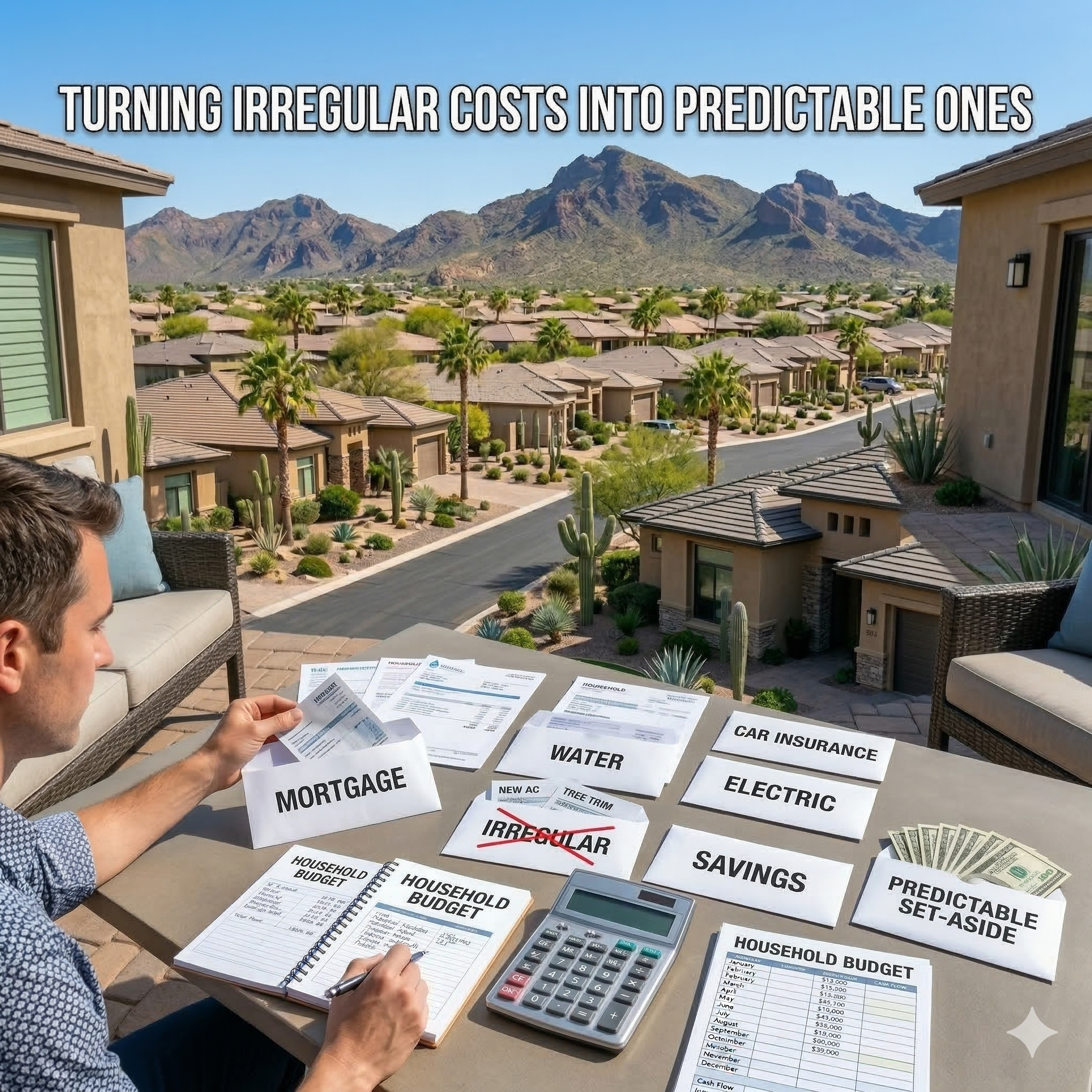
Turning Irregular Costs Into Predictable Ones
-

Budgeting for Ongoing Ownership
-
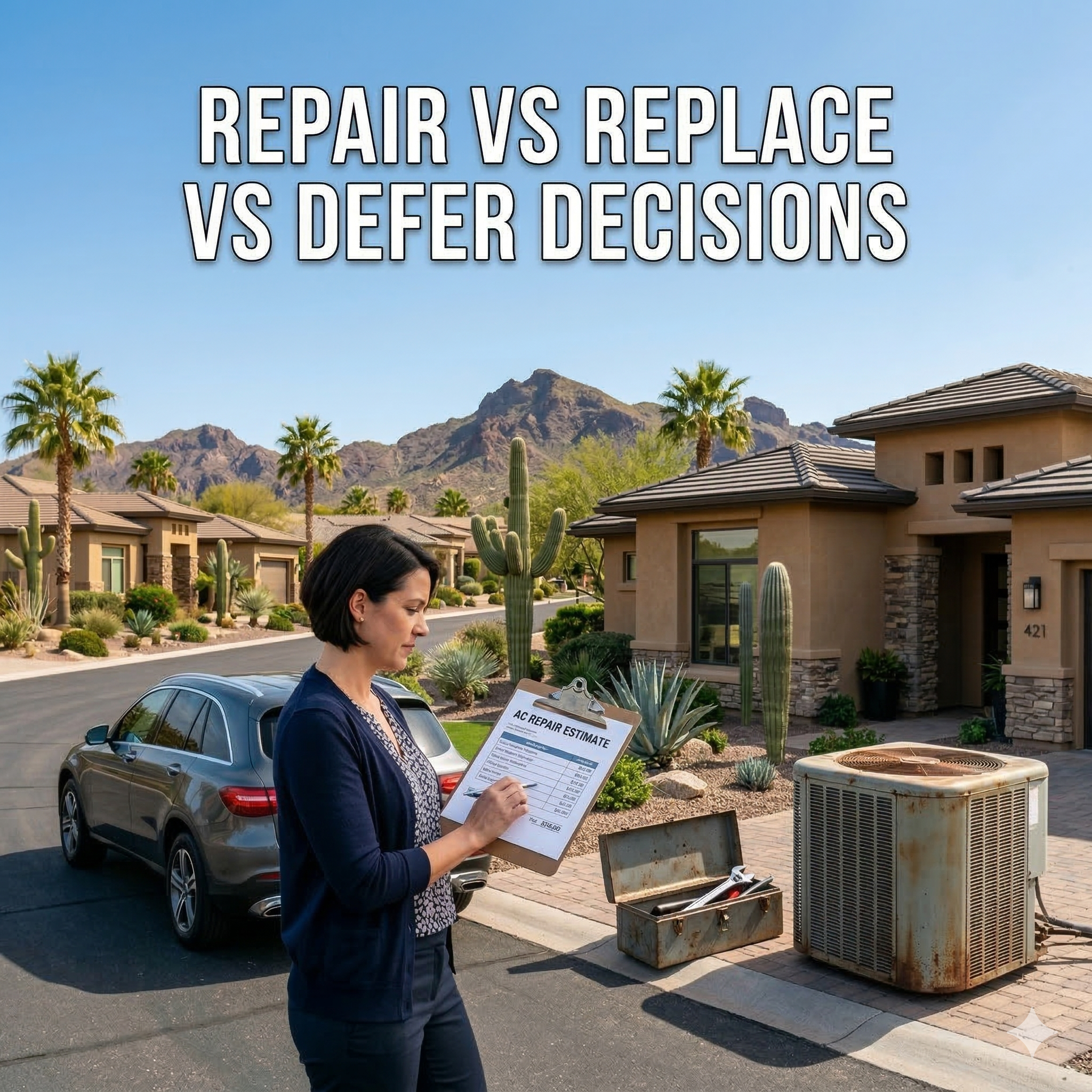
Repair vs Replace vs Defer Decisions
-

Planning Homeownership Like a Long-Term Asset
-

What Home Expenses You Can Safely Delay
-

Stopping Cost Creep Early
-

Cash Flow vs Net Worth Stress
-

Why “It’s Not That Much” Adds Up
-

Warning Signs Your Ownership Budget Is Tightening
-

The Cumulative Cost of Small Home Repairs
-

Designing Budgets Around Local Conditions
-
Utility Costs Over Time in Desert Climates
-

Insurance Increases Explained for Arizona Homeowners
-

How Inflation Impacts Phoenix Homeownership Costs
-

Avoiding Debt-Driven Homeownership Decisions
-

Replacing Systems on Your Timeline
-

Why Emergency Repairs Cost More
-

Timing Major Expenses Without Financial Shock
-
How Much to Keep in a Phoenix Home Reserve Fund