


Buyer Fears→ [Buyer Fears] & For more info on other fears Phoenix Real Estate → [Phoenix Real Estate Fears Guide]
Written by: Renee Burke
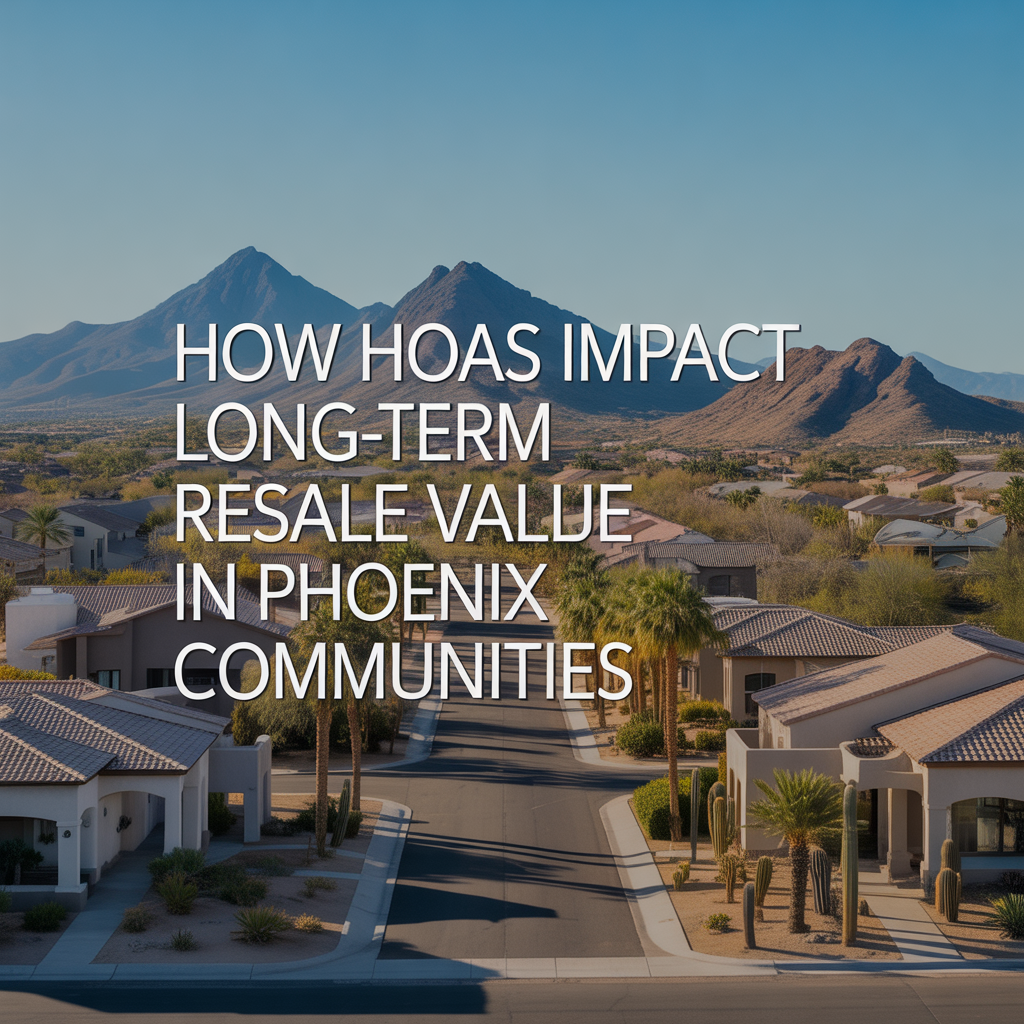
How HOAs Impact Long-Term Resale Value in Phoenix Communities
Living in Phoenix means navigating a landscape where HOAs are practically everywhere—from the sun-drenched master-planned neighborhoods of Gilbert to the upscale enclaves of Scottsdale and the vibrant condo towers downtown. These associations aren’t just about rules and fees; they play a profound role in how your home holds its value over time. As someone who’s walked countless buyers and sellers through these communities, I can tell you that a well-run HOA often becomes your silent partner in building equity, while a struggling one can quietly erode it.
The good news? Arizona’s market dynamics favor strong HOAs, especially in our Valley communities where curb appeal and amenities drive demand. But understanding the nuances—how maintenance, finances, and even board decisions ripple through resale values—empowers you to choose wisely and protect your investment.
Positive Impacts of Well-Managed HOAs
In Phoenix, where over half of homes sit within HOA boundaries, strong associations deliver tangible boosts to long-term value. They maintain the pristine desert landscaping, sparkling pools, and uniform aesthetics that buyers crave in our hot market.
Well-kept common areas enhance curb appeal, drawing more showings and often leading to quicker sales at higher prices. National data suggests HOA homes can command 5-6% premiums over comparable non-HOA properties, and in places like DC Ranch or Eastmark, this holds true—homes sell faster because buyers relocating from California or Texas expect that resort-like lifestyle.
Amenities like fitness centers, pickleball courts, and community events add lifestyle value that appraisers factor in. In master-planned spots like Verrado or Power Ranch, these features stabilize values even during slowdowns, as families prioritize turnkey communities over fixer-uppers.
The Financial Health Equation
HOA reserves and budgets are the backbone of resale strength. A robust reserve fund—covering roofs, stucco repairs, and AC units against our brutal summers—signals to buyers that no surprise assessments loom.
In thriving Phoenix HOAs, annual budgets reflect proactive planning: funded studies every few years, low delinquency rates, and steady dues without spikes. Sellers in these communities see appraisals align closely with list prices, as buyers feel secure about future costs.
Contrast this with underfunded groups; even in desirable areas like Ahwatukee, deferred maintenance on shared irrigation or gates can shave thousands off offers. Buyers’ agents flag these in inspections, negotiating concessions that hit your net proceeds.
Hidden Risks That Drag Values Down
Not every HOA is a value booster. Poor management can turn a gem into a liability, shrinking your buyer pool and pressuring prices downward.
Frequent special assessments—for instance, $5,000 per home to replace aging roofs in a Chandler townhome complex—scare off cautious buyers, especially first-timers stretching for our median prices. Ongoing litigation, like developer disputes in Greyhawk, ties up reserves and headlines, making lenders hesitant.
Strict rules can limit appeal too. Rental caps or no-short-term-lease policies hurt in investor-heavy areas like Mesa, where flexibility drives demand. Overly rigid boards changing minimum square footage mid-buildout, as seen in some Desert Mountain custom lots, can slash resale liquidity by excluding 80% of potential buyers.
Local Phoenix Market Patterns
Phoenix’s resale landscape tells a clear story: HOA quality correlates directly with appreciation rates. In West Valley spots like Surprise or Goodyear, amenity-rich HOAs yield 3-5% annual gains, outpacing non-HOA tracts where neglect creeps in.
Scottsdale’s luxury enclaves exemplify the upside—DC Ranch homes appreciate steadily thanks to professional management and events fostering community pride. Downtown condos, however, face headwinds from rising insurance costs and older infrastructure, where values lag if HOAs haven’t adapted.
Even in steady performers like Fountain Hills, buyer sentiment rules: positive HOA reviews on platforms like NextDoor boost showings, while whispers of board drama slow them.
| Factor | Boosts Resale Value | Hurts Resale Value |
|---|---|---|
| Financials | Strong reserves, steady dues ($50-150/mo) | Low funds, assessments >$2K/unit |
| Maintenance | Proactive (e.g., annual pool refreshes) | Deferred (faded stucco, broken gates) |
| Rules & Amenities | Balanced, appealing perks (pools, trails) | Restrictive rentals, no flexibility |
| Management | Professional firm, transparent meetings | Volunteer drama, high turnover |
| Phoenix Example | Eastmark: +4% YoY appreciation | Older Mesa condos: flat values amid fees |
Strategies for Buyers and Sellers
For buyers eyeing long-term holds, prioritize HOAs with recent reserve studies and dues covering 100% of needs—no shortcuts. Attend a meeting virtually if possible; the vibe reveals more than documents.
Sellers, showcase your HOA’s strengths in listings: highlight funded projects or events. Disclose issues early but frame them with context, like “Recent assessment complete—next 10 years covered.”
In our market, where inventory tightens around spring festivals, a stellar HOA can net you 10-15% over asking. I’ve seen it firsthand: a Gilbert home in a top HOA closed 12 days under list, while its non-HOA neighbor lingered.
Spotting Sustainable Value Builders
Look beyond fees to sustainability. In Phoenix’s climate, HOAs excelling at drought-resistant landscaping or solar incentives future-proof values. Diverse boards responsive to owners—via apps for violation tracking—build trust that appraisers note.
Avoid red flags like dues hikes over 10% yearly or minutes filled with infighting. These erode confidence, capping your home’s trajectory in a region where lifestyle sells.
A Personal Note from Renee
Phoenix real estate is about more than square footage—it’s crafting a legacy in communities that endure. HOAs, when navigated thoughtfully, amplify that potential, turning your purchase into appreciating equity for decades.
If you’re weighing HOA communities from Chandler to Cave Creek, or prepping to sell in one, you don’t have to figure it out alone. Reach out—I’m here as your local guide, ready to review documents, tour neighborhoods, and ensure every step builds toward the confident future you deserve. Let’s chat today.
Get the full Phoenix Market Insights → [Market Insights]


-
Cost of Living in Rhode Island: Housing, Taxes, Utilities, and Everyday Expenses
-

What If My Commute Becomes Worse Than Expected?
-

How Aging Home Systems Affect Property Value
-

Energy Efficiency Upgrades for Phoenix Homes
-
How to Plan for Major Home System Replacements
-

When Phoenix Homeowners Should Replace Water Heaters
-

Repair vs Replace Decisions for Phoenix HVAC Systems
-
Creating a Long-Term Home Maintenance Plan
-

How Often Phoenix Homes Should Be Professionally Inspected
-
Early Warning Signs of Major Home System Failures
-

How Preventative Maintenance Protects Phoenix Property Value
-

The Best Annual Home Maintenance Plan for Phoenix Homes
-

Electrical Safety Inspections for Older Phoenix Homes
-

Why Whole-Home Surge Protection Matters in Arizona
-

Preparing a Phoenix Home for Electric Vehicle Charging
-

Signs Your Home’s Electrical System Is Overloaded
-
When Phoenix Homes Need Electrical Panel Upgrades
-

Water Pressure Problems in Phoenix Homes Explained
-

Preventing Irrigation Leaks That Waste Water in Desert Landscapes
-

Signs of Hidden Plumbing Leaks in Phoenix Houses
-

How Long Water Heaters Last in Arizona Homes
-

How Hard Water Affects Plumbing Systems in Phoenix Homes
-

Preventing Water Damage in Phoenix Homes During Storms
-

Roof Maintenance Tips Before Phoenix Monsoon Season
-
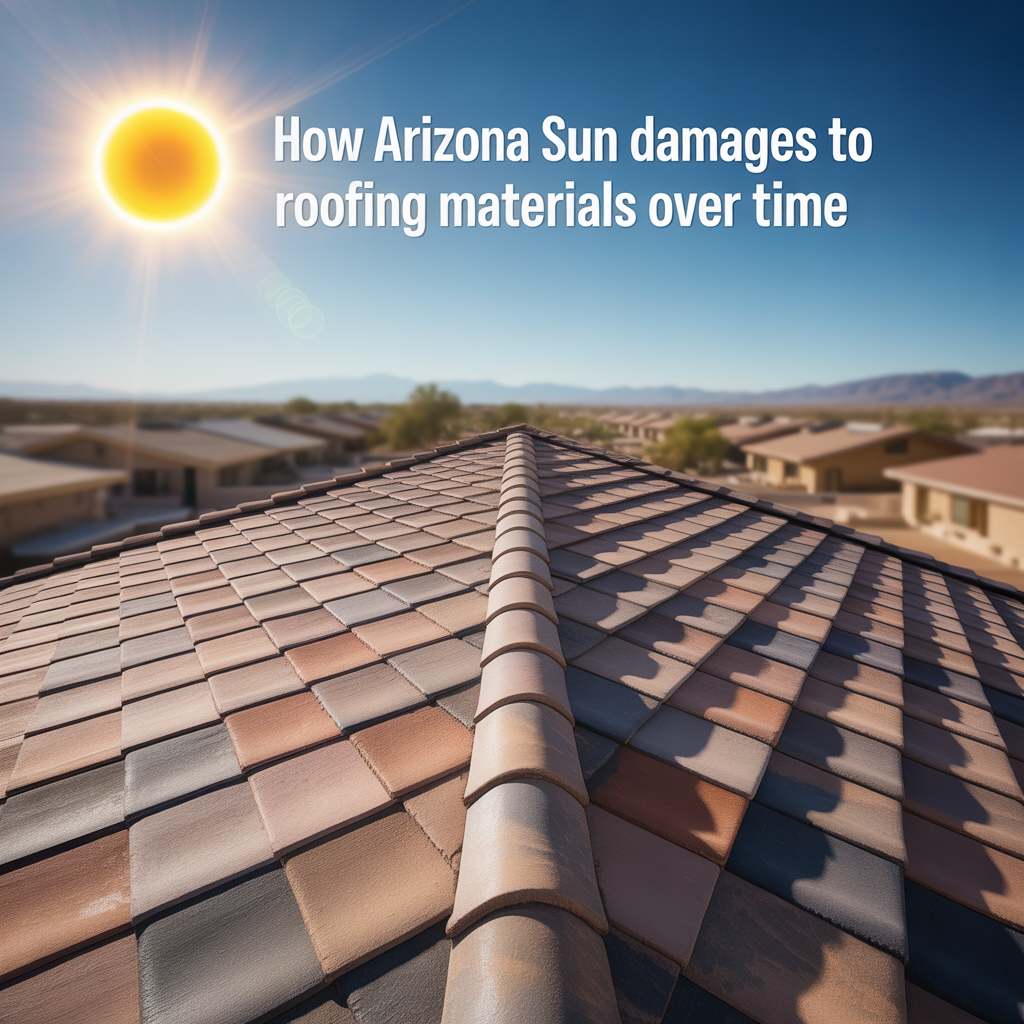
How Arizona Sun Damages Roofing Materials Over Time