



Buyer Fears→ [Buyer Fears] & For more info on other fears Phoenix Real Estate → [Phoenix Real Estate Fears Guide]
Written by: Renee Burke
If you live in the Phoenix metro area, chances are you’re under some kind of HOA rules—whether in a bustling neighborhood in Scottsdale, a growing master-planned community in Gilbert, or a condo building downtown. Those rules and fees are more than just paperwork; they’re legally binding agreements that protect the community but also protect you with clear Arizona laws. Understanding what happens when something goes wrong—whether it’s a rule violation or missed payment—can ease some of that initial stress.
First thing to know: Arizona HOA laws are strict about procedure, which means both you and the HOA have rights and responsibilities. Ignoring a notice from your HOA can escalate quickly, but Arizona’s Planned Community and Condominium Acts are fair and structured processes are mandatory, so you have many opportunities to respond and rectify the situation.
How Rule Violations Are Handled
Rule violations are common in Arizona communities. They range from not responding to a landscaping issue or an unapproved remodel to parking complaints or noise issues. Under the Arizona Planned Community and Condominium Acts, A.R.S. § 33-1803 and § 33-1243, rules MUST be applied according to due process, and arbitration is strongly encouraged.
- Notice and “Cure Period”
- You will first receive a written violation notice, clearly stating the issue and giving you a reasonable time to correct it—typically with a deadline to cure the issue.
- Any fines must first be approved as part of the HOA’s written fine and escalation policy; the fines must be reasonable and proportional to the violation.
- Fines and Escalation
- If the issue isn’t resolved, an HOA can impose fines within the parameters they’ve published. There’s also the option to continue imposing fines for ongoing or repeat violations.
- Before any fines are actually collected, the homeowner must be given a written hearing opportunity by the board or a specific committee. This board hearing must document the decision thoroughly.
- What If You Disagree?
- HOA board decisions on fines can be appealed internally, through additional board action or a hearing.
- If you still disagree with the board or how the CC&Rs are being enforced, you can pursue mediation or arbitration (both are required under Arizona law before most litigation).
- Only after that can anyone move to civil litigation in a court of law to challenge or enforce fines. Some HOAs and homeowners may also file IRS cases or HOA complaint forms through the Arizona Department of Real Estate.
Important distinction: Arizona law allows HOAs to impose fines, but fines cannot create an automatic lien on your property like HOA assessments can. Instead, enforcement of fines is handled through legal action such as small claims or civil judgment, not directly through foreclosure actions alone.
What Happens If You Miss HOA Payments
Missed HOA payments are a texture of every budget (job loss, illness, or just a one-time oversight). But in Arizona, as elsewhere, your HOA has far more powerful tools for collecting delinquent assessments—and there are important limits on how they may proceed. This is governed by A.R.S. § 33-1803 and § 33-1807.
Here’s the process and what it means to you:
- Initial Delinquency and Late Fees
- HOA assessments are due each month. If you are at least 15 days late, the HOA may charge you a late fee, capped by law.
- The maximum late fee can be either $15 or 10% of the unpaid assessment, whichever is greater.
- The HOA must give you notice that your assessment is overdue before applying any late fees or penalties.
- Liens
- The biggest difference between fines and assessments is this:
Under Arizona law (A.R.S § 33-1807), unpaid assessments (regular monthly dues) may trigger an automatic lien on your property. - As of 2025 rules:
- An HOA may record a lien if a homeowner is delinquent in assessments for at least 18 months,
- OR the total unpaid assessments are at least $1,200, excluding late or collection fees and attorney’s fees.
- Once a lien is recorded, it becomes a matter of title—this will impact your ability to sell, refinance, or even begin a new mortgage. It shows publicly that you owe the HOA money.
- The biggest difference between fines and assessments is this:
- Should You Receive a Notice for Lien or Foreclosure?
- Before an HOA can place a lien or proceed toward foreclosure, they must give you what’s called an affidavit of delinquency, including:
- The amount due,
- The period being billed,
- Any fees, and
- A clear statement that the HOA may pursue collection.
- HOAs must provide 30-day notice and must offer a reasonable payment plan before filing a lien or foreclosure.
- You can accept a payment plan and negotiate with the HOA instead of going straight into collections.
- Before an HOA can place a lien or proceed toward foreclosure, they must give you what’s called an affidavit of delinquency, including:
- Foreclosure (The Hardest Consequence)
- If HOA assessments remain unpaid and no payment plan or resolution occurs, your HOA can begin foreclosure proceedings.
- An action like this can proceed if you are behind in assessments for 18 months, or if the delinquency is over $1,200 in assessments alone.
- The result can be a forced sale at a court‑ordered auction. Once your home is sold, you may still owe the difference, depending on how the debt and the sale price match up.
- HOAs also can add attorneys’ fees and collection costs to the total if a lawsuit is filed or a court process is pursued.
Fines vs. Assessments: Legal Authorities
Arizona law makes a crucial distinction between fines and assessments:
| Aspect | HOA Assessments (Monthly Dues) | Fines (Rule Violations) |
|---|---|---|
| What’s paid | Regular dues for maintenance of shared areas: landscape, utilities, amenities | Penalties for specific violations of CC&Rs or rules (mortgaging, landscaping, parking, etc.) |
| Authorization | Governed by statutes allowing automatic or easy lien establishment | Rules must be legal, reasonable, and adopted by HOA body |
| Late fee limit | Late fee limited to $15 or 10%, whichever is greater | No specific statewide cap on fine amount, but must be reasonable |
| Lien rights | Yes—unpaid assessments can automatically result in recording a lien | No—fines alone do not create an automatic statutorily enforceable lien |
| Collection tools | Lien, foreclosure, legal judgment, garnishment, and payment plan offers | Legal judgment and enforcement; cannot foreclose solely for fines |
| Hearing requirement | No hearing requirement for assessments | Hearings and due process required before fines |
This distinction matters a lot when you’re trying to budget. For example:
- It’s usually possible to catch up HOA payments over a few months while keeping your property.
- A one‑time fine is inconvenient, but not directly triggering a lien as long as assessments stay current.
Still, if your account accumulates both fines and delinquent assessments together, that can increase your total delinquency, making foreclosure a possibility—a lot depends on how you respond, how quickly you communicate, and when you work with an attorney or mediator if needed.
How to Protect Yourself If a Problem Arises
Living in a Phoenix‑area HOA often means the boards are volunteers, and the rules sometimes feel applied unevenly. Even so, Arizona law gives you structure to protect your finances and your home:
- Do not ignore notices. Whether it’s a landscaping complaint, a parking issue, or a late letter, respond as soon as you can. Often an email or phone call can stop escalation.
- Request a hearing if you disagree. Every homeowner has a right to a hearing about any fine before it’s imposed. Bring pictures, information, or whatever documentation you need to explain your situation.
- If currently in financial hardship, talk to your HOA soon. Many boards are understanding and will work out a reasonable payment plan instead of filing liens right away.
- Know when to seek legal help. If things escalate to point of a lien or lawsuit, especially if the HOA hasn’t followed due process, an Arizona HOA‑focused attorney can file to block or challenge wrongful fines, liens, or improper foreclosures.
Arizona law also requires mediation or arbitration before both HOAs and individual homeowners can move to full civil litigation. Starting such a process legally can feel daunting—but mediation is often far cheaper and faster than a years‑long court case.
Final Thoughts
Arizona’s HOA system is designed to keep communities attractive, well‑maintained, and financially secure—but it also preserves your rights to fair process, reasonable fees, and due notice. Violating an HOA rule or missing a payment does not spell the end of the world; it simply marks the start of a legal and administrative path with clear consequences and many chances to correct your course.
If you live or are looking at homes in the Phoenix metro and you ever feel unsure about an HOA rule, a fine, or your responsibility for assessments, you don’t have to walk through it alone. With the right support, many situations can be resolved before they reach foreclosure or court—and you can keep your focus on enjoying your community, not on defending it.
Get the full Phoenix Market Insights → [Market Insights]


-
Cost of Living in Rhode Island: Housing, Taxes, Utilities, and Everyday Expenses
-

What If My Commute Becomes Worse Than Expected?
-

How Aging Home Systems Affect Property Value
-

Energy Efficiency Upgrades for Phoenix Homes
-
How to Plan for Major Home System Replacements
-

When Phoenix Homeowners Should Replace Water Heaters
-

Repair vs Replace Decisions for Phoenix HVAC Systems
-

Creating a Long-Term Home Maintenance Plan
-

How Often Phoenix Homes Should Be Professionally Inspected
-
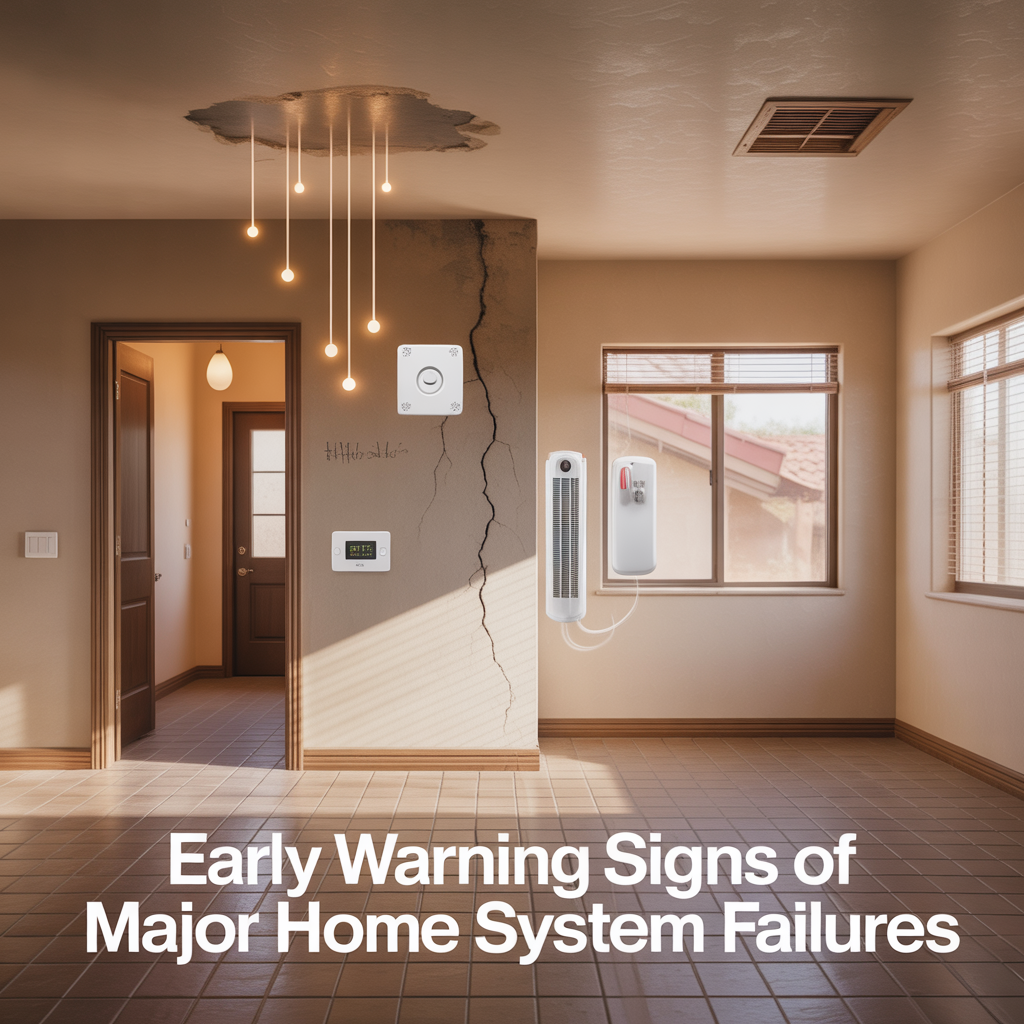
Early Warning Signs of Major Home System Failures
-

How Preventative Maintenance Protects Phoenix Property Value
-

The Best Annual Home Maintenance Plan for Phoenix Homes
-

Electrical Safety Inspections for Older Phoenix Homes
-

Why Whole-Home Surge Protection Matters in Arizona
-

Preparing a Phoenix Home for Electric Vehicle Charging
-

Signs Your Home’s Electrical System Is Overloaded
-

When Phoenix Homes Need Electrical Panel Upgrades
-

Water Pressure Problems in Phoenix Homes Explained
-

Preventing Irrigation Leaks That Waste Water in Desert Landscapes
-

Signs of Hidden Plumbing Leaks in Phoenix Houses
-

How Long Water Heaters Last in Arizona Homes
-

How Hard Water Affects Plumbing Systems in Phoenix Homes
-

Preventing Water Damage in Phoenix Homes During Storms
-

Roof Maintenance Tips Before Phoenix Monsoon Season
-

How Arizona Sun Damages Roofing Materials Over Time