



Phoenix Lifestyle Guide → [Phoenix Lifestyle Guide] & For more info on Phoenix Real Estate → [Phoenix Real Estate Guide]
Written by: Renee Burke
I remember the call from a client in Chandler last summer—her AC gave out right as temperatures hit 115°F, turning her home into a furnace just before a family gathering. Moments like these remind us how much we rely on these big three: roofs, HVAC systems, and water heaters. In Phoenix, our desert extremes—blazing sun, dust storms, and hard water—don’t just test them; they shorten their lives if we’re not careful.
Let’s walk through realistic lifespans here in the Valley, what wears them down, and how to stretch every year you can. Knowing this helps you budget wisely, avoid emergencies, and choose homes that won’t surprise you down the road.
Roofs: Phoenix’s First Line Against the Sun
Our roofs take the brunt of 300+ sunny days a year, UV rays that brittle materials, and monsoon winds that test every shingle. Asphalt composition—the most common in neighborhoods from Gilbert to Glendale—lasts 20–25 years with good care. Tile roofs, staples in older Scottsdale or Paradise Valley homes, push 30–50 years thanks to their weight and interlocking design.
Expect shorter lives in outer areas like Buckeye or Queen Creek, where new roofs face rapid sun exposure without mature shade. Flat or low-slope roofs on modern builds fare worse at 15–20 years if foam or gravel isn’t maintained. Signs of trouble? Granules in gutters, curling edges, or interior leaks after a rare rain. Annual inspections catch these early—SRP rebates often cover energy-efficient upgrades too.
HVAC Systems: Built for Battle, But Not Forever
Nothing works harder here than your AC. Valley units run 8–10 months yearly, battling dry heat that stresses compressors and coils. Expect 10–15 years average lifespan—shorter than the national 15–20 due to nonstop duty. High-end models with variable-speed tech or proper sizing hit the upper end; neglected ones fail by year 8–10. Furnaces or heat strips in dual systems last 15–20 years, barely used outside mild winters.
Dust is the silent killer—clogging filters and coils, forcing overwork. Change filters every 1–2 months (more with pets), schedule bi-annual tune-ups, and shade outdoor units. I advise clients to check installation: oversized units short-cycle and die young; right-sized ones hum efficiently. By year 12, start saving—replacements run $8,000–$15,000, but rebates and efficiency gains pay back fast.
Water Heaters: The Overlooked Essential
Phoenix’s mineral-rich water accelerates sediment buildup, cutting lifespans across types. Tank-style electric or gas units average 8–12 years; tankless models stretch to 15–20 years with annual flushes. Older block homes often hide 1970s relics pushing 30+ years—miracles if they haven’t rusted out.
Hard water coats elements, reducing efficiency by 20–30% before failure. Flush yearly, insulate tanks, and consider softeners for longevity. Symptoms? Rusty water, banging noises, or lukewarm showers. Upgrading to tankless saves energy (less standby loss) and space, ideal for growing families in Peoria or Surprise.
Side-by-Side Lifespan Comparison
Here’s how they stack up in typical Phoenix homes, factoring our climate:
Numbers assume standard care; neglect shaves 20–30% off everything.
Why Phoenix Speeds Things Up
Our arid blast furnace amplifies wear: UV fades shingles, dust infiltrates coils, minerals calcify heaters. Monsoons add hail dents to roofs and humidity spikes that strain HVAC. Newer energy codes help—R-30 attics and sealed ducts extend lives—but older homes (pre-2000) lag without retrofits.
HOA rules often mandate roof colors or materials, easing replacements but hiking costs. Budget 1–2% of home value yearly for these; it’s cheaper than emergencies.
Stretching Lifespan, Valley-Style
Proactive steps pay dividends:
- Roofs: Trim trees, ventilate attics, recoat tiles every 10 years.
- HVAC: Programmable thermostats (78°F summers), duct sealing, SRP Cool Rewards enrollment.
- Water Heaters: Water softener, pipe insulation, low-flow fixtures.
Inspections during escrow reveal ages—use them to negotiate credits. I’ve saved clients thousands spotting a 14-year HVAC in a “move-in ready” listing.
Planning for the Long Haul
These aren’t just appliances; they’re your comfort anchors in a city that demands reliability. A 20-year roof over a 12-year AC keeps cash flow steady, letting you enjoy pool days without worry.
Whether buying in North Phoenix or maintaining a Mesa legacy home, timing replacements right protects your investment—and sanity.
Here to Help You Stay Ahead
Phoenix living means anticipating heat’s toll, but with the right knowledge, these systems serve faithfully for years. I’ve guided dozens through inspections, upgrades, and budgets tailored to our Valley realities.
If you’re curious about your home’s setup or planning a purchase, let’s review it together—no rush, just clear-eyed advice from someone who knows what lasts here.
If you’re thinking about a home in Phoenix, you don’t have to figure it out alone. Reach out—I’m here to help you build a place that thrives in our desert, season after season.
Get the full Phoenix Market Insights → [Market Insights]


-
Cost of Living in Rhode Island: Housing, Taxes, Utilities, and Everyday Expenses
-

What If My Commute Becomes Worse Than Expected?
-

How Aging Home Systems Affect Property Value
-

Energy Efficiency Upgrades for Phoenix Homes
-
How to Plan for Major Home System Replacements
-

When Phoenix Homeowners Should Replace Water Heaters
-
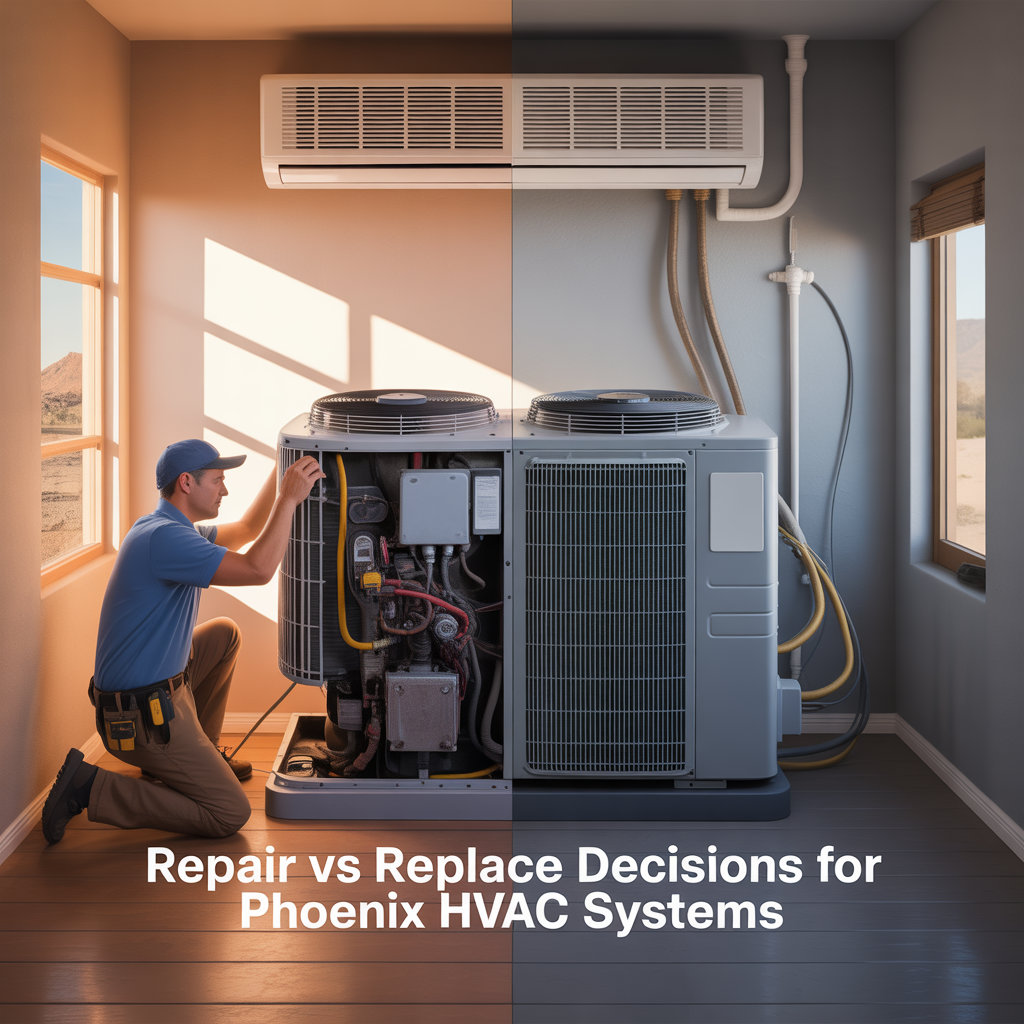
Repair vs Replace Decisions for Phoenix HVAC Systems
-
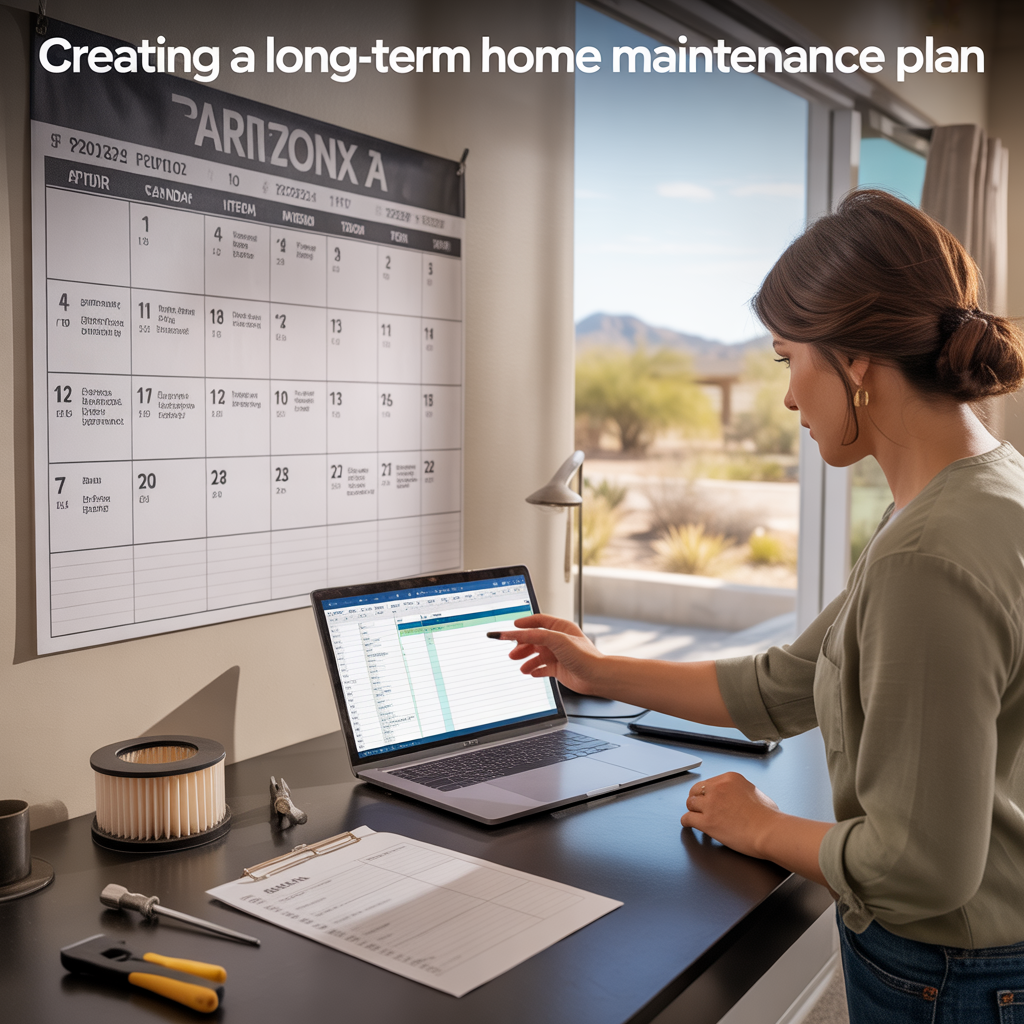
Creating a Long-Term Home Maintenance Plan
-
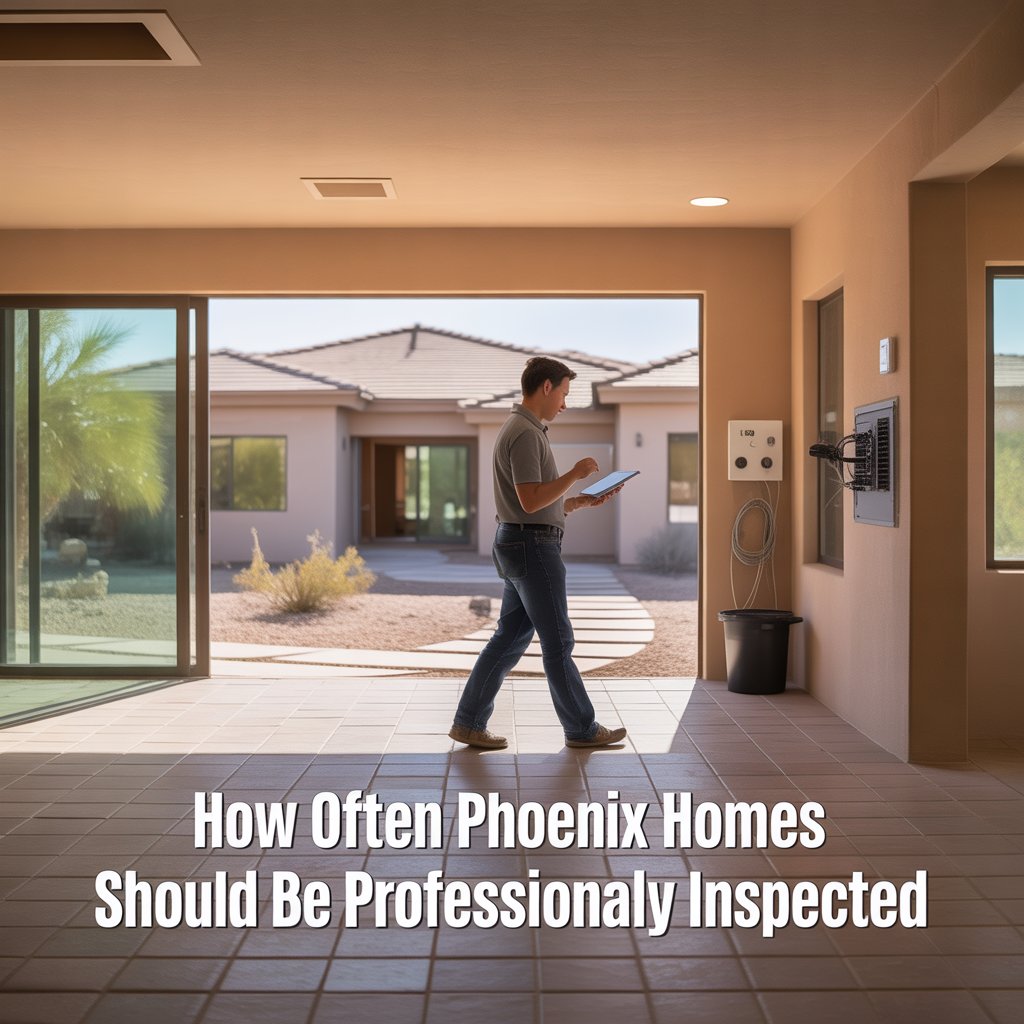
How Often Phoenix Homes Should Be Professionally Inspected
-
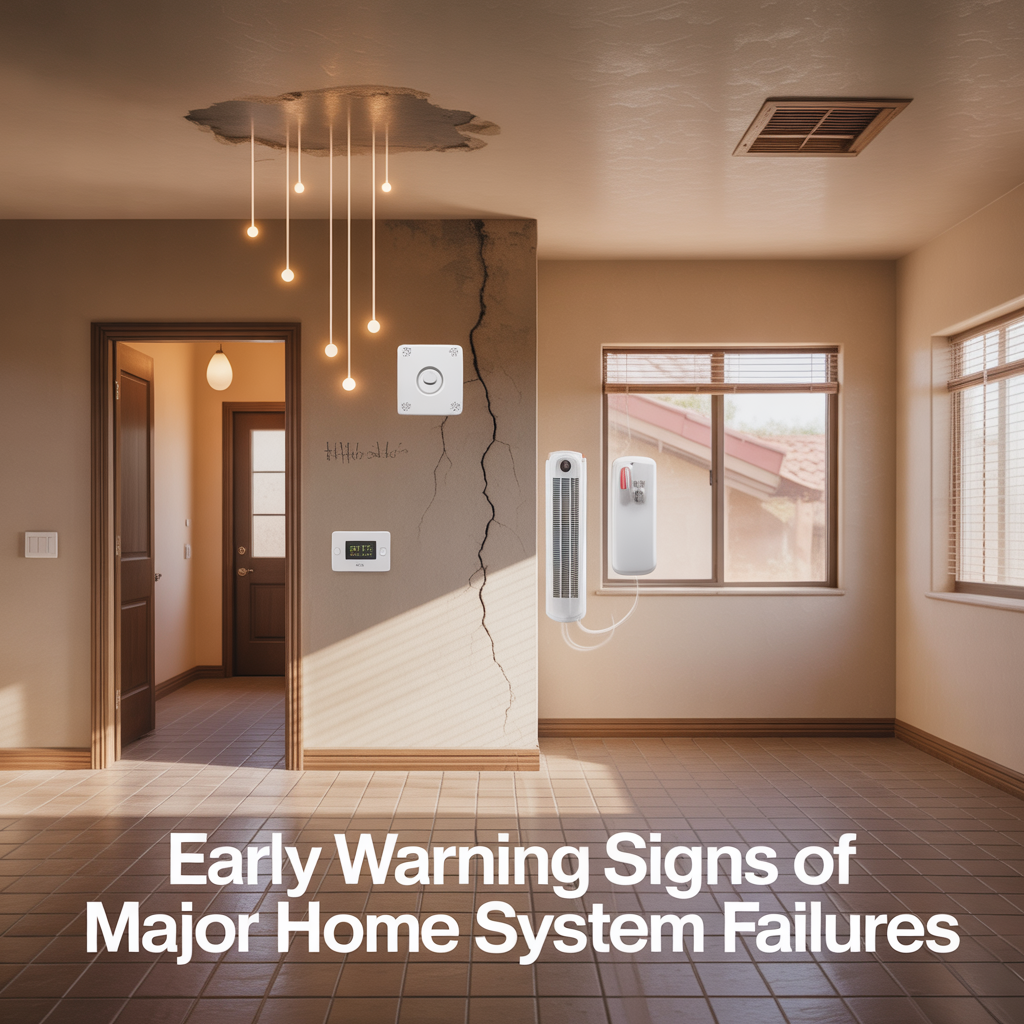
Early Warning Signs of Major Home System Failures
-

How Preventative Maintenance Protects Phoenix Property Value
-

The Best Annual Home Maintenance Plan for Phoenix Homes
-

Electrical Safety Inspections for Older Phoenix Homes
-
Why Whole-Home Surge Protection Matters in Arizona
-

Preparing a Phoenix Home for Electric Vehicle Charging
-

Signs Your Home’s Electrical System Is Overloaded
-
When Phoenix Homes Need Electrical Panel Upgrades
-

Water Pressure Problems in Phoenix Homes Explained
-

Preventing Irrigation Leaks That Waste Water in Desert Landscapes
-

Signs of Hidden Plumbing Leaks in Phoenix Houses
-
How Long Water Heaters Last in Arizona Homes
-

How Hard Water Affects Plumbing Systems in Phoenix Homes
-

Preventing Water Damage in Phoenix Homes During Storms
-

Roof Maintenance Tips Before Phoenix Monsoon Season
-
How Arizona Sun Damages Roofing Materials Over Time