


Phoenix Lifestyle Guide → [Phoenix Lifestyle Guide] & For more info on Phoenix Real Estate → [Phoenix Real Estate Guide]
Written by: Renee Burke
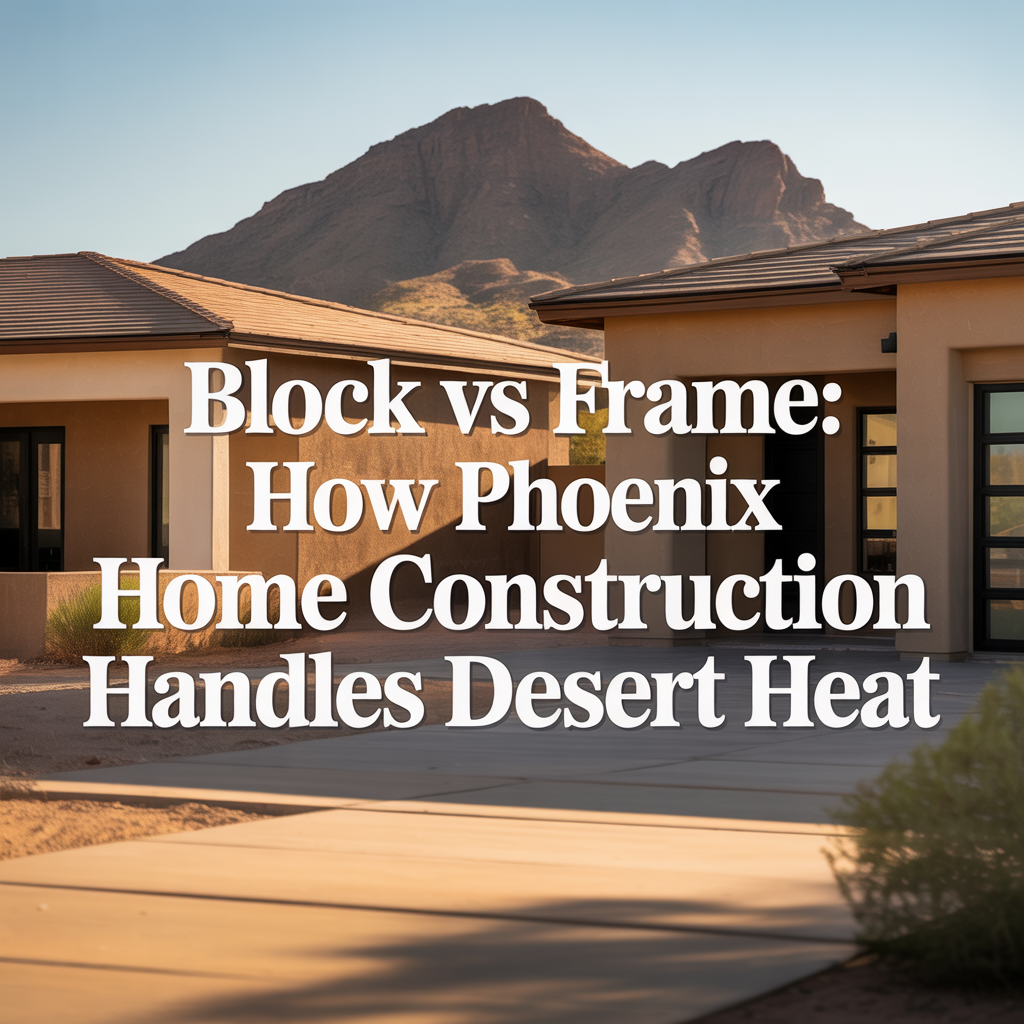
I’ve spent years helping families find homes across the Valley, from the block-heavy older neighborhoods of Central Phoenix to the frame-built communities sprouting in Buckeye and Queen Creek. When the conversation turns to construction types, it always circles back to one thing: how well does it stand up to our relentless desert heat?
Block and frame homes each handle our 110°F summers differently—one with quiet endurance, the other with modern adaptability. Let’s look at what really works here, beyond the builder specs, so you can see which fits your life in this sun-soaked place we call home.
Block Construction: The Desert’s Old Reliable
Concrete block—CMU, as we call it locally—has been a Phoenix staple for decades, and for good reason. It’s everywhere in mid-century neighborhoods like Encanto or parts of Mesa, where thick walls quietly absorb the day’s scorch and release it slowly into our cooler nights.
That thermal mass is block’s superpower in our climate. Unlike materials that let heat spike indoors, block soaks it up during those brutal afternoons, then radiates it out after sunset when temps drop 30–40 degrees. In spring and fall, this natural rhythm cuts cooling needs noticeably—no extra energy spent.
Durability shines too. Block shrugs off termites, fire, and high winds that rattle frame homes. Paired with stucco, it creates a fortress feel, keeping south-facing walls from turning your living room into a radiator. I’ve seen older block homes in Laveen stay noticeably cooler than neighbors, even without fancy upgrades.
Frame Construction: Lightweight but Smart
Wood-frame homes dominate newer builds in expanding areas like Surprise or North Peoria. They’re faster and cheaper to erect, allowing those open, airy floor plans we love for Valley entertaining. But raw wood conducts heat faster than block, so frame homes lean hard on insulation to perform.
Here’s where they catch up: modern frame walls hit R-13 to R-15 easily with fiberglass batts or spray foam, outperforming uninsulated block’s measly R-2 to R-3. Fill those block cores with foam, and block wins back ground—but frame’s cavity design makes high insulation straightforward from the start. Spray foam in attics and walls seals air leaks that plague older homes, encapsulating ducts and slashing summer bills by 20–30%.
Frame also flexes for energy tricks like foam-filled vinyl windows or Low-E glass, blocking infrared heat before it hits the walls. In peak summer, this keeps interiors steady without overworking your AC.
Head-to-Head in Phoenix Heat
Our desert swings—scorching days, chilly nights—test both styles uniquely. Here’s a clear breakdown based on how they play out locally.
Block feels cooler to the touch and quiets the world outside, ideal for established areas. Frame prioritizes efficiency tweaks, suiting new builds where codes demand R-30 attics and sealed envelopes.
What Makes the Difference Here
Phoenix heat isn’t just hot—it’s radiant, dry, and punishing on east/west exposures. South-facing block walls bake without shade or exterior foam; retrofits like rigid insulation under fresh stucco create a true barrier, dropping indoor temps 10–15 degrees. Frame homes avoid this with continuous insulation layers from day one.
Windows and roofs amplify everything. Dual-pane Low-E glass outperforms triple-pane here—extra layers fight winter cold we barely see, while coatings reflect our UV onslaught. Attic spray foam is non-negotiable for both: it lids the house, protecting ducts from 150°F roof-deck infernos.
HOA neighborhoods often spec frame for speed, but savvy buyers push for block in custom pockets like North Scottsdale fringes—blending mass with modern seals.
Retrofitting for Any Build
Own an older block ranch? Fill cores, fur out interiors for batts, or add exterior foam—costs $8,000–$15,000 but pays back in 5–7 years via SRP rebates. Frame mid-mods get spray foam attics first, sealing leaks that pull heat through fiberglass. Either way, monitor attic sensors; aim for under 130°F peaks.
New buys? Inspect insulation specs closely—code minimums won’t cut it. Prioritize foam over batts, and deep overhangs over gimmicks.
Which Fits Your Valley Life
Block suits if you value low-maintenance toughness and that solid, quiet feel—perfect for families in Mesa or retirees downsizing in Chandler. Frame wins for efficiency-focused buyers in growing West Valley spots, where lower bills and open designs match remote work and poolside living.
Neither’s perfect without insulation upgrades; our heat demands it. I guide clients to hybrids—block mass with frame-smart seals—for the best of both.
Let’s Match Construction to Your Needs
Phoenix homes aren’t just shelters; they’re heat fighters tailored to our days. Block endures, frame adapts—but the right one keeps your summers comfortable and costs in check.
If you’re touring builds or eyeing upgrades, I know the inspectors, builders, and retrofits that deliver here. No hype, just what works in our desert.
If you’re thinking about a home in Phoenix, you don’t have to figure it out alone. Reach out—let’s walk through options that handle our heat and fit your life, step by thoughtful step.
Get the full Phoenix Market Insights → [Market Insights]


-
Cost of Living in Rhode Island: Housing, Taxes, Utilities, and Everyday Expenses
-

What If My Commute Becomes Worse Than Expected?
-

How Aging Home Systems Affect Property Value
-

Energy Efficiency Upgrades for Phoenix Homes
-
How to Plan for Major Home System Replacements
-

When Phoenix Homeowners Should Replace Water Heaters
-

Repair vs Replace Decisions for Phoenix HVAC Systems
-
Creating a Long-Term Home Maintenance Plan
-
How Often Phoenix Homes Should Be Professionally Inspected
-
Early Warning Signs of Major Home System Failures
-

How Preventative Maintenance Protects Phoenix Property Value
-

The Best Annual Home Maintenance Plan for Phoenix Homes
-

Electrical Safety Inspections for Older Phoenix Homes
-
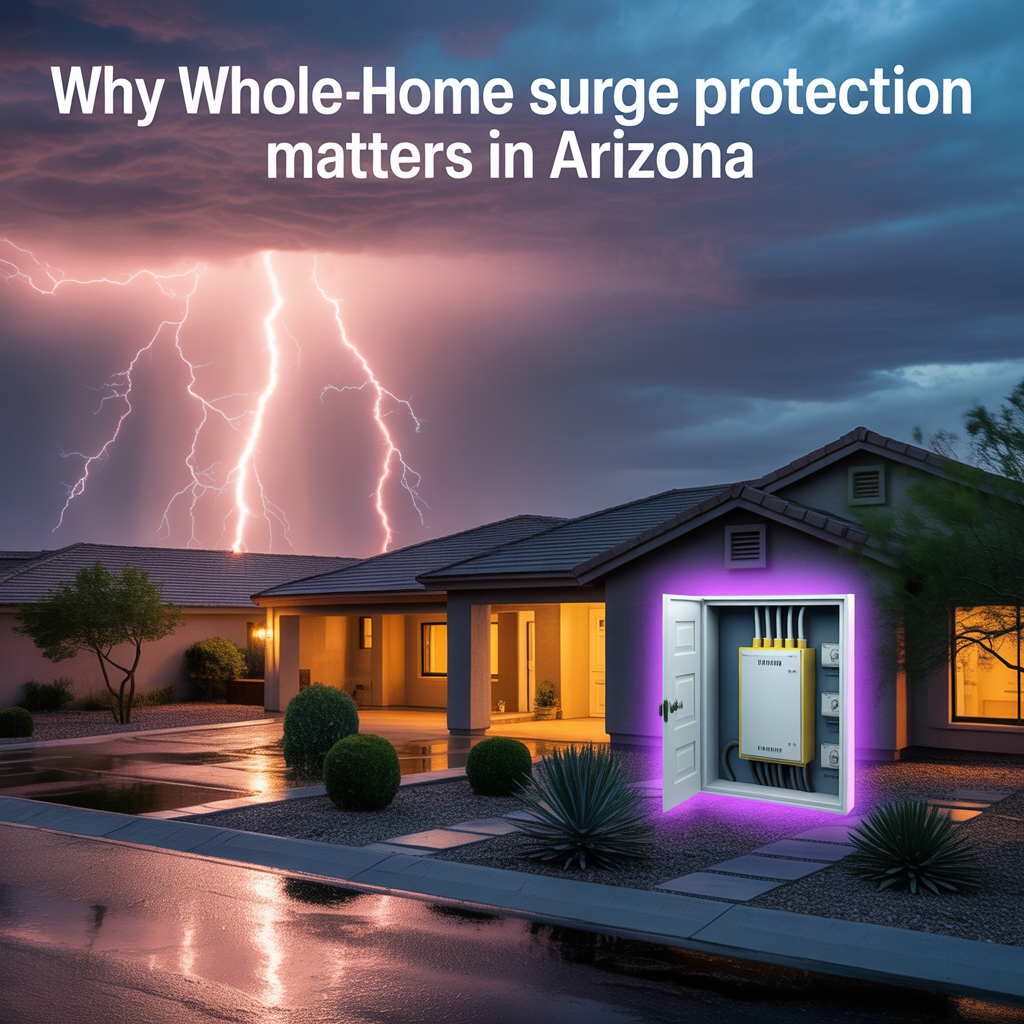
Why Whole-Home Surge Protection Matters in Arizona
-

Preparing a Phoenix Home for Electric Vehicle Charging
-

Signs Your Home’s Electrical System Is Overloaded
-
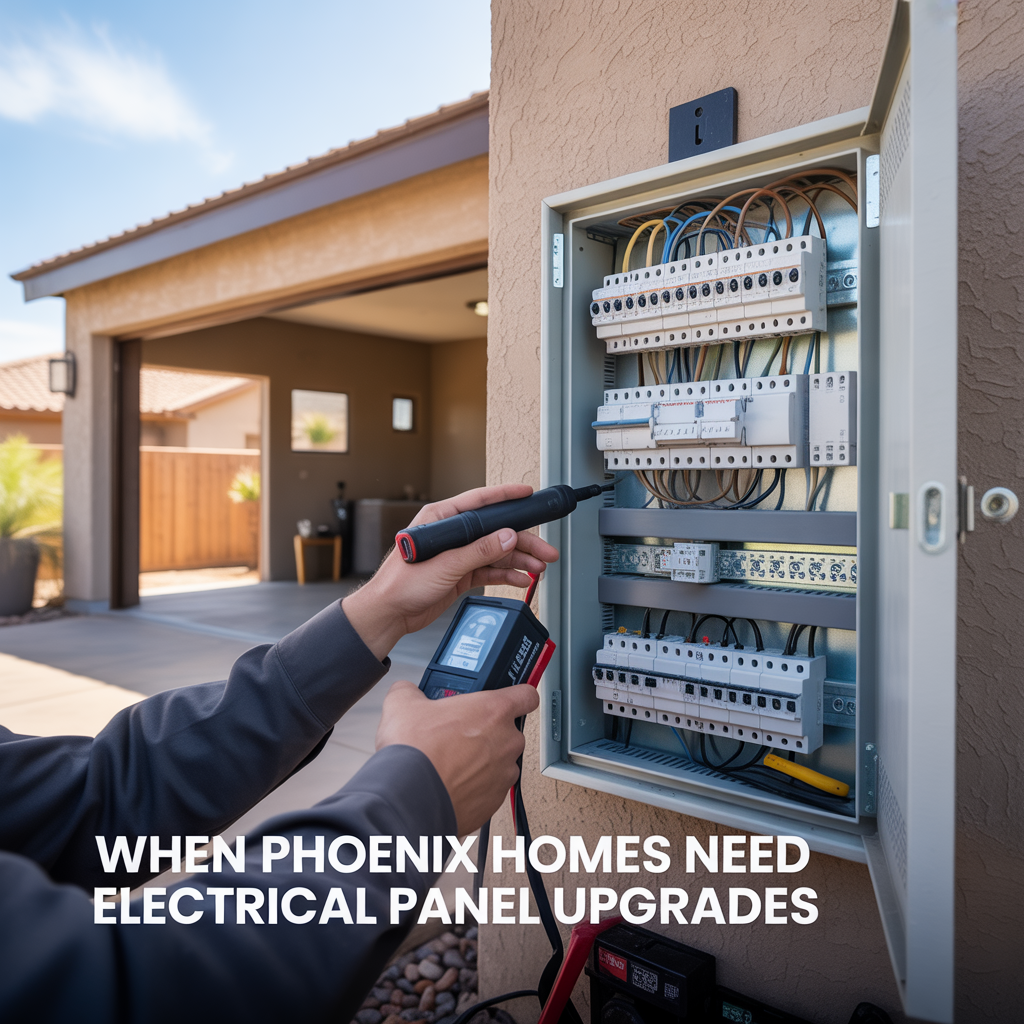
When Phoenix Homes Need Electrical Panel Upgrades
-

Water Pressure Problems in Phoenix Homes Explained
-

Preventing Irrigation Leaks That Waste Water in Desert Landscapes
-

Signs of Hidden Plumbing Leaks in Phoenix Houses
-

How Long Water Heaters Last in Arizona Homes
-

How Hard Water Affects Plumbing Systems in Phoenix Homes
-

Preventing Water Damage in Phoenix Homes During Storms
-

Roof Maintenance Tips Before Phoenix Monsoon Season
-
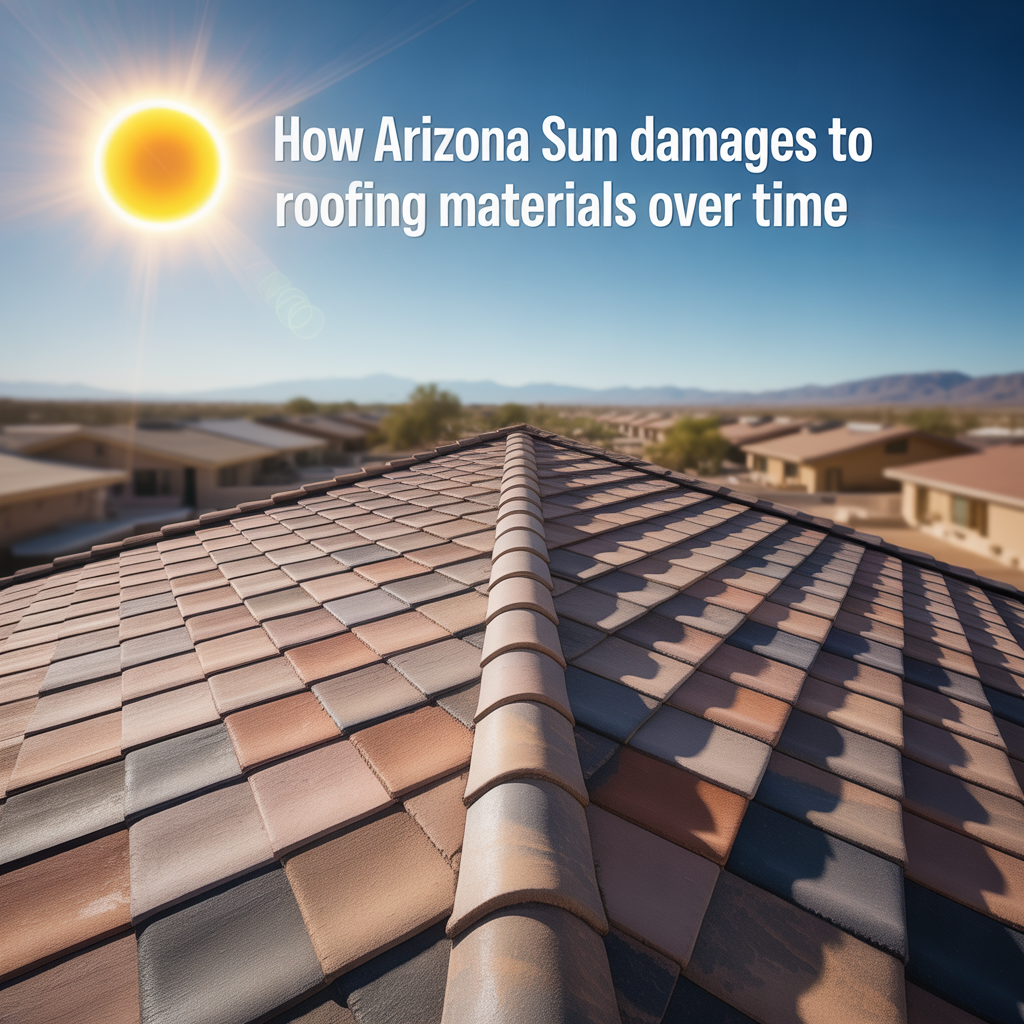
How Arizona Sun Damages Roofing Materials Over Time