Most Common Phoenix Home Inspection Issues (and Which Ones Really Matter)

Written by Chad Cabalka → Meet the Expert

Written by Reneé Burke → Meet the Expert

Written by Hilary Marshall → Meet the Expert

Phoenix Lifestyle Guide → [Phoenix Lifestyle Guide] & For more info on Phoenix Real Estate → [Phoenix Real Estate Guide]

Written by: Renee Burke

I’ve held my breath alongside countless buyers waiting for inspection reports on Valley homes—from newish builds in Buckeye to mid-century ranches in Arcadia. These reports often flag a laundry list of issues, but not all carry the same weight. In Phoenix, our desert extremes—scorching heat, hard water, and shifting soils—highlight what truly demands attention versus what’s just cosmetic noise.

Let’s sort the critical from the manageable, so you know what to negotiate hard on and what to let slide with a maintenance plan.


HVAC and Cooling Systems: Always a Top Priority

No surprise here—our AC units battle 8–10 months of heat yearly, and inspectors flag them first. Dirty coils, low refrigerant, or units over 10–12 years old top the list, especially in older Gilbert or Mesa homes.​

Why it matters: A failing system means $10k–$15k replacements mid-summer. Inconsistent cooling or rusted compressors signal end-of-life.
When to push: Near 15 years or major faults—request credits or escrow holds. Minor dirt? Seller cleans pre-closing. Newer variable-speed units in Peoria builds often pass easily.


Roofing Wear from UV and Monsoons

Phoenix roofs endure relentless sun and seasonal storms. Inspectors note granule loss on asphalt shingles, cracked tiles, or worn flat-roof coatings—common in 15–25-year-old Surprise or Chandler homes.

Why it matters: Leaks lead to mold and structural rot; full replacements hit $15k–$30k.
When to push: Active leaks, missing underlayment, or 20+ years old. Cosmetic cracks on tile? Often $2k–$5k repairs suffice—prioritize if hail history shows.


Electrical Panels and Safety Gaps

Outdated panels (Zinsco or Federal Pacific from pre-1980s), double-tapped breakers, or missing GFCIs near sinks/pools flag frequently in Central Phoenix infills.

Why it matters: Fire risks and insurance denials—upgrades run $3k–$6k but prevent disasters.
When to push: Non-compliant panels or no GFCIs in wet areas. Loose outlets? Minor, but bundle with panel work.


Plumbing and Water Heater Age

Hard water scales pipes and heaters fast. Corrosion at fittings, slow drains, or 8+ year-old tanks appear often, especially in block homes with galvanized lines.

Why it matters: Leaks flood slabs ($5k+ fixes); repiping older systems costs $7k–$12k.
When to push: Rust, leaks, or pre-2010 polybutylene pipes (recall-prone). Aging tanks? Negotiate if under 5 years left—tankless upgrades shine long-term.


Foundation and Drainage Red Flags

Bulging block walls, stair-step cracks, or soil grading toward the house scream soil expansion issues post-monsoon—rampant in West Valley clay-heavy lots.​

Why it matters: Major shifts mean $10k–$50k piers; ignored, they worsen.
When to push: Hairline cracks under 1/8-inch are monitorable; wider gaps or doors sticking demand engineers.


Issues That Rarely Break Deals

Critical (Negotiate Hard)Cosmetic/ManageablePhoenix Cost Range
HVAC failure ​Stucco cracks$10k–$15k vs $1k
Roof leaks ​Grout wear$15k+ vs $500
Electrical panels ​Window seal fog$3k–$6k vs $5k
Foundation shiftsPool pump noise$10k+ vs $2k
Plumbing corrosion ​Paint fading$7k+ vs $3k

Pools often flag aging pumps or plaster ($3k–$6k)—matter if you swim, less if not. Mold or pests in flips warrant specialists.​


Valley-Specific Watchpoints

Our climate amplifies: dust-clogged HVAC, UV-brittled roofs, mineral buildup everywhere. Inspectors prioritize habitability—cooling, waterproofing, safety—over aesthetics. SRP rebates offset efficient fixes; HOAs may mandate exteriors.

Flipped homes hide hasty patches—request original permits. New builds flag builder oversights like unsealed ducts, covered under warranties.


Turning Reports into Wins

Every issue isn’t a killer—focus on safety, systems, and structures (the “big three”). I help clients prioritize: $20k HVAC/roof credits on a $450k home? Walk if refused. $2k stucco? Live with it.

Arm yourself: attend inspections, video findings, get specialist quotes. Sellers fix 70–80% when reasonable.


Let’s Make Your Inspection Worry-Free

Inspections illuminate, not intimidate—spotting true risks keeps you safe in our heat. I’ve coached buyers through hundreds, turning flags into fair deals.

Share your report; we’ll sort priorities together.

If you’re thinking about a home in Phoenix, you don’t have to figure it out alone. Reach out—I’m here to guide you through every line, ensuring your Valley home is solid where it counts.

Get the full Phoenix Market Insights → [Market Insights]

Button labeled 'Contact Renee directly' on a blue background.
Logo of RE/MAX featuring the text 'Signature | Renee Burke' with a smiling woman in a light blue blazer.
  • Alt Text Phoenix backyard swimming pool with safety fence and shaded patio where a homeowner discusses insurance liability with an agent in a desert suburban setting.

    Pool Liability and Insurance in Phoenix

  • Alt Text Phoenix backyard with a pergola and patio shade structure being inspected by a homeowner and contractor to maintain outdoor structures in a desert climate.

    Protecting Outdoor Structures and Shade Systems

  • Alt Text HVAC technician inspecting an outdoor air conditioning unit at a Phoenix home while a homeowner discusses system failure and potential insurance coverage.

    HVAC Failures and Insurance Coverage

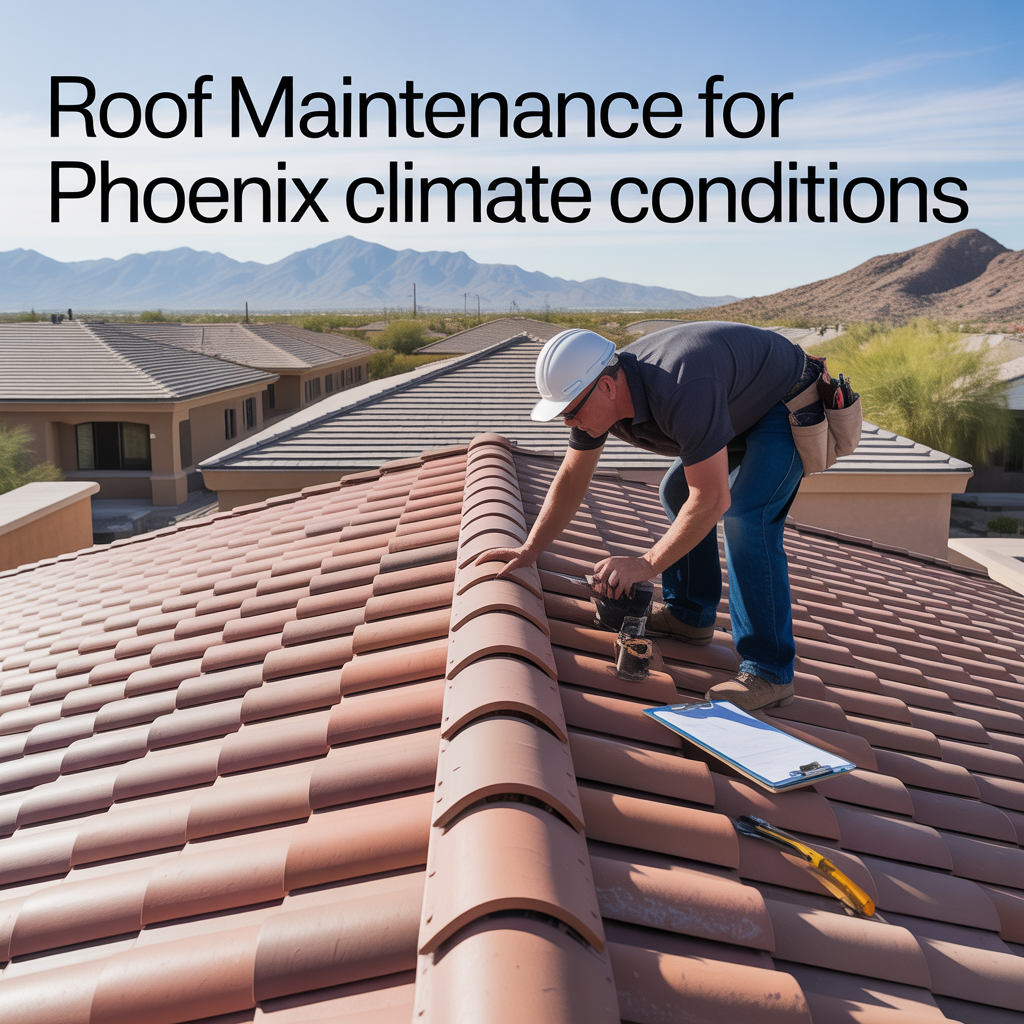
  • Alt Text Roofing contractor inspecting clay tile roofing on a Phoenix home under bright desert sunlight with desert landscape visible in the background.

    Roof Maintenance for Phoenix Climate Conditions

  • Alt Text Phoenix desert yard with gravel landscaping and a dry riverbed drainage channel directing rainwater away from a home during a storm to prevent water damage.

    Preventing Water Damage in Desert Landscapes

  • Alt Text Phoenix suburban neighborhood during a monsoon storm with dark clouds, strong winds, and rain over desert homes and palm trees.

    How Monsoon Storms Affect Phoenix Homes

  • Alt Text Phoenix homeowner comparing two homeowners insurance policies at a dining table with an advisor, illustrating how coverage structure matters more than price alone.

    Why Policy Structure Matters More Than Premium

  • Alt Text Phoenix homeowner and insurance agent reviewing a homeowners insurance policy with highlighted coverage limits and exclusions at a desk in a bright home office.

    Understanding Coverage Limits and Exclusions

  • Alt Text Phoenix homeowner documenting household belongings such as electronics, furniture, and valuables in a bright living room to illustrate personal property insurance coverage.

    What Personal Property Coverage Actually Includes

  • Alt Text Phoenix homeowner reviewing liability insurance paperwork with an agent during a backyard gathering near a pool and shaded patio at sunset.

    How Liability Coverage Protects Homeowners

  • Alt Text Split scene showing a Phoenix home with a real estate sign representing market value and contractors with building materials representing replacement cost for insurance coverage.

    Replacement Cost vs Market Value in Phoenix Insurance

  • Alt Text Phoenix homeowner reviewing insurance documents on a laptop while calculating deductible options at a desk with desert sunlight coming through the window.

    Understanding Deductibles Before You Need Them

  • Alt Text Phoenix homeowner reviewing renovation plans and insurance paperwork inside a kitchen being remodeled with contractors installing cabinets and construction tools visible.

    How Renovations Affect Insurance Coverage

  • Alt Text Phoenix homeowner reviewing home insurance documents and renewal paperwork at a kitchen table with desert sunlight coming through large windows.

    When to Review Your Home Insurance Policy

  • Alt Text Contractors reviewing rebuilding plans inside a Phoenix home with construction materials and desert sunlight coming through large windows, illustrating the importance of replacement cost in insurance policies.

    Why Replacement Cost Matters in Phoenix Insurance Policies

  • Alt Text Cozy evening inside a Phoenix home with family relaxing in a warmly lit living room surrounded by personal decor and sunset light, representing the moment a house begins to feel like home.

    When a House Truly Starts to Feel Like Home

  • Alt Text Phoenix suburban neighborhood at sunset with neighbors talking on sidewalks and children riding bikes, illustrating how neighborhood living builds a sense of community and belonging.

    How Phoenix Neighborhood Living Builds a Sense of Belonging

  • Alt Text Long-term Phoenix homeowner relaxing on a front porch at sunset in a quiet suburban neighborhood with mature desert landscaping, representing stability and long-term home satisfaction.

    Why Stability Plays a Major Role in Long-Term Home Satisfaction

  • Alt Text Morning routine inside a Phoenix home with a homeowner making coffee in a sunlit kitchen surrounded by family photos and familiar living spaces, illustrating how familiarity shapes daily life in a home.

    How Familiarity Changes the Experience of Living in a Home

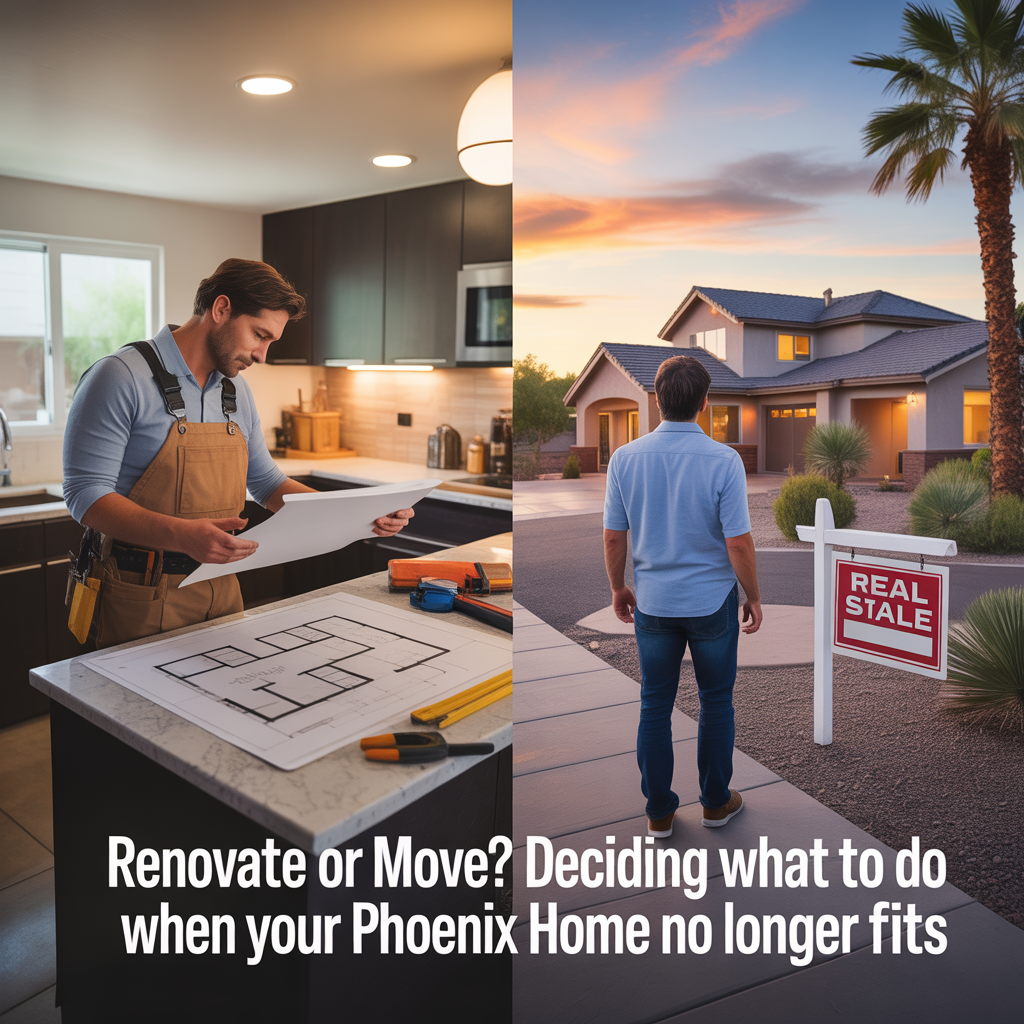
  • Alt Text Split scene showing a Phoenix homeowner considering renovation plans indoors while also looking at a larger home for sale outside, representing the decision between renovating or moving.

    Renovate or Move? Deciding What to Do When Your Phoenix Home No Longer Fits

  • Alt Text Interior of a Phoenix home showing a flexible living space used as a home office, workout area, and lounge, illustrating how lifestyle changes influence space needs.

    How Lifestyle Changes Affect Space Needs in Phoenix Homes

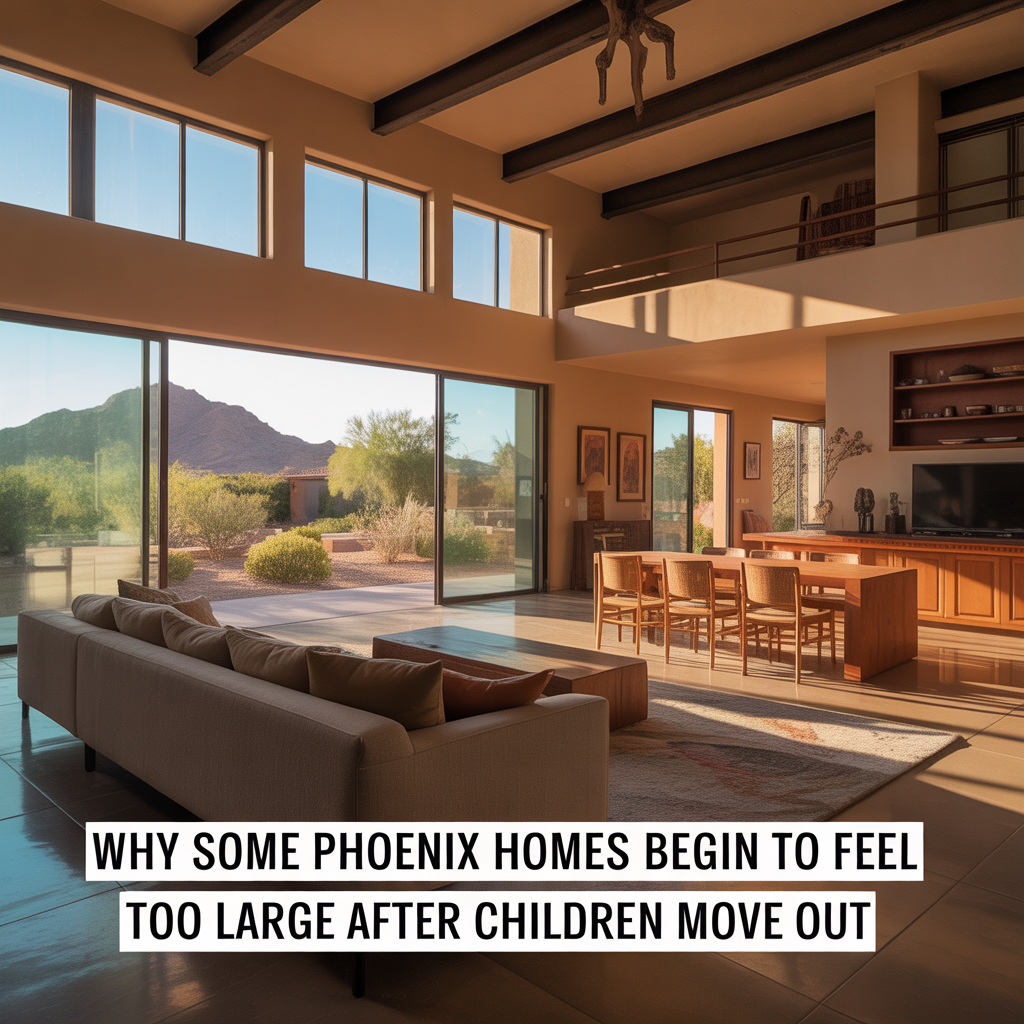
  • Alt Text Spacious Phoenix home interior with empty living and dining areas and desert sunlight through large windows, representing a house that feels too large after children move out.

    Why Some Phoenix Homes Begin to Feel Too Large After Children Move Out

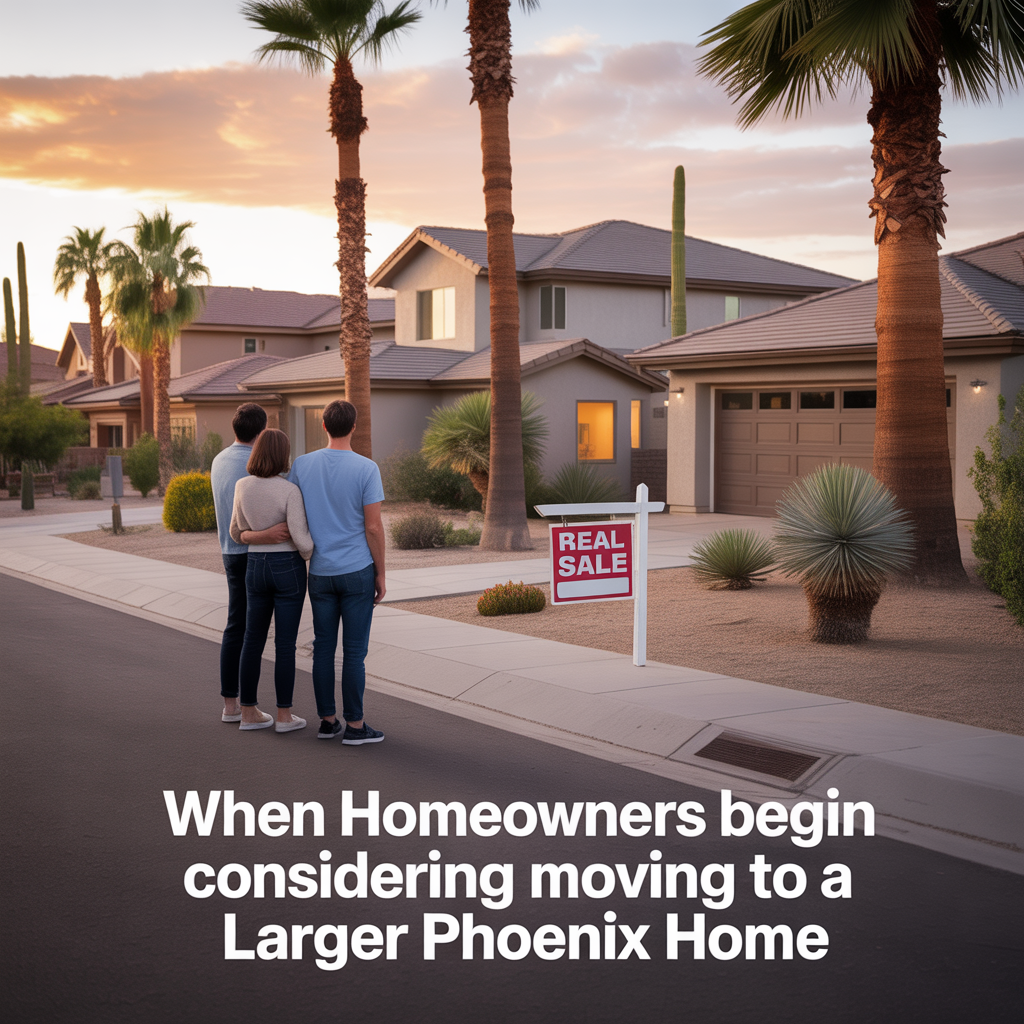
  • Alt Text Family standing outside their Phoenix home at sunset looking toward a larger nearby house with a real estate sign, representing homeowners beginning to consider upgrading to a bigger home.

    When Homeowners Begin Considering Moving to a Larger Phoenix Home

  • Alt Text Interior of a busy Phoenix family home with toys, school supplies, and workspaces crowded together, illustrating a growing family starting to outgrow their living space.

    Signs Your Phoenix Home Is Starting to Feel Too Small for Your Family

  • Ideogram Prompt (1:1) Side-by-side style desert yard evolution scene at a Phoenix home showing mature desert landscaping developed over many years: large established saguaro cactus, agave clusters, desert trees providing shade, natural stone pathways, and gravel xeriscape design surrounding a modern Southwestern home. Warm late-afternoon Arizona light, distant desert mountains, and a calm, well-established yard that reflects long-term homeownership and thoughtful landscape growth. Architectural landscape photography, wide-angle perspective, highly detailed. Text in image: "How Desert Landscaping Evolves Over Years of Phoenix Homeownership"

    How Desert Landscaping Evolves Over Years of Phoenix Homeownership

More from Denver

Most recent posts
    Loading…

    Discover more from Lairio — Real Estate Intelligence

    Subscribe now to keep reading and get access to the full archive.

    Continue reading