



Phoenix Lifestyle Guide → [Phoenix Lifestyle Guide] & For more info on Phoenix Real Estate → [Phoenix Real Estate Guide]
Written by: Renee Burke
I’ve walked through more new-build neighborhoods in the Valley than I can count—from the sun-baked master-planned communities of Queen Creek to the family-focused developments popping up in Peoria and Buckeye. And every time someone asks me about them, I see the same mix of excitement and uncertainty in their eyes. New construction promises a fresh start, but not everything shiny is as golden as it seems.
Let’s cut through the builder brochures and sales chatter to what’s real: the genuine advantages that can make a new home your best decision, and the glossy promises that often fall flat once you’re settling in.
The Real Strengths of Phoenix New Builds
Phoenix’s new construction shines brightest when it matches how we live here—hot days, sprawling families, and a love for indoor-outdoor flow. Here’s what delivers, year after year.
Modern designs feel made for Valley life. Open-concept layouts flood with natural light, perfect for those long evenings on covered patios or quick mornings grabbing coffee before the heat sets in. Builders like those in North Phoenix and East Valley are nailing multi-use spaces—flex rooms that double as offices or play areas—because they know our remote work and family rhythms haven’t slowed.
Energy efficiency isn’t hype; it’s a game-changer in our climate. Newer homes come with airtight builds, upgraded insulation, and solar-ready setups that slash electric bills. I’ve seen clients in Surprise go from $400 summer statements to half that, simply because their builder prioritized tight windows and smart ventilation over flashy extras. Less maintenance up front means more peace—new roofs, plumbing, and HVAC give you years before the first big bill.
Customization, within reason, adds real value too. You’re not designing from scratch, but picking finishes, lot orientation, or appliance packages lets you tailor without the full custom-home headache. And warranties—often a year on systems, 10 on structure—provide a safety net that resale homes rarely match.
Where the Marketing Overpromises
Builders know how to dazzle, but some “perks” fade fast under Arizona sun. Spotting them early keeps you grounded.
That “luxury community” vibe? Often just rows of cookie-cutter homes with matching facades. In booming spots like Laveen or South Mountain, you trade unique character for uniformity—fine if you love harmony, frustrating if you crave distinction. Early neighborhoods mean construction dust, shared amenities still years from full bloom, and that pioneer feeling where schools and shops lag behind.
HOA fees sound manageable at $100–$200 a month, but they climb with landscaping mandates and shared facility upkeep. Many new builds leave yards as barren dirt, hitting you with $10,000+ to xeriscape before move-in. And those “resort-style” pools? They’re marketing gold, but the rules, fees, and crowds can make them more chore than oasis.
Prices carry a premium—10–20% over comparable resales—for the “new” factor. Negotiating is tough; builders hold firm, especially in high-demand corridors like Gilbert or Chandler extensions. Delays stretch 6–10 months from contract to keys, sometimes longer with supply hiccups, forcing double rents or storage fees.
Investment upside? It’s real long-term, but short-term resale lacks comps in brand-new areas. You’re setting the market, not riding established trends.
Location: The Make-or-Break Factor
Phoenix new builds cluster where land’s available—Queen Creek for families, Peoria and Surprise for value, North Phoenix for access. These spots leverage growth: Loop 202 expansions, light rail whispers, and jobs in tech, healthcare, and logistics nearby.
But outlying builds in Buckeye or far West Valley gamble on future infrastructure. Commutes stretch now, schools build out slowly. Prioritize proximity to your daily loop—whether it’s a Chandler office or Tempe weekends—over brochure visions of “tomorrow’s hotspot.” I guide clients to developments already tied into the Valley’s pulse, where appreciation follows demand, not dreams.
Cost Breakdown: Numbers Don’t Lie
Let’s get practical with today’s Valley math for a typical 2,000 sq ft single-family new build at $480,000 (up from resales around $420,000).
Energy savings and warranties often recoup the premium in 5–7 years, but only in proven growth pockets.
Navigating the Process as a Local
Buy with your own agent—never the builder’s on-site rep. They’ll review builder contracts (builder-friendly legalese), spot upgrade traps, and negotiate incentives like rate buydowns or closing credits, common now in a balanced 2026 market.
Always inspect, even “perfect” new homes—missed drywall cracks or plumbing quirks surface early. Time your contract for spring/fall builds to dodge peak-season rushes. And ask about phase completion: half-built communities mean shared headaches.
Who Thrives in New Builds Here
These homes suit growing families wanting low-hassle starts, remote workers prioritizing efficiency, or transplants craving move-in magic. Skip if you love established charm, quick flips, or customizing beyond presets.
Phoenix’s new builds work when they fit your life in this Valley—not a generic pitch. I’ve helped clients sidestep hype in Surprise while landing gems in Queen Creek, turning “dream home” into “right home.”
Let’s Find What’s Real for You
New construction can be a beautiful fit for Valley living, but only when you see past the sparkle to the substance. There’s no one-size-fits-all here—it’s about your budget, timeline, and that neighborhood feel you can’t quantify until you’re in it.
If you’re eyeing a new build or just curious what’s worth it in today’s market, I’m here with the unvarnished view from someone who knows these streets, builders, and buyers intimately.
If you’re thinking about a new home in Phoenix, you don’t have to figure it out alone. Reach out—let’s talk specifics, tour what’s real, and make sure your next step feels solid and right for you.
Get the full Phoenix Market Insights → [Market Insights]


-
Cost of Living in Rhode Island: Housing, Taxes, Utilities, and Everyday Expenses
-

What If My Commute Becomes Worse Than Expected?
-

How Aging Home Systems Affect Property Value
-

Energy Efficiency Upgrades for Phoenix Homes
-
How to Plan for Major Home System Replacements
-

When Phoenix Homeowners Should Replace Water Heaters
-

Repair vs Replace Decisions for Phoenix HVAC Systems
-
Creating a Long-Term Home Maintenance Plan
-
How Often Phoenix Homes Should Be Professionally Inspected
-
Early Warning Signs of Major Home System Failures
-

How Preventative Maintenance Protects Phoenix Property Value
-

The Best Annual Home Maintenance Plan for Phoenix Homes
-

Electrical Safety Inspections for Older Phoenix Homes
-
Why Whole-Home Surge Protection Matters in Arizona
-

Preparing a Phoenix Home for Electric Vehicle Charging
-

Signs Your Home’s Electrical System Is Overloaded
-
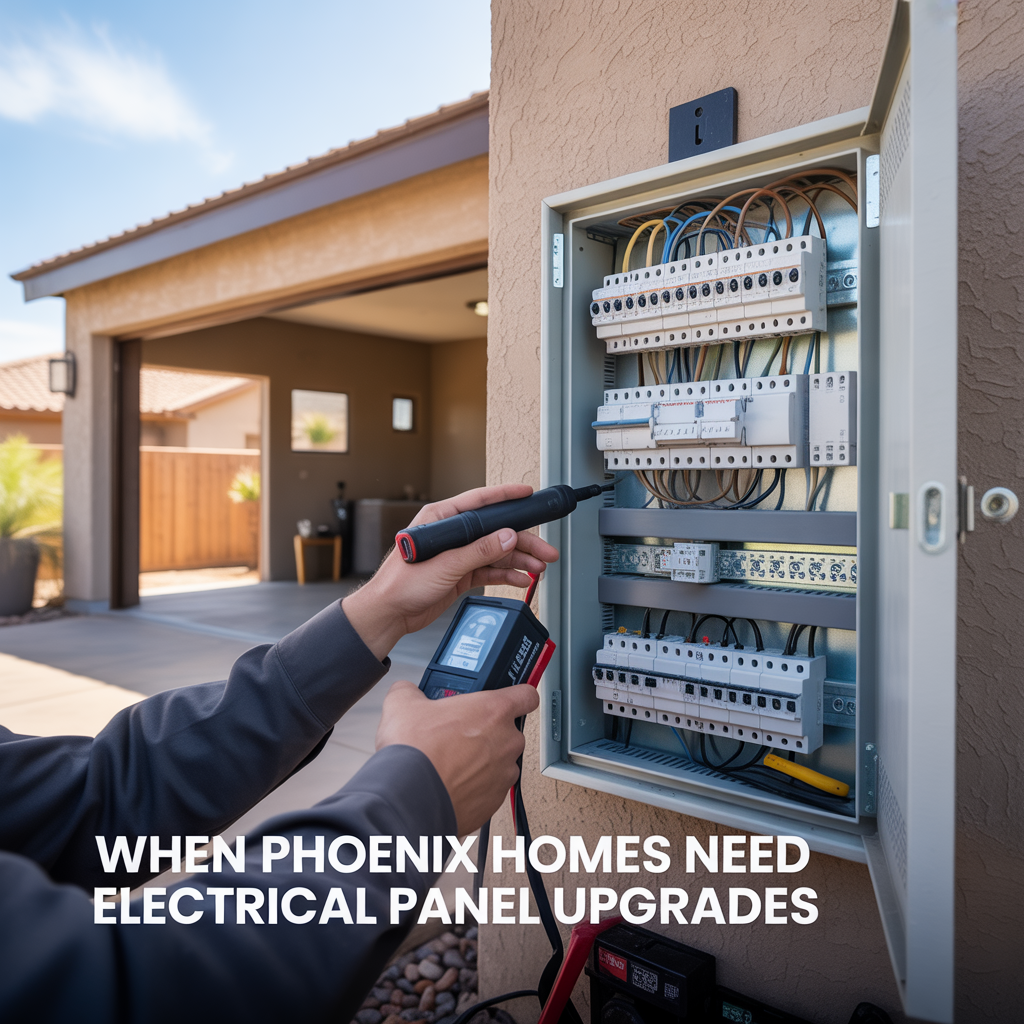
When Phoenix Homes Need Electrical Panel Upgrades
-

Water Pressure Problems in Phoenix Homes Explained
-

Preventing Irrigation Leaks That Waste Water in Desert Landscapes
-

Signs of Hidden Plumbing Leaks in Phoenix Houses
-

How Long Water Heaters Last in Arizona Homes
-

How Hard Water Affects Plumbing Systems in Phoenix Homes
-

Preventing Water Damage in Phoenix Homes During Storms
-

Roof Maintenance Tips Before Phoenix Monsoon Season
-
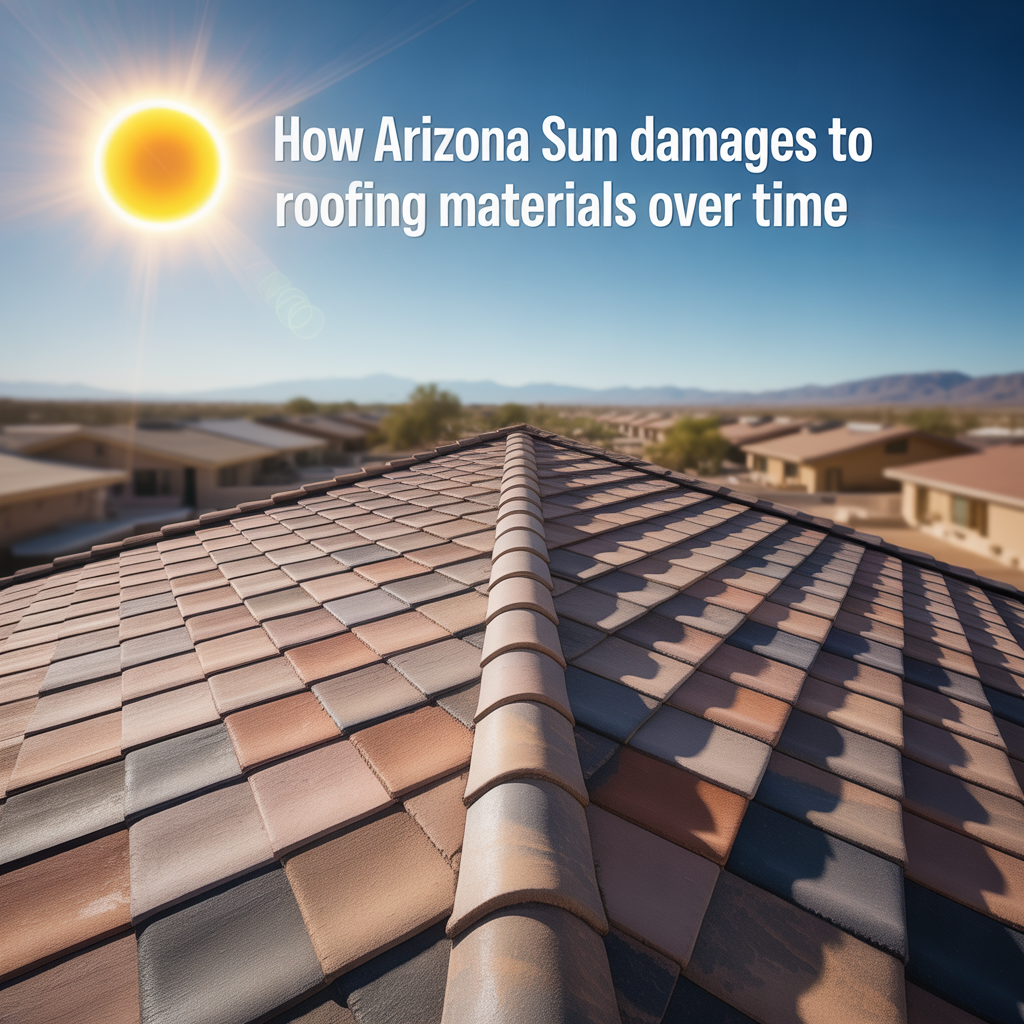
How Arizona Sun Damages Roofing Materials Over Time