



Phoenix Lifestyle Guide → [Phoenix Lifestyle Guide] & For more info on Phoenix Real Estate → [Phoenix Real Estate Guide]
Written by: Renee Burke
Before you scroll through a single photo online or map out your weekend open-house route, take a deep breath. I know that itch to start looking is strong — the homes are beautiful, the possibilities endless — but in the Phoenix market, preparation matters just as much as curiosity. I’ve worked with buyers who fell in love at first listing, only to discover later that their wants, needs, or timing weren’t actually aligned.
So, before you ever start touring, I encourage you to pause and ask yourself three questions. These are the conversations I have with nearly every client when we first sit down. They’re not just about housing preferences; they’re about clarity, confidence, and making sure every decision you make fits your real life here in the Valley.
1. What kind of life do you want your home to support?
This question might sound simple, but it’s where most clarity begins. In Phoenix, lifestyle isn’t just a buzzword — it’s a practical piece of your home search. Our daily rhythms here are shaped by light, heat, topography, and neighborhood culture, and the kind of life you want to live should guide where you look long before price ever enters the picture.
Do you picture morning walks shaded by mature trees in Arcadia, a quick commute downtown from a historic bungalow, or quiet desert evenings watching the sunset near North Scottsdale? The tone of your days — your commute, hobbies, even your grocery run — changes dramatically depending on which part of the Valley you call home.
Phoenix is less a single city and more a network of distinct communities stitched together by freeways and mountain views. Someone who thrives on active, urban energy might feel most at home in Midtown or Roosevelt Row. Another person who craves open space, newer builds, and family amenities might find the East Valley a better fit. There’s no wrong choice — just the right one for the life you actually want to live.
So, pause and picture that ordinary Tuesday. Where do you wake up? What do you see when you open the blinds — mountain ridges, the buzz of city life, or a quiet neighborhood park? Let that vision guide the rest.
2. How do your finances and comfort zone truly line up?
The second question is one of the most important — and sometimes the hardest to answer honestly. It’s not simply, “What’s my mortgage preapproval?” It’s “What number feels comfortable when life happens?”
Phoenix’s affordability has long been part of its attraction, but our market today requires a more grounded approach. Interest rates, insurance costs, utility bills (especially in summer), and HOA fees vary widely across the Valley. A new homeowner in Peoria might see a very different monthly bottom line than someone in Tempe, even with similar home prices.
Before looking at listings, I encourage my clients to work through two figures: their financial maximum and their emotional comfort zone. The first is what a lender may approve. The second is what allows you to sleep well, travel occasionally, handle surprises, and still feel at peace with your payment each month.
For many people moving within or to Phoenix, this reflection clarifies everything. The goal isn’t to stretch — it’s to settle wisely. Being “house poor” in this city robs you of what makes living here so special: weekends exploring Desert Botanical Garden, evenings dining al fresco in the cool season, spontaneous drives north when you crave pine trees instead of palm trees.
A home should serve your life — not the other way around.
3. Are you truly ready for what the Phoenix market asks of buyers right now?
The final question is about readiness, not hype. Phoenix remains one of the most dynamic real estate markets in the Southwest, but dynamics shift seasonally and by submarket. Some neighborhoods move fast with multiple offers; others reward patience and timing. Understanding where you fit in that rhythm makes all the difference.
If you’ve been watching from the sidelines, you’ve likely seen headlines about prices stabilizing in some areas while rising in others. That’s true — but it only tells part of the story. For example, while new construction is expanding around Queen Creek and Buckeye, established central neighborhoods still draw steady demand for character homes that rarely go long unsold. Meanwhile, certain luxury pockets of Paradise Valley or North Central operate almost as their own micro-economies.
Being ready for this market means being nimble, informed, and supported. It’s knowing what you value enough to act decisively — and what’s flexible. Sometimes that means expanding your search radius slightly or reconsidering a specific style of home. Other times it means having your financing polished before you see your first property so you can move with confidence when the right one appears.
That readiness doesn’t come from rushing. It comes from taking time now — before you ever browse — to get your questions answered, your priorities clear, and your boundaries set.
Why these three questions matter more in Phoenix than you’d think
In a city growing as quickly and diversely as ours, clarity is everything. Phoenix has an incredible variety of home styles, price points, school districts, and community cultures. Without clear answers to the three questions above, it’s easy to feel overwhelmed — or worse, make a move that looks good on paper but feels all wrong six months later.
For instance, I’ve guided clients who originally pictured themselves in new construction but realized their hearts belonged to the older, leafy streets of CenPho. Others started searching in one suburb only to discover that what they really craved was proximity to hiking, downtown arts, or a specific school district. When you know the life you want and your true budget comfort zone, those discoveries become exciting adjustments, not stressful surprises.
Answering these questions doesn’t delay your search — it focuses it. You’ll find that once these pieces align, everything else becomes clearer: which zip codes to explore, which home features genuinely matter, and which compromises simply aren’t worth making.
A note about expectation vs. reality
One of the kindest things you can do for yourself as a buyer in Phoenix is to balance excitement with patience. This is a market full of opportunity, but it also rewards realism. Not every dream list fits the first home, and that’s perfectly okay. What truly matters is trajectory — finding the home that fits your now and positions you for your next.
That’s something I talk about with many first-time and move-up buyers alike. The right first or next home doesn’t have to check every box, but it should move you closer to the life you’ve envisioned in question one. Think of it as building blocks, not endpoints.
Our market allows for that evolution beautifully. The same couple who bought a starter home in Chandler five years ago might now be ready to upsize closer to Queen Creek schools or downsize to Scottsdale’s walkability. Life chapters here flow naturally because Phoenix offers choices — desert preserves beside downtown condos, family suburbs beside golf communities, quiet corners beside cultural hubs. That’s the beauty of it.
What preparation really buys you
When you take the time to reflect on these three questions, you gain more than just readiness — you gain peace. You’ll enter your search knowing who you are as a buyer and how this market can meet you halfway. That’s what turns real estate from a stressful process into an empowering one.
Imagine stepping into a showing knowing the home suits both your lifestyle and comfort zone. That kind of confidence changes everything — it helps you recognize “the one” when it appears, and walk away gracefully when it doesn’t. Phoenix real estate becomes less about keeping up and more about finding your own authentic fit.
Because buying here isn’t just about square footage or resale values. It’s about where your morning sunlight hits the kitchen, how close you are to your favorite coffee spot, and whether your evenings feel easy and restorative. Those are the details that turn a property into a home.
If you’re thinking about making a move in Phoenix…
You don’t have to figure it out alone. Whether you’re still answering these first three questions or feeling ready to focus your search, I’m here to help you plan with clarity — not pressure. Every journey starts with a thoughtful conversation, not a sales pitch.
Phoenix is an extraordinary place to build a life. When you’re ready to take that first step, let’s talk about what truly matters to you — and how we can make your next home fit the way you actually live.
Get the full Phoenix Market Insights → [Market Insights]


-

Signs Your Phoenix Roof Needs Inspection or Repair
-
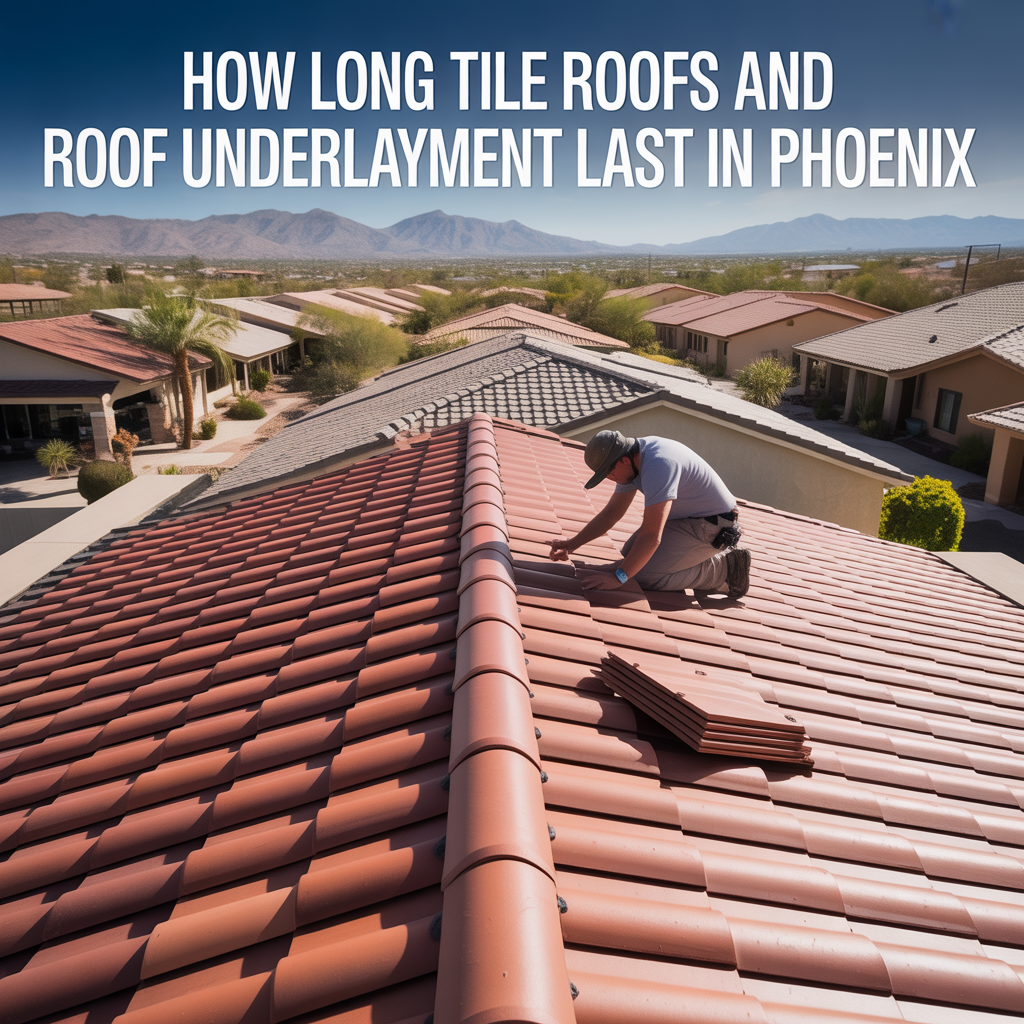
How Long Tile Roofs and Roof Underlayment Last in Phoenix
-

How Smart Thermostats Improve Cooling Efficiency in Arizona Homes
-

Why AC Systems Struggle During Extreme Phoenix Heat Waves
-
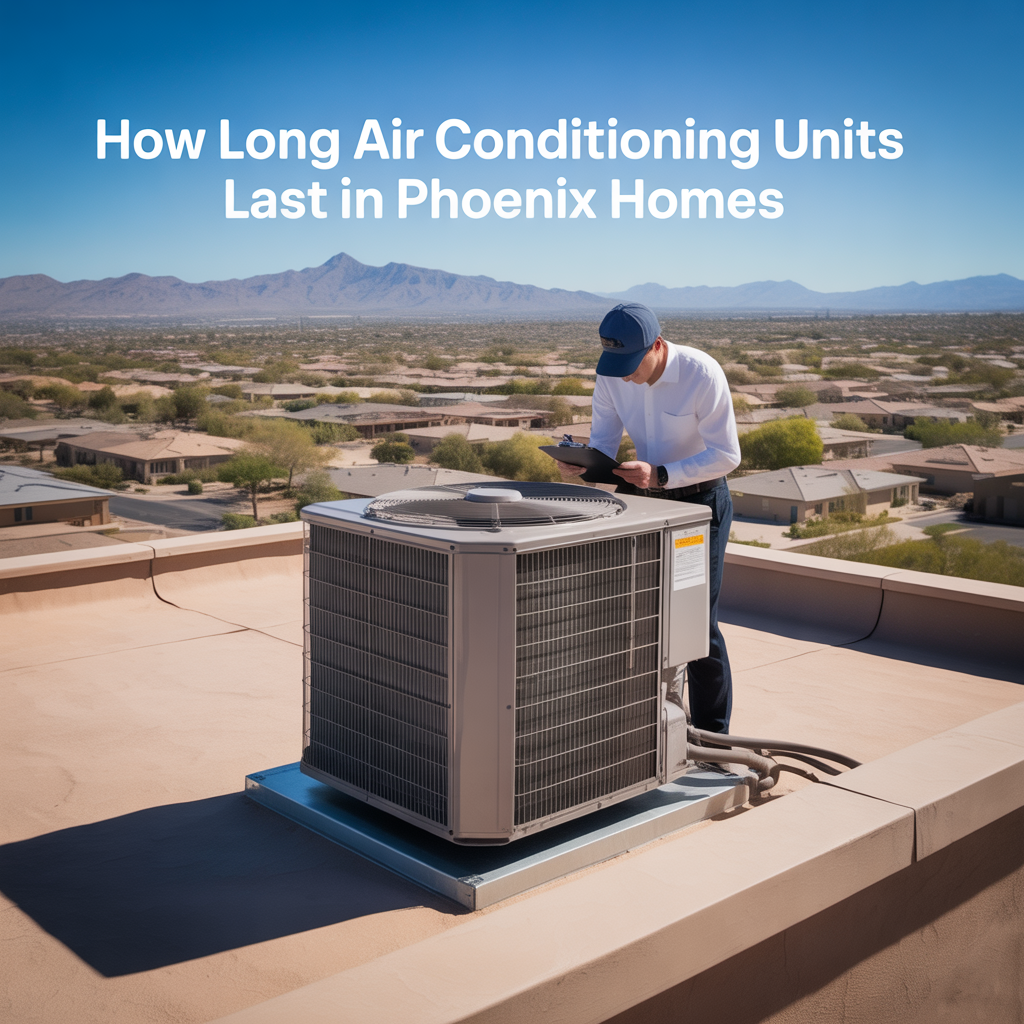
How Long Air Conditioning Units Last in Phoenix Homes
-

Warning Signs Your Air Conditioner Is About to Fail
-

How Often Phoenix AC Systems Need Maintenance
-
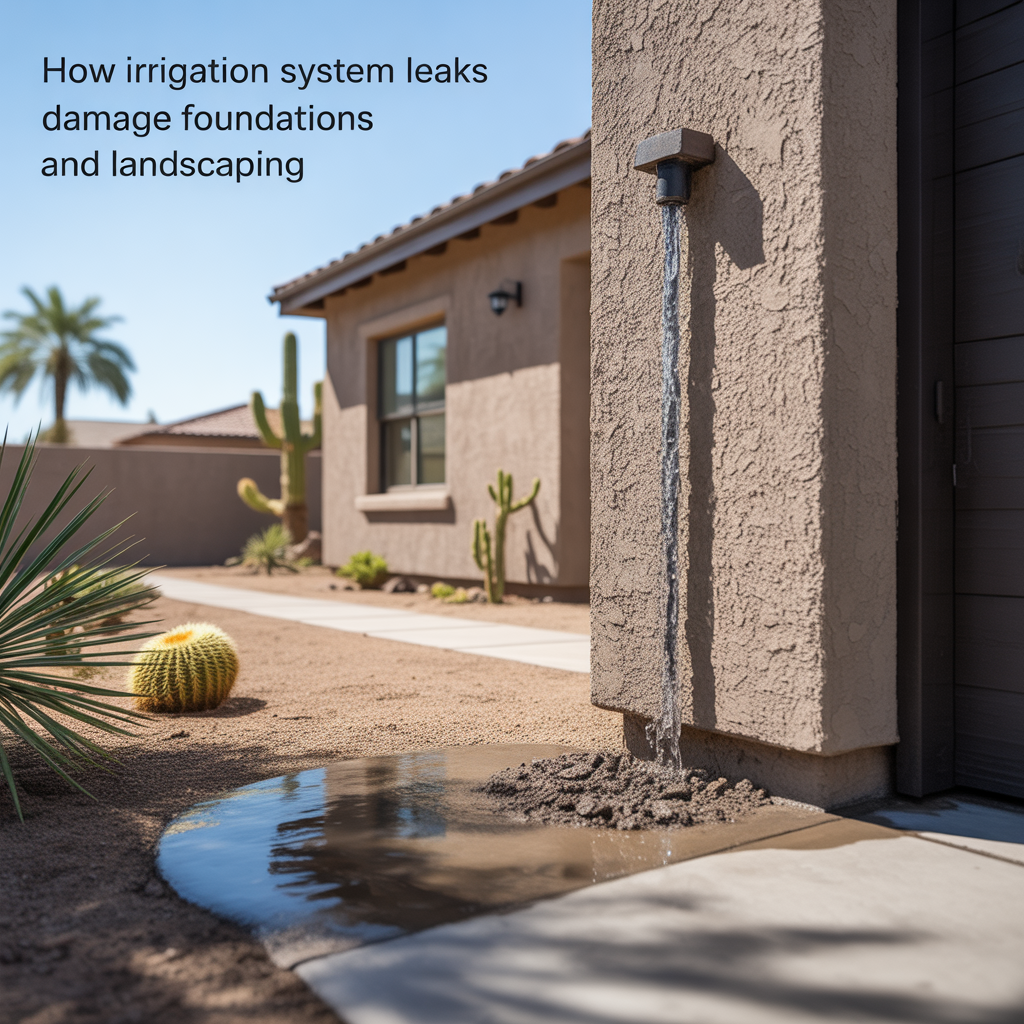
How Irrigation System Leaks Damage Foundations and Landscaping
-

Preventing Roof Damage Before Arizona Monsoon Storms
-

Why AC Tune-Ups Are Critical for Phoenix Homes
-

What Homeowners Should Inspect Before Phoenix Summer Heat Arrives
-
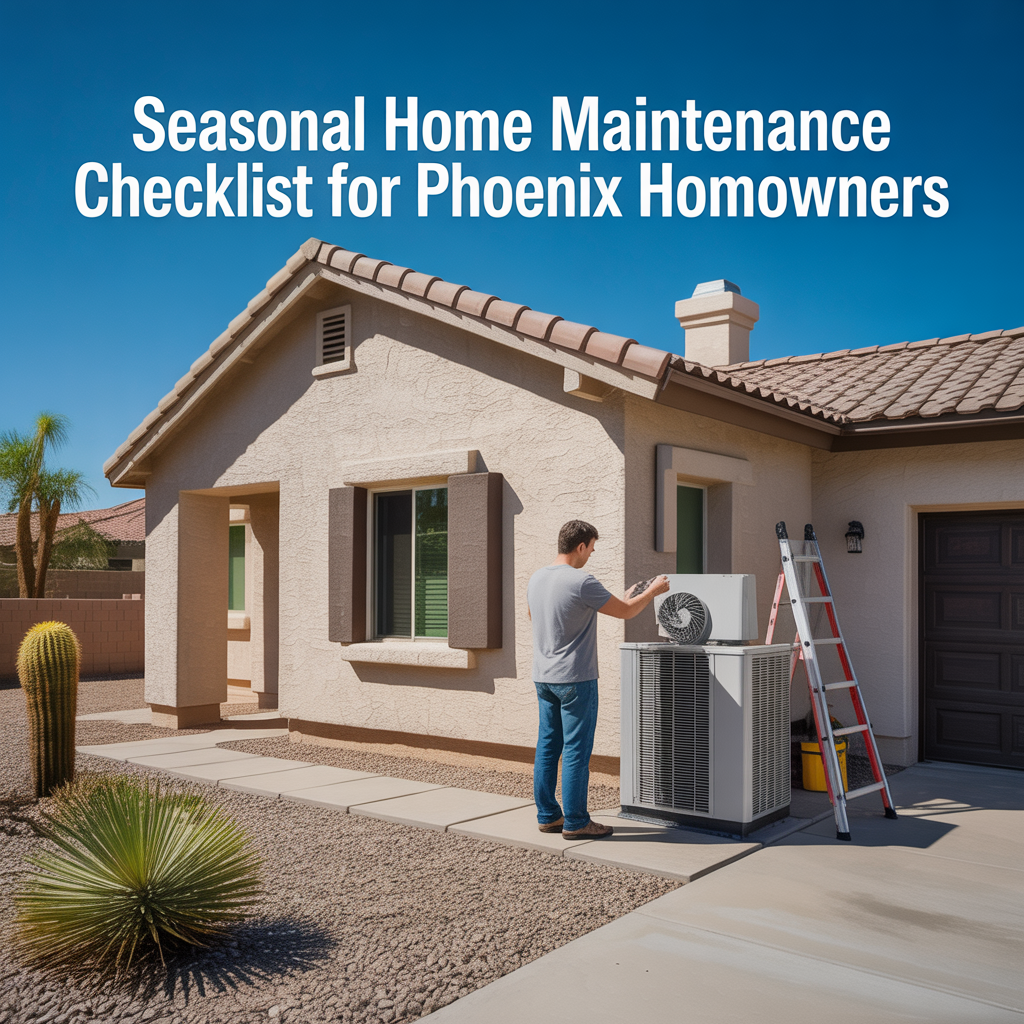
Seasonal Home Maintenance Checklist for Phoenix Homeowners
-
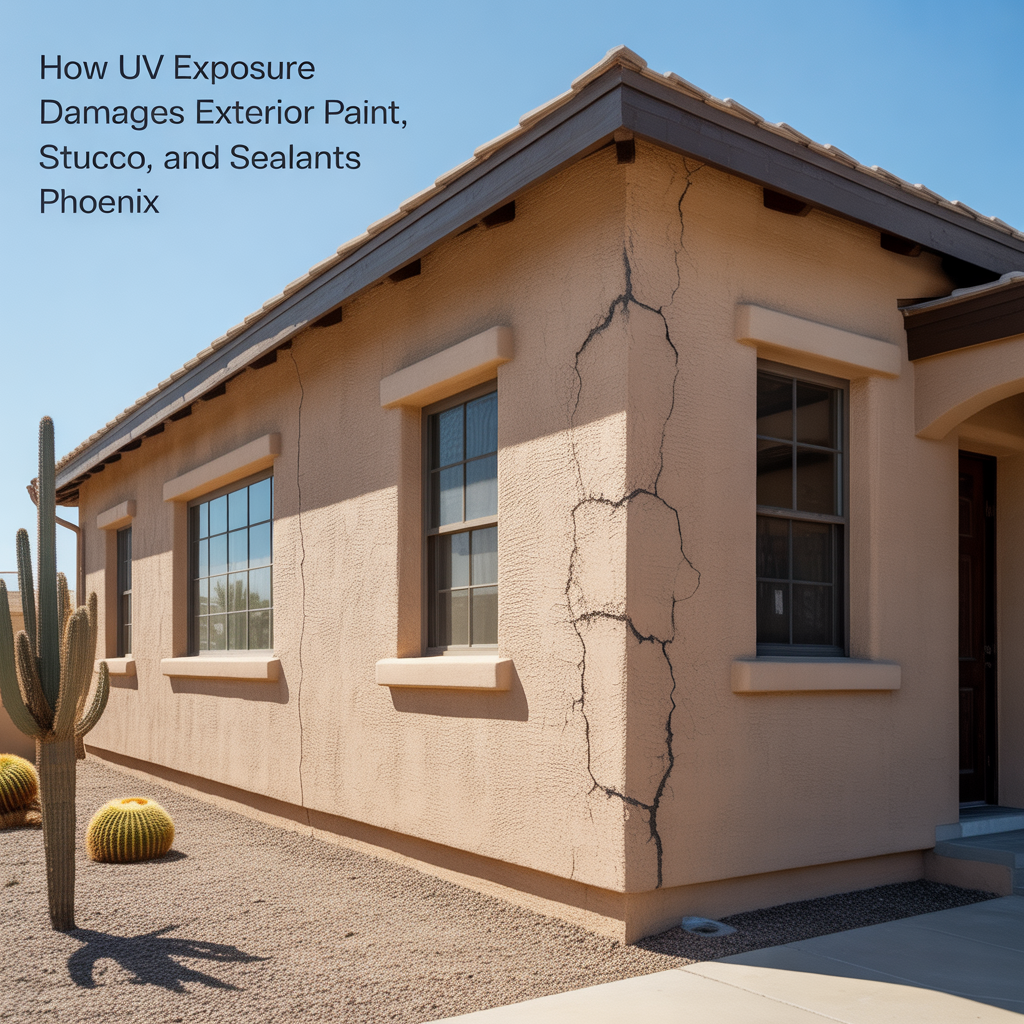
How UV Exposure Damages Exterior Paint, Stucco, and Sealants
-

How Extreme Heat Shortens the Lifespan of Home Systems
-

Why Phoenix Roofs Wear Out Faster Than Many Other Cities
-
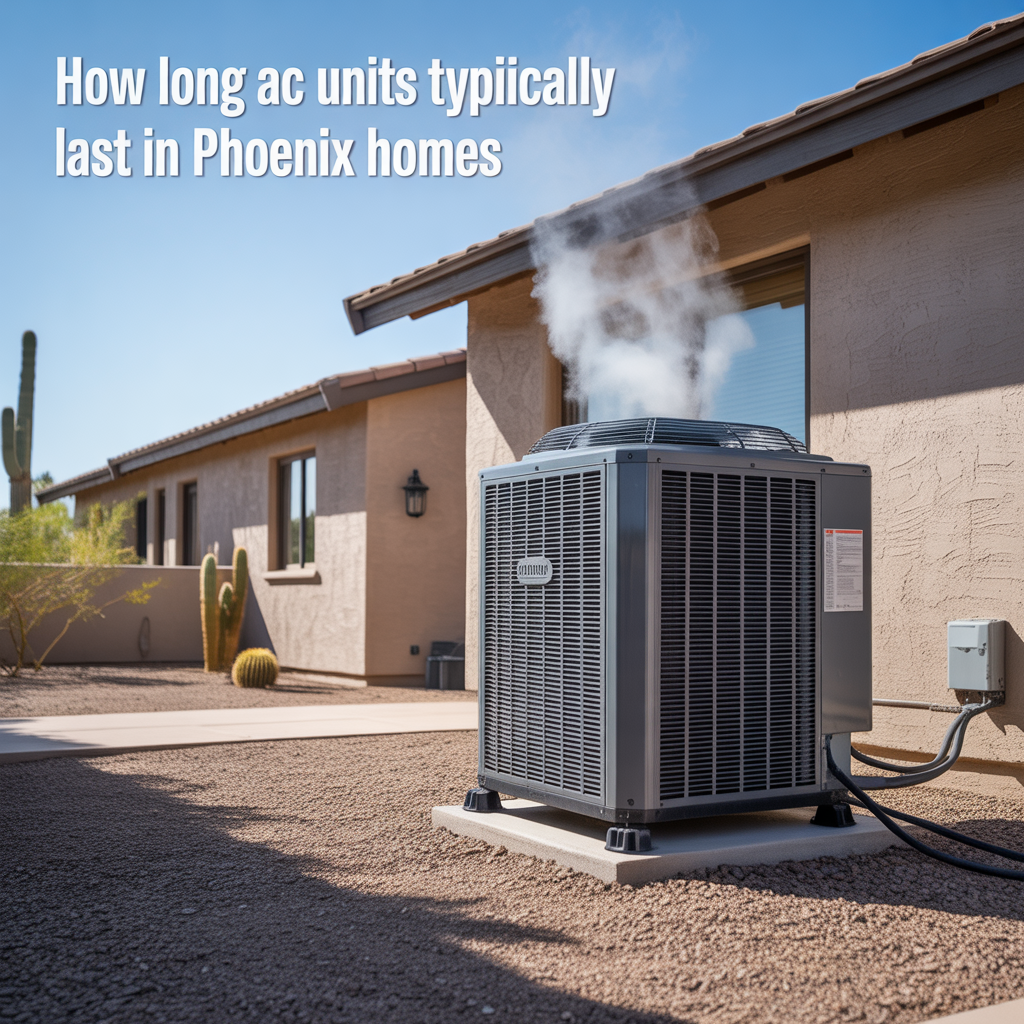
How Long AC Units Typically Last in Phoenix Homes
-

Building a Long-Term Protection Strategy
-
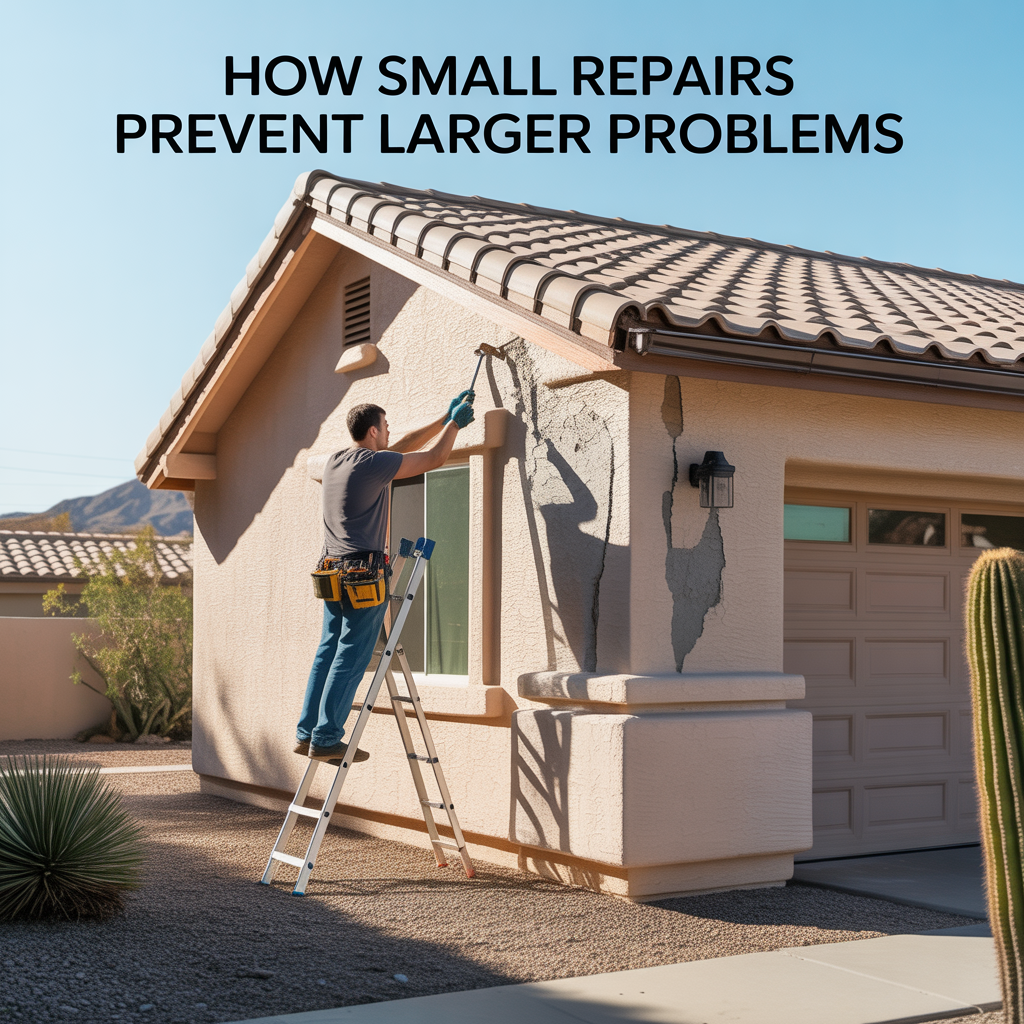
How Small Repairs Prevent Larger Problems
-

Protecting Older Phoenix Homes
-
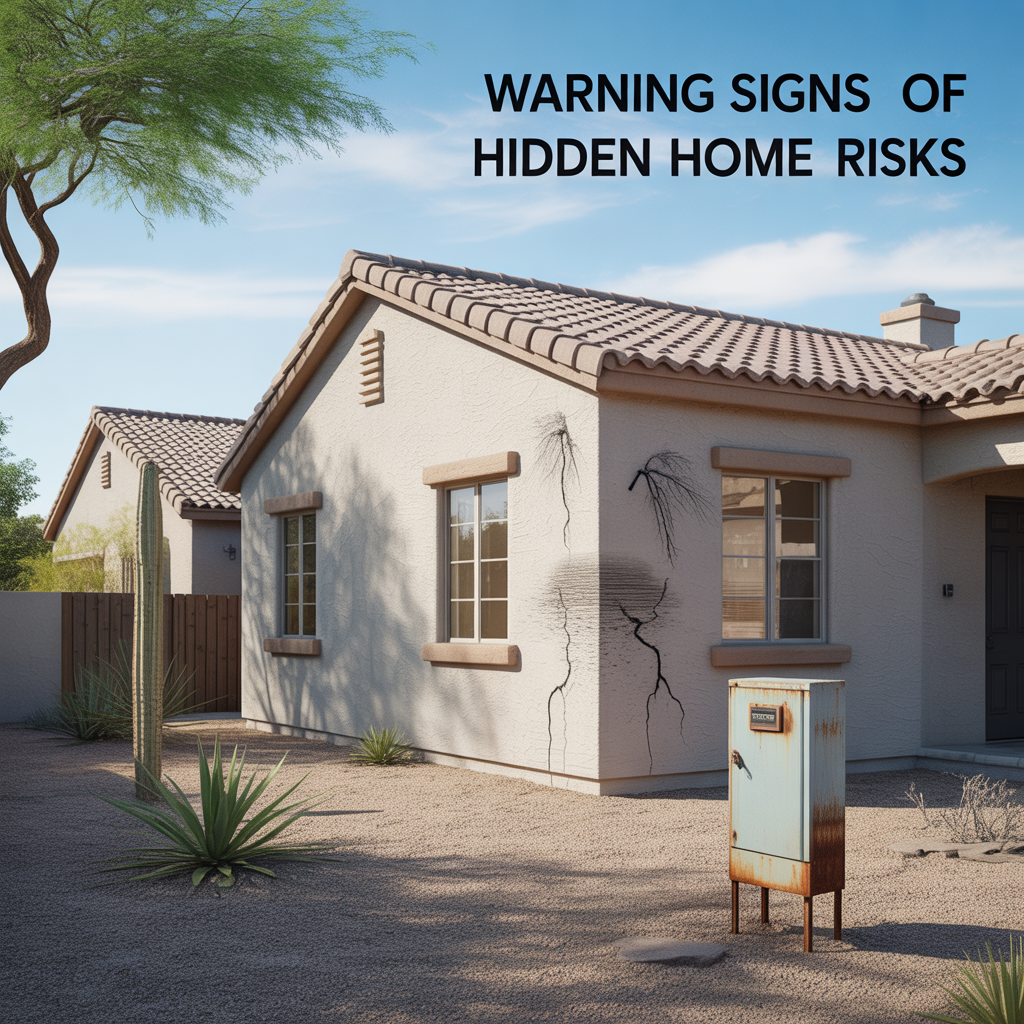
Warning Signs of Hidden Home Risks
-

Preventative Maintenance That Reduces Insurance Claims
-

Reducing Liability Exposure Around Your Property
-

Liability Coverage Limits Explained
-

When Umbrella Insurance Makes Sense
-

Protecting Yourself From Guest Injury Claims