



Buyer Fears→ [Buyer Fears] & For more info on other fears Phoenix Real Estate → [Phoenix Real Estate Fears Guide]
Written by: Renee Burke
That’s a beautiful prompt — it gives a strong sense of voice and community-centered expertise. Here’s your full in-depth article written as Renee Burke, in the warm, confident tone of a local Phoenix real estate advisor.
How Summer Heat Can Work in Your Favor as a Phoenix Homebuyer
By Renee Burke, Phoenix Real Estate Advisor
If you’ve ever spent a summer in Phoenix, you know there’s no denying its intensity. The desert sun tests everything — patience, car interiors, and yard sprinklers. So, it’s completely natural for most homebuyers to assume that summer is the worst time to look for a home. The pavement’s hot, the pace slows down, and many would rather wait for cooler days.
But here’s the truth: that summer slowdown is exactly what makes it one of the smartest times to buy in Phoenix. When you understand how the local market behaves under that 110-degree sky, you’ll see how the season quietly favors buyers who are ready and prepared.
Fewer Shoppers Mean More Breathing Room
The first gift the summer heat gives Phoenix homebuyers is something rare in this competitive market — space to think.
By mid-June, many buyers who started their search in spring start to back away. Families settle into vacations or summer camps, and visitors from colder states pause their relocations until fall. That softening means fewer people at open houses, fewer bidding wars, and more time to explore your options without the pressure of a crowd behind you.
When you walk into a showing in July, the conversation shifts. Listing agents tend to be more open, and sellers often become more flexible. They know the summer buyer pool has thinned. If their home has been sitting for a few weeks, they’re ready to negotiate. You’re no longer competing with ten other offers — maybe just one or two, sometimes none at all.
It’s a stark contrast to the fever pitch of March and April, when homes can feel like flash sales. Summer gives you back a measure of calm — and a chance to make decisions the way good ones should be made: with clarity, not adrenaline.
Sellers Are Often More Motivated
Phoenix sellers who list in summer usually have a reason. Maybe they’ve already purchased another home or are relocating for work. Maybe they listed in spring but found the right buyer didn’t come along. Either way, by July or August, motivation grows.
And that motivation means opportunity.
It’s not unusual to see price adjustments or seller concessions during the hotter months. A seller might agree to help with closing costs, buy down your interest rate, or include appliances and maintenance warranties to sweeten the deal. These details can add up to thousands in savings — the kind of flexibility that simply isn’t on the table in peak spring months.
What I often tell buyers is this: don’t confuse quieter with weaker. A slower market isn’t a bad sign — it’s just a different tempo. If you move with awareness and a clear plan, summer can stretch your buying power farther than any other time of year.
You See a Home’s True Colors
Phoenix summers are like nature’s stress tests for homes. Our sun, wind, and monsoon bursts reveal what’s been maintained — and what hasn’t.
When you tour a property in July, you’re seeing how well it really functions when the desert pushes it to its limits. You’ll know if the air conditioning is keeping up, if the window seals are holding tight, and whether the yard’s irrigation system is pulling its weight. Roofs, stucco, and pool equipment all tell their stories more clearly in summer.
That kind of transparency is invaluable. Buying a home after it’s passed a Phoenix summer test gives you peace of mind. You know how it behaves in the toughest conditions, so the rest of the year, you can relax and focus on enjoying the place instead of worrying what might come up next.
Better Insight into Neighborhood Lifestyles
One of my favorite things about exploring homes in summer is how it lets you experience the neighborhoods as locals truly live in them. When the heat is on, routines change — and you’ll notice it.
Drive through North Phoenix in the evening, and you’ll see families out walking the dog after sunset or neighbors chatting as the monsoon clouds roll in. In Chandler and Gilbert, you might catch the hum of backyard pool parties or see sprinklers cooling off the sidewalks. That’s real life in full summer form.
You’ll also learn practical details that matter more than you might think — which communities have mature shade trees, which streets run hottest, and which subdivision layouts catch the evening breeze. These are small things that don’t show up on listing sheets, but they absolutely shape daily comfort once you move in.
Opportunities for Buyers Relocating from Out of State
For those moving to Phoenix from somewhere cooler, timing can make a big difference. Summer gives transferees and remote relocators a clear advantage.
Homes that stay listed through June, July, and August often belong to sellers who need to close on a timeline. That means if your move date is nonnegotiable — maybe tied to a new job or school year — you’ll find sellers ready to work with you. Flexibility in closing dates and negotiation terms is often easier to achieve during this part of the year.
Even temporary relocations become smoother when you have breathing room. Rental demand cools slightly in late summer compared to spring, and short-term housing options become easier to find. Everything that supports a smoother transition — from moving services to mortgage processing — is just a little less backed up.
The Seasonal Market Pattern at Work
The Phoenix real estate market has its own natural rhythm that repeats year after year. Spring builds momentum; early summer cools that intensity. Not because people suddenly lose interest in living here — but because heat changes habits.
Understanding this cyclical pattern puts you a step ahead. When you buy during the off-peak window, you’re entering the market when emotions are lower and decision-making is driven more by practicality than competition. You may even catch a home that was overlooked in the spring rush — a property that’s been reduced simply due to timing, not quality.
And once temperatures begin to dip again in October, demand rises quickly. Homes that sat a few months suddenly sell. By stepping in earlier, you avoid that rush entirely.
Financing and Inspection Perks
Summer can also simplify some of the less glamorous but critical parts of the buying process.
Lenders and appraisers are typically less overloaded mid-summer than they are during peak spring months, which means smoother response times and faster closings. Inspectors, too, often have more schedule flexibility. And just like touring in the heat reveals a home’s true condition, inspections during these months often give the clearest read on HVAC performance, attic ventilation, and pool systems.
It’s much better to know in June if an AC unit struggles under strain than to learn it after closing in August. That insight can shape smart negotiations or help you budget realistically from day one.
Making the Most of Your Summer Home Search
If you’re planning to look for homes in the summer, a few habits will make a world of difference:
- Tour early or late. Mornings and early evenings are your friends — not just for comfort, but for seeing how lighting changes each property throughout the day.
- Stay practical. Wear light clothes, bring water, and give yourself breaks between tours. The heat is real, but manageable if you plan ahead.
- Ask questions early. Don’t hesitate to ask about utility costs, insulation quality, and energy-efficient upgrades. In Phoenix, these matter just as much as lot size or kitchen finishes.
- Think long-term comfort. Look for ceiling fans, north-south exposures, shaded patios, and low-maintenance landscaping. They’ll reward you every single day come July.
Buying in a desert climate isn’t about avoiding the heat — it’s about understanding how to live well within it. And once you find the right home, you’ll see how many small details in desert architecture are designed to make life not just bearable, but deeply enjoyable even in mid-summer.
The Quiet Advantage Belongs to the Informed
In truth, the Phoenix summer market rewards those who know what others overlook. It’s not the season for every buyer, but it’s the one that favors thoughtful ones — people willing to see past the thermostat and notice what really matters: timing, motivation, and opportunity.
Every year, I meet buyers who are surprised by how well things fell into place simply because they stayed open-minded about when to search. The slower pace gave them breathing room. The market gave them leverage. And the home they found was worth every bit of summer patience.
A Warm, Steady Hand When You’re Ready
If you’re thinking about buying a home in Phoenix, don’t let the summer heat steer you away. It may quietly be your window of advantage.
And if you ever want to talk through what that could look like for you — your budget, your timing, or your ideal neighborhood — I’m here to help you think it through. You don’t have to figure it out alone.
Let’s find the moment that fits you best — and make the desert work in your favor.
Get the full Phoenix Market Insights → [Market Insights]


-
Cost of Living in Rhode Island: Housing, Taxes, Utilities, and Everyday Expenses
-

What If My Commute Becomes Worse Than Expected?
-

How Aging Home Systems Affect Property Value
-

Energy Efficiency Upgrades for Phoenix Homes
-
How to Plan for Major Home System Replacements
-

When Phoenix Homeowners Should Replace Water Heaters
-

Repair vs Replace Decisions for Phoenix HVAC Systems
-
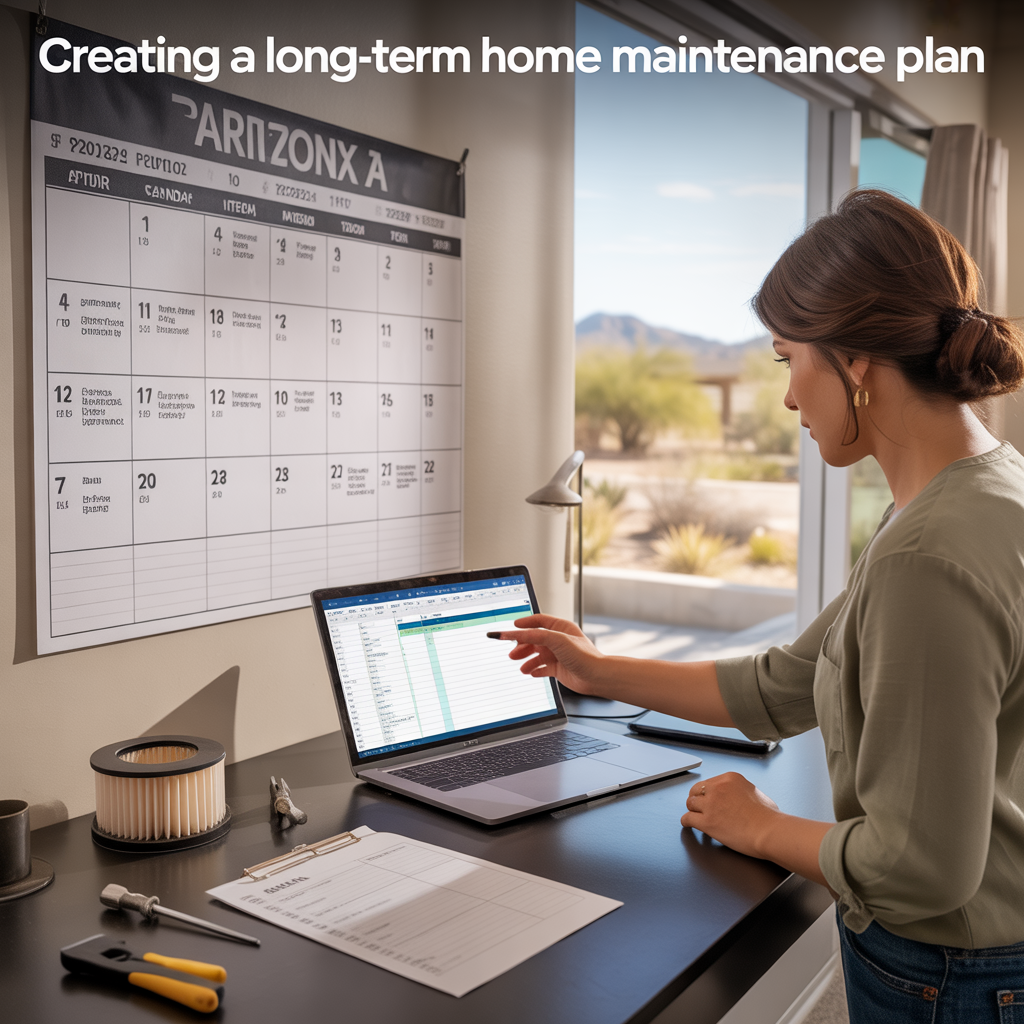
Creating a Long-Term Home Maintenance Plan
-

How Often Phoenix Homes Should Be Professionally Inspected
-
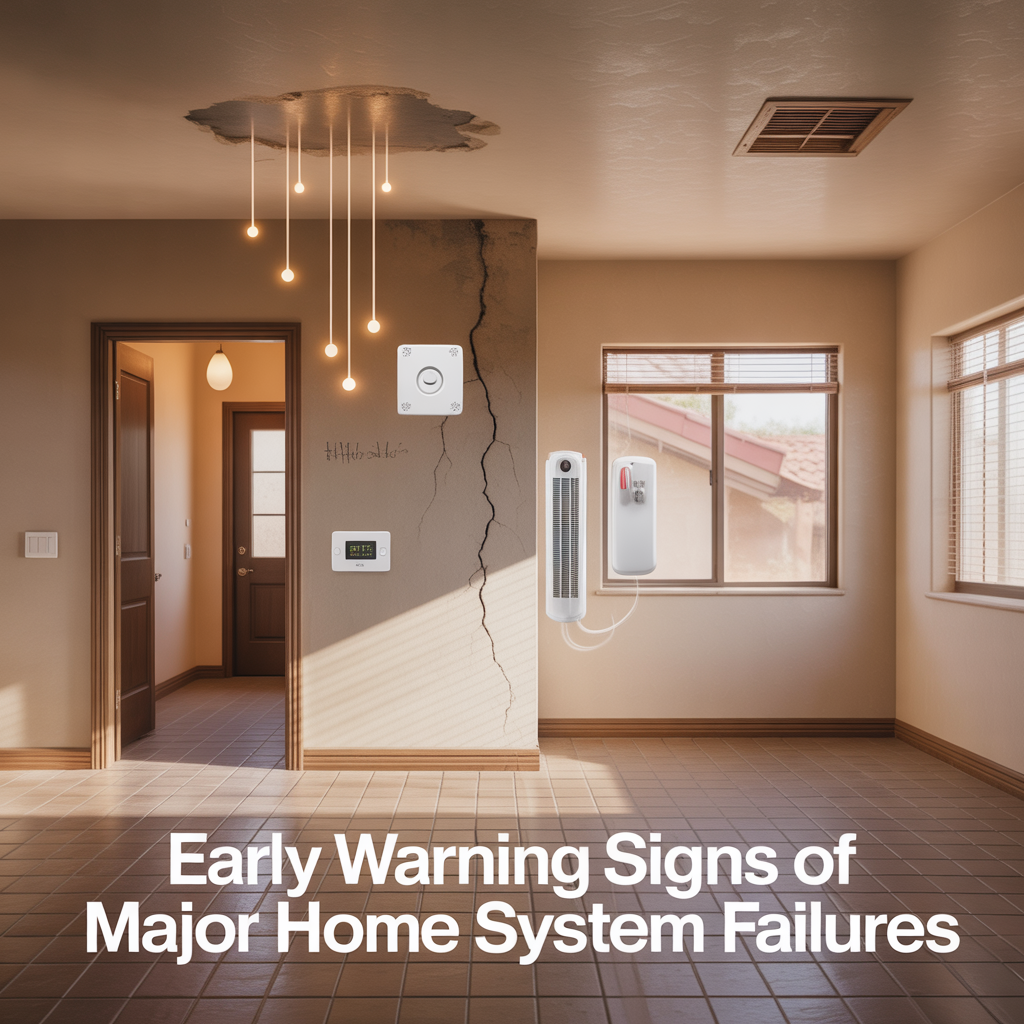
Early Warning Signs of Major Home System Failures
-

How Preventative Maintenance Protects Phoenix Property Value
-

The Best Annual Home Maintenance Plan for Phoenix Homes
-

Electrical Safety Inspections for Older Phoenix Homes
-

Why Whole-Home Surge Protection Matters in Arizona
-

Preparing a Phoenix Home for Electric Vehicle Charging
-

Signs Your Home’s Electrical System Is Overloaded
-
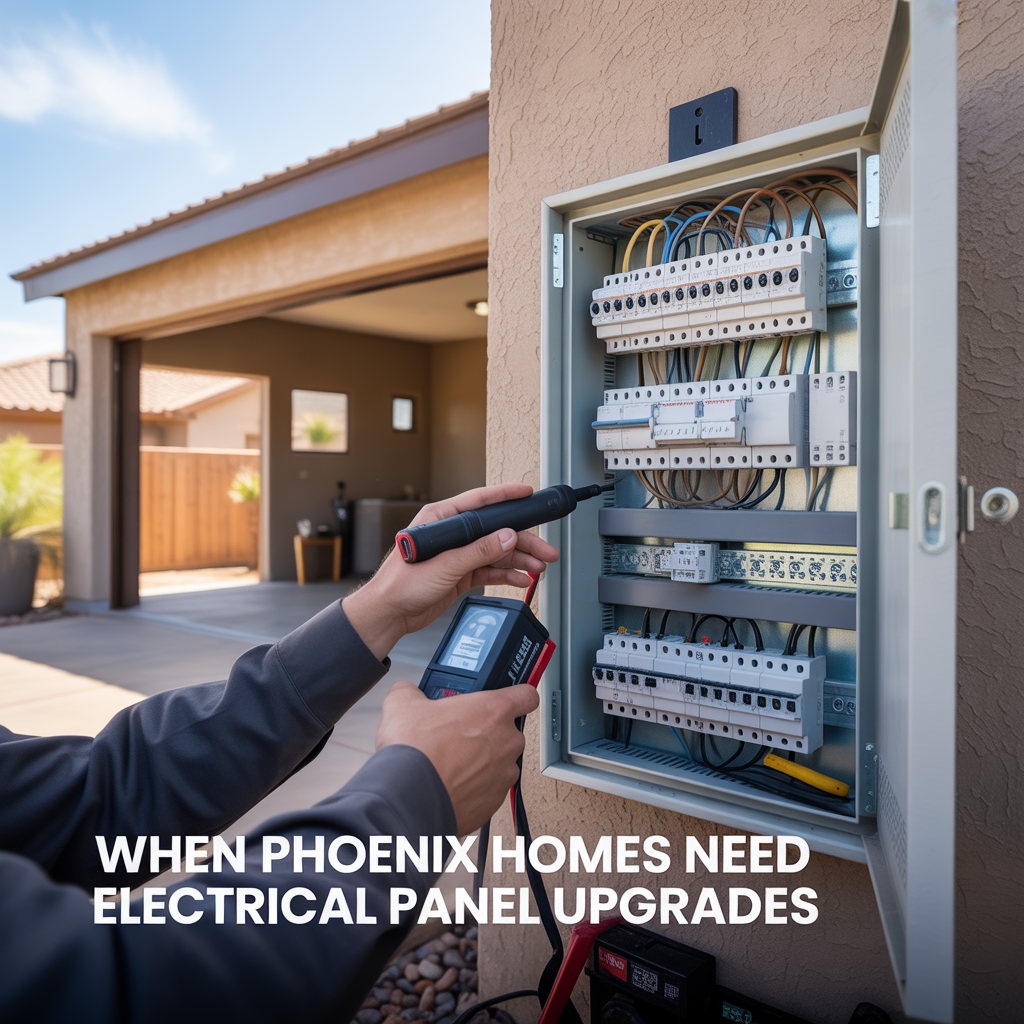
When Phoenix Homes Need Electrical Panel Upgrades
-

Water Pressure Problems in Phoenix Homes Explained
-

Preventing Irrigation Leaks That Waste Water in Desert Landscapes
-

Signs of Hidden Plumbing Leaks in Phoenix Houses
-

How Long Water Heaters Last in Arizona Homes
-

How Hard Water Affects Plumbing Systems in Phoenix Homes
-

Preventing Water Damage in Phoenix Homes During Storms
-

Roof Maintenance Tips Before Phoenix Monsoon Season
-
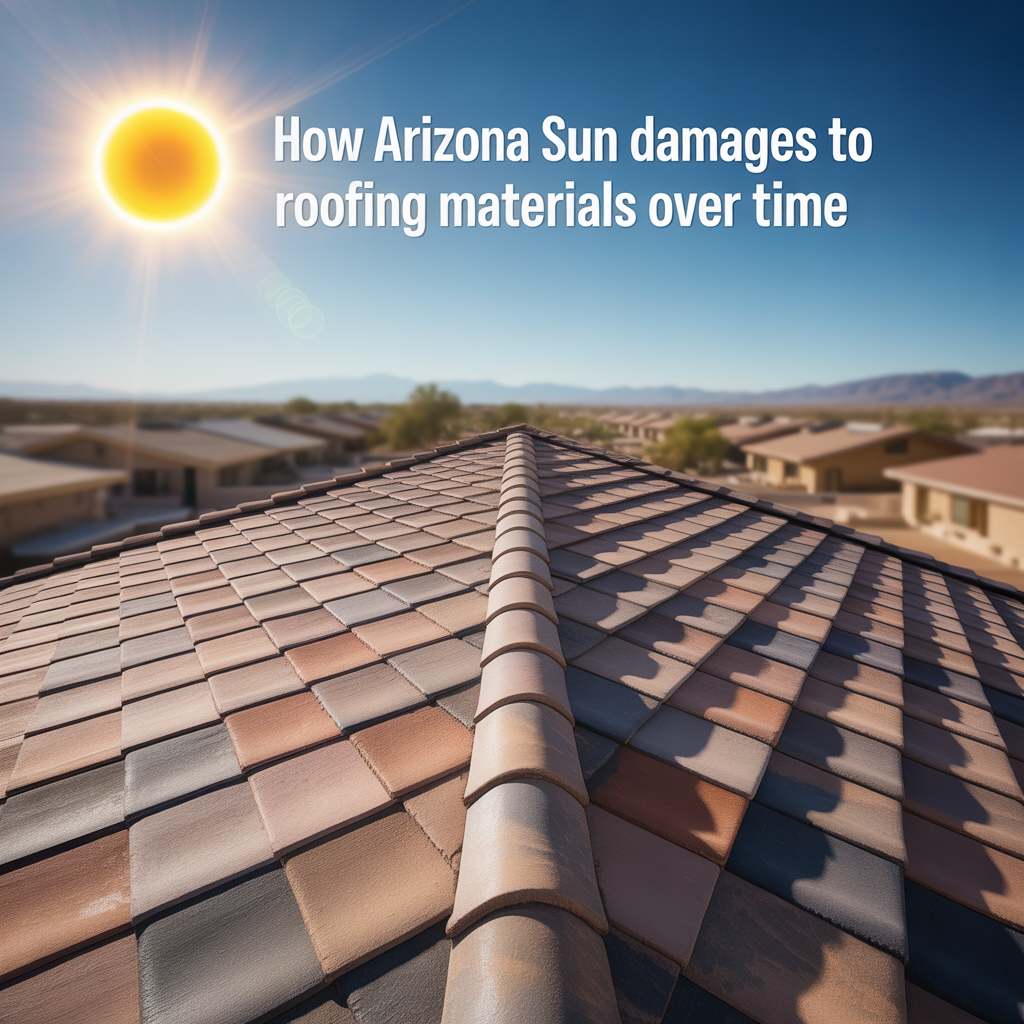
How Arizona Sun Damages Roofing Materials Over Time