



Buyer Fears→ [Buyer Fears] & For more info on other fears Phoenix Real Estate → [Phoenix Real Estate Fears Guide]
Written by: Renee Burke
Buying near our resort corridors or in a 55+ community during snowbird season feels a little like stepping into the heart of Phoenix winter — busy golf carts, full restaurant patios, and neighbors from all over North America soaking up the sun. It’s vibrant, social, and very different from what you’ll experience here in July. That energy shapes how the local market behaves, and if you understand that rhythm, buying during snowbird season can absolutely work in your favor as long as you know what to watch for.
What “Snowbird Season” Really Looks Like
Snowbird season in the Phoenix metro usually runs from about October through February, with the heaviest wave of winter visitors arriving right before the holidays and staying through spring training. In and around our resort corridors and 55+ communities, that means golf tee sheets are full, pickleball courts are hopping, and seasonal owners are out enjoying every amenity they pay for.
In the East Valley especially — Mesa, Chandler, Gilbert, Queen Creek, Gold Canyon, Sun Lakes — winter is peak time for part‑time residents and retirees who choose this area over pricier resort hubs. Communities like Sun Lakes, Sunland Springs Village, MountainBrook Village, and SunBird Golf Resort see a noticeable uptick in activity, both socially and in real estate, as snowbirds decide whether this is the year they finally buy or sell.
How Snowbird Season Affects Prices and Competition
Because so many people want to be here when the weather is perfect, October through February tends to be a busy sales window for winter‑friendly homes: lock‑and‑leave condos, golf‑course properties, and 55+ communities close to medical care and daily conveniences. Many snowbird buyers arrive with cash or large down payments, which can tighten competition for the best‑located, move‑in‑ready homes near resorts and golf.
That doesn’t mean every listing is in a bidding war; it means demand is concentrated in very specific pockets and price points. A freshly updated patio home on the course in an age‑restricted community may draw multiple offers, while an older property a few streets off the fairway might sit a little longer and present negotiation opportunities. Your advantage comes from understanding that micro‑pattern: you’re not competing across the entire Valley, just in very targeted lifestyle zones.
The Unique Advantages of Buying in Season
Even with higher activity, there are real advantages to buying when the community is “awake.”
- You see the true lifestyle. With residents in town, you can feel whether the community’s social life matches your personality — is it lively and club‑driven, or quieter and more independent?
- You can experience amenities in full use. It’s much easier to evaluate clubhouses, pools, fitness centers, and golf operations when they’re humming at winter capacity, not sitting half‑empty in August.
- You meet your likely neighbors. A quick conversation on the pickleball court or in the clubhouse can tell you more than any brochure about what day‑to‑day life is really like.
For many buyers near resorts and 55+ areas, lifestyle is as important as floor plan, and winter is when that lifestyle is on full display.
Where Snowbirds Tend to Focus
Snowbird attention clusters in very specific pockets of the Valley.
- East Valley 55+ hubs: Communities such as Sunland Springs Village, Leisure World, Sun Lakes, and SunBird Golf Resort are well‑known for active‑adult amenities, golf, and strong winter social calendars.
- Resort‑adjacent areas: Golf‑centric neighborhoods and RV/golf resorts in places like Gold Canyon and Apache Junction cater heavily to winter visitors with park models, casitas, and low‑maintenance homes.
- Condo and townhome corridors: Clusters of condos near shopping, healthcare, and major roads attract snowbirds seeking turnkey lock‑and‑leave living rather than yard work.
These pockets tend to see the largest seasonal swings in demand, which is why timing and strategy matter so much when you’re shopping there.
The Trade‑Offs of Buying During Peak Season
Buying near resorts or in a 55+ community during snowbird season has a few predictable trade‑offs.
- You may pay closer to list price on the most desirable units. Turn‑key, updated homes in premium locations often have less room for aggressive discounting when multiple winter buyers are circling.
- There can be less privacy during showings. With residents in town, you’ll often be touring while neighbors are out walking dogs, golfing, or gathering at the clubhouse — which can be a blessing for information, but a little less serene.
- Rental commitments sometimes limit move‑in timing. Some sellers rent their homes to winter visitors through March, so your closing or occupancy might need to respect those existing leases or agreements.
The key is to decide what matters most to you: getting the clearest picture of community life, or pushing for maximum price leverage.
How to Make Snowbird Season Work in Your Favor
If you time it thoughtfully, snowbird season can still tilt in your favor — even in popular 55+ and resort‑adjacent communities.
- Target homes that don’t match the “perfect snowbird profile.”
Properties that need light updating, sit just off the golf course rather than on it, or aren’t staged like a model can be overlooked by short‑term visitors wanting instant gratification. Those homes may offer better pricing and more room for customization. - Look for listings that span seasons.
Homes that came on the market before peak snowbird arrival and are still active in mid‑winter often signal flexible sellers — especially if they’ve already missed the first wave of seasonal buyers. That can open the door to negotiating price, closing costs, or a rate buydown. - Use real‑time community impressions as leverage.
If you notice amenities that feel tired, stricter rental policies than advertised, or HOA rules that limit certain uses, those realities can help you justify an offer that reflects the true value, not the glossy brochure version. - Be clear about your timeline and intent.
Many sellers in these areas care deeply about who’s buying their home — a full‑time owner, another winter visitor, or an investor. When we present your story clearly, it can tip the scales in your favor, especially in communities where neighbors know each other well.
Special Considerations in 55+ and Resort Communities
Buying in age‑restricted or resort‑style areas near our snowbird hubs comes with a few extra layers to review.
- HOA and community rules. Age restrictions, guest policies, rental limits, and approval processes can vary widely between, say, a 55+ golf community in Mesa and a resort park in Gold Canyon.
- Amenity funding and reserves. Well‑maintained clubhouses, courses, and pools rely on steady budgets; reviewing HOA financials and recent assessments helps you understand whether fees are likely to remain stable.
- Use patterns. Some communities feel bustling in winter and very quiet in summer, while others maintain a strong year‑round resident base; if you plan to live here full‑time, that balance matters.
These details don’t show up in a quick online search, but they shape how the community feels to live in over the long haul.
When You Might Prefer to Wait
There are times when waiting until late spring or summer makes more sense, especially if you’re focused solely on maximizing value.
After snowbirds head home, some owners who didn’t sell or who no longer want to manage winter rentals decide it’s time to list, and their homes hit the market into a quieter buyer pool. You’ll often see a bit more price flexibility in May through August on properties that cater to winter visitors — particularly if they’re competing with newer builds or updated units nearby.
So if you’re less concerned about seeing the community “in season” and more focused on stretching your budget, we can map a strategy that leans into that off‑peak leverage instead.
Walking This Season Thoughtfully, Together
Buying near our resort corridors or in a 55+ community is really about choosing a lifestyle — the golf mornings, the club dinners, the lock‑and‑leave ease — as much as choosing a structure and a floor plan. Snowbird season simply turns up the volume on that lifestyle so you can see it clearly before you commit.
If you’re thinking about making a move in Phoenix — whether it’s a winter retreat near the fairways or a full‑time home in an active‑adult community — you don’t have to figure it out alone. Share your timing, your must‑haves, and the kind of days you imagine living here, and I’ll help you navigate the seasons, the communities, and the fine print with a calm, steady hand. We’ll move at your pace, and we’ll find the place that feels like it was waiting just for you.
Get the full Phoenix Market Insights → [Market Insights]


-
Cost of Living in Rhode Island: Housing, Taxes, Utilities, and Everyday Expenses
-

What If My Commute Becomes Worse Than Expected?
-
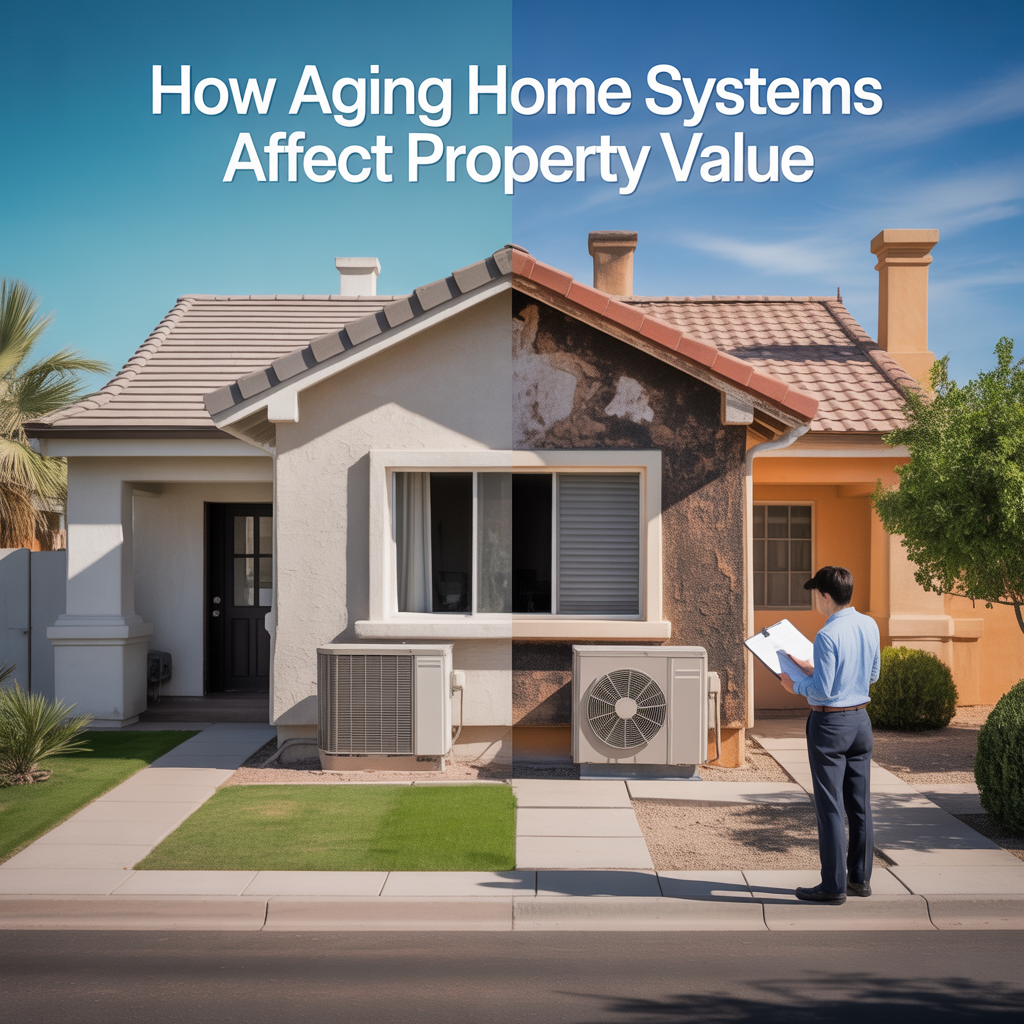
How Aging Home Systems Affect Property Value
-

Energy Efficiency Upgrades for Phoenix Homes
-
How to Plan for Major Home System Replacements
-

When Phoenix Homeowners Should Replace Water Heaters
-

Repair vs Replace Decisions for Phoenix HVAC Systems
-
Creating a Long-Term Home Maintenance Plan
-

How Often Phoenix Homes Should Be Professionally Inspected
-
Early Warning Signs of Major Home System Failures
-

How Preventative Maintenance Protects Phoenix Property Value
-

The Best Annual Home Maintenance Plan for Phoenix Homes
-

Electrical Safety Inspections for Older Phoenix Homes
-

Why Whole-Home Surge Protection Matters in Arizona
-

Preparing a Phoenix Home for Electric Vehicle Charging
-

Signs Your Home’s Electrical System Is Overloaded
-

When Phoenix Homes Need Electrical Panel Upgrades
-

Water Pressure Problems in Phoenix Homes Explained
-

Preventing Irrigation Leaks That Waste Water in Desert Landscapes
-

Signs of Hidden Plumbing Leaks in Phoenix Houses
-

How Long Water Heaters Last in Arizona Homes
-

How Hard Water Affects Plumbing Systems in Phoenix Homes
-

Preventing Water Damage in Phoenix Homes During Storms
-

Roof Maintenance Tips Before Phoenix Monsoon Season
-
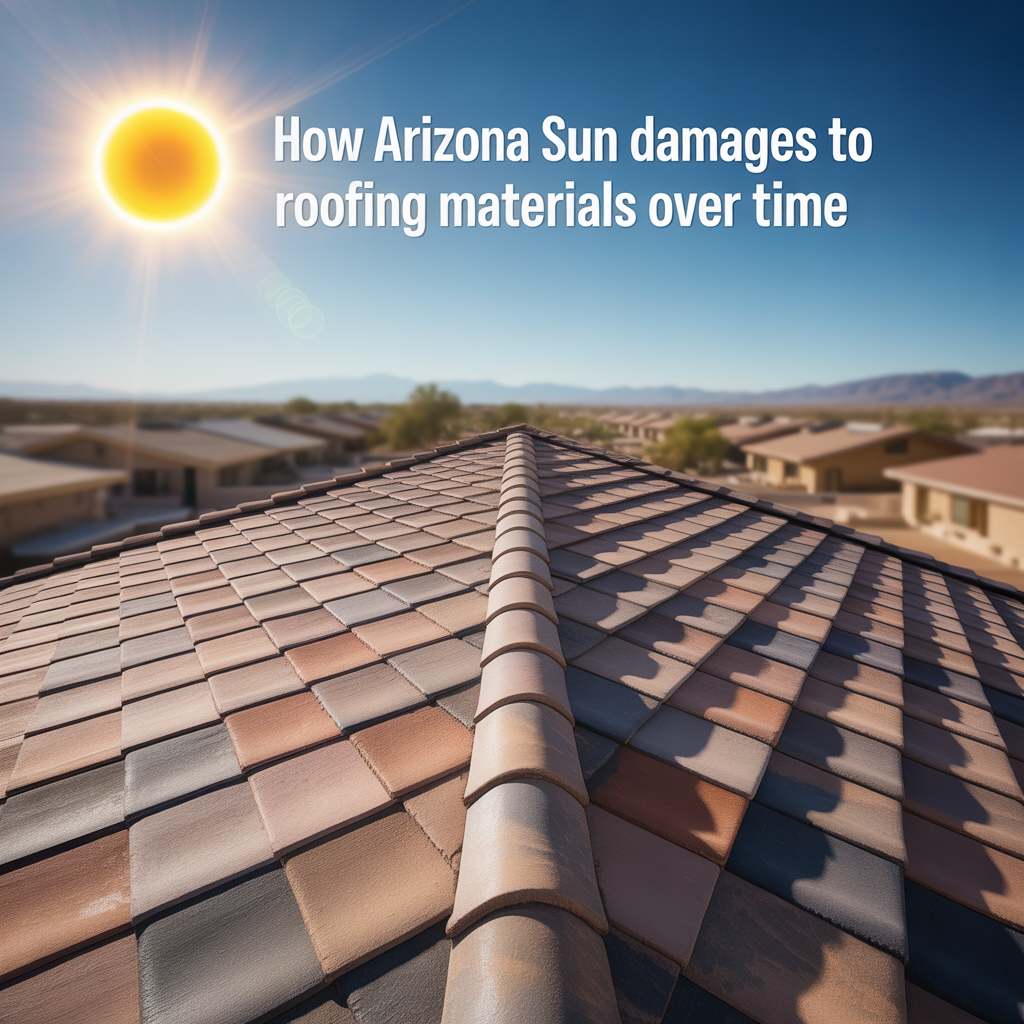
How Arizona Sun Damages Roofing Materials Over Time