


Buyer Fears→ [Buyer Fears] & For more info on other fears Phoenix Real Estate → [Phoenix Real Estate Fears Guide]
Written by: Renee Burke
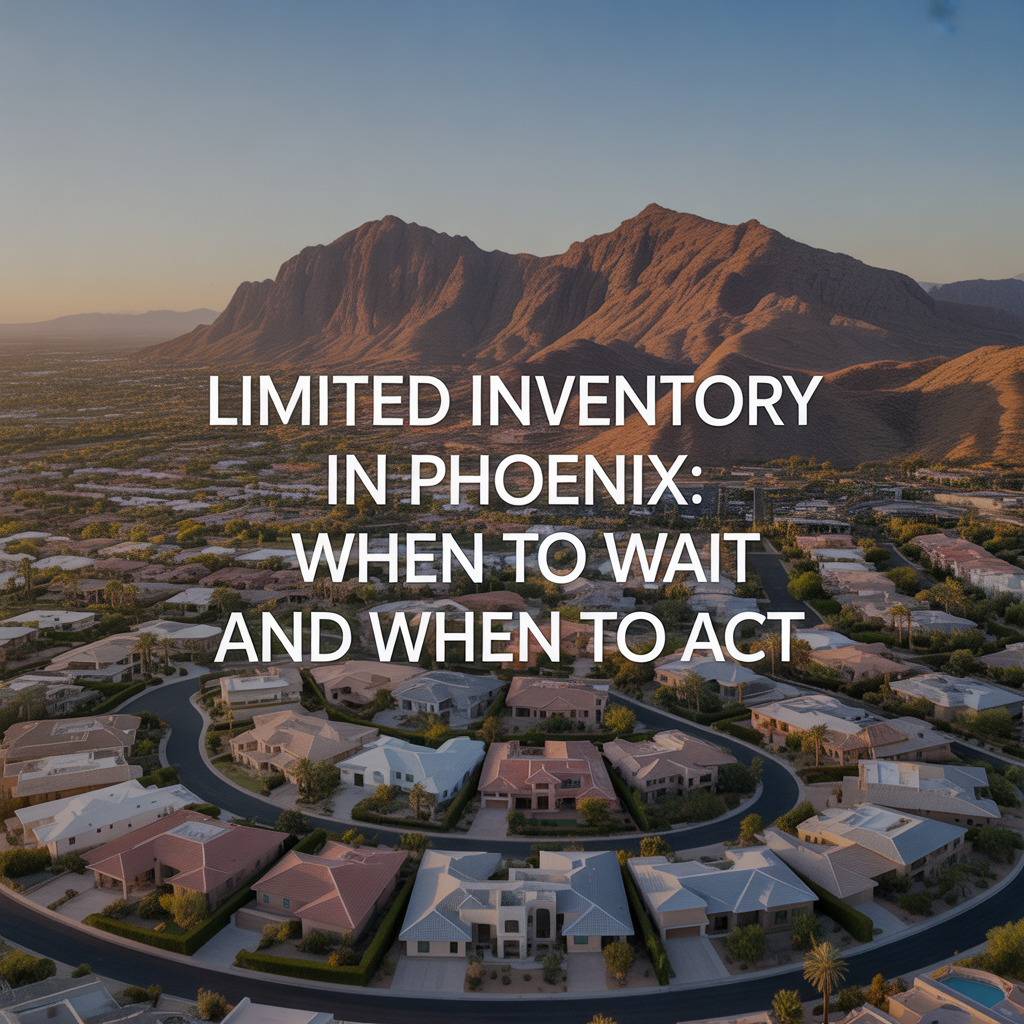
Phoenix’s housing market has long danced with tight inventory, and even as we move through early 2026, that familiar constraint shapes decisions for buyers and sellers alike. You feel it in the smaller pool of listings, the homes that attract attention quickly, and the quiet understanding that good properties don’t linger. But limited supply doesn’t mean you should rush blindly or sit on the sidelines indefinitely — it means knowing the subtle signals that tell you when to step forward with confidence, and when patience pays off.
The Current State of Phoenix Inventory
Right now, Greater Phoenix sits in a transitional space — inventory has grown from the rock-bottom levels of a few years ago, with active listings climbing toward 24,000 in some recent counts and months of supply hovering around 5 months in spots. That’s progress from the sub-3-month seller’s frenzy we knew too well, yet still tight enough that certain neighborhoods and price points feel every bit as competitive as ever.
Popular family areas like North Phoenix, parts of Chandler, and Gilbert often see the sharpest shortages, especially for move-in-ready single-family homes under $700,000. New construction helps in outer rings like Queen Creek and Buckeye, but established neighborhoods with mature trees, good schools, and easy freeway access remain in chronically short supply. Builders simply aren’t matching the demand there, and homeowners locked into low-rate mortgages from years past aren’t rushing to list.
Signs It’s Time to Act Now
Limited inventory rewards the prepared buyer who moves decisively on the right match. Here are the clearest signals that waiting might cost you:
- Your must-haves align with scarce segments. If you’re seeking a 4-bedroom with a pool in a top-rated school district like Basis or Chandler Unified, or a lock-and-leave townhome near meaningful amenities, those homes often sell within days of listing. When you tour something that checks your key boxes — north-south exposure, usable yard, updated kitchen — and it feels like “home,” that’s your cue.
- Market metrics tilt your way. Days on market creeping toward 60-90 days, or homes lingering past two weeks without pending status, signal softening in that pocket. Early 2026 data shows some segments with median sale-to-list ratios dipping under 98%, meaning room to negotiate closing costs or minor repairs.
- Rates and your finances cooperate. With mortgage rates stabilizing in the mid-5% to low-6% range, locking in now secures affordability before any potential uptick in demand. If you’ve run your numbers and can comfortably qualify, hesitation risks competing with spring buyers who arrive with fresher FOMO.
- Personal timelines demand it. Job relocations, school starts, or family changes don’t pause for market cycles. If your life needs a home by summer, the current balance — more choices than peak frenzy but not endless browsing — lets you claim your spot without chaos.
Acting doesn’t mean overpaying; it means recognizing when leverage exists even in scarcity.
Clear Signals to Pause and Wait
Patience has its place, especially when inventory tightness stems from structural factors rather than explosive demand. Consider waiting if:
- Prices in your target area feel peaked. Certain mid-tier neighborhoods have softened 10-15% from pandemic highs, but if listings in your price band are holding firm at or above asking with no movement, broader trends suggest more supply may trickle in by late spring.
- Your wish list has flexibility. If you’re drawn to oversupplied segments — condos, investor-owned rentals converting to sales, or new builds in growing East Valley edges — waiting could yield better selection and pricing as seasonal lulls deepen.
- Bigger forces loom. The “lock-in effect” keeps inventory structurally low, but if rates dip further or economic shifts prompt more listings, summer could bring a subtle buyer tilt. Demand remains cautious, with pending sales up but not surging — a sign the market isn’t overheated.
Waiting isn’t passivity; it’s positioning for when supply eases without sacrificing your core needs.
Price Points and Neighborhoods Under Pressure
Inventory scarcity hits differently across the Valley:
This table reflects early 2026 patterns: central, family-friendly stock stays tightest; edges and alternatives loosen first.
Strategies to Navigate Limited Supply
Whether acting or waiting, these steps tilt the odds your way:
- Build a tight focus list. Narrow to 3-5 must-haves (schools, yard size, commute under 25 minutes) so you’re first in line when matches appear.
- Track off-market whispers. Coming-soon listings, pocket listings, and seller networks often surface before MLS — especially in inventory-pinched neighborhoods.
- Leverage every inspection. Even in tight markets, thorough due diligence uncovers negotiation room on repairs, credits, or rate buydowns.
- Monitor micro-trends. Use days on market, price reductions, and cumulative days to spot softening before it hits headlines.
Phoenix’s limited inventory isn’t going away overnight, but it’s evolving — giving thoughtful buyers windows to move smartly.
Lifestyle Fit Over Market Timing
Ultimately, tight supply underscores that Phoenix homebuying prioritizes lifestyle alignment over chasing “perfect” timing. A home near your favorite hiking trails, with room for your hobbies and a layout that flows for your family, holds value through any cycle. Market phases pass; daily comfort endures.
In limited inventory, the edge goes to those who know their non-negotiables and trust steady guidance over reactive jumps.
Let’s Time Your Move with Confidence
If you’re feeling the pinch of Phoenix’s limited inventory — wondering if now’s your moment or if a short wait unlocks better options — you don’t have to figure it out alone. Share your neighborhood shortlist, budget range, and what daily life here should feel like for you, and I’ll walk you through the signals specific to your situation.
We’ll watch the listings together, spot the shifts before they hit critical mass, and position you to act or pause with calm certainty. Your Phoenix home is waiting — let’s find the right window to claim it.
Get the full Phoenix Market Insights → [Market Insights]


-
Cost of Living in Rhode Island: Housing, Taxes, Utilities, and Everyday Expenses
-

What If My Commute Becomes Worse Than Expected?
-

How Aging Home Systems Affect Property Value
-

Energy Efficiency Upgrades for Phoenix Homes
-
How to Plan for Major Home System Replacements
-

When Phoenix Homeowners Should Replace Water Heaters
-

Repair vs Replace Decisions for Phoenix HVAC Systems
-
Creating a Long-Term Home Maintenance Plan
-

How Often Phoenix Homes Should Be Professionally Inspected
-
Early Warning Signs of Major Home System Failures
-

How Preventative Maintenance Protects Phoenix Property Value
-

The Best Annual Home Maintenance Plan for Phoenix Homes
-

Electrical Safety Inspections for Older Phoenix Homes
-

Why Whole-Home Surge Protection Matters in Arizona
-

Preparing a Phoenix Home for Electric Vehicle Charging
-

Signs Your Home’s Electrical System Is Overloaded
-
When Phoenix Homes Need Electrical Panel Upgrades
-

Water Pressure Problems in Phoenix Homes Explained
-

Preventing Irrigation Leaks That Waste Water in Desert Landscapes
-

Signs of Hidden Plumbing Leaks in Phoenix Houses
-

How Long Water Heaters Last in Arizona Homes
-

How Hard Water Affects Plumbing Systems in Phoenix Homes
-

Preventing Water Damage in Phoenix Homes During Storms
-

Roof Maintenance Tips Before Phoenix Monsoon Season
-

How Arizona Sun Damages Roofing Materials Over Time