


Buyer Fears→ [Buyer Fears] & For more info on other fears Phoenix Real Estate → [Phoenix Real Estate Fears Guide]
Written by: Renee Burke
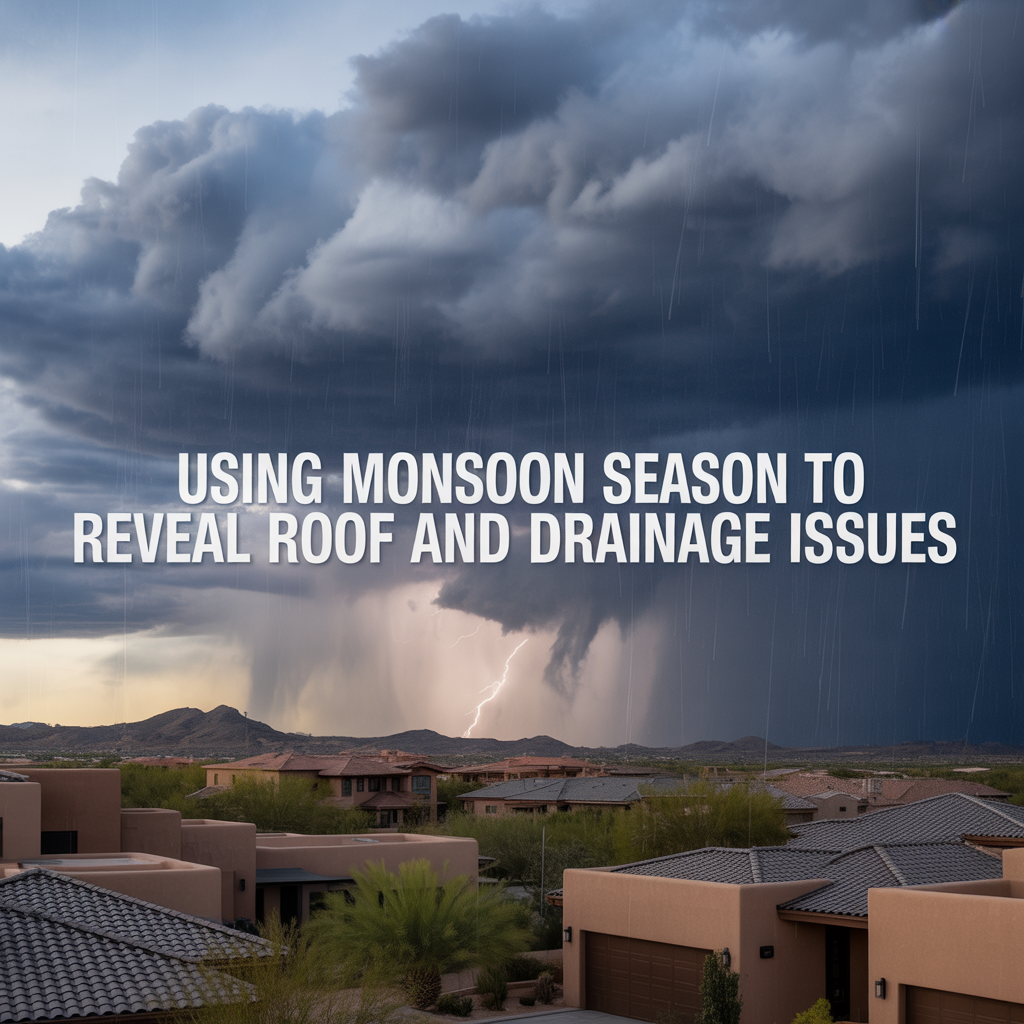
Monsoon season in Phoenix can feel dramatic — dust walls on the horizon, sudden downpours, and gutters working overtime. But as a homebuyer, this season quietly hands you a powerful advantage: it reveals exactly how a home handles water, wind, and drainage when the desert tests it the hardest.
Why Monsoon Season Matters for Buyers
Our monsoon season typically runs from mid‑June through late September, with the most intense storms usually rolling through in July and August. These storms bring heavy rain, high winds, and fast runoff — the kinds of conditions that quickly expose weak spots in roofs, gutters, and drainage systems that might stay hidden the rest of the year.
For you as a buyer, that’s not just “bad weather.” It’s a live stress test. A home that looks perfectly fine in March might show water stains, overflowing gutters, or ponding on a flat roof after a July storm, giving you honest insight into its true condition before you commit.
What Monsoon Storms Expose on the Roof
During monsoon season, even a quick drive‑by after a storm can tell you a lot about a roof.
- Missing or lifted shingles/tiles
High winds can lift, crack, or dislodge shingles and tiles, breaking the seal that keeps water out even if pieces appear to “settle back down.” From the ground, that can look like curled edges, uneven lines, or exposed shiny nail heads. - Ponding water on flat or low‑slope roofs
When drainage is poor, water can sit on flat roofs for hours or days, leaving dirty rings or residue even after it evaporates. Persistent ponding adds weight, shortens the roof’s life, and often finds its way into seams and tiny openings over time. - Damaged flashing and seals
Driving rain and wind push water sideways, forcing it under loose flashing around chimneys, vents, and skylights. Tiny gaps that might not leak in a gentle winter rain can become obvious intrusion points once a monsoon storm hits.
Monsoons don’t politely sprinkle from above — they attack from the side, from below, and all at once. If a roof has vulnerabilities, this is when you’ll see them.
How Gutters and Drainage Give Away Hidden Problems
When you’re touring homes during monsoon season, pay close attention to how water moves — and where it ends up.
- Overflowing or clogged gutters
Dust, leaves, and roof granules often wash into gutters during storms, clogging them and causing water to pour over the sides instead of flowing through downspouts. Overflow like this can soak fascia boards, siding, and the top of exterior walls, leading to hidden rot and long‑term damage. - Downspouts draining too close to the house
Even if gutters are clear, downspouts that empty right at the foundation can create pooling around the slab, especially during intense monsoon downpours that can dump inches of rain in a short time. Over the years, that water can contribute to settlement issues or moisture intrusion at the base of walls. - Water paths and erosion in the yard
Look for channels carved in rock or bare soil where water clearly rushes during storms, especially along the side yards and near patios. These patterns tell you whether the property is shedding water away from the home or sending it straight toward doors, garage thresholds, or low patio sliders.
Drainage may not sound glamorous, but in our climate it’s one of the biggest clues to how “easy” a home will be to live with over time.
Interior Signs You Shouldn’t Ignore
Monsoon‑related roof and drainage issues don’t always show up as dramatic leaks. Often, the first hints are subtle signs inside the home.
- Water spots on ceilings or upper walls
Even faint discoloration or a past “repaired” patch can indicate that driving rain has found a path inside before. It’s worth asking when it was fixed, who did the work, and whether there’s any documentation. - Musty odors after storms
Persistent mustiness in certain rooms, closets, or near exterior walls after a storm can signal moisture intrusion in the walls or attic that hasn’t fully dried or been addressed. - Buckling baseboards or warped flooring near exterior doors
If water frequently blows in under thresholds or pools at doorways, flooring and trim can start to warp — especially around patio doors and garage entries.
You’re not looking for perfection; you’re looking for patterns. A single old stain with clear documentation is different from multiple fresh spots that no one can explain.
Using Monsoon Season Strategically in Your Offer
When monsoon storms reveal issues, you gain both information and leverage.
- Inspection focus
During monsoon season, a good home inspector will pay extra attention to roof condition, attic moisture, drainage grading, gutters, and any evidence of active or historical leaks. You can request a roof specialist’s evaluation if anything looks questionable from the ground or in the attic. - Negotiation opportunities
If inspections uncover active leaks, failed flashing, ponding, or inadequate drainage, you can negotiate in several ways: asking for repairs before closing, requesting seller credits, or adjusting your offer price to reflect the work needed. Sellers who have already weathered several storms with visible issues may be more open to realistic concessions. - Value of documented repairs
On the flip side, sellers who can show recent professional roof work, clean post‑monsoon inspections, or drainage upgrades often provide extra peace of mind — sometimes enough to justify choosing their home over a slightly cheaper one without that documentation.
In our market, buyers don’t just pay for granite and square footage; you’re also paying for how a home performs through our summer and monsoon cycles.
Practical Tips When You’re Touring During Monsoon Season
A few small habits can help you see what others miss:
- Try to drive by after a storm, even if your main showing is scheduled for a sunny day. You’ll notice where water sits, how the street drains, and whether gutters are spilling over.
- Walk the perimeter of the home and look for staining on stucco, damaged fascia, or areas where rock or soil has washed away.
- Ask for any recent roof and drainage work: age of the roof, last time gutters were cleaned, whether any monsoon damage claims have been filed.
- Don’t be shy about bringing concerns into your offer — that’s exactly what due diligence is for.
You’re not trying to “catch” a seller; you’re trying to understand the home you’re about to invest your life and money into. Monsoon season simply gives you sharper tools to do that well.
You Don’t Have to Read the Storms Alone
Monsoon season can look intimidating from the outside — dramatic skies, sudden winds, and the sense that everything is being tested at once. But for a Phoenix buyer, it’s also one of the clearest windows into how well a home is truly holding up.
If you’re thinking about making a move in Phoenix, especially during monsoon season, you don’t have to figure it out alone. I’m here to help you read what those storms are really telling you about each roof, each lot, and each neighborhood, so your decision feels informed, calm, and confident — not rushed or uncertain. When you’re ready, we’ll walk through it together, one raindrop and one inspection at a time.
Get the full Phoenix Market Insights → [Market Insights]


-
Cost of Living in Rhode Island: Housing, Taxes, Utilities, and Everyday Expenses
-

What If My Commute Becomes Worse Than Expected?
-

How Aging Home Systems Affect Property Value
-

Energy Efficiency Upgrades for Phoenix Homes
-
How to Plan for Major Home System Replacements
-

When Phoenix Homeowners Should Replace Water Heaters
-

Repair vs Replace Decisions for Phoenix HVAC Systems
-
Creating a Long-Term Home Maintenance Plan
-

How Often Phoenix Homes Should Be Professionally Inspected
-
Early Warning Signs of Major Home System Failures
-

How Preventative Maintenance Protects Phoenix Property Value
-

The Best Annual Home Maintenance Plan for Phoenix Homes
-

Electrical Safety Inspections for Older Phoenix Homes
-

Why Whole-Home Surge Protection Matters in Arizona
-

Preparing a Phoenix Home for Electric Vehicle Charging
-

Signs Your Home’s Electrical System Is Overloaded
-
When Phoenix Homes Need Electrical Panel Upgrades
-

Water Pressure Problems in Phoenix Homes Explained
-

Preventing Irrigation Leaks That Waste Water in Desert Landscapes
-

Signs of Hidden Plumbing Leaks in Phoenix Houses
-

How Long Water Heaters Last in Arizona Homes
-

How Hard Water Affects Plumbing Systems in Phoenix Homes
-

Preventing Water Damage in Phoenix Homes During Storms
-

Roof Maintenance Tips Before Phoenix Monsoon Season
-
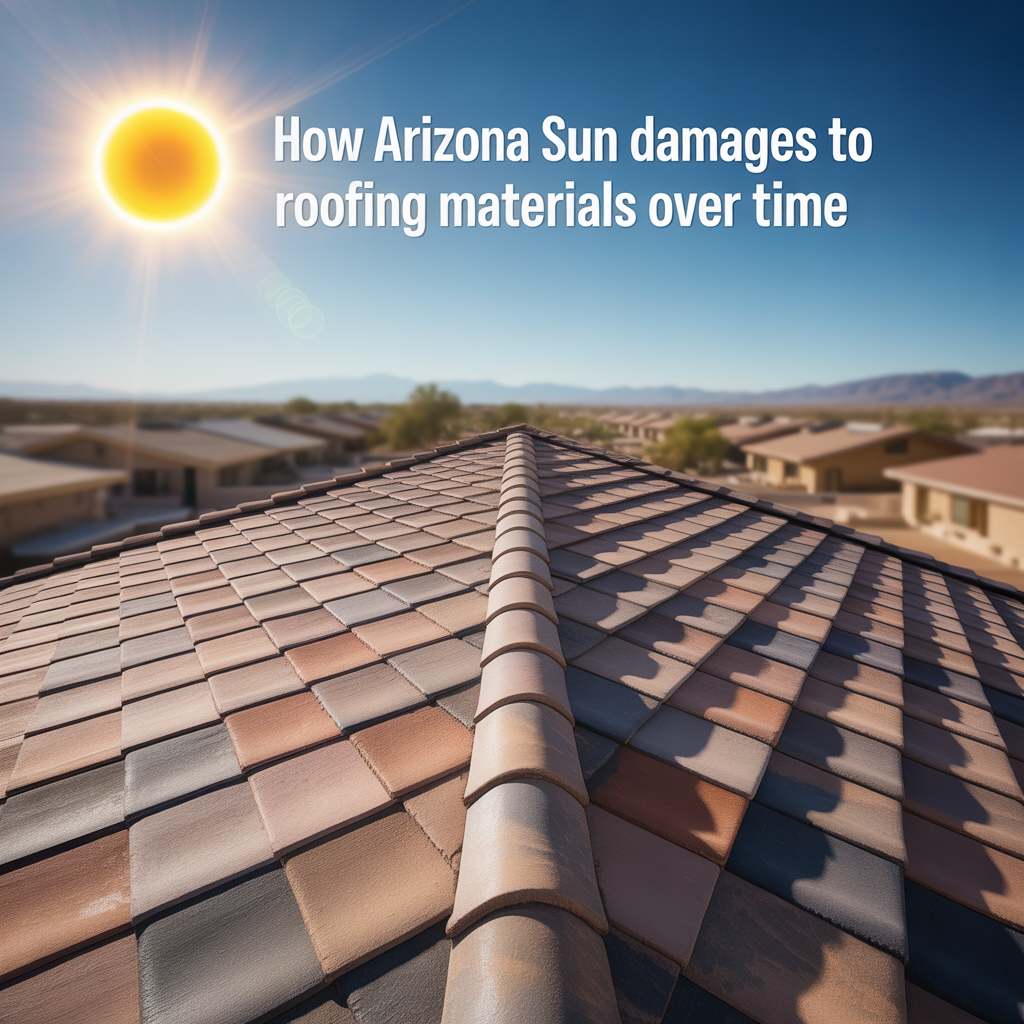
How Arizona Sun Damages Roofing Materials Over Time