



Buyer Fears→ [Buyer Fears] & For more info on other fears Phoenix Real Estate → [Phoenix Real Estate Fears Guide]
Written by: Renee Burke
Interest rates have been the quiet undercurrent shaping Phoenix home sales lately, easing just enough in early 2026 to stir buyers back into action without unlocking a floodgate. As your local guide through these shifts, I’ve seen firsthand how even small dips — from 2025’s highs around 7% down to the low-6% range now — change buyer behavior and what lands in your inbox as a seller.
Let’s unpack this gently, focusing on what it means for offers on your home and how to read the room with confidence.
Current Rates: A Steadying Force at 6-6.2%
Right now, in mid-February 2026, 30-year fixed rates for Phoenix buyers sit around 6.13-6.2% for conventional loans, with FHA options dipping to 5.8-5.99% on good days. We’ve seen encouraging drops — one day even touching 5.99% last month — sparking more pre-approvals and foot traffic, especially from sidelined families eyeing Gilbert or Chandler.
This isn’t the sub-4% dream of 2021, but it’s a meaningful thaw from last year’s peaks. Buyers are buying down points to hit high-5s or mid-5s effective rates, making $450k-500k homes feel reachable again in a median-price market hovering at $458k. Affordability eases slightly, pulling in first-timers and relocators who paused during tighter times.
Buyer Mindset: Cautious Confidence Returns
Lower rates rekindle urgency without the old frenzy. Snowbirds and Midwest transplants — key Phoenix players — stretch further into Ahwatukee or Fountain Hills, while locals recalculate for East Valley schools or West Valley retiree spots. Demand ticks up as rates stabilize, with inventory climbing to 24,000+ active listings but still tight at 4.8 months’ supply.
Buyers shop smarter: more inspections, fewer waivers, but quicker decisions on move-in-ready homes with pools or shaded patios. The “lock-in effect” lingers for low-rate holders (those 3-4% mortgages from 2021), keeping inventory lean and supporting your leverage if priced right. Expect steady showings over bidding wars — a healthier rhythm for our Valley.
Impact on Your Offers: What Sellers See Now
As rates hover in the low-6s through 2026, offers reflect balanced power: sale-to-list ratios at 97-98%, days on market 50-70 metro-wide. Here’s the shift:
- Fewer but stronger bids. Buyers lock in buys before rates rebound, favoring single-stories under $600k or updated 1990s ranchers in Mesa — often at full price with minor concessions like closing credits.
- Negotiation room grows. At 6.2%, some push 1-2% below ask, especially on luxury in Paradise Valley or overpriced fixes in Surprise. But energy-efficient upgrades or trail-adjacent lots hold firm.
- Buy-downs boost pools. More pre-quals mean reliable closings; FHA at 5.8% draws younger families to Peoria or Queen Creek, netting you cleaner terms.
In winter’s peak, this fuels 98%+ ratios; spring could see more haggling if inventory swells.
Neighborhood Ripples: East vs. West Valley
Rates hit differently across Phoenix. East Valley (Chandler, Gilbert) sees families pounce at sub-6%, prioritizing schools and commutes — low-6s keep them aggressive. West Valley (Goodyear, Sun City) draws rate-sensitive retirees; dips to 5.99% unlock cash-mixed offers. Central spots like Tempe hold steady, less rate-swayed by lifestyle appeal.
Projections hold low-6s steady, fostering balance without price crashes — job growth and sunshine keep us resilient.
Strategies for Sellers in This Rate Climate
Lean into stability: Price to hyper-local comps, stage for “instant Phoenix living” (open flows, outdoor kitchens), and highlight rate-buy-down appeal in marketing. If offers soften, counter with seller credits over cuts — equity from 2021 gains gives cushion.
Watch the Fed: Further dips to high-5s could spike spring activity; steady 6% suits patient preps now.
Your Offers, Your Timeline
Rates shape the pool, but your home’s story — that Verrado upgrade or Fountain Hills downsize — closes deals. Phoenix buyers crave our life; easing rates just widen their reach.
Let’s Map Your Offers
If rate shifts have you eyeing offers or timing, I’m here to sort it with you — no rush, just clear insight on your neighborhood and goals. You don’t figure this out alone.
Reach out for a thoughtful review; together, we’ll turn today’s market into your confident move.
Get the full Phoenix Market Insights → [Market Insights]


-

How the Phoenix Desert Climate Shapes Everyday Life Inside the Home
-

How Phoenix Weather Patterns Shape Everyday Home Routines
-

Why Homes Often Feel More Comfortable After the First Year of Ownership
-

How Living in Phoenix Changes the Way Homeowners Use Their Homes
-

What New Phoenix Homeowners Learn During Their First Year of Ownership
-

How Daily Life Changes After the First Year of Living in a Phoenix Home
-
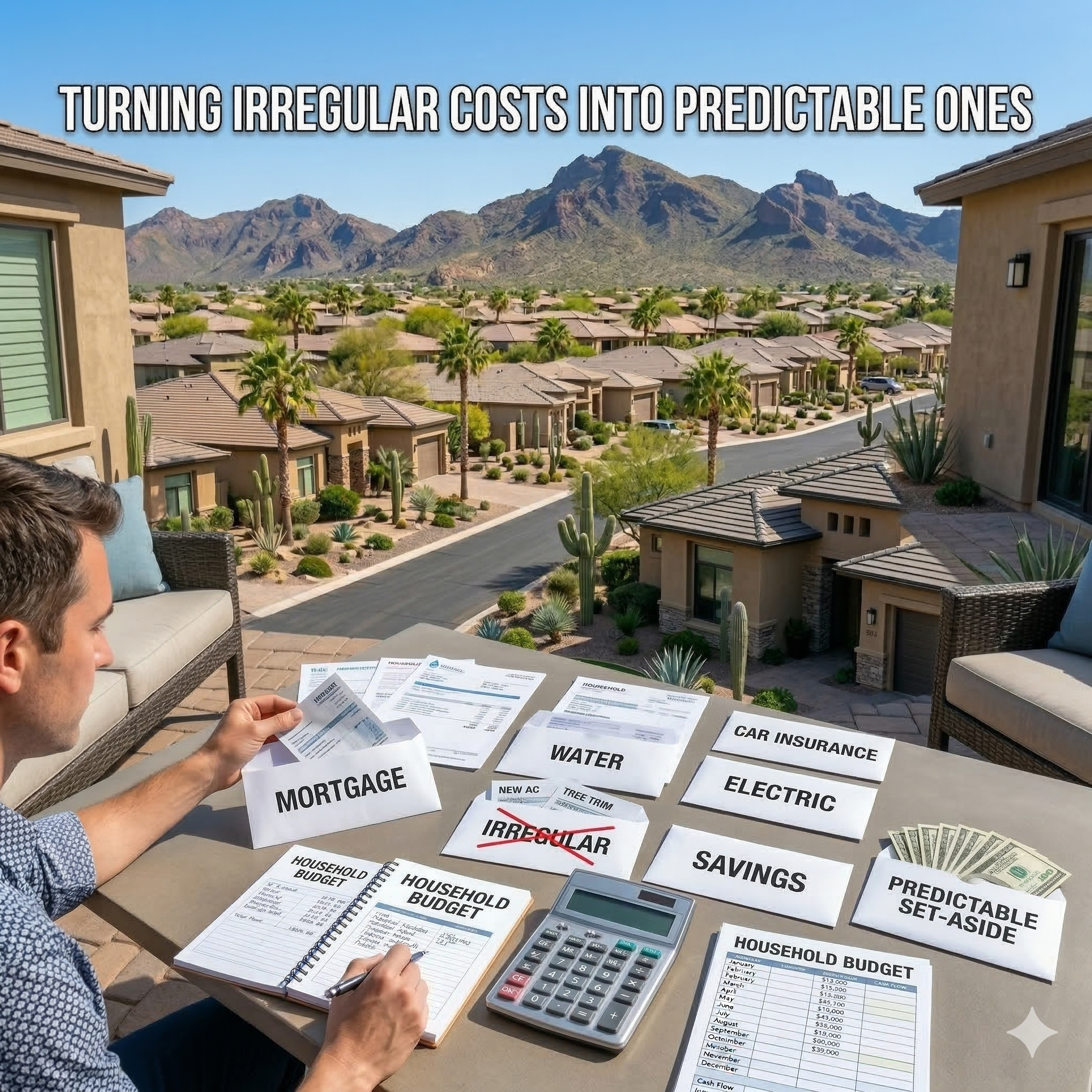
Turning Irregular Costs Into Predictable Ones
-

Budgeting for Ongoing Ownership
-

Repair vs Replace vs Defer Decisions
-

Planning Homeownership Like a Long-Term Asset
-

What Home Expenses You Can Safely Delay
-

Stopping Cost Creep Early
-

Cash Flow vs Net Worth Stress
-

Why “It’s Not That Much” Adds Up
-

Warning Signs Your Ownership Budget Is Tightening
-

The Cumulative Cost of Small Home Repairs
-

Designing Budgets Around Local Conditions
-
Utility Costs Over Time in Desert Climates
-

Insurance Increases Explained for Arizona Homeowners
-
How Inflation Impacts Phoenix Homeownership Costs
-

Avoiding Debt-Driven Homeownership Decisions
-

Replacing Systems on Your Timeline
-

Why Emergency Repairs Cost More
-

Timing Major Expenses Without Financial Shock
-
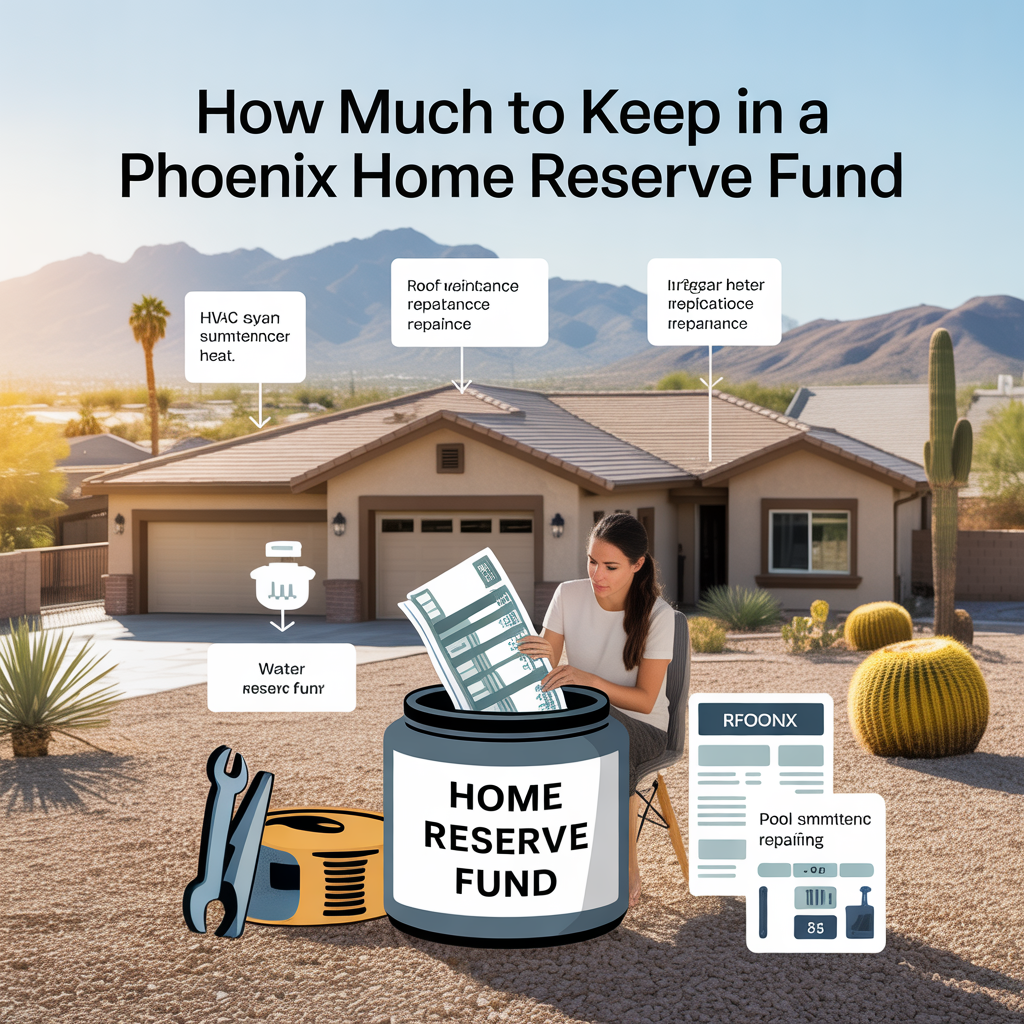
How Much to Keep in a Phoenix Home Reserve Fund