



Buyer Fears→ [Buyer Fears] & For more info on other fears Phoenix Real Estate → [Phoenix Real Estate Fears Guide]
Written by: Renee Burke
If you’ve ever been through the home inspection process in the Phoenix area, you know how emotional it can feel. You finally get past the offer stage, start picturing where your furniture might go—and then that inspection report lands in your inbox like a small novel. Page after page of notes and photos, some minor, some major, all layered with the unspoken question: What now?
Take a breath. Truly.
This stage feels pivotal because it is—but it’s not make-or-break unless you let it be. The way you respond to that report can preserve your leverage, your sanity, and your deal. And when you understand how Phoenix homes, inspectors, and negotiations work in real life—not just on paper—you’re already ahead.
Understanding What an Inspection Really Is
An inspection report isn’t a judgment on your home or a list of what’s “wrong.” It’s simply an inventory of conditions at a moment in time. In the Valley, that often means a blend of desert elements—sun, dust, dry air, monsoon flash flooding—that leave their marks differently than in other regions. Cracked stucco, tired roof coatings, and weathered window seals are practically rites of passage here.
Phoenix inspectors tend to be very thorough. That’s good news, because buyers and sellers alike benefit from transparency. But it also means the final packet is likely to look more intimidating than it deserves to. The trick is to distinguish between issues that matter and notes that don’t change the home’s real-world value or safety.
What Buyers Should Remember
If you’re buying, think of the inspection as a window into long-term maintenance, not as a list of demands. In our environment, some repairs make sense to negotiate—others don’t.
- Focus on function and safety. Electrical grounding, roof condition, HVAC performance, and plumbing leaks top the list of what truly matters in a Phoenix climate.
- Cosmetic fixes rarely change market value. A smudge on drywall from summer heat expansion? A cracked patio tile? Those are everyday signs of desert living.
- Context is everything. A water heater that’s nearing 10 years in Ahwatukee might sound concerning, but if it’s still running well and regularly serviced, replacement might not be urgent.
When asking for repairs or credits, aim for reason—not perfection. In many Phoenix suburbs, homes weather conditions that no inspection report can fully represent. Balancing that perspective is how you keep leverage while still advocating for yourself.
What Sellers Should Remember
For sellers, the instinct to defend your home is natural. It’s hard not to feel like the inspection is personal. But the best way to hold your ground is to separate emotion from strategy.
- Get ahead early. Before listing, I often recommend a pre-listing inspection or at least a roof and HVAC check. It’s a simple investment that keeps buyers from finding “surprises.”
- Don’t dismiss everything. Agreeing to repair small but obvious items—loose outlets, leaky faucets—signals goodwill. That tone can protect your negotiating edge when bigger issues surface.
- Know what’s typical in your neighborhood. A ten-year-old AC unit in Chandler or Peoria isn’t a deal breaker; it’s expected. Buyers see age differently in Phoenix because our equipment works harder but lasts longer when properly maintained.
Sellers who respond thoughtfully, not defensively, project confidence and reliability—two qualities that keep deals intact even when reports look daunting.
Common Missteps That Cost Leverage
Whether buying or selling, leverage comes from calm understanding and a willingness to be reasonable. A few avoidable missteps tend to knock that balance off course:
- Reacting too fast. Those first 24 hours after receiving the report can tempt emotional replies. Sleep on it. Let the initial heat fade.
- Fighting over small items. Buyers who demand cosmetic fixes risk frustrating sellers. Sellers who refuse every item risk appearing uncooperative.
- Skipping expert perspective. Rely on licensed contractors, estimators, or your agent’s Phoenix-area network to validate inspection findings. Local pros know what’s a real problem versus what’s just Arizona character.
When both parties focus on what truly affects the home’s safety, longevity, or marketability, reasonable agreements follow naturally.
The Phoenix-Specific Lens
Desert homes tell their stories differently. A Scottsdale property might show sun-bleached paint long before structural wear. A Glendale home may have roof granules that look alarming but still perform perfectly. Valley homes breathe dust, expand with heat, and flex during monsoon humidity. All of that creates inspection reports filled with “notes”—but not necessarily “defects.”
That’s why local context matters. When you work with an agent who understands Phoenix’s building materials, soil conditions, and neighborhood age ranges, you gain more than negotiation advice—you gain clarity. You’ll know which findings reflect normal desert aging versus genuine red flags that warrant attention.
Turning the Report Into a Plan
So how do you actually respond once you’ve reviewed everything? Here’s a simple framework I walk clients through every week:
- Sort issues by category. Safety, structural, mechanical, and cosmetic.
- Estimate real-world impact. Use local contractors for context. A roof assessment in the East Valley may cost less than you think because so many roofers specialize here.
- Prioritize deal-breakers. Decide what truly affects your comfort or budget.
- Craft balanced requests or counters. Phrase them around resolution, not accusation. Example: “We’d like to address the AC leak by repair or credit at closing,” rather than “Your AC is bad.”
- Stay open. A spirit of cooperation almost always gets better results than rigid lists.
In Phoenix, most contracts move forward because both sides find this rhythm of fairness. Buyers feel protected; sellers feel respected. Deals survive because conversations are grounded in reality rather than reaction.
A Note on Timing
Our Arizona contract timelines for the inspection period are short—often ten days or less. That means each decision counts. Lean on your agent during this stretch to manage communication efficiently. We can help you review contractor quotes, decide what’s worth negotiating, and keep deadlines aligned.
Remember, an efficient, respectful process signals strength. It tells the other side: We’re serious, informed, and easy to work with. That posture maintains leverage more effectively than any hardline stance ever could.
When to Compromise
There’s also wisdom in knowing when to meet in the middle. Sometimes, a modest credit or repair offer bridges the emotional gap for everyone. Even a $500 concession can soothe tensions and keep the relationship intact. In hot micro-markets like Gilbert or Arcadia, a smoother transaction can be worth more than the repair itself.
Phoenix real estate thrives on reputation. Agents, lenders, and inspectors often cross paths again and again. The way you handle your inspection matters not just for this deal—but for how you’re perceived when the next opportunity comes along.
Standing Your Ground Gracefully
That said, holding your ground doesn’t mean giving in to every request or offering concessions too quickly. It means standing on facts. For sellers, provide documentation—recent service receipts, warranties, or professional opinions—that reinforce your home’s condition. For buyers, come prepared with quotes or repair estimates rather than suspicions.
Confidence backed by data is unshakable leverage. And in a balanced Phoenix market, information often outpowers emotion.
Emotions vs. Outcomes
One of the hardest parts of any inspection stage is emotional fatigue. Buyers fear overpaying. Sellers feel accused. And yet, both sides usually want the same outcome: a fair, smooth transition.
When emotions rise, I remind clients of one truth about Phoenix homes: these properties were built to live long, steady lives. Our masonry, our modern HVAC systems, our community infrastructure—they all last decades when properly maintained. Nothing in that inspection report can change a home’s fundamental worth or potential. It simply points to the next caretaking step.
A Conversation, Not a Confrontation
At its heart, the inspection process should be a dialogue. When managed kindly and calmly, it becomes a point of reassurance, not tension. I’ve seen deals that looked fragile transform into deep mutual respect simply because both parties stayed open-minded and grounded in local reality.
Think of the negotiation as partnering to strengthen the home’s legacy. In a community-centered market like ours, that mindset builds goodwill—and that goodwill often keeps deals together when logic alone might fail.
Final Thoughts
The inspection report feels big because it is an important milestone. But handled well, it’s also a tremendous chance to show clarity, confidence, and trust. Whether you’re buying or selling, your response speaks volumes about how you understand this market—and how you navigate challenges.
My advice is simple: step back, breathe, and lean on local perspective. The Phoenix housing landscape has its own rhythm, and once you learn it, you’ll see that most “crises” are just moments asking for patience and expertise.
If you’re thinking about making a move in the Phoenix area—or if you’ve just opened that first inspection report and aren’t sure what it all means—you don’t have to figure it out alone. I’m here to help you interpret, plan, and move forward with confidence. Whether you’re in Scottsdale, Chandler, Glendale, or right here in Phoenix, let’s talk through your next step together—calmly, clearly, and with your best interests at heart.
Get the full Phoenix Market Insights → [Market Insights]


-

Signs Your Phoenix Roof Needs Inspection or Repair
-
How Long Tile Roofs and Roof Underlayment Last in Phoenix
-

How Smart Thermostats Improve Cooling Efficiency in Arizona Homes
-

Why AC Systems Struggle During Extreme Phoenix Heat Waves
-
How Long Air Conditioning Units Last in Phoenix Homes
-

Warning Signs Your Air Conditioner Is About to Fail
-

How Often Phoenix AC Systems Need Maintenance
-
How Irrigation System Leaks Damage Foundations and Landscaping
-

Preventing Roof Damage Before Arizona Monsoon Storms
-

Why AC Tune-Ups Are Critical for Phoenix Homes
-

What Homeowners Should Inspect Before Phoenix Summer Heat Arrives
-
Seasonal Home Maintenance Checklist for Phoenix Homeowners
-
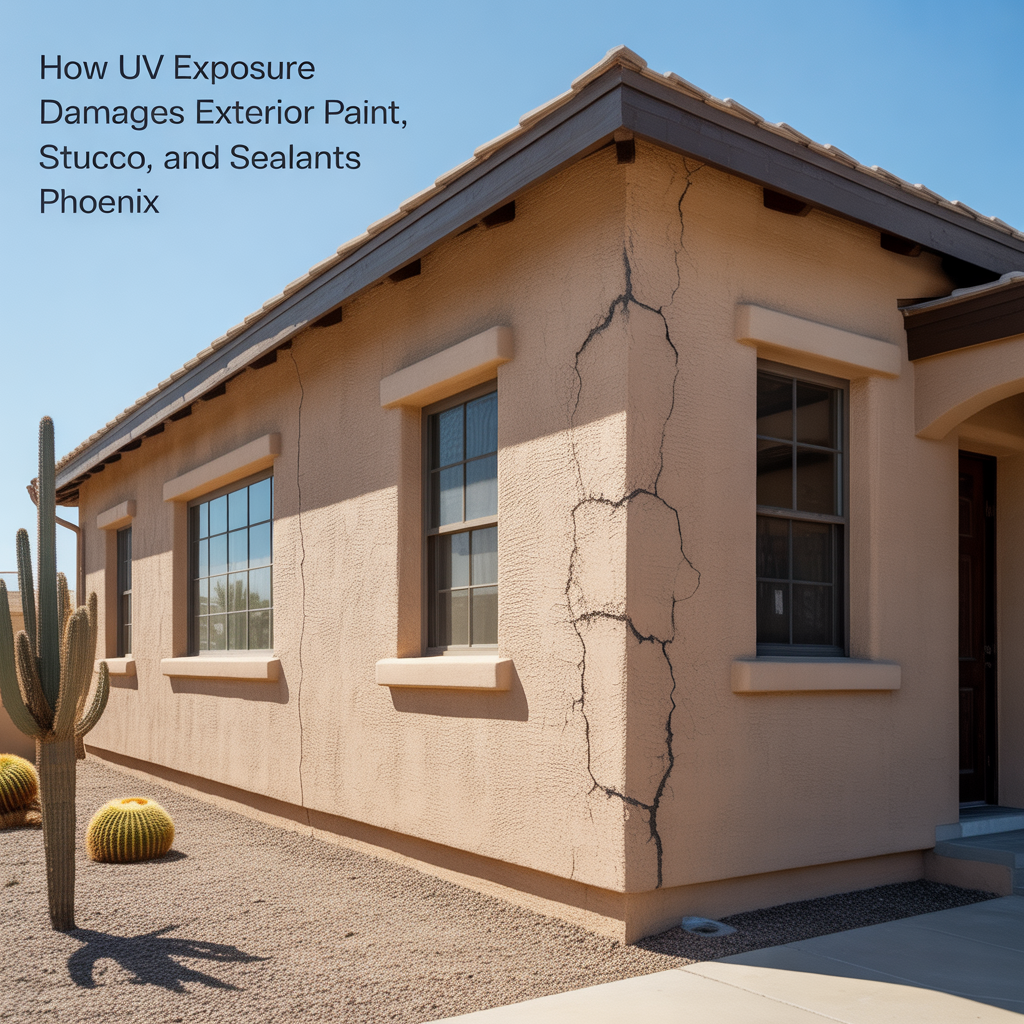
How UV Exposure Damages Exterior Paint, Stucco, and Sealants
-

How Extreme Heat Shortens the Lifespan of Home Systems
-

Why Phoenix Roofs Wear Out Faster Than Many Other Cities
-
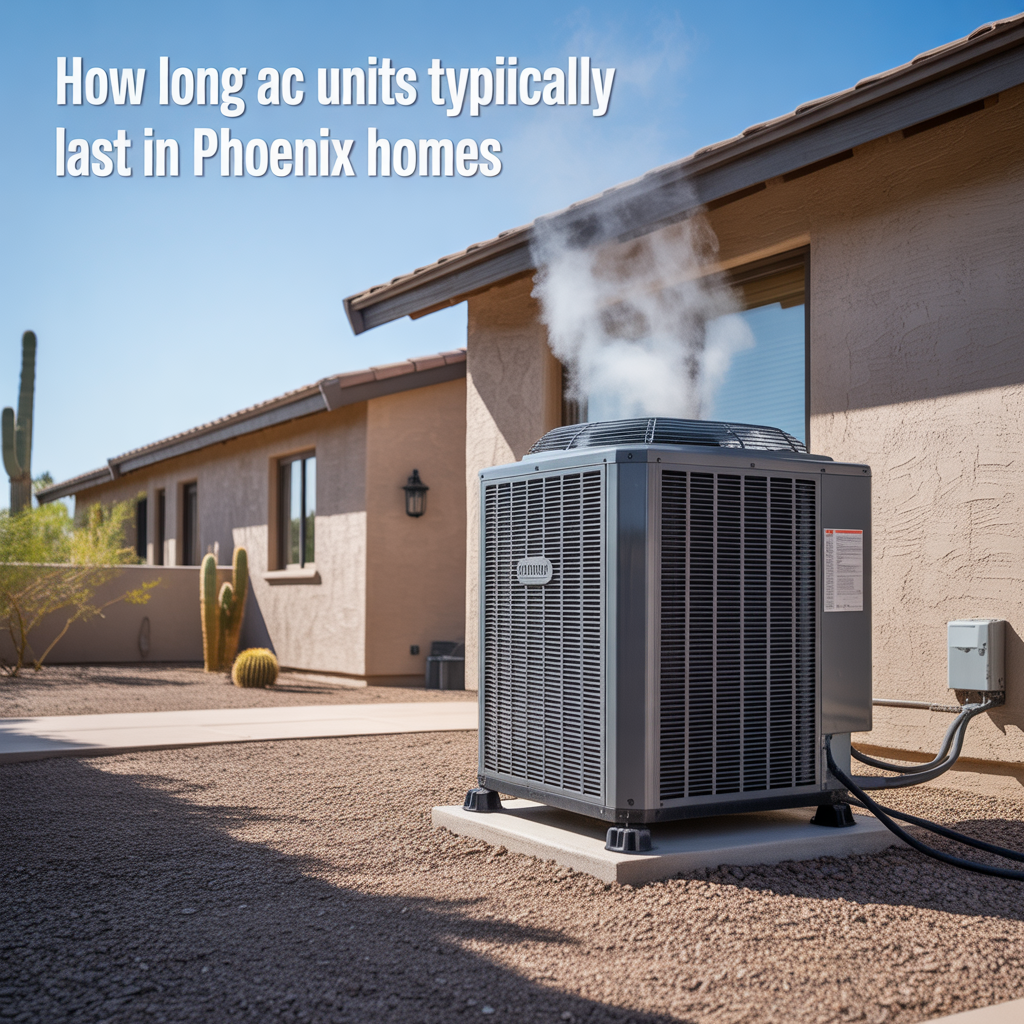
How Long AC Units Typically Last in Phoenix Homes
-

Building a Long-Term Protection Strategy
-
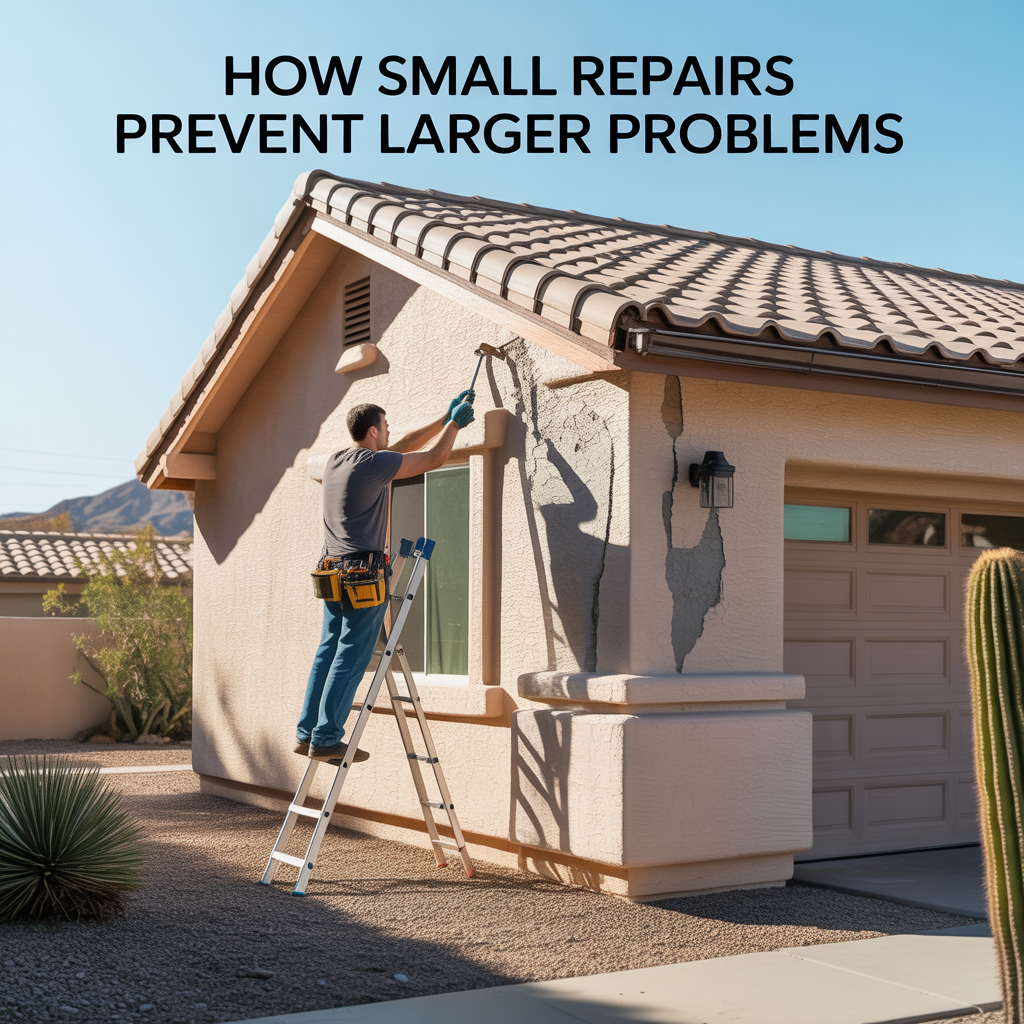
How Small Repairs Prevent Larger Problems
-

Protecting Older Phoenix Homes
-

Warning Signs of Hidden Home Risks
-

Preventative Maintenance That Reduces Insurance Claims
-

Reducing Liability Exposure Around Your Property
-

Liability Coverage Limits Explained
-

When Umbrella Insurance Makes Sense
-

Protecting Yourself From Guest Injury Claims