



Buyer Fears→ [Buyer Fears] & For more info on other fears Phoenix Real Estate → [Phoenix Real Estate Fears Guide]
Written by: Renee Burke
Monsoon season in Phoenix is like nature’s stress test for your home. Those sudden walls of dust, howling winds, and heavy downpours from July through September expose weaknesses in roofs and drainage that might otherwise stay hidden until a buyer’s inspector comes knocking. As someone who’s walked countless sellers in Chandler, Scottsdale, and Gilbert through this exact scenario, I can tell you: using monsoon as your early warning system is one of the smartest moves you can make.
It gives you time to address issues on your terms, before they become negotiation leverage for buyers. Let’s look at the telltale signs to watch for—and how to act before listing season ramps up.
Why Monsoons Unmask Roof Vulnerabilities
Our Valley clay tile and asphalt shingle roofs handle 110-degree heat year-round, but monsoons deliver the real punishment: micro-bursts up to 70 mph, hail, and inches of rain in hours. What survives one storm often hides damage that accelerates failure.
Inspect after every big event, ideally from the ground or attic, to spot issues early. A professional roof check post-monsoon—around $200–$400—can confirm findings and document fixes for your seller’s disclosure.
Common Roof Red Flags Monsoon Reveals
Heavy rain and wind lift subtle problems to the surface. Here’s what to check:
- Cracked or slipped tiles. Hail or debris creates hairline fractures in clay tiles; wind loosens them along ridges. Look for misalignment or shards in gutters.
- Granule loss on shingles. Asphalt roofs shed protective granules into downspouts after pounding rain—bare spots mean UV vulnerability.
- Lifted seals or flashing dents. Winds break shingle adhesive; hail dings metal around vents, chimneys, or skylights, creating leak paths.
- Debris buildup and ponding. Leaves, dust balls, or branches clog valleys, causing standing water that rots underlayment.
- Interior clues. Water stains on ceilings, musty attic smells, or bubbling insulation signal seepage—check after the first storm dries out.
These aren’t always visible pre-monsoon but scream “fix me” afterward.
Drainage Issues That Monsoon Exposes
Poor grading and clogged systems turn yards into ponds, stressing foundations and stucco. Monsoon runoff reveals:
- Pooled water near slabs. If it lingers near the house more than 24 hours, soil saturation threatens settling cracks.
- Overflowing gutters/downspouts. Debris-packed channels spill water onto fascia, rotting wood or eroding soil.
- Eroded landscaping. Washed-out gravel or mulch exposes poor slopes—aim for 5% away from walls.
- Soggy patios or pool surrounds. Flat spots collect water, accelerating paver shifts or coping cracks.
Phoenix’s caliche-heavy clay holds moisture, amplifying small grading flaws into big inspection notes.
Step-by-Step Post-Monsoon Prep Checklist
Turn revelation into resolution with this timeline:
- Immediate (next dry day): Walk the perimeter. Clear gutters, photograph damage, check attic/ceilings for moisture.
- Week 1: Hire a roofer for a full scan—tiles, flashing, drainage. Get a written report.
- Week 2–4: Prioritize fixes. Seal cracks ($300–$800), reset tiles ($500–$2,000), regrade yard ($1,000–$3,000).
- Pre-listing: Update disclosures with before/after photos, invoices. Market as “post-monsoon certified.”
Budget $1,500–$5,000 for most homes; it prevents $10,000+ buyer credits.
When to Escalate: Red Flags Needing Pros Now
Don’t DIY everything—call specialists if you spot:
- Sagging rooflines (decking rot).
- Rust on flashing or exposed nails.
- Multiple interior stains (widespread leaks).
- Foundation cracks widening post-rain.
In our market, monsoon damage claims spike insurance rates—fix first to keep premiums steady.
Benefits for Sellers: Head Off Buyer Objections
Buyers in Peoria or Queen Creek pore over inspections for roof age and drainage, especially with new builds offering warranties. By acting post-monsoon:
- Strengthen pricing—no lowballs over “potential leaks.”
- Speed closings—fewer renegotiations.
- Boost appeal—”monsoon-ready” listings shine in MLS.
I’ve seen homes sell 15 days faster with this prep.
Roof and Drainage Risk Comparison
The Valley Seller’s Monsoon Mindset
Monsoon isn’t just weather—it’s your free audit. Embrace it to sidestep surprises, proving your home’s built for desert life.
If you’re in Eastmark, Ahwatukee, or anywhere across Phoenix and want eyes on your roof or drainage before the next storm—or after—reach out. I’ve guided families through fixes that made all the difference at closing.
If you’re thinking about making a move in Phoenix, you don’t have to figure it out alone. Let’s connect, and I’ll help you turn seasonal challenges into selling strengths with the calm, local know-how you can trust.
Get the full Phoenix Market Insights → [Market Insights]


-
Cost of Living in Rhode Island: Housing, Taxes, Utilities, and Everyday Expenses
-

What If My Commute Becomes Worse Than Expected?
-

How Aging Home Systems Affect Property Value
-

Energy Efficiency Upgrades for Phoenix Homes
-
How to Plan for Major Home System Replacements
-

When Phoenix Homeowners Should Replace Water Heaters
-

Repair vs Replace Decisions for Phoenix HVAC Systems
-
Creating a Long-Term Home Maintenance Plan
-

How Often Phoenix Homes Should Be Professionally Inspected
-
Early Warning Signs of Major Home System Failures
-

How Preventative Maintenance Protects Phoenix Property Value
-

The Best Annual Home Maintenance Plan for Phoenix Homes
-

Electrical Safety Inspections for Older Phoenix Homes
-

Why Whole-Home Surge Protection Matters in Arizona
-

Preparing a Phoenix Home for Electric Vehicle Charging
-

Signs Your Home’s Electrical System Is Overloaded
-
When Phoenix Homes Need Electrical Panel Upgrades
-

Water Pressure Problems in Phoenix Homes Explained
-

Preventing Irrigation Leaks That Waste Water in Desert Landscapes
-

Signs of Hidden Plumbing Leaks in Phoenix Houses
-

How Long Water Heaters Last in Arizona Homes
-

How Hard Water Affects Plumbing Systems in Phoenix Homes
-

Preventing Water Damage in Phoenix Homes During Storms
-

Roof Maintenance Tips Before Phoenix Monsoon Season
-
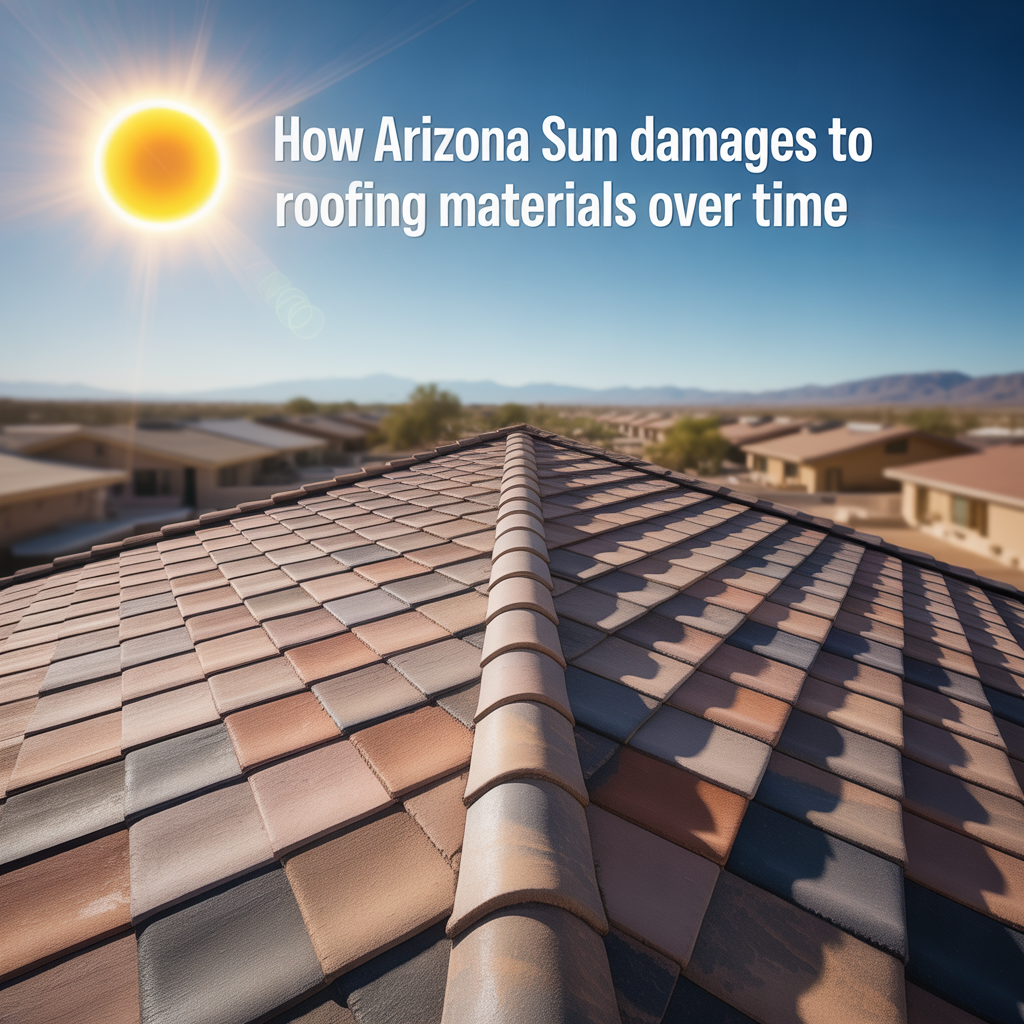
How Arizona Sun Damages Roofing Materials Over Time