



Buyer Fears→ [Buyer Fears] & For more info on other fears Phoenix Real Estate → [Phoenix Real Estate Fears Guide]
Written by: Renee Burke
Phoenix home inspections can feel like the moment of truth for sellers. You’ve poured heart into your property in neighborhoods like Gilbert or Scottsdale, but buyers still want reassurance that it’s solid under our relentless sun and shifting soils. As someone who’s prepped dozens of Valley homes for this step, I can tell you most findings aren’t deal-breakers—they’re just the realities of desert living.
The key is preparation: a little foresight turns potential hiccups into smooth negotiations. Let’s break down the most frequent issues I see, drawn from years of local reports, and how to get ahead of them.
Roof and Attic Issues Top the List
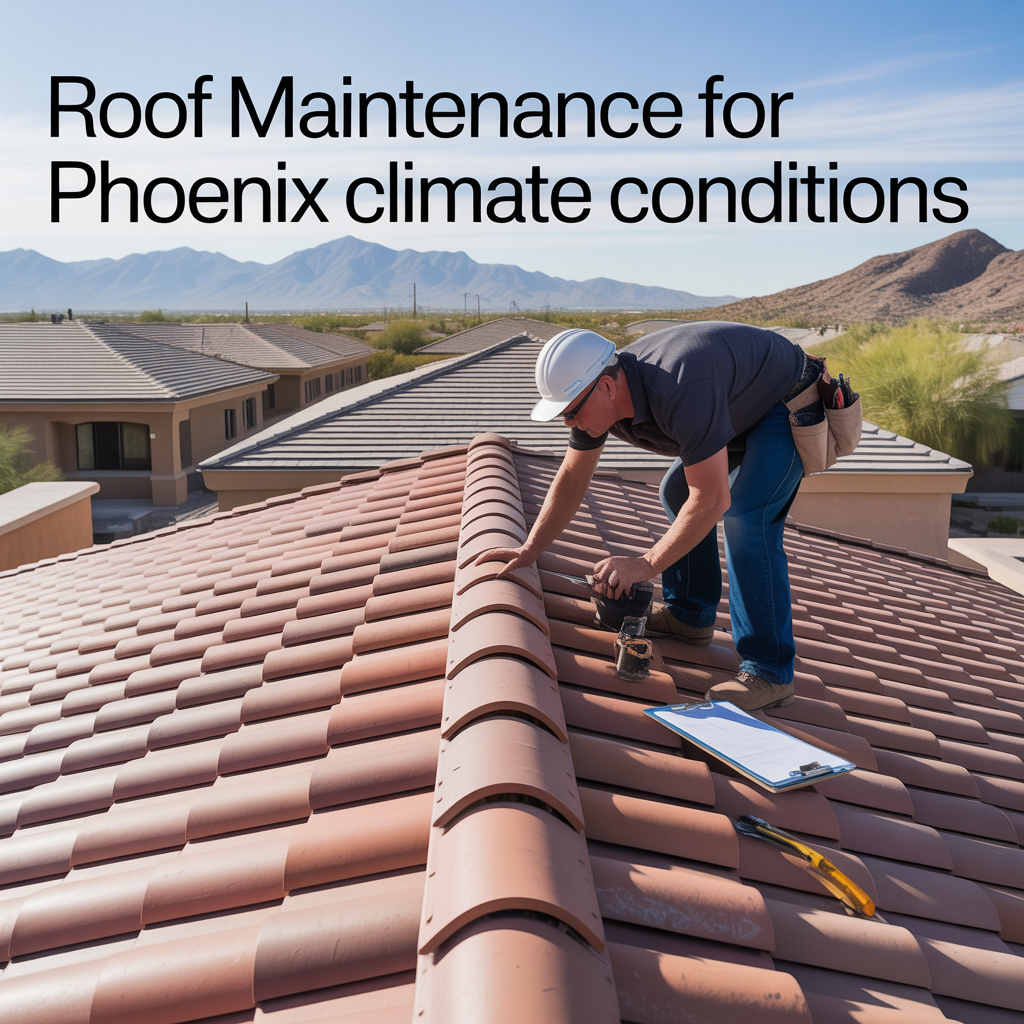
Roof problems lead nearly every Phoenix inspection. Our clay tile roofs crack from thermal expansion, monsoons lift edges, and ridge caps loosen over time.
Inspectors often note cracked tiles, poor flashing around chimneys, or inadequate attic ventilation, which traps heat and shortens shingle life under the tiles.
Prep steps:
- Schedule a roof tune-up 4-6 weeks before listing—seal cracks, reset tiles, and add ventilation if needed.
- Document recent work with photos and receipts.
- Budget $500–$2,000 for minor fixes; it pays off in buyer confidence.
HVAC Systems Under the Microscope
Arizona’s extreme summers make HVAC a focal point. Units over 10-15 years old frequently show dirty coils, improper airflow, or failing capacitors—common in homes without annual service.
Inspectors flag “end-of-life” systems or poor temperature splits, worrying buyers about $10,000 replacements amid rising energy costs.
Prep steps:
- Get a professional tune-up and efficiency report.
- Replace filters and clean drains to show proactive care.
- If nearing 15 years, consider a pre-listing replacement credit—buyers appreciate the heads-up.
Plumbing Leaks and Water Heater Woes
Leaky faucets, corroded pipes under sinks, or slow bathroom drains pop up often, especially in older slab homes where accessing lines means big disruption. Water heaters show rust or missing pans, raising flood fears.
Phoenix’s hard water accelerates mineral buildup, turning minor drips into noted deficiencies.
Prep steps:
- Run water in every fixture; tighten or reseal as needed.
- Flush the water heater and install an expansion tank if absent.
- Test for softeners—scale is a silent killer here.
Electrical Panels and Outlets Raise Flags
Outdated 100-amp panels can’t handle modern loads like EVs or AC surges, while missing GFCIs in kitchens and baths violate code. Loose outlets or ungrounded lines signal safety risks.
Prep steps:
- Upgrade to 200-amp service if original ($2,000–$4,000).
- Add GFCI outlets everywhere wet—it’s a $200 fix that impresses.
- Have an electrician certify the panel.
Stucco, Foundation, and Drainage Concerns
Stucco cracks from soil settling or poor grading let monsoon water infiltrate walls. Foundation hairline cracks worry buyers about expansive clay soils in areas like Chandler. Poor yard drainage pools water near slabs.
Prep steps:
- Caulk exterior cracks wider than 1/8-inch.
- Regrade soil to slope away from the house (2% minimum).
- Get a structural engineer’s note for peace of mind.
Pest and Termite Trails in Garages
Even in our dry heat, termites thrive in moist garages or foundations. Mud tubes or wood damage are red flags, prompting wood-destroying organism reports.
Prep steps:
- Schedule a termite inspection and treatment ($300–$600).
- Clear garage clutter for easy access.
- Bond the property for buyer security.
Insulation, Windows, and Minor Wear
Attics lack sufficient blown-in insulation (R-38 minimum here), driving up bills. Cracked window seals fog views, and cosmetic wear like peeling fascia adds up.
Prep steps:
- Top off attic insulation and add baffles.
- Caulk window perimeters and replace foggy panes.
- Power-wash and touch-up exteriors.
Common Findings and Prep Table
| Finding | Frequency | Typical Cost to Fix | Prep Priority |
|---|---|---|---|
| Roof cracks/tiles | High | $500–$5,000 | High |
| HVAC service needed | High | $200–$10,000 | High |
| Plumbing leaks | Medium | $100–$2,000 | Medium |
| Electrical upgrades | Medium | $200–$4,000 | High |
| Stucco/drainage | Medium | $300–$3,000 | Medium |
| Termites | Low | $300–$1,500 | Medium |
| Insulation gaps | Low | $500–$1,500 | Low |
The Seller’s Proactive Playbook
Start with a pre-listing inspection—it’s your secret weapon. For $400–$600, uncover issues early and fix them on your timeline, not a buyer’s.
Present a “seller’s disclosure” binder with service records, warranties, and recent upgrades. It shifts the narrative from “what’s wrong” to “here’s what’s right.”
In Phoenix, where heat and dust test every home, transparency builds trust faster than perfection.
Why Preparation Pays Off in the Valley
Buyers here aren’t hunting perfection—they want reliability for family life, barbecues, and surviving July. Address these findings upfront, and your home stands out in a market full of new-construction alternatives.
Most negotiations hinge on inspection surprises; sidestep them, and you control the close.
If you’re prepping a home in Peoria, Mesa, or the Arcadia loop and want to know exactly what inspectors will flag—or how to turn reports into wins—you don’t have to navigate it alone. I’ve walked sellers through this process countless times, turning potential stalls into accepted offers.
If you’re thinking about making a move in Phoenix, let’s connect. I’ll review your property with the clear-eyed view that comes from deep Valley roots, so you step forward with full confidence.
Get the full Phoenix Market Insights → [Market Insights]


-

Pool Liability and Insurance in Phoenix
-

Protecting Outdoor Structures and Shade Systems
-

HVAC Failures and Insurance Coverage
-
Roof Maintenance for Phoenix Climate Conditions
-

Preventing Water Damage in Desert Landscapes
-

How Monsoon Storms Affect Phoenix Homes
-

Why Policy Structure Matters More Than Premium
-

Understanding Coverage Limits and Exclusions
-

What Personal Property Coverage Actually Includes
-

How Liability Coverage Protects Homeowners
-

Replacement Cost vs Market Value in Phoenix Insurance
-

Understanding Deductibles Before You Need Them
-

How Renovations Affect Insurance Coverage
-

When to Review Your Home Insurance Policy
-

Why Replacement Cost Matters in Phoenix Insurance Policies
-

When a House Truly Starts to Feel Like Home
-

How Phoenix Neighborhood Living Builds a Sense of Belonging
-

Why Stability Plays a Major Role in Long-Term Home Satisfaction
-

How Familiarity Changes the Experience of Living in a Home
-

Renovate or Move? Deciding What to Do When Your Phoenix Home No Longer Fits
-

How Lifestyle Changes Affect Space Needs in Phoenix Homes
-
Why Some Phoenix Homes Begin to Feel Too Large After Children Move Out
-

When Homeowners Begin Considering Moving to a Larger Phoenix Home
-

Signs Your Phoenix Home Is Starting to Feel Too Small for Your Family
-

How Desert Landscaping Evolves Over Years of Phoenix Homeownership