


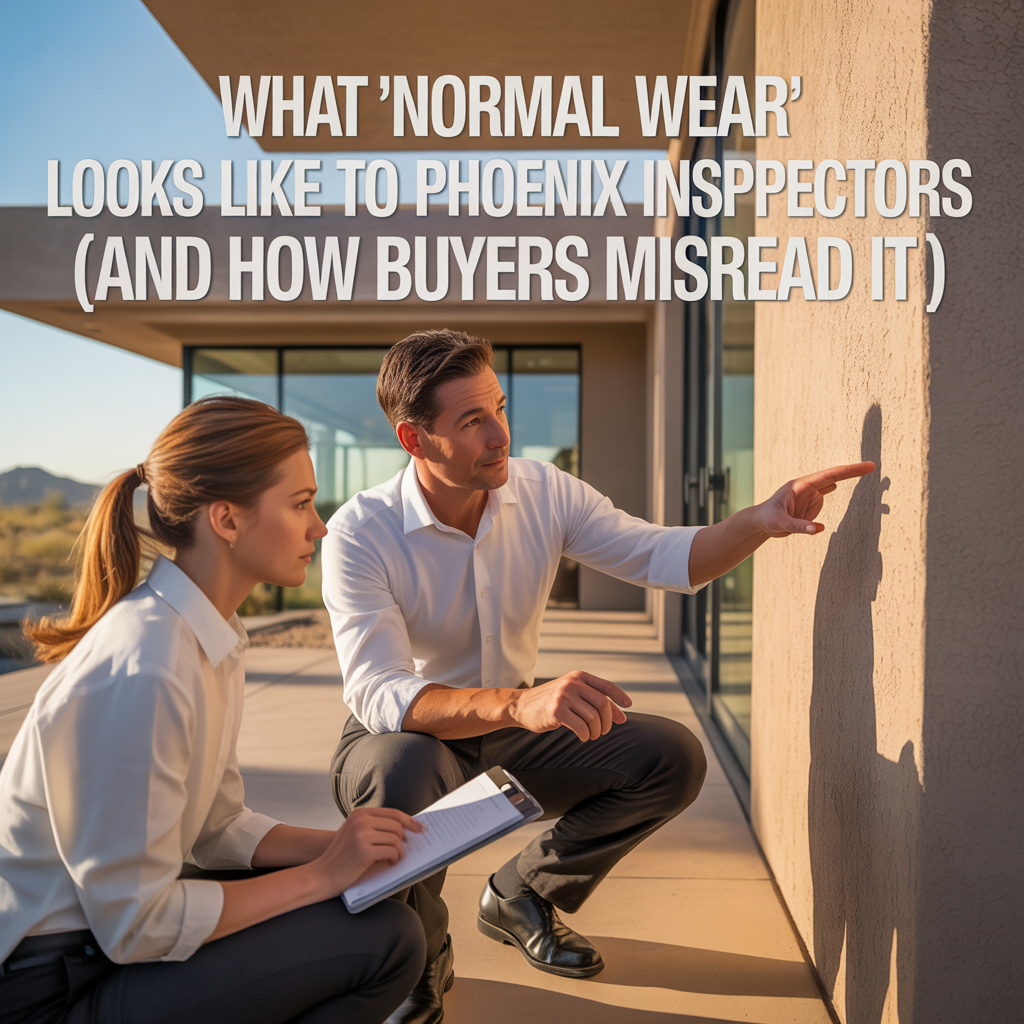
Buyer Fears→ [Buyer Fears] & For more info on other fears Phoenix Real Estate → [Phoenix Real Estate Fears Guide]
Written by: Renee Burke
You’ve just gotten that home inspection report back, and your heart sinks a little. Pages of notes on cracked stucco, faded pool plaster, or a roof with weathered granules—it can feel like a laundry list of disasters. But here in the Phoenix metro area, what looks alarming to an out-of-town buyer is often just the gentle patina of desert living to a seasoned inspector.
I’ve walked hundreds of clients through these moments, from Scottsdale estates to Chandler family homes, and the pattern is always the same. Inspectors here don’t sugarcoat, but they also don’t equate everyday wear with defects. Let’s unpack what “normal wear” truly means in our Valley context, so you can read between the lines with confidence.
Why Phoenix Wear Looks Different
Our homes endure a unique cocktail of extremes: blistering 115-degree summers, bone-dry air, monsoon microbursts, and relentless UV rays. Materials age faster on the surface but hold up structurally when cared for. Inspectors know this intimately—they’ve crawled attics in July and peered under sinks after winter rains.
What buyers often misread as “problems” are simply hallmarks of Arizona resilience. A little sun-faded paint isn’t neglect; it’s the price of facing south in Arcadia. Dusty AC coils? Expected when our units run 10 months a year. Local inspectors flag these as observations, not urgencies, because they understand how our homes are built to last.
Cracks: The Desert’s Signature
If there’s one item that sends buyers into panic mode, it’s cracks—on foundations, walls, stucco, or driveways. In Phoenix, hairline fissures are as common as saguaros.
Our expansive clay soils shift with heat and scarce moisture, creating superficial cracks that don’t threaten stability. Inspectors note them under “normal wear” unless they’re wide (over 1/4 inch), diagonal, or paired with sticking doors. Buyers misread them as structural doom because they don’t account for our settling patterns—unlike wetter climates where cracks signal water damage.
In neighborhoods like Ahwatukee or Peoria, a 20-year-old block wall with minor settling cracks is textbook. I advise clients: measure them, monitor seasonally, and only worry if they grow.
Roof Realities in the Valley
Phoenix roofs take a beating from hail-like monsoons and solar bake-offs. Granule loss on asphalt shingles, faded coatings on tile, or softened tar seals? Normal after 10-15 years.
Inspectors check for function—does it keep water out?—not perfection. Buyers often freak over “worn” granules, picturing imminent leaks, but our low pitch and foam roofs shrug off cosmetic wear better than most. In East Valley tracts, a recoat every few years is routine maintenance, not a red flag. Misreading this can lead to over-negotiating, souring deals unnecessarily.
HVAC and Cooling Systems
No Phoenix inspection skips the AC—it’s our lifeline. Inspectors flag dirty filters, corroded coils, or 10-year-old units as wear, not failure. Our systems cycle harder, so expect efficiency dips around year 8-12.
Buyers from milder spots misinterpret age as obsolescence, demanding replacements. But a serviced Trane or Carrier humming along at 80% capacity? That’s solid Valley performance. Inspectors recommend tune-ups, not swaps, preserving your leverage if you’re selling.
Pools, Patios, and Outdoor Wear
With pools in half our backyards, faded plaster, calcium buildup, or cracked coping are everyday notes. Monsoon minerals and chlorine etch surfaces predictably—inspectors call it wear if the shell holds water and equipment runs.
Patio pavers heaving slightly? Soil movement from summer expansion. Buyers see “cracks” and imagine floods, overlooking how we design for drainage. In Gilbert’s master-planned communities, this is just character—refresh with a power wash, not a demo.
Interior Tells: Drywall, Fixtures, and Floors
Inside, sun-warped blinds, minor drywall scuffs from settling, or worn tile grout signal normal life. Phoenix humidity swings (20% to 60% in monsoon season) stress seams, creating faint lines inspectors note casually.
Faucet drips or creaky doors? Dry air shrinks seals—standard. Buyers equate this to poor upkeep, but locals know it’s fixable with $20 parts. In Mesa remodels, these are prepped for updates anyway, not deal-killers.
Windows, Doors, and Stucco Seals
Foam-filled stucco breathes with temperature, leading to micro-cracks at window edges. Inspectors spot worn caulk as wear, urging re-sealant every 5-7 years to fend off dust infiltration.
Buyers panic over “leaks,” but it’s rarely water—more like talcum-fine desert infiltration. Our dual-pane windows show seal fogging from heat cycles; normal unless pervasive. This is why pre-listing touch-ups shine in competitive spots like Paradise Valley.
The Misread Danger Zone
Buyers new to Phoenix misjudge because reports lack climate context. A 30-page packet feels like condemnation, but 80% is often wear: cosmetic (paint fade), environmental (soil cracks), or age-related (AC wear). They demand fixes on non-issues, eroding goodwill.
Inspectors use terms like “recommend monitoring” or “deferred maintenance” for these—cues to pause, not pounce. Sellers counter best by sharing service records, proving proactive care in our demanding environment.
How Inspectors Prioritize
Valley pros grade implicitly: Safety (wiring, GFCIs), Function (plumbing flow, roof integrity), then Wear (cosmetics). They’re not scaring you—they’re informing for informed decisions.
In my experience, reports from certified locals like those in the Arizona Chapter of InterNACHI balance thoroughness with realism. They know a Mesa mid-century with patina isn’t defective; it’s authentic.
Empowering Buyers and Sellers
For buyers: Embrace some wear as Phoenix flavor—it means a home seasoned for our lifestyle. Get a contractor walkthrough for quotes, not knee-jerk demands.
Sellers: Address true wear pre-inspection—wash coils, re-caulk sinks. It frames the rest as normal.
This perspective turns reports from foes to friends, highlighting value over vanity.
Lifestyle Tie-In
Think of it like our sunsets—beautifully weathered, uniquely ours. Homes with honest wear invite personalization: refresh that pool for family swims, recoat the roof before next monsoon season. It’s not fixing flaws; it’s enhancing what works in our outdoor-centric life.
If you’re thinking about making a move in the Phoenix area—or if you’ve just opened that first inspection report and aren’t sure what it all means—you don’t have to figure it out alone. I’m here to help you interpret, plan, and move forward with confidence. Whether you’re in Scottsdale, Chandler, Glendale, or right here in Phoenix, let’s talk through your next step together—calmly, clearly, and with your best interests at heart.
Get the full Phoenix Market Insights → [Market Insights]


-

Signs Your Phoenix Roof Needs Inspection or Repair
-
How Long Tile Roofs and Roof Underlayment Last in Phoenix
-

How Smart Thermostats Improve Cooling Efficiency in Arizona Homes
-

Why AC Systems Struggle During Extreme Phoenix Heat Waves
-
How Long Air Conditioning Units Last in Phoenix Homes
-

Warning Signs Your Air Conditioner Is About to Fail
-

How Often Phoenix AC Systems Need Maintenance
-

How Irrigation System Leaks Damage Foundations and Landscaping
-
Preventing Roof Damage Before Arizona Monsoon Storms
-

Why AC Tune-Ups Are Critical for Phoenix Homes
-

What Homeowners Should Inspect Before Phoenix Summer Heat Arrives
-

Seasonal Home Maintenance Checklist for Phoenix Homeowners
-
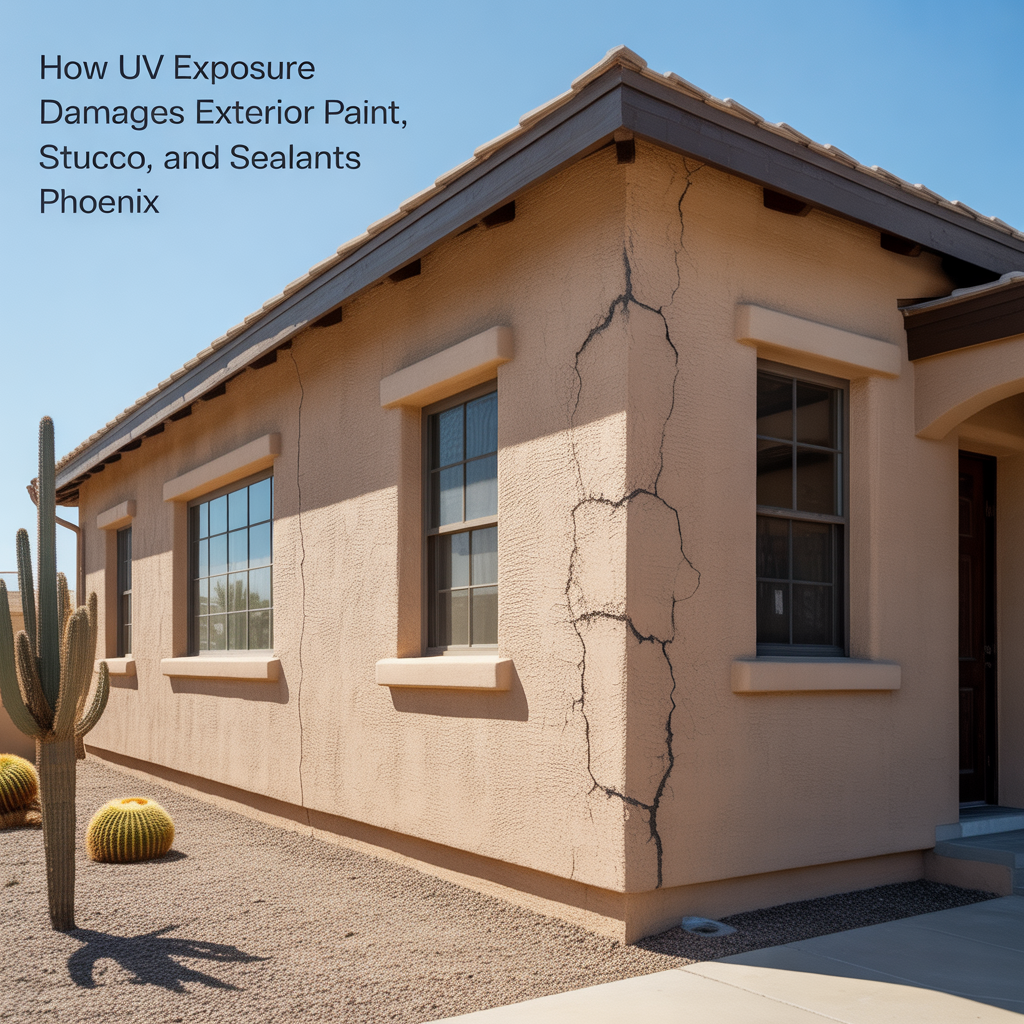
How UV Exposure Damages Exterior Paint, Stucco, and Sealants
-

How Extreme Heat Shortens the Lifespan of Home Systems
-

Why Phoenix Roofs Wear Out Faster Than Many Other Cities
-
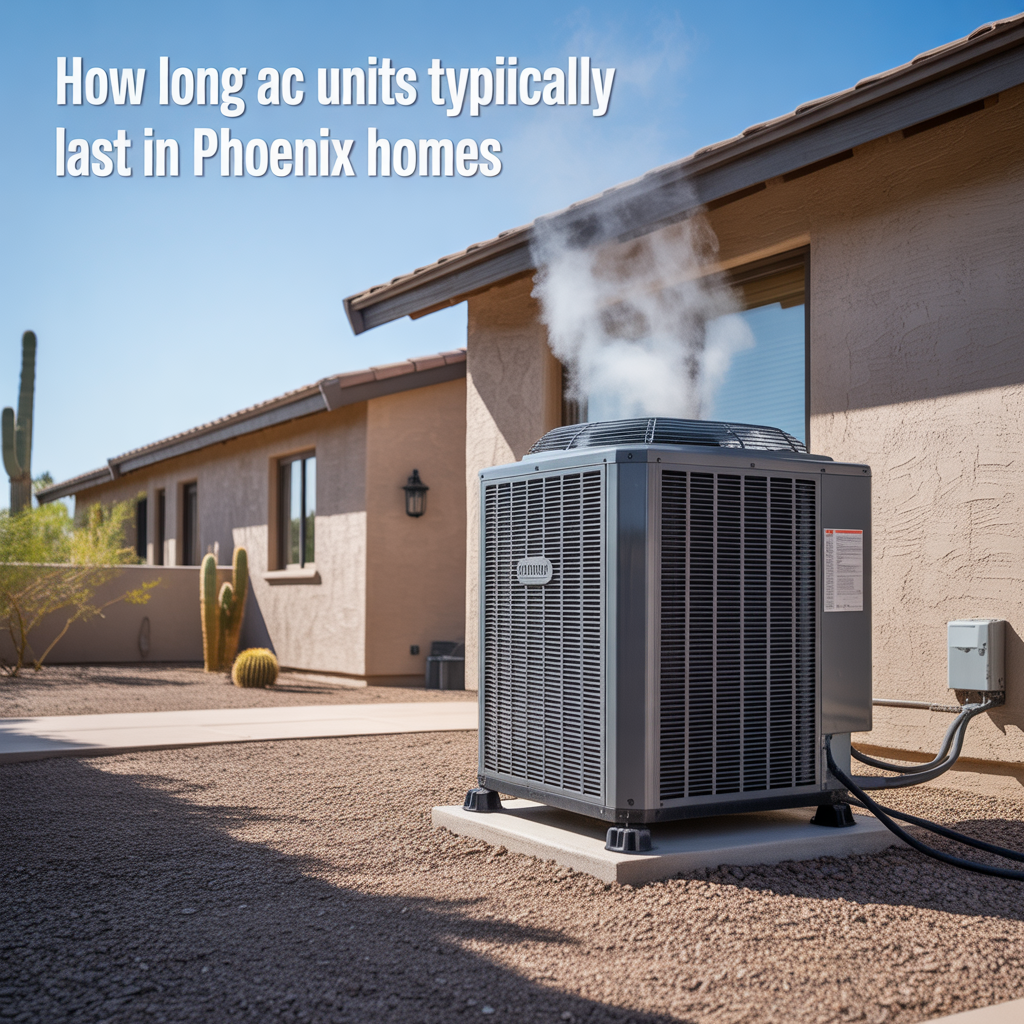
How Long AC Units Typically Last in Phoenix Homes
-

Building a Long-Term Protection Strategy
-
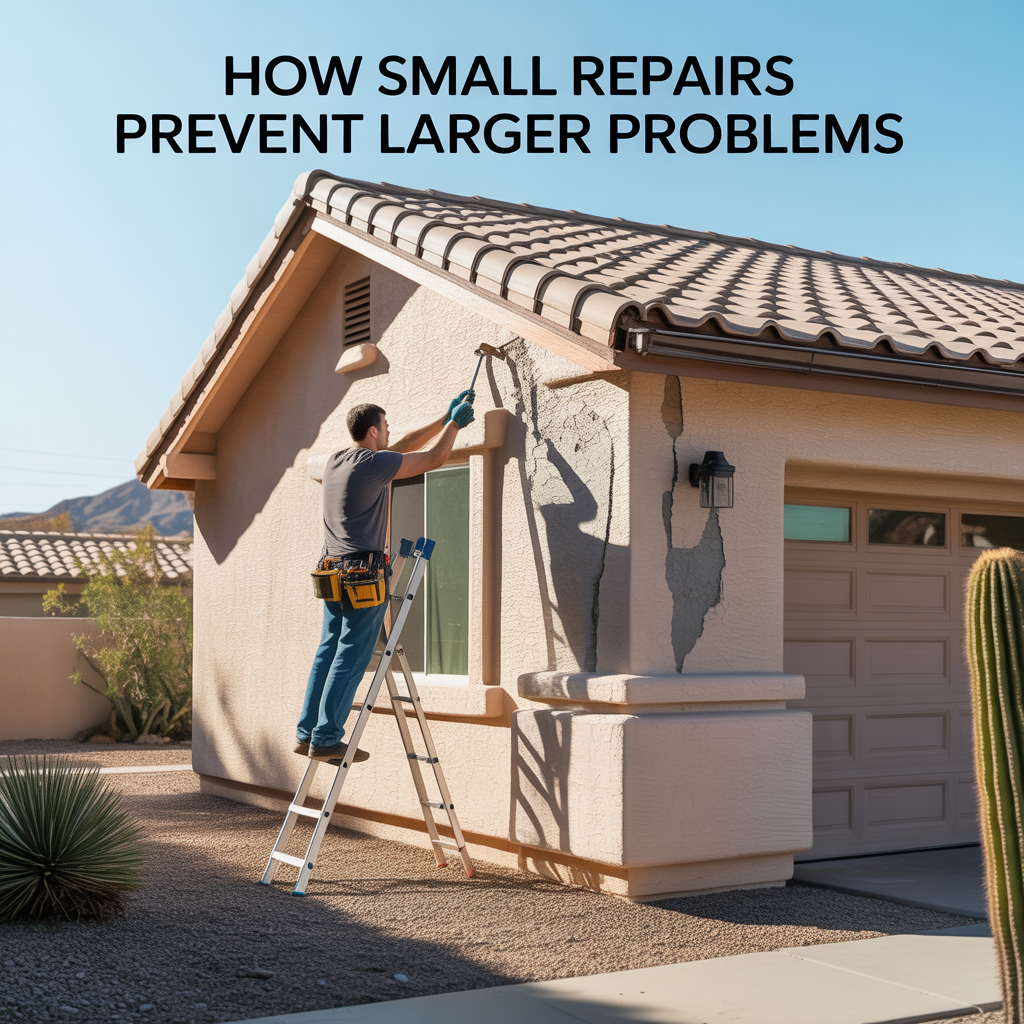
How Small Repairs Prevent Larger Problems
-

Protecting Older Phoenix Homes
-
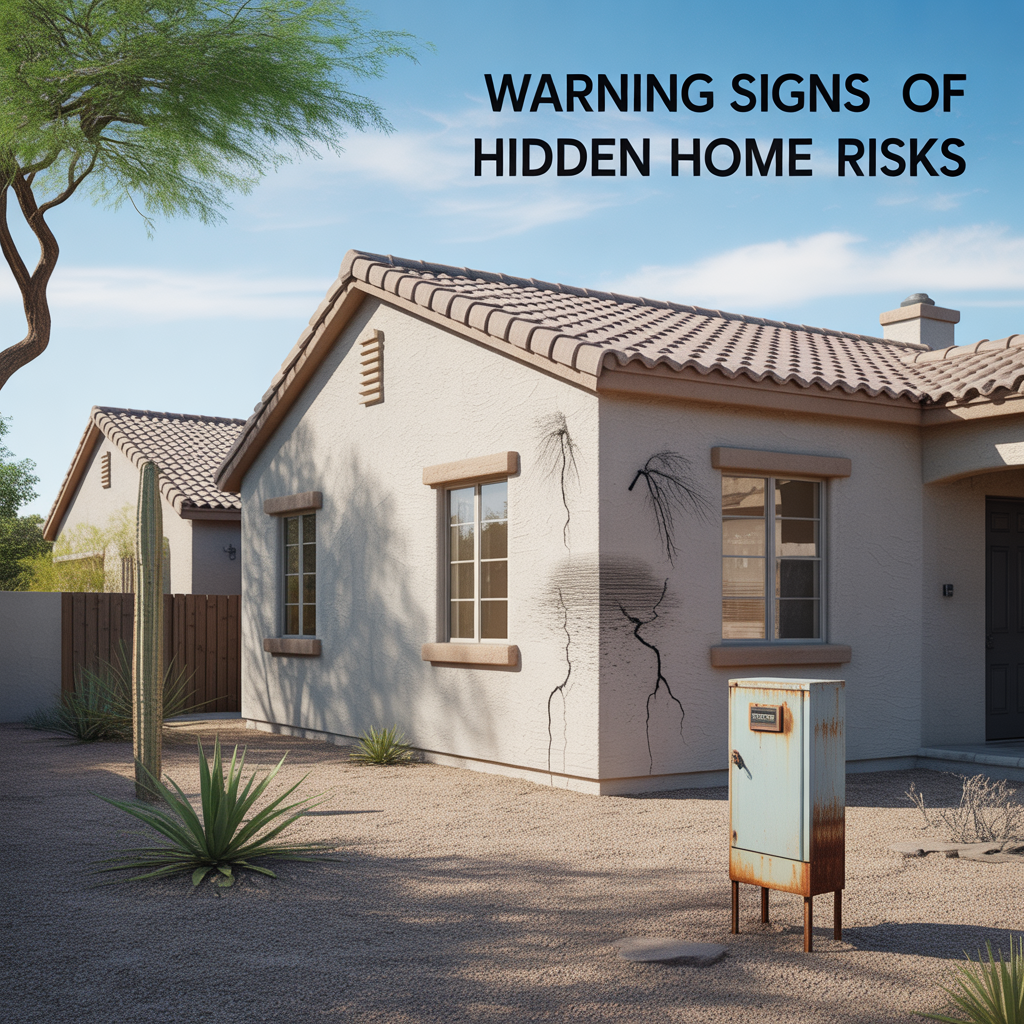
Warning Signs of Hidden Home Risks
-
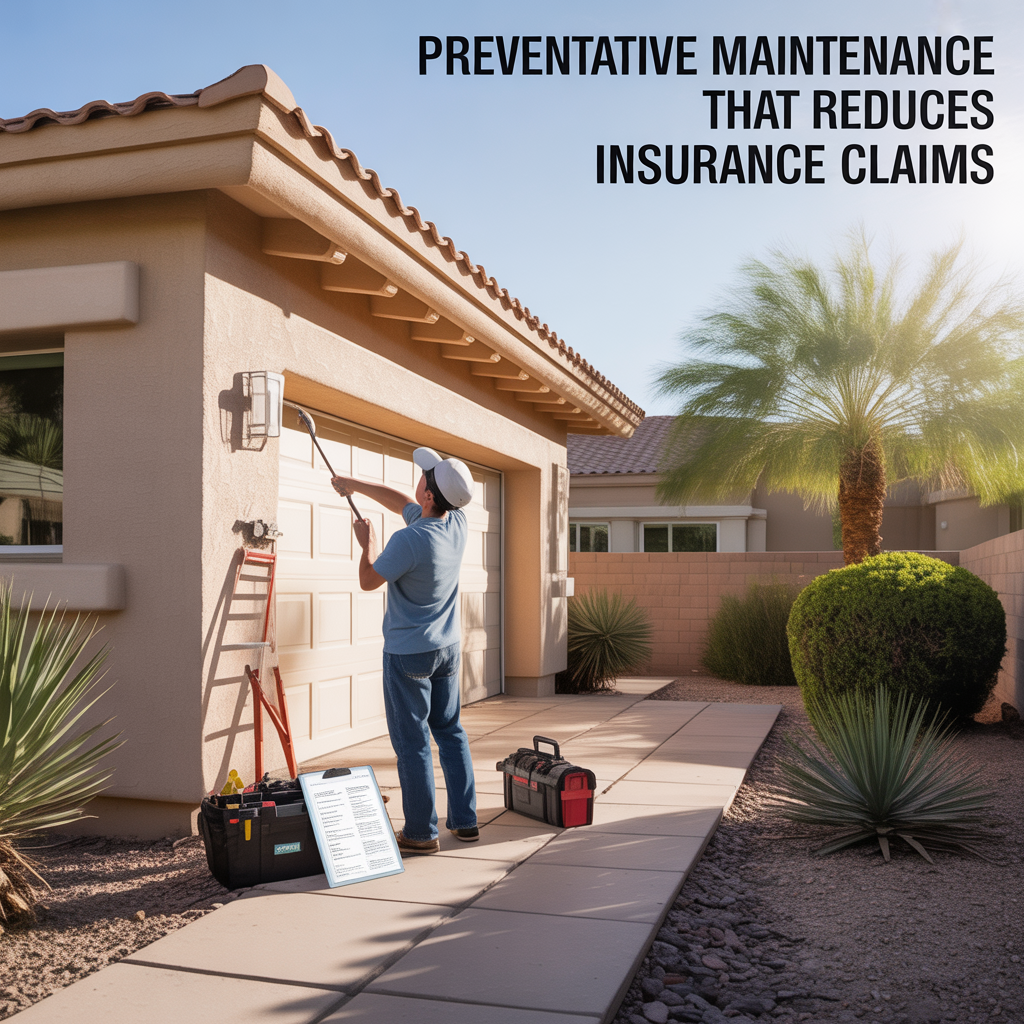
Preventative Maintenance That Reduces Insurance Claims
-

Reducing Liability Exposure Around Your Property
-

Liability Coverage Limits Explained
-

When Umbrella Insurance Makes Sense
-

Protecting Yourself From Guest Injury Claims