



This guide is part of our Current Real Estate Market Insights → [Current Real Estate Market Insights]
Written by: Renee Burke
Glendale Real Estate Market Update: Inventory Shifts
Glendale carries that quiet reliability we all lean on in uncertain times. As early 2026 unfolds, inventory levels across the Phoenix metro are easing upward, creating a more thoughtful pace in our market—one that feels familiar and workable for both buyers and sellers. Having guided families through these neighborhoods for years, from the shaded streets of Arrowhead to the electric hum around Westgate, I can sense the subtle optimism settling in.
You might be weighing your options right now, wondering if this rise in listings signals the right moment to act. It’s natural to feel that pull. Let’s look closely at how inventory is changing Valley-wide and what it means here in Glendale, weaving in the local lifestyle that makes these numbers feel personal.
Metro Inventory: Steady Climb to Balance
Phoenix metro active listings reached about 18,900 by January 2026, up roughly 12% from last year but with a slight seasonal dip from December. We’re approaching 3.5 to 4 months of supply overall—a balanced shift from the tight 1-2 months that dominated recent years.
This gradual build comes from life’s natural moves: retirees listing near Thunderbird Park, professionals relocating near Luke Air Force Base, and families adjusting post-holidays. Days on market stretch to 60-70 Valley-wide, giving buyers time to weigh schools, commutes, and backyards without the old rush.
Glendale aligns closely, with around 2.8 months of supply for single-family homes—enough choice to negotiate calmly, yet demand holds from our steady job base.
Glendale’s Neighborhood Nuances
Inventory isn’t uniform in Glendale; it reflects our diverse pockets.
- Arrowhead Ranch and North: Near 3 months. Golf-adjacent ranches in the $500K-$700K range turn steadily, tied to Peoria schools and Promenade conveniences.
- Westgate District: Tighter at 2.5 months. Townhomes near Gila River Arena and State Farm Stadium appeal to sports fans and young buyers.
- Southwest Glendale: 3.4 months. Starters under $450K by Glendale Community College draw first-timers amid revitalization along Glendale Avenue.
This mix lets you match lifestyle—suburban peace or entertainment access—without Central Phoenix congestion.
Prices Holding Firm
Median prices in Glendale stay near $485,000, up 2.5-3% annually despite more supply. Local anchors like Banner Health and Honeywell keep families put, while snowbird listings add volume without price crashes.
Top-conditioned homes close in 35-45 days; others see 1-3% concessions after 60 days, fostering fair deals.
Lifestyle Enhanced by Choice
More listings highlight Glendale’s charm: Loop 101 commutes to Sky Harbor, Foothills Park trails, or pools for desert summers. Renters find $400K homes beating apartment costs, and contingent sales rise as confidence grows.
Builders like DR Horton offer rate buydowns on West builds, easing 6.5% rates.
Seller Insights
Stage for desert appeal—neutral tones, mountain views. Price to 90-day comps, pre-inspect for trust. List late winter for spring family moves synced to schools.
Buyer Advantages
Focus on essentials: guest rooms, efficient yards, low-HOA spots like Sierra Verde. Act before spring transplants tighten supply.
Forward View
Metro supply should stabilize at 3-4 months into spring, Glendale leaner on demand. Modest 3% appreciation ahead, bolstered by 59th Avenue projects. It’s steady, not flashy.
Glendale’s heart—historic downtown, Westgate vibe, neighborly feel—grounds these changes.
If you’re thinking about making a move in Glendale or the Phoenix metro, you don’t have to figure it out alone. Whether sorting inventory effects, assessing value, or planning ahead, I’m here as your steady guide—ready to listen and light the way.
Reach out when it feels right. Let’s shape your next step together.
Get the full Phoenix Market Insights → [Market Insights]


-

Shade Coverage and Tree Canopy Differences by Corridor
-

Summer Walkability Reality Near ASU and Mill Avenue
-

Choosing Proximity Based on Personality and Routine
-

How Tempe Town Lake Changes Social Routines
-
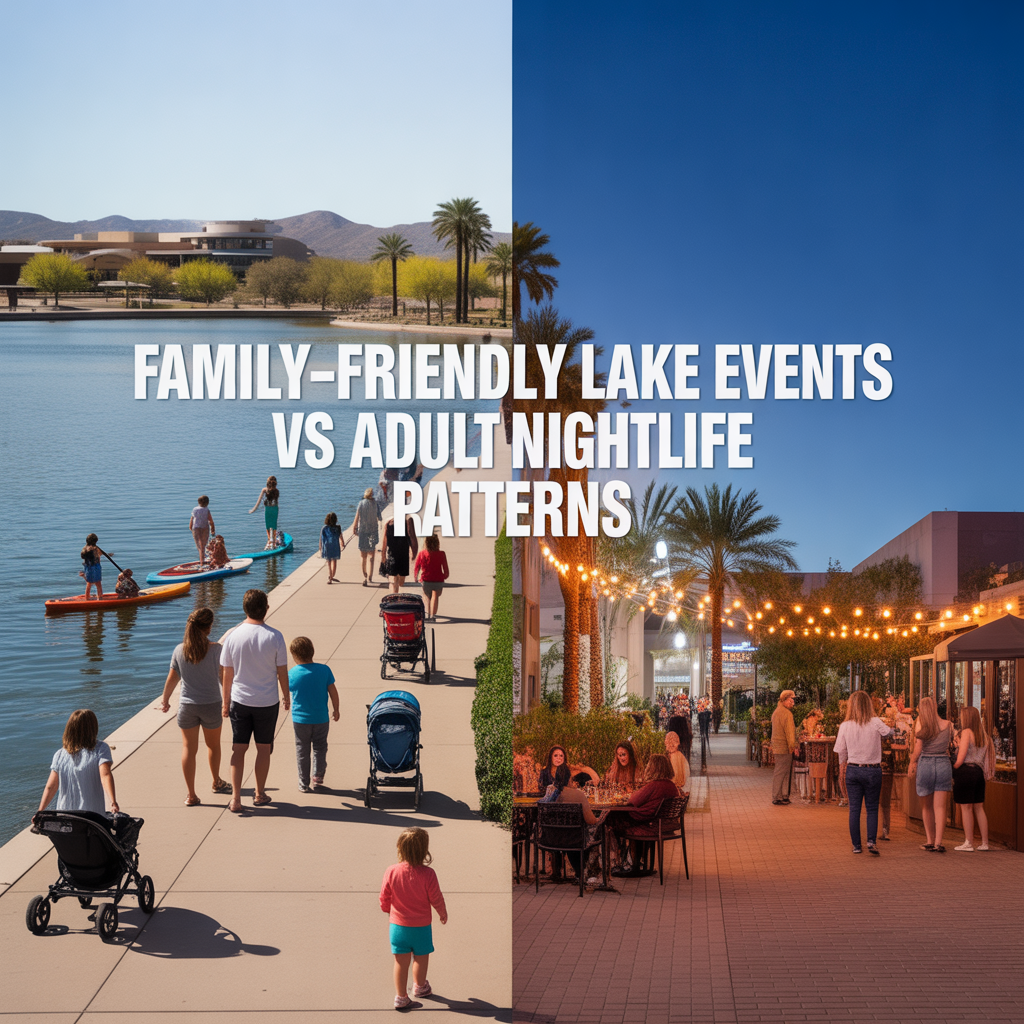
Family-Friendly Lake Events vs Adult Nightlife Patterns
-

Parking Structures and Rideshare Realities on Peak Nights
-
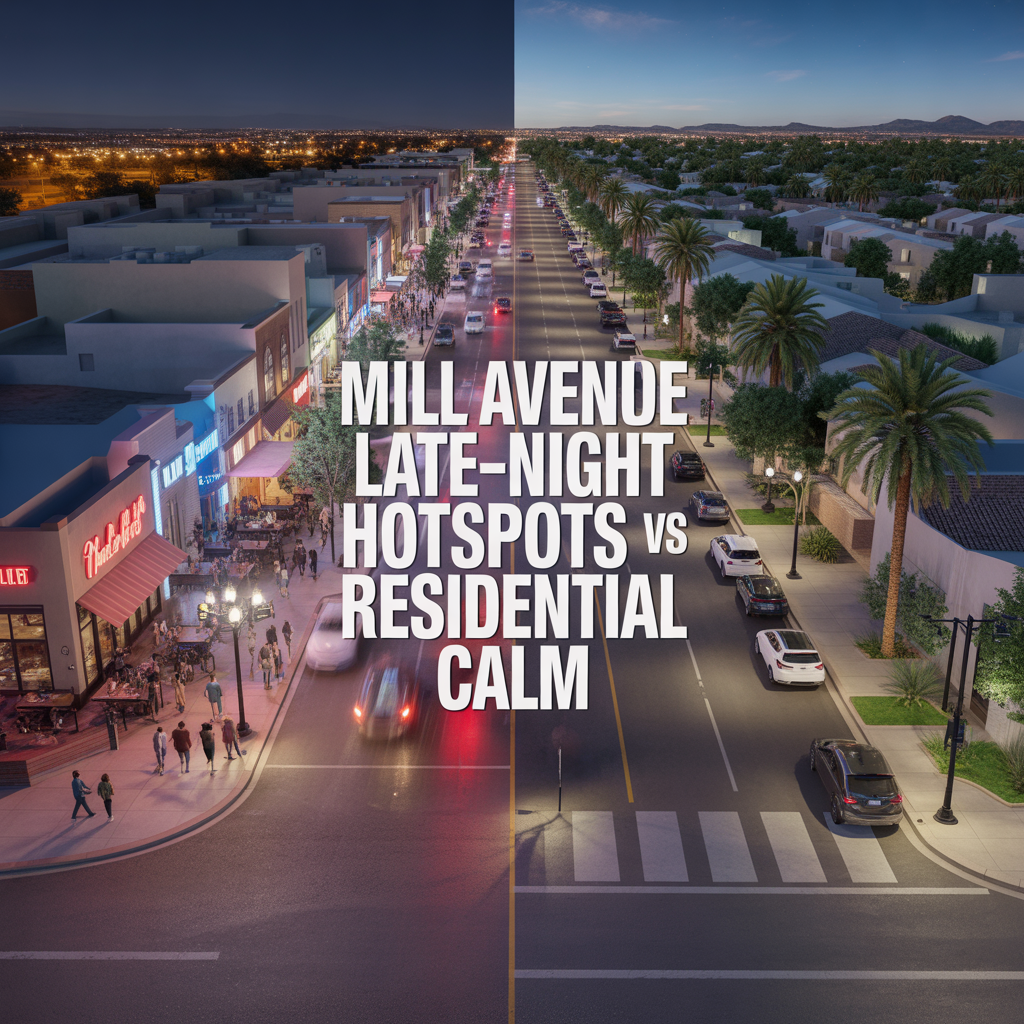
Mill Avenue Late-Night Hotspots vs Residential Calm
-

ASU Game Days and Event Calendar Impacts
-

Cross-Valley Trip Efficiency From Tempe
-

Micro-Mobility and Bike Utility by Corridor
-

Park-And-Ride, Game Day, and Event Access Patterns
-

Airport Timing Strategy Around ASU and Rush Hour Traffic
-

Light Rail Use Cases That Actually Improve Daily Life
-
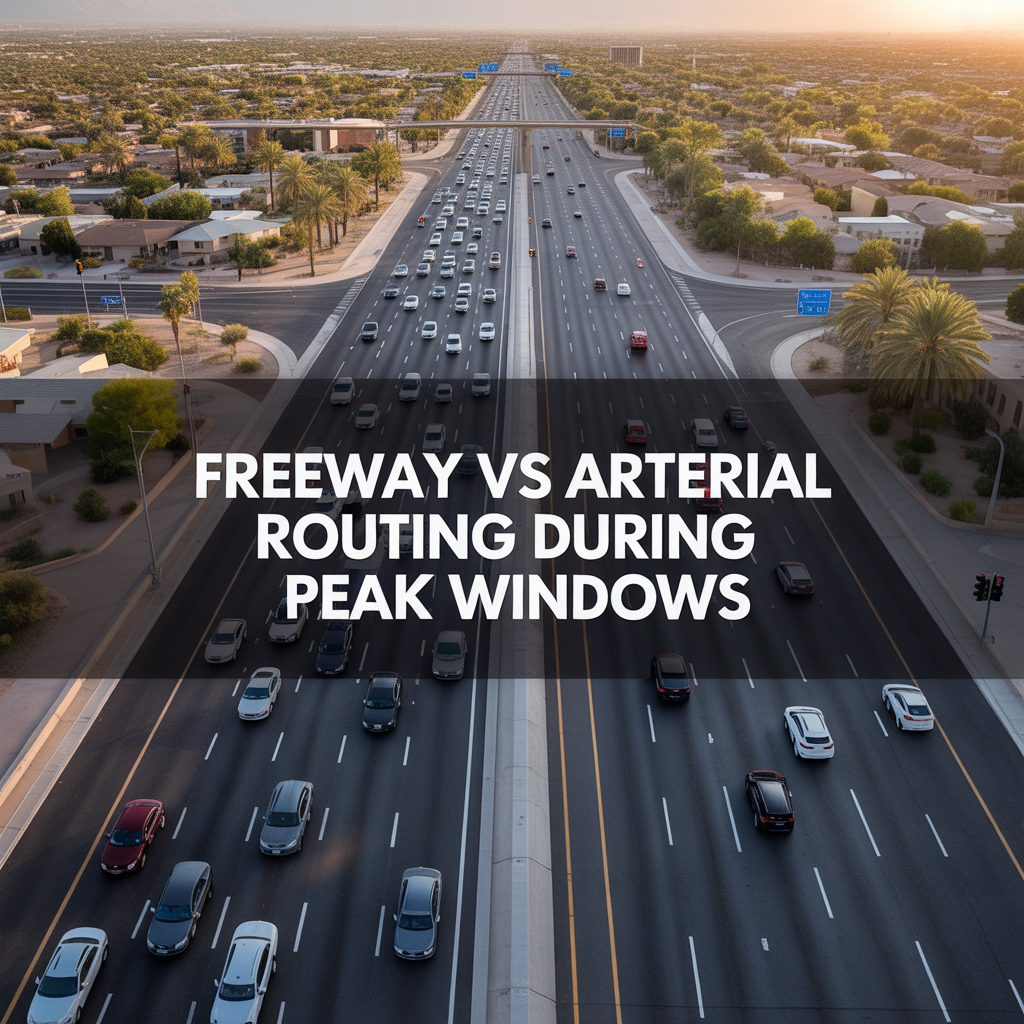
Freeway vs Arterial Routing During Peak Windows
-

Real-World Drive Times to Sky Harbor From Different Tempe Pockets
-

How Traffic and Commute Direction Affect Daily Life in North vs South Tempe
-

Bike Paths, Walkability, and Short-Distance Transportation in Tempe
-

Driving Access From Tempe to Phoenix Sky Harbor Airport
-

Light Rail Access Between Tempe, Downtown Phoenix, and Mesa
-

Major Tempe Arterial Roads Including Rural Road, McClintock Drive, and Baseline Road
-

ASU Traffic Patterns and Peak Congestion Near Campus
-

Typical Commute Times From Tempe to Phoenix, Scottsdale, and Chandler
-
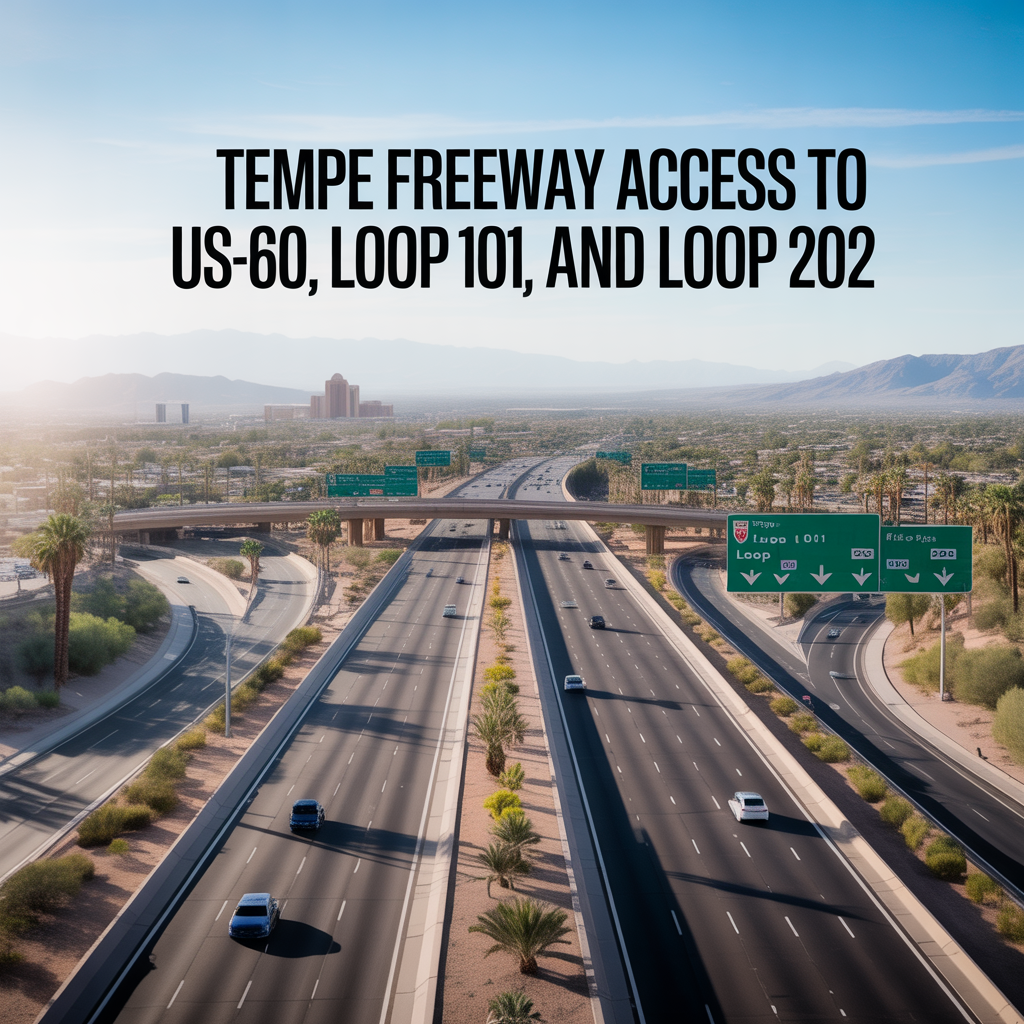
Tempe Freeway Access to US-60, Loop 101, and Loop 202
-

Shade, Tree Coverage, and Summer Outdoor Usability in Tempe
-

Outdoor Recreation Near Downtown Tempe and ASU