


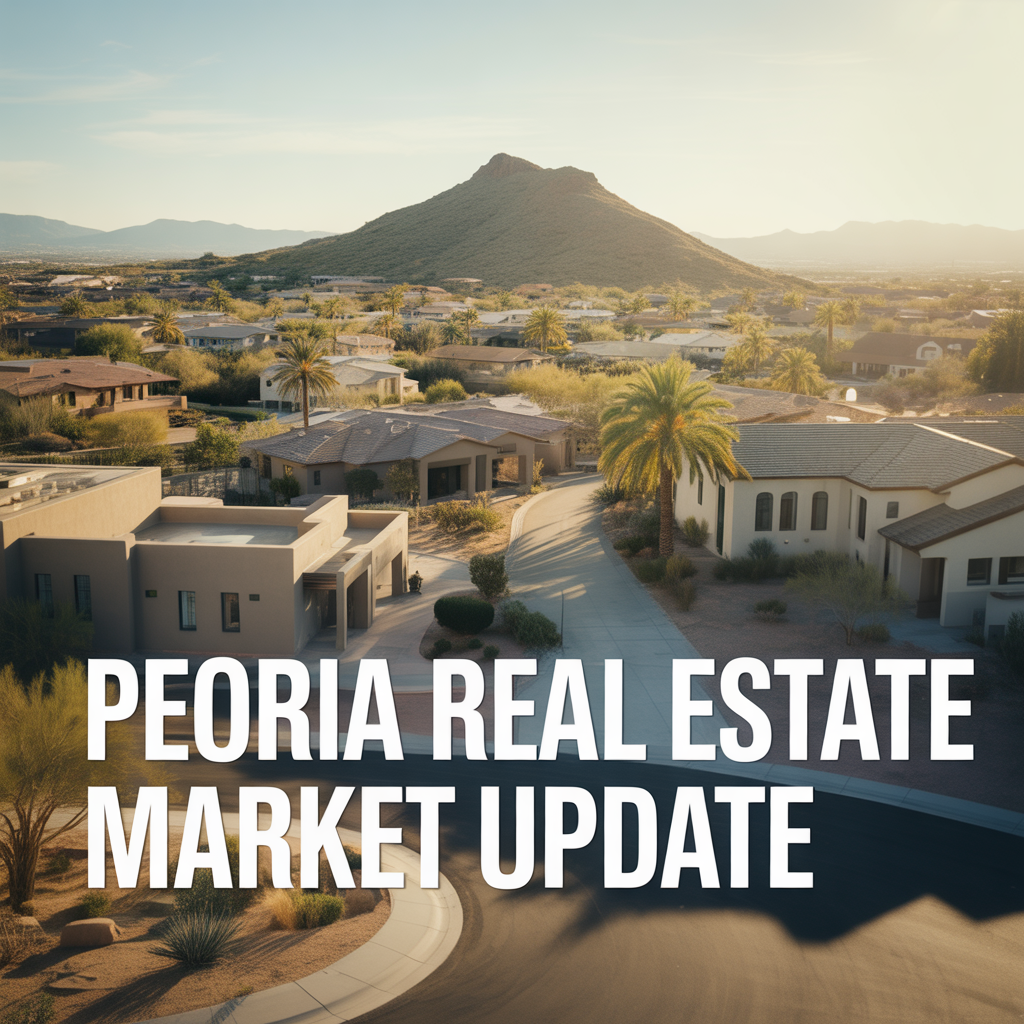
This guide is part of our Current Real Estate Market Insights → [Current Real Estate Market Insights]
Written by: Renee Burke
Peoria has always held a special place in the Phoenix metro landscape—a city that balances suburban serenity with big-city access, drawing families who want room to breathe and retirees seeking that perfect Arizona pace. Lately, if you’ve been watching listings or chatting with neighbors, you might sense the market settling into a steadier rhythm. Prices aren’t climbing at the breakneck speed of a few years back, but they’re holding firm, offering a sense of stability that feels reassuring after so much flux.
I’ve walked these streets and guided families through closings here for years, and what stands out now is Peoria’s quiet resilience. Homes are maintaining their value in a way that speaks to strong community foundations, not fleeting hype. Let’s unpack what price stability really looks like in Peoria today—and why it matters for anyone considering a move.
Price Stability: The New Steady Ground
Right now, Peoria’s median home prices hover around the high $500,000s to low $600,000s, depending on the neighborhood. That’s a gentle plateau after years of sharper increases. Unlike the rapid escalations we saw in 2021 and 2022, today’s market shows single-digit growth at most—perhaps 2-4% year-over-year—reflecting a healthy equilibrium.
This isn’t stagnation; it’s balance. Sellers are seeing solid returns on their equity without the wild swings, while buyers benefit from predictability. In a broader Valley context, Peoria remains a value standout: you get more square footage, upgraded features, and resort-style amenities for your dollar than in hotter spots like Scottsdale or North Phoenix.
What drives this? Steady job growth in healthcare at Banner Boswell and manufacturing along the 101 corridor, paired with Peoria’s appeal to active adults. Prices reflect real demand from people who plan to stay—not speculators chasing trends.
Neighborhood Spotlights: Where Stability Shines
Peoria’s micro-markets tell the full story, each with its own flavor of price resilience tied to lifestyle.
- Vistancia and Trilogy at Vistancia lead with premium stability. These 55+ and family master-planned havens boast median prices near $700,000, holding steady thanks to golf courses, hiking trails, and that palpable sense of community. Resales here rarely dip, as buyers prioritize the wellness-focused vibe.
- Westbrook Village mirrors this for active adults. Prices in the mid-$500,000s stay rock-solid, supported by the lakeside recreation and social clubs that keep owners rooted for decades.
- Fletcher Heights and Siena offer family-friendly anchors. Entry-level homes around $450,000-$550,000 maintain value through top-rated schools like Vistancia Elementary and proximity to the Peoria Sports Complex.
- North Canyon and Saguaro Hills appeal to growing families with prices in the $600,000s. Mountain views and larger lots ensure long-term appreciation, even as the market cools.
Across these areas, well-maintained homes priced realistically sell confidently, often at or near list. Overpriced listings test the stability but adjust without major losses—another sign of a mature market.
Why Prices Are Holding Strong
Let’s address the elephant in the room: higher interest rates. At around 6-7%, they’ve tempered buyer frenzy, giving everyone time to think clearly. But Peoria’s fundamentals—population influx from California transplants, limited new inventory, and low HOA turnover—keep values buoyed.
I hear the concern often: “Will prices drop if rates stay high?” Gently, no—not here. Peoria isn’t overbuilt like some fringe suburbs. Demand from healthcare workers at Dignity Health and families tied to Park West shopping sustains it. Plus, the city’s parks, like Lake Pleasant just minutes north, weave lifestyle into the equation. People buy for the Saturday paddleboard sessions and evening barbecues under those wide open skies, not just the numbers.
Misconception cleared: this stability isn’t boring—it’s empowering. Sellers know their home won’t plummet overnight; buyers can plan without FOMO driving rash decisions.
Guidance for Sellers: Leverage the Stability
If you’re listing in Peoria, embrace the pace. Price to comps—those recent sales in your neighborhood—and focus on what buyers see first: curb appeal and updates that nod to modern living, like quartz counters or smart thermostats.
Staged homes with professional photos move faster, often closing in 30-45 days. I advise my clients to highlight Peoria perks: “Picture your mornings hiking Black Mountain or game nights at the community center.” It’s about evoking the life they’ll love here.
Avoid the trap of chasing last year’s peaks. In this stable environment, realistic pricing nets top dollar without endless showings. Your equity is secure; let’s position it to shine.
Guidance for Buyers: Opportunity in the Balance
Buyers, this is your market for thoughtful choices. With fewer bidding wars, you can negotiate closing costs or minor repairs—luxuries from the frenzy days. Target well-priced gems in Vistancia or Westbrook before they garner interest.
Get pre-approved early, but stay flexible. Rates may ease slightly later this year, but locking in Peoria’s current stability often outweighs waiting. Focus on lifestyle fit: Does the home put you near the Peoria Commons for dining runs or the 303 for quick Valley commutes?
Common fear: “What if I buy now and prices fall?” Peoria’s track record says otherwise. Values here climb with the city’s growth—slowly, surely, like the sunrise over the White Tanks.
Peoria’s Lifestyle Edge
Peoria isn’t just real estate; it’s living. Sunrise yoga at the Vistancia Preserve, spring training baseball at Peoria Sports Complex, weekend farmers markets at the Paloma Corridor—these threads make homes hold value. Families thrive with acres of parks; retirees revel in 55+ enclaves designed for ease.
Even as the Phoenix metro expands, Peoria keeps its heart: friendly block parties, holiday lights at Pioneer Park, and that effortless blend of convenience and calm. It’s why prices stay stable—people don’t leave once they settle in.
Looking Forward
Into late 2026 and beyond, expect Peoria prices to edge up modestly, fueled by infrastructure like the Loop 303 expansions and new retail at Vistancia Marketplace. Inventory may tick up with baby boomers rightsizing, but demand matches it.
This stability signals strength: a market ready for real lives, not headlines.
If you’re thinking about making a move in Peoria—or anywhere across the Phoenix metro—you don’t have to figure it out alone. I’ve helped countless families navigate each turn of this market with clarity and confidence, and I’d love to do the same for you. Whether you’re planning, preparing, or simply curious about where things stand, reach out anytime. Together, we’ll find the path that feels right for you.
Get the full Phoenix Market Insights → [Market Insights]


-

Pool Liability and Insurance in Phoenix
-

Protecting Outdoor Structures and Shade Systems
-

HVAC Failures and Insurance Coverage
-
Roof Maintenance for Phoenix Climate Conditions
-

Preventing Water Damage in Desert Landscapes
-

How Monsoon Storms Affect Phoenix Homes
-

Why Policy Structure Matters More Than Premium
-

Understanding Coverage Limits and Exclusions
-

What Personal Property Coverage Actually Includes
-

How Liability Coverage Protects Homeowners
-

Replacement Cost vs Market Value in Phoenix Insurance
-

Understanding Deductibles Before You Need Them
-

How Renovations Affect Insurance Coverage
-

When to Review Your Home Insurance Policy
-

Why Replacement Cost Matters in Phoenix Insurance Policies
-

When a House Truly Starts to Feel Like Home
-

How Phoenix Neighborhood Living Builds a Sense of Belonging
-

Why Stability Plays a Major Role in Long-Term Home Satisfaction
-

How Familiarity Changes the Experience of Living in a Home
-
Renovate or Move? Deciding What to Do When Your Phoenix Home No Longer Fits
-

How Lifestyle Changes Affect Space Needs in Phoenix Homes
-
Why Some Phoenix Homes Begin to Feel Too Large After Children Move Out
-
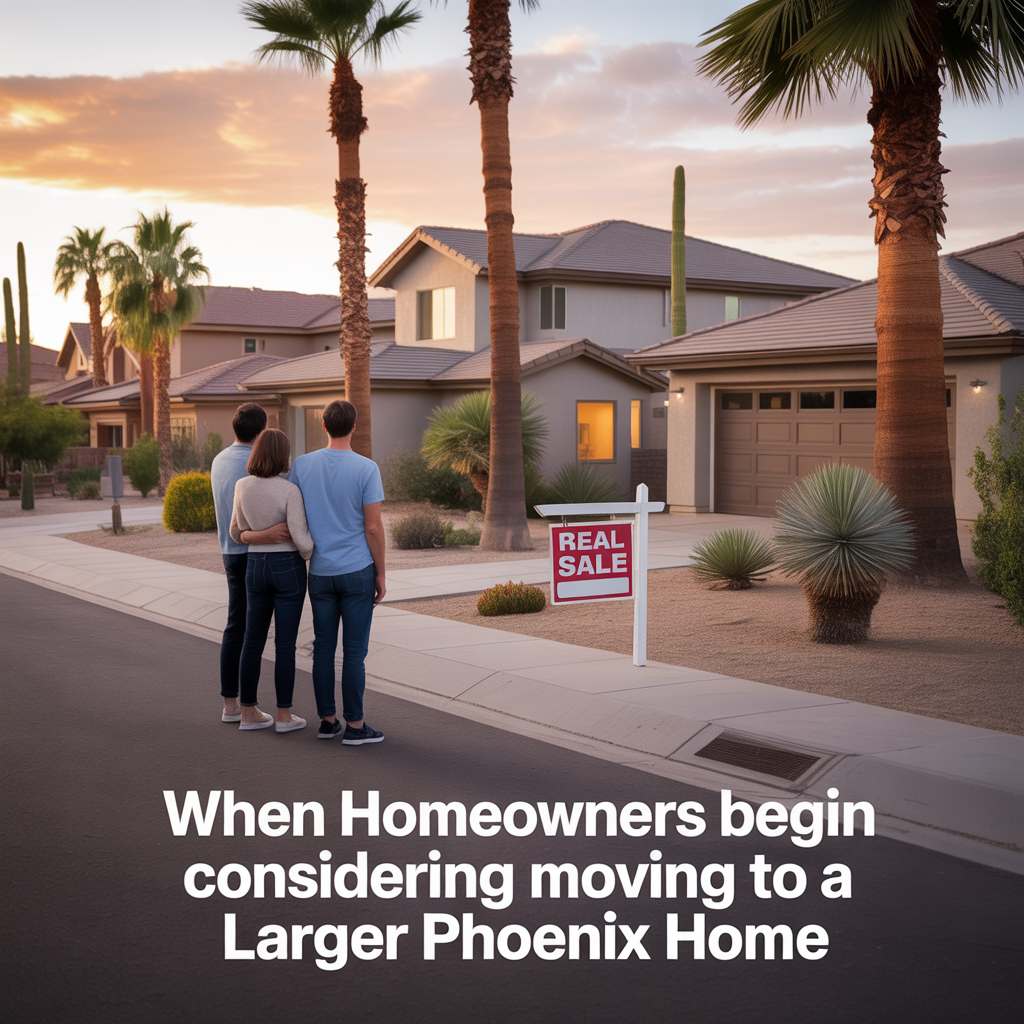
When Homeowners Begin Considering Moving to a Larger Phoenix Home
-

Signs Your Phoenix Home Is Starting to Feel Too Small for Your Family
-

How Desert Landscaping Evolves Over Years of Phoenix Homeownership