



This guide is part of our Current Real Estate Market Insights → [Current Real Estate Market Insights]
Written by: Renee Burke
In a market that’s settled into more balanced rhythms, not every Valley neighborhood weathers shifts the same way. Some Phoenix suburbs are standing tall — holding or even gaining value through steady demand, job growth, and that magnetic Arizona lifestyle — while others soften with extra inventory. It’s the ones blending strong schools, employers, and future-proof infrastructure that shine brightest in 2026.
I’ve tracked these patterns closely over the years, helping families and investors spot the keepers. Right now, outer growth areas like Queen Creek, Buckeye, and San Tan Valley lead in appreciation potential (6-7% projected), while established spots like Gilbert and Chandler hold medians firm with minimal dips. Let’s look at the standouts, so you can gauge your own backyard.
Top Value Holders: East Valley Anchors
Gilbert and Chandler top the list for rock-solid value retention. Median prices here hover at $550K-$620K, with just 1-2% softening from peaks — far better than the metro’s 2-3% dip. Families flock to top-rated schools like Hamilton High or Basis districts, and Intel’s Chandler campus keeps relocation deals closing fast, even in quieter months.
These suburbs rarely see price cuts; well-maintained ranch homes with pebble tec pools sell at or above list. Agritopia in Gilbert or Ocotillo in Chandler exemplify this — lifestyle perks like community trails and farmers’ markets lock in long-term desirability. If you’re selling, expect equity preservation; buyers, know you’re paying for stability that outlasts rate fluctuations.
West Valley Growth Engines
Buckeye and Surprise are holding value impressively among more affordable options, with medians at $350K-$450K showing 3-5% year-over-year gains. New communities like Verrado draw families with master-planned amenities — think resort pools, hiking paths, and room for desert citrus groves. TSMC’s West Valley fabs promise thousands of jobs, stabilizing demand even as inventory rises to 5 months’ supply.
Peoria edges in too, buoyed by Arrowhead Towne Center and Cardinals stadium events. These areas shrug off metro slowdowns better than central spots, as first-timers and investors prioritize space over immediacy. A common worry: “Too far out?” Not anymore — Loop 303 expansions make Sky Harbor runs feel routine.
South and Outer Stars: Future-Proof Bets
Queen Creek and San Tan Valley lead appreciation at 6-7%, with medians $417K-$500K barely budging downward. New builds dominate, fueled by SR-24 connectivity and Phoenix-Mesa Gateway Airport growth. Encanterra’s golf and trails appeal to active adults, while families eye lot sizes you can’t find closer in.
Maricopa ($358K median) and Coolidge ($287K) hold value through industrial booms — Lucid Motors, P&G plants, and Inland Port projects draw steady workers. These holdouts softened less than 5% in 2023-24 corrections, rebounding quickest now. Investors love the “optionality” — land for expansion amid job influxes.
The Full Picture: Metro Standouts
Here’s how they stack up based on 2026 trends:
Urban cores like Phoenix proper ($455K) hold decently but trail suburbs in relative gains, softening 2-3% amid condo oversupply.
What Makes Them Resilient
These suburbs thrive on fundamentals: job corridors (Intel, TSMC), school excellence, and infrastructure like SR-24 or Loop 303. Population growth at 1.6% metro-wide funnels to them, not softening centers. Low unemployment (under 4%) and secured water supplies through 2050 add confidence. They dipped least in 2023 (3-4% vs. 8% peaks elsewhere) and rebound via new construction incentives.
Misconception: “Hot today, cooling tomorrow.” No — these tie value to life here: golf mornings, trail walks, no state tax.
Guidance for Your Situation
Sellers in these zones: List confidently — stage for desert living, price via recent comps. Buyers: Prioritize growth pockets for equity builds; negotiate outer inventory.
Phoenix’s 5-7% metro projection favors these suburbs most. It’s not hype — it’s jobs meeting sunshine.
If you’re thinking about making a move in Phoenix, you don’t have to figure it out alone.
I’d love to dive into your suburb’s specifics — values, comps, or timing. Reach out; let’s chart your path together.
Get the full Phoenix Market Insights → [Market Insights]


-

How the Phoenix Desert Climate Shapes Everyday Life Inside the Home
-

How Phoenix Weather Patterns Shape Everyday Home Routines
-

Why Homes Often Feel More Comfortable After the First Year of Ownership
-

How Living in Phoenix Changes the Way Homeowners Use Their Homes
-
What New Phoenix Homeowners Learn During Their First Year of Ownership
-

How Daily Life Changes After the First Year of Living in a Phoenix Home
-
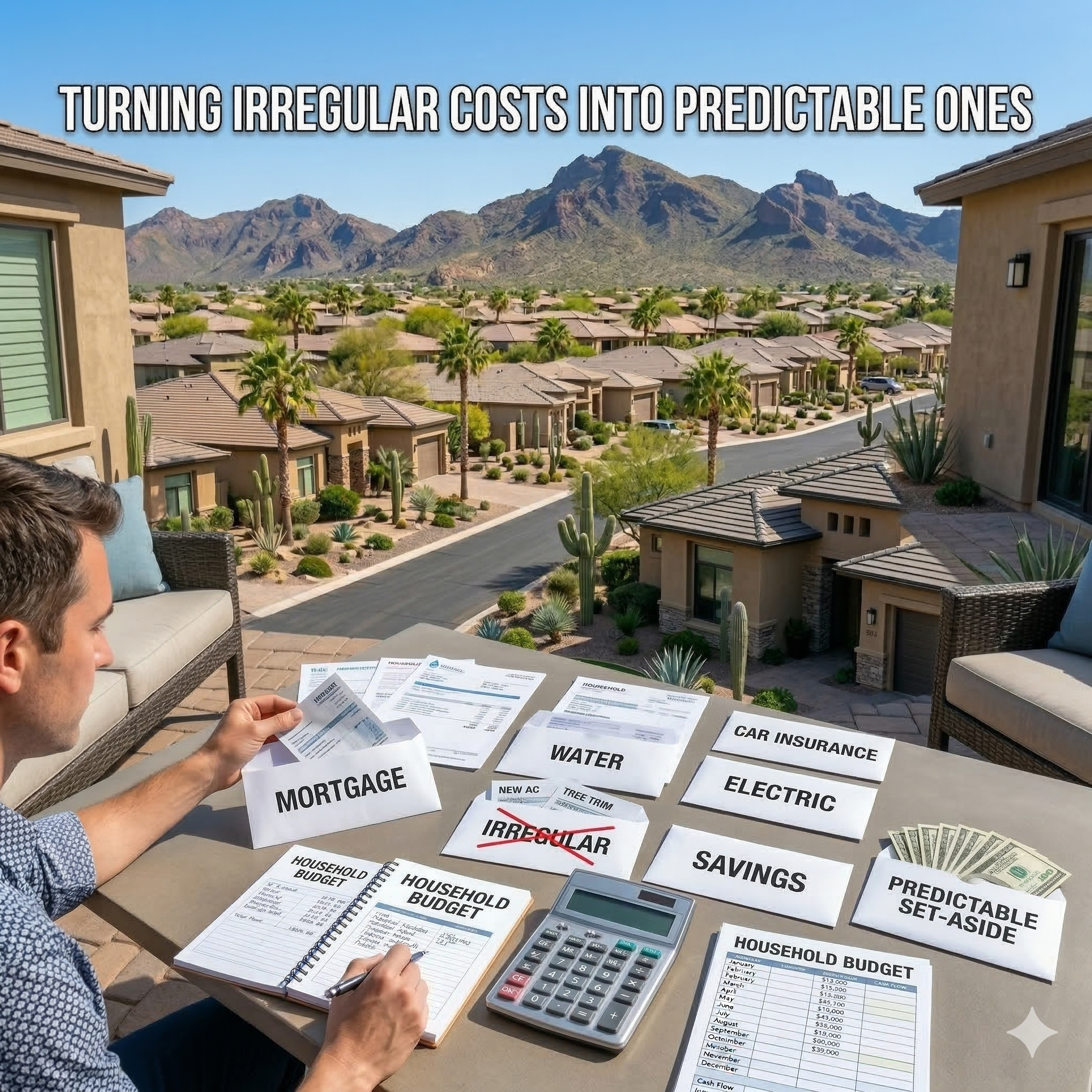
Turning Irregular Costs Into Predictable Ones
-

Budgeting for Ongoing Ownership
-

Repair vs Replace vs Defer Decisions
-

Planning Homeownership Like a Long-Term Asset
-

What Home Expenses You Can Safely Delay
-

Stopping Cost Creep Early
-

Cash Flow vs Net Worth Stress
-

Why “It’s Not That Much” Adds Up
-

Warning Signs Your Ownership Budget Is Tightening
-

The Cumulative Cost of Small Home Repairs
-

Designing Budgets Around Local Conditions
-
Utility Costs Over Time in Desert Climates
-

Insurance Increases Explained for Arizona Homeowners
-
How Inflation Impacts Phoenix Homeownership Costs
-

Avoiding Debt-Driven Homeownership Decisions
-

Replacing Systems on Your Timeline
-

Why Emergency Repairs Cost More
-

Timing Major Expenses Without Financial Shock
-
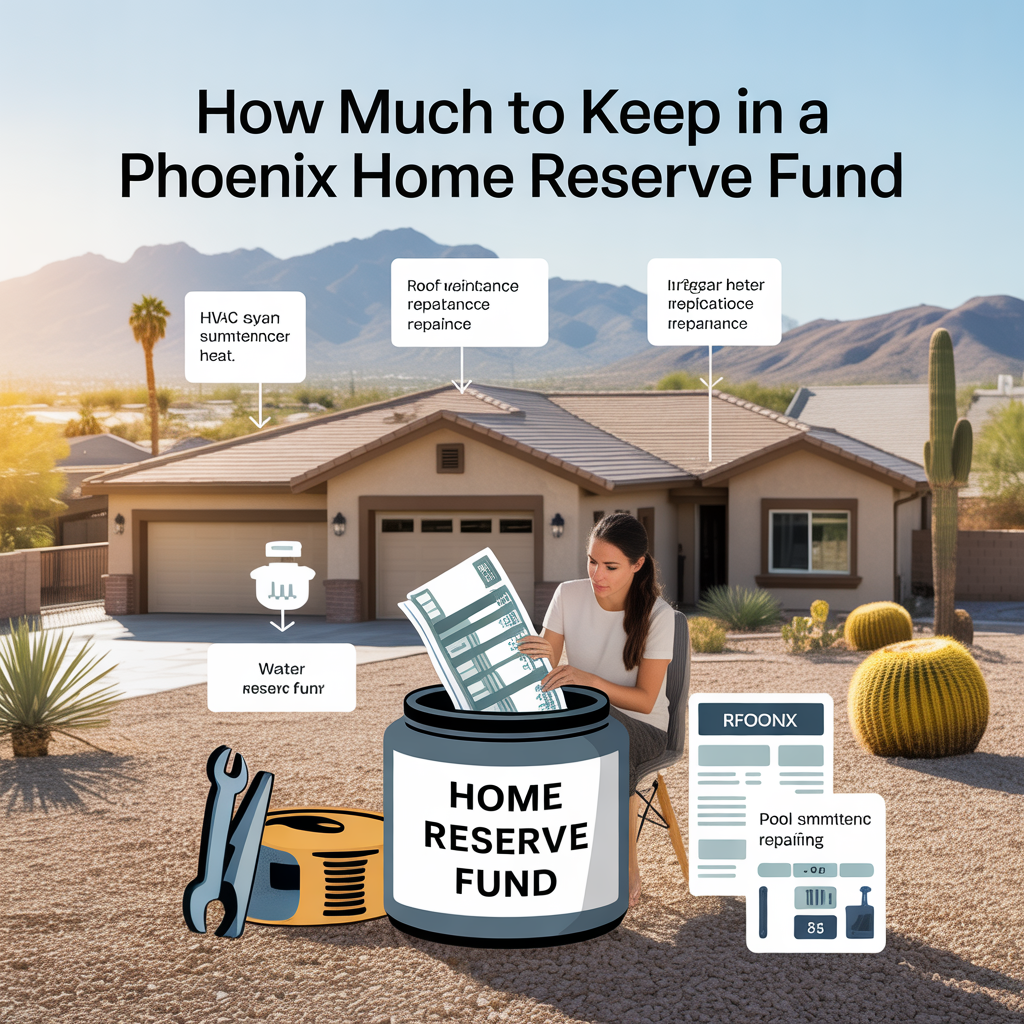
How Much to Keep in a Phoenix Home Reserve Fund