



This guide is part of our Phoenix Home Buying Process→ [Phoenix Home Buying Process] & for information on selling visit Phoenix Home Selling Process→ [Phoenix Home Selling Process]
Written by: Renee Burke
If you’ve spent any time looking at homes in Phoenix, you know our market moves to its own rhythm—one shaped by the desert sun, snowbird migrations, and the way families here plan their lives around school calendars and 110-degree summers. The best time to buy isn’t a one-size-fits-all date on the calendar; it’s about finding the sweet spot where inventory peaks, competition eases, and sellers are motivated to make deals that feel good for everyone.
Let me guide you through what that looks like right here in the Valley, so you can time your move with quiet confidence.
Phoenix’s Unique Seasonal Rhythm
Unlike markets frozen by snow or rain, Phoenix dances to the beat of our weather and lifestyle. Winter brings transplants and snowbirds eyeing second homes in Scottsdale or Fountain Hills, while summer sends locals into air-conditioned hibernation. Spring and fall? That’s when life pulses—pool parties in Gilbert, farmers markets in Old Town Scottsdale, and families settling before the school year.
Data from recent years shows distinct patterns:
- Peak seller season: Late winter through spring (February–May), when listings surge and prices firm up.
- Buyer opportunities: Late summer through early winter (August–November), when heat-weary sellers list and out-of-towners pause.
- Quietest months: December–January and June–July, though Phoenix’s mild winters keep things steadier than most places.
Right now, heading into 2026, we’re seeing early signs of balance: more inventory than the frenzy years, selective competition, and sellers realistic about today’s rates and buyer expectations.
Winter (December–February): Steady, Not Slow
You might think holidays grind real estate to a halt, but in Phoenix, winter hums along—especially for serious buyers.
December often ranks as one of our top sales months, sometimes outpacing spring. Why? Our weather draws buyers from colder states, kids are on break (easing showings), and sellers want deals closed before year-end tax season. Early 2026 reports already show momentum building, with pending sales up year-over-year and inventory rising just enough to give buyers breathing room.
Pros for buyers:
- Motivated sellers avoiding another year of ownership costs.
- Less weekend open house chaos.
- New construction incentives peak to fill model home traffic.
Watch for: Snowbird-driven demand in luxury pockets like Paradise Valley or Carefree, where competition stays brisk.
If you’re flexible and low-key, late winter—right around now—offers solid leverage without the spring rush.
Spring (March–May): High Energy, Higher Prices
Spring in Phoenix is real estate’s Super Bowl: blooming palo verde trees, perfect golf weather, and everyone scrambling before summer heat locks us indoors.
Listings explode as locals upgrade and transplants arrive. Median prices often tick up 2–5% from winter lows, and well-priced homes in family areas like Chandler or North Peoria can see multiple offers. But with more inventory than peak pandemic years, it’s competitive only for turnkey gems—not the feeding frenzy of 2021.
Pros:
- Widest selection, especially new builds in Queen Creek or Buckeye.
- Sellers optimistic but open to concessions if priced right.
Cons:
- Bidding can heat up for move-in-ready homes under $500,000.
- Showings clash with spring break and allergy season.
Great if you love options and can act decisively; otherwise, it feels more like a sprint.
Summer (June–August): The Hidden Opportunity
Yes, 115 degrees makes staging tricky and open houses rare, but summer is when Phoenix buyers gain real ground.
Sellers list homes they couldn’t move in spring, often with built-in incentives like AC tune-ups or closing cost credits. Inventory climbs as families avoid back-to-school chaos, and competition thins—fewer out-of-state buyers brave the heat. Prices dip slightly from spring peaks, sometimes saving you thousands on comparable homes.
Pros:
- Fewer showings mean your offer stands out.
- Sellers motivated to close before fall.
- Best deals on fixer-uppers or investment properties in West Valley areas.
Cons:
- Limited new listings; inspections reveal heat-stressed issues like HVAC strain.
If you’re handy, heat-tolerant, or hunting value, late summer whispers “buyer’s market” in most neighborhoods.
Fall (September–November): The Sweet Spot for Most
Here’s where Phoenix magic happens: fall combines cooling temps, rising inventory, and waning competition.
October often shines brightest—national data pinpoints mid-October as a “sweet spot” with 30% less rivalry, higher listings, and prices softening from summer. Sellers, eager to wrap before holidays, offer concessions freely. Snowbirds scout but hold off buying until winter. In 2025, this window reportedly saved buyers up to $15,000 versus peak season.
Our local trends echo this: days on market stretch, giving you time to negotiate, and family neighborhoods like Gilbert see motivated sellers prepping for holiday cash. Early November still hums before the quiet sets in.
Pros:
- Balanced leverage—enough homes, not overwhelming crowds.
- Lifestyle perks: milder weather for neighborhood tours.
- Builders push fall promotions.
Cons:
- Holiday prep distracts some sellers by late November.
For first-timers or upgraders, this is prime time: thoughtful deals without exhaustion.
What Makes Fall 2026 Especially Promising
Layer in today’s market: stabilizing rates, 3–5 months of supply, and buyers like you who’ve waited out uncertainty. Experts forecast modest price growth but no surge, with more homes hitting the market as equity unlocks. New construction in growth corridors keeps options flowing.
Phoenix isn’t a “wait for rock-bottom” market—it rewards timing with patience and preparation.
Tailoring the Best Time to Your Life
No calendar trumps your reality. Ask yourself:
| Situation | Best Window |
|---|---|
| First-time buyer, building savings | Late summer–early fall: value + low competition. |
| Family with school timelines | Winter or early spring: settle before August heat. |
| Investor or fixer-upper hunter | Summer: distressed deals abound. |
| Relocating for work | Fall–winter: milder moves, quick closes. |
| Upsizing in luxury areas | Late winter: snowbird influx, but negotiate hard. |
Pre-approval early unlocks off-market gems anytime.
Making Your Move Feel Right
Phoenix rewards those who sync with our seasons—not just weather, but the ebb and flow of families hiking South Mountain or dining al fresco in Arcadia.
Right now, with balance tilting toward buyers, you’re in a strong position whenever you go. The key? Know the rhythm, prep your finances, and move when your life aligns.
If you’re wondering how these seasons play out in the neighborhoods you love—or if now’s quietly perfect for you—let’s chat. I’ve guided hundreds through the Valley’s quirks, and I’d love to map the ideal window for your story.
You don’t have to time the market perfectly alone. Reach out, and we’ll find your moment together—calmly, clearly, and with the local know-how that turns good timing into your Phoenix home.
Get the full Phoenix Market Insights → [Market Insights]


-

How the Phoenix Desert Climate Shapes Everyday Life Inside the Home
-

How Phoenix Weather Patterns Shape Everyday Home Routines
-

Why Homes Often Feel More Comfortable After the First Year of Ownership
-

How Living in Phoenix Changes the Way Homeowners Use Their Homes
-

What New Phoenix Homeowners Learn During Their First Year of Ownership
-

How Daily Life Changes After the First Year of Living in a Phoenix Home
-
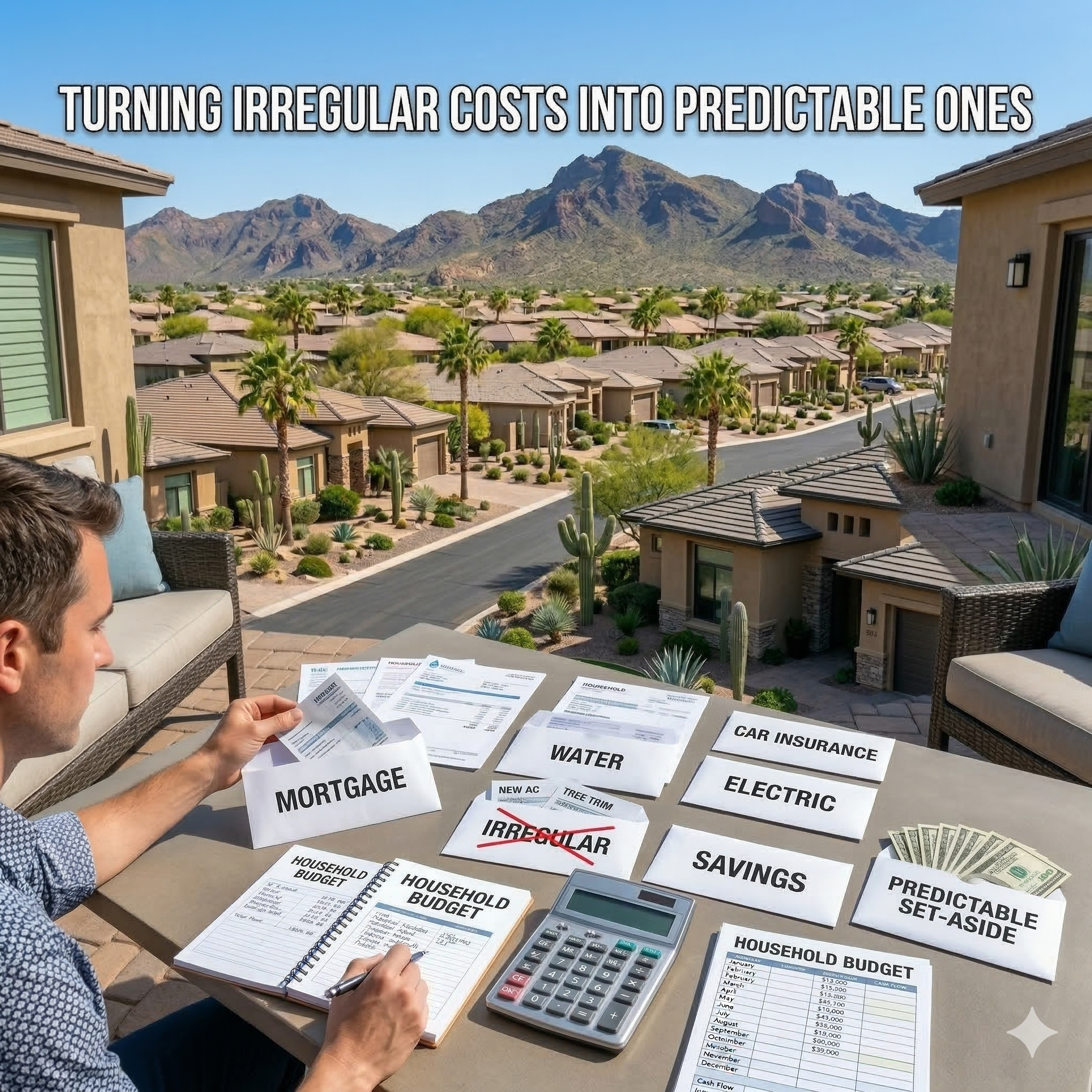
Turning Irregular Costs Into Predictable Ones
-

Budgeting for Ongoing Ownership
-

Repair vs Replace vs Defer Decisions
-

Planning Homeownership Like a Long-Term Asset
-

What Home Expenses You Can Safely Delay
-

Stopping Cost Creep Early
-

Cash Flow vs Net Worth Stress
-

Why “It’s Not That Much” Adds Up
-

Warning Signs Your Ownership Budget Is Tightening
-

The Cumulative Cost of Small Home Repairs
-

Designing Budgets Around Local Conditions
-
Utility Costs Over Time in Desert Climates
-

Insurance Increases Explained for Arizona Homeowners
-
How Inflation Impacts Phoenix Homeownership Costs
-

Avoiding Debt-Driven Homeownership Decisions
-

Replacing Systems on Your Timeline
-

Why Emergency Repairs Cost More
-

Timing Major Expenses Without Financial Shock
-
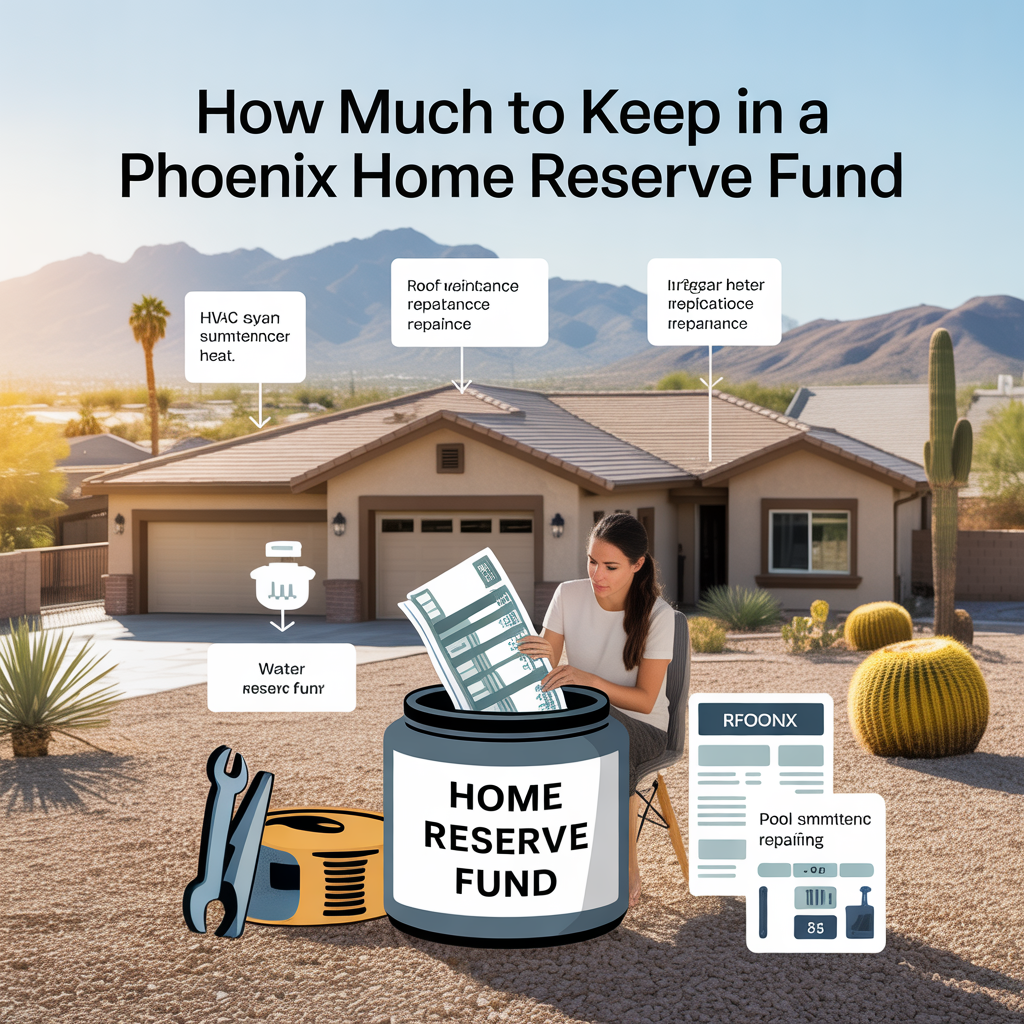
How Much to Keep in a Phoenix Home Reserve Fund