



This guide is part of our Phoenix Home Buying Process→ [Phoenix Home Buying Process] & for information on selling visit Phoenix Home Selling Process→ [Phoenix Home Selling Process]
Written by: Renee Burke
In the Phoenix metro area, bidding wars have long been a rite of passage for many homebuyers, especially when the Valley’s sun-soaked appeal draws in families and professionals from across the country. Those frenzied moments — where offers stack up faster than monsoon clouds — test even the steadiest nerves. But as we settle into 2026, the landscape feels different, more measured, though hot pockets still spark competition.
If you’re stepping into this market, whether eyeing a cozy Chandler starter home or a North Phoenix retreat, knowing how these dynamics play out locally can ease the worry. I’ve guided countless clients through them right here in the Valley, and I’ll walk you through it now with the same calm clarity.
The Anatomy of a Phoenix Bidding War
A bidding war starts when a well-priced home in a desirable neighborhood hits the market. In Phoenix, that often means places like Gilbert’s agritopian communities, Scottsdale’s family-friendly cul-de-sacs, or East Valley new builds near top-rated schools. Sellers list strategically, sometimes below market to generate buzz, and suddenly, showing appointments fill up.
Buyers submit offers by a deadline — often 48 to 72 hours after the home goes live. Each includes price, contingencies, earnest money, and closing timeline. The seller reviews them all, sometimes inviting a “best and final” round where offers escalate. The highest, cleanest one usually wins, but it’s not always just about dollars.
What sets Phoenix apart? Our year-round market means bidding can flare anytime, not just spring. Summer heat doesn’t slow serious buyers relocating for jobs at TSMC or Intel, and families prioritize school proximity over sweltering tour dates.
Why Bidding Wars Still Happen Here
Even with more inventory in 2026 — homes lingering 60-70 days on average — certain segments ignite. Sub-$450,000 properties move quickest, especially move-in-ready ones in Chandler, Gilbert, or Avondale. Luxury in Paradise Valley or Fountain Hills sees less frenzy but still draws qualified offers.
Local factors fuel it: limited resale inventory in premium school districts, new construction incentives that don’t fully match custom resale charm, and transplants chasing our low taxes and endless outdoor lifestyle. When a turnkey home with a pool and mountain views pops up in Ahwatukee, it’s gone fast.
Buyers fear missing out — FOMO is real when you’ve been searching months. Sellers love the validation but know deals fall through at 9.2% locally if inspections spook shoppers. That balance keeps everyone sharp.
Strategies for Buyers in the Heat of the Battle
As your guide, here’s how to navigate without overextending. First, get rock-solid pre-approval from a lender familiar with Arizona’s nuances — think jumbo loans for Scottsdale or VA for military families near Luke Air Force Base. Show sellers you’re serious with 1-2% earnest money, held by a reputable title company like Fidelity National.
Price smartly: Offer 3-5% over list in true wars, but ladder up — start strong, leave room to climb if needed. Shorten inspection to 5-7 days, waive appraisal if you have cash reserves, but never skip home and termite checks in our desert climate. Pools, HVAC, and roofs demand scrutiny.
Personalize your offer: A letter highlighting your Valley roots or excitement for community events like Gilbert’s Farm Meganza softens hearts. Include proof of funds, flexible closing, and rent-back options for sellers. In 2026’s stabilizing market, concessions like rate buydowns win without maxing your budget.
Avoid the trap of “just this once” — chasing perfection leads to regret. If it checks your must-haves (proximity to trails, low HOA, good schools), move decisively.
Seller Tactics to Spark and Sustain Interest
Sellers, if you’re listing in competitive zones like North Phoenix’s Moon Valley or South Chandler, price to attract multiples: 5-10% below comps. Stage flawlessly — crisp desert landscaping, neutral palettes — and host open houses with catered bites to draw crowds.
Set a clear offer deadline, require pre-approvals, and communicate via your agent. In Phoenix, transparency builds trust; share interest levels without revealing details. If bids come light, counter highest ones with small escalations or incentives like carpet allowances.
Watch for 2026 trends: With inventory up, overpricing kills momentum. Price right, and even in a cooling market, you’ll field offers that reflect true value.
Common Pitfalls and Fears — And How to Sidestep Them
Buyers often panic, waiving too much and facing appraisal gaps — bringing thousands to closing out-of-pocket. Solution: Cap escalations at appraised value or have backup cash. Sellers fear lowballs post-war; counter with data from recent Eastmark or Power Ranch sales.
Misconception: Bidding wars mean chaos. Not here — Arizona’s AAR contract protects with timelines and disclosures. Deals cancel often now (9.2% rate), giving buyers leverage to walk from lemons. Fear of commitment? Build in flexibility, like assignable contracts for investors eyeing Queen Creek growth.
In our market, emotional discipline wins. I’ve seen clients lose dream homes but snag better fits days later amid rising supply.
Life Beyond the Bid: Valley Lifestyle Fit
Bidding isn’t just numbers — it’s about thriving here. A Gilbert win means farmers markets and top schools; Scottsdale, trails and A+ dining. Weigh commute to Sky Harbor or 101 traffic against home perks. In 2026, more choices mean aligning property with your Phoenix rhythm — backyard BBQs year-round, not just square footage.
Ready to Navigate Your Next Move?
Phoenix bidding wars reward the prepared, not the impulsive. Whether you’re a buyer steeling for multiples or a seller aiming to maximize, the Valley’s market favors those who blend strategy with patience.
If you’re thinking about making a move in Phoenix, you don’t have to figure it out alone. Reach out — let’s review your options with the steady hand of someone who knows every neighborhood’s pulse. I’m here to guide you home.
Get the full Phoenix Market Insights → [Market Insights]


-

How the Phoenix Desert Climate Shapes Everyday Life Inside the Home
-

How Phoenix Weather Patterns Shape Everyday Home Routines
-

Why Homes Often Feel More Comfortable After the First Year of Ownership
-

How Living in Phoenix Changes the Way Homeowners Use Their Homes
-
What New Phoenix Homeowners Learn During Their First Year of Ownership
-

How Daily Life Changes After the First Year of Living in a Phoenix Home
-
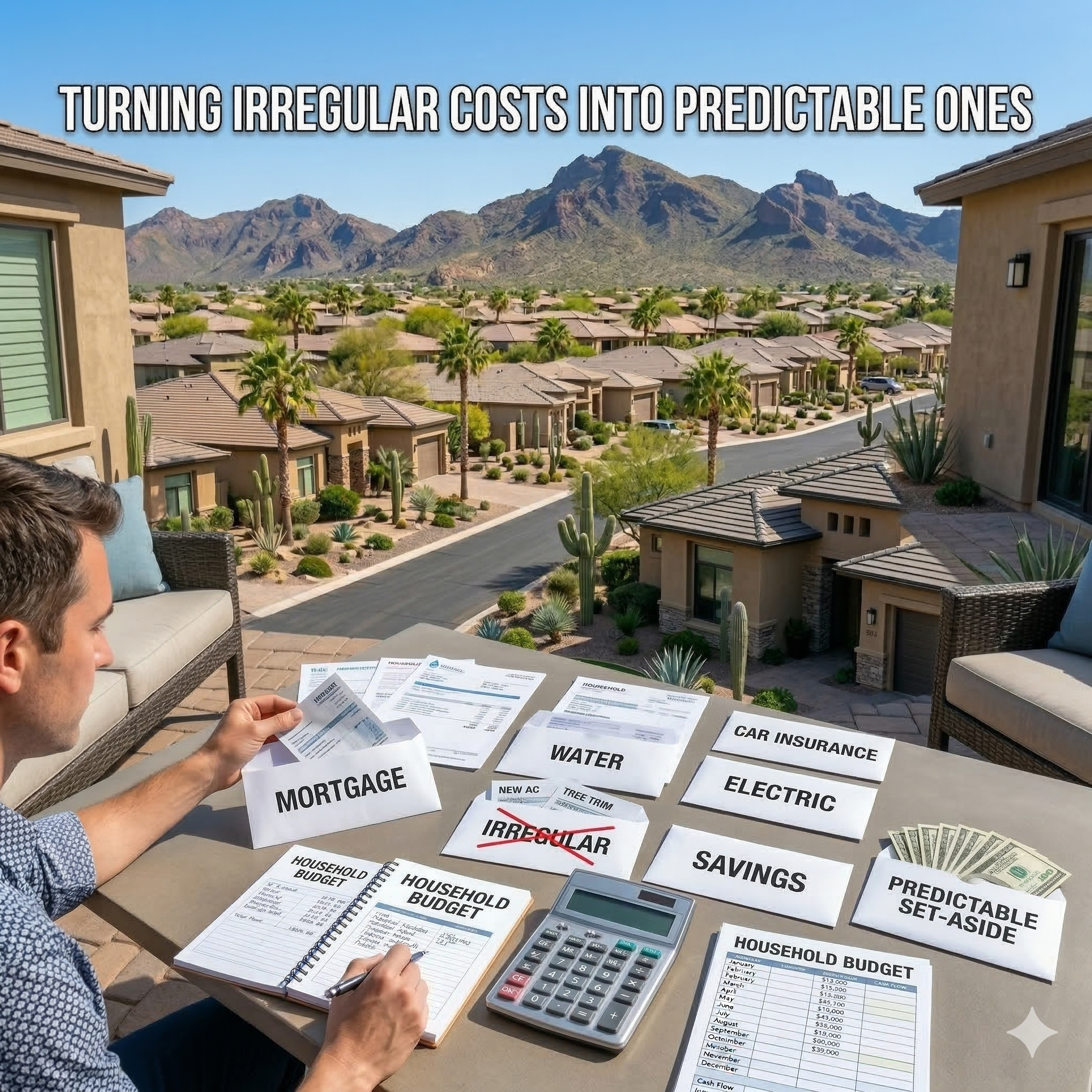
Turning Irregular Costs Into Predictable Ones
-

Budgeting for Ongoing Ownership
-
Repair vs Replace vs Defer Decisions
-

Planning Homeownership Like a Long-Term Asset
-

What Home Expenses You Can Safely Delay
-

Stopping Cost Creep Early
-

Cash Flow vs Net Worth Stress
-

Why “It’s Not That Much” Adds Up
-

Warning Signs Your Ownership Budget Is Tightening
-
The Cumulative Cost of Small Home Repairs
-

Designing Budgets Around Local Conditions
-
Utility Costs Over Time in Desert Climates
-

Insurance Increases Explained for Arizona Homeowners
-
How Inflation Impacts Phoenix Homeownership Costs
-

Avoiding Debt-Driven Homeownership Decisions
-

Replacing Systems on Your Timeline
-

Why Emergency Repairs Cost More
-

Timing Major Expenses Without Financial Shock
-
How Much to Keep in a Phoenix Home Reserve Fund