


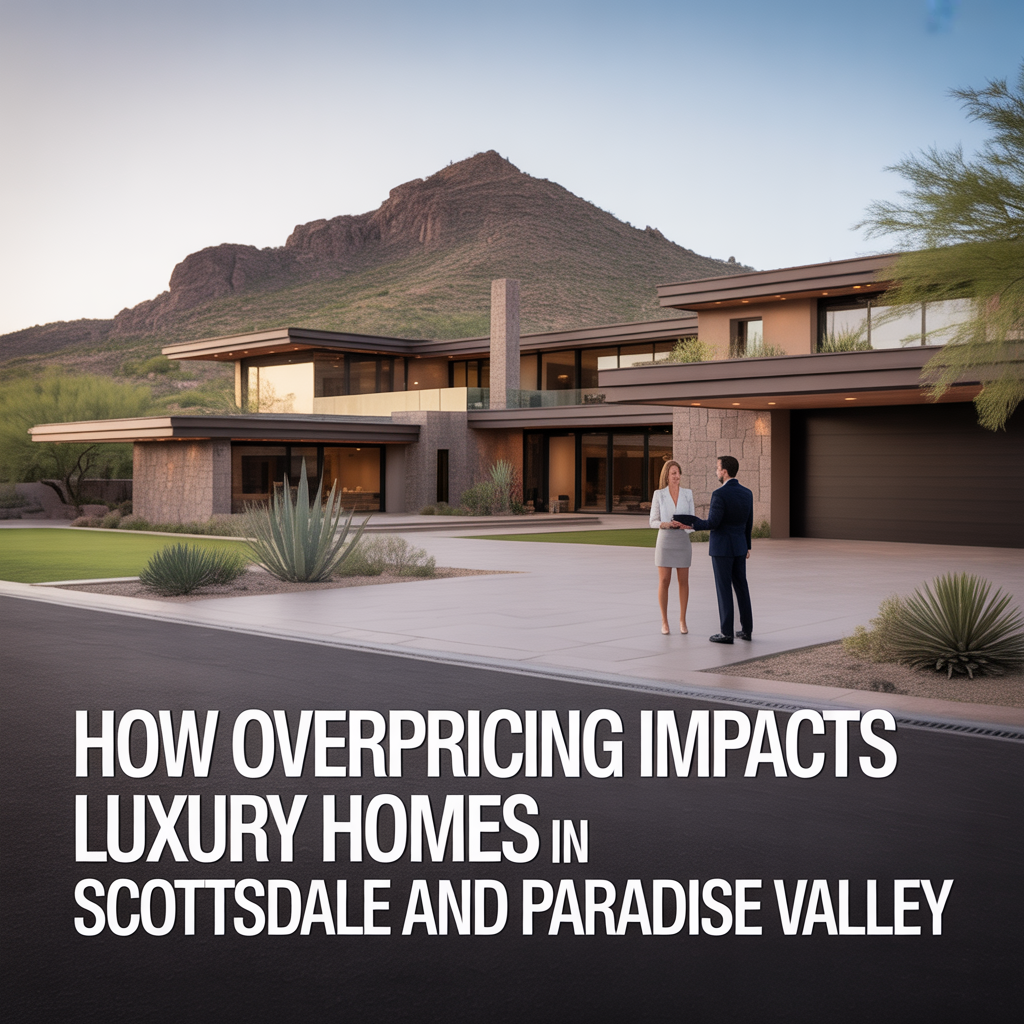
This guide is part of our Phoenix Luxury Guide → [Phoenix Luxury Guide] & for information on selling visit Phoenix Home Buying Process→ [Phoenix Home Buying Process]
Written by: Renee Burke
In Scottsdale and Paradise Valley, where luxury homes often represent a lifetime of achievement, pricing carries profound weight. Sellers sometimes feel tempted to test the market with an ambitious number, hoping for the best.
But in our current market—stable yet discerning—that choice can echo far beyond the listing date. Overpricing doesn’t just delay a sale; it shapes perceptions, negotiations, and long-term value in ways that are hard to recover from.
As someone who’s walked countless clients through these neighborhoods, I’ve seen how thoughtful pricing builds momentum, while overpricing quietly erodes it. Let’s look closely at what’s happening right now.
The Stabilizing Luxury Landscape
Scottsdale’s luxury segment—think $2M+ properties in Old Town, DC Ranch, or McDowell Mountain Ranch—entered 2026 with steady demand and balanced inventory. Prices are holding firm, with selective appreciation in prime pockets, but buyers are savvier than ever.
Paradise Valley remains the pinnacle, with median sales hitting $3.5M last year and limited land fueling exclusivity. Yet even here, supply constraints don’t guarantee top dollar—strategic pricing does.
Well-priced homes sell briskly, often at or near list, because they capture the attention of cash buyers and lifestyle seekers who drive our high-end market. Overpriced ones? They fade into the background.
Days on Market: The Silent Cost
The most immediate impact of overpricing is time. In Scottsdale, luxury homes now average 48 days on market—up from 31 a year ago—while well-priced properties move faster. Overpriced listings linger, sometimes for months.
In Paradise Valley, where exclusivity once meant instant offers, we’re seeing similar patterns: homes sitting as buyers scroll past, waiting for the next reduction. One recent trend shows price cuts climbing in the $3M+ range, signaling adjustment fatigue.
That extended time isn’t neutral. It signals doubt to future buyers, who wonder about hidden issues or market mismatch. In a place like Gainey Ranch or hillside estates off Tatum, momentum matters—first impressions set the tone.
Price Reductions and Perception Shifts
Sellers often start with a high ask, planning to negotiate down. But multiple reductions tell a story. In our luxury market, they whisper “overpriced from the start,” eroding trust and leverage.
Data shows Scottsdale homes closing at 97-98% of final list price, but those with cuts average lower. Paradise Valley sales have dipped to 93% of asking in oversupplied pockets, a far cry from the multiple-bid frenzy of years past.
Buyers—discerning transplants from California or locals upgrading—compare rigorously. An overpriced DC Ranch estate next to a comp that sold quickly? They’ll lowball or walk, knowing the seller’s hand is weakening.
Missed Opportunities in a Selective Pool
Luxury buyers here aren’t browsing endlessly. They’re executives eyeing Kierland views or families prioritizing Biltmore privacy. Overpriced homes miss their narrow window of attention, especially in winter when seasonal demand peaks.
Expired listings and cancellations are up—46% and 79% in recent months—often from properties that priced too high and lost steam. That means relisting later, at a potential discount, after carrying costs like taxes, insurance, and staging.
In Paradise Valley’s rebuild-heavy market, speculative overbuilds have created 26 months of supply in some segments. Fresh, competitively priced new construction shines; the rest gathers dust.
Long-Term Value Erosion
The ripple effects linger. A home that sits loses freshness—landscaping fades, market buzz dulls. Future appraisals reference those reductions, capping resale potential down the line.
In Scottsdale’s maturing luxury tier, where $2M+ values rose 7.1% last year, overpricing risks positioning your property as the outlier that underperforms. Buyers favor “priced to move” homes with resort-style appeal and proven comps.
Paradise Valley’s prestige endures, but even here, perception sticks. A stigmatized address from a drawn-out sale can shadow the next owner.
Pricing with Precision: A Local Playbook
Smart sellers lean on data: recent comps, micro-market velocity, and buyer psychology. In McCormick Ranch, emphasize green space and amenities. On Paradise Valley foothills, highlight lot integrity and views.
I guide clients to price at true value—aggressive yet realistic—to spark showings, offers, and closes. Staging, professional media, and targeted outreach amplify this in our visual, lifestyle-driven market.
Avoid the “just to see” trap. Test high privately through off-market feelers, not public listings where first weeks define everything.
Finding Balance in Scottsdale and Paradise Valley
Our luxury market rewards patience and precision. Overpricing tests limits but rarely expands them—it contracts opportunities instead.
Yet Phoenix’s Valley shines for those who price thoughtfully: stable growth, affluent demand, endless sunshine.
If you’re pricing a Scottsdale estate or Paradise Valley retreat, let’s talk. You don’t have to navigate these nuances alone—I’m here with the local insight to position your home for the strongest outcome, every time. Reach out when you’re ready.
Get the full Phoenix Market Insights → [Market Insights]


-

Shade Coverage and Tree Canopy Differences by Corridor
-

Summer Walkability Reality Near ASU and Mill Avenue
-

Choosing Proximity Based on Personality and Routine
-
How Tempe Town Lake Changes Social Routines
-
Family-Friendly Lake Events vs Adult Nightlife Patterns
-

Parking Structures and Rideshare Realities on Peak Nights
-
Mill Avenue Late-Night Hotspots vs Residential Calm
-

ASU Game Days and Event Calendar Impacts
-

Cross-Valley Trip Efficiency From Tempe
-

Micro-Mobility and Bike Utility by Corridor
-

Park-And-Ride, Game Day, and Event Access Patterns
-

Airport Timing Strategy Around ASU and Rush Hour Traffic
-

Light Rail Use Cases That Actually Improve Daily Life
-
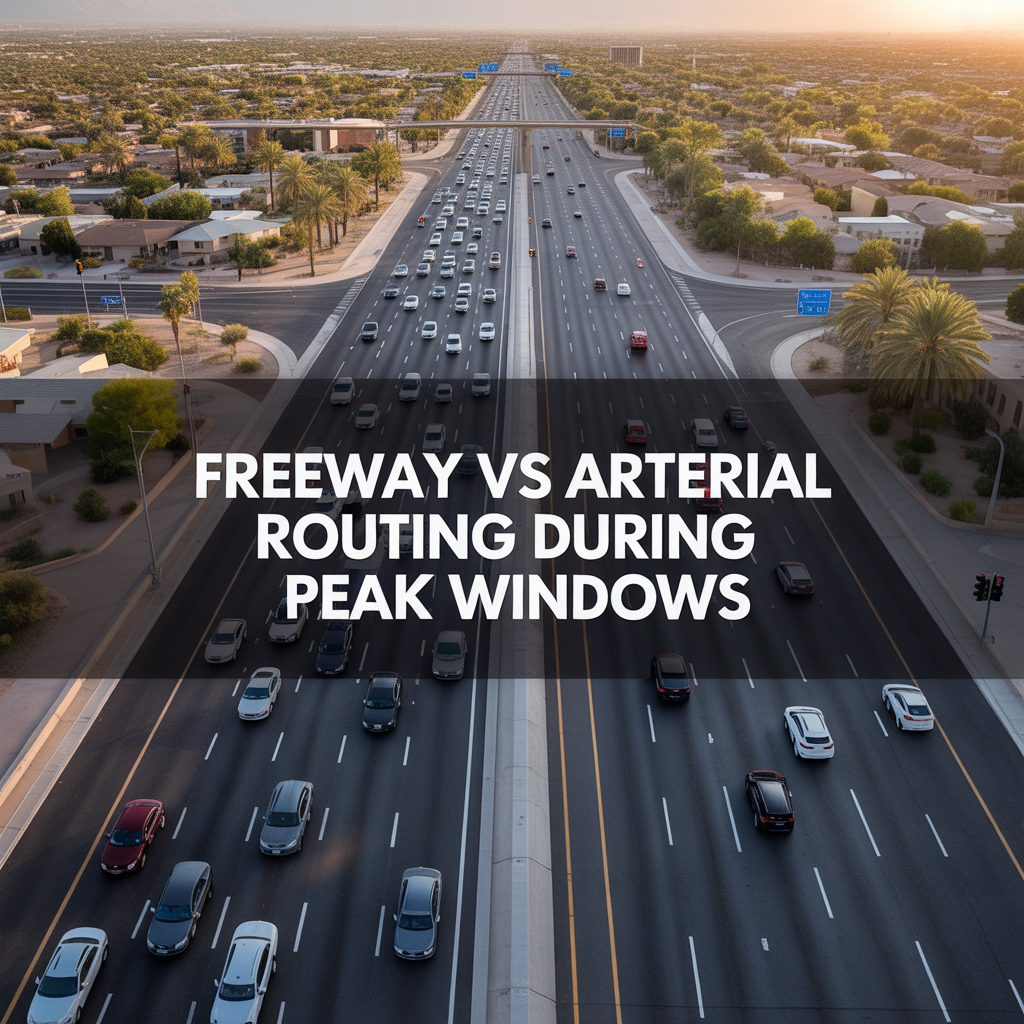
Freeway vs Arterial Routing During Peak Windows
-

Real-World Drive Times to Sky Harbor From Different Tempe Pockets
-
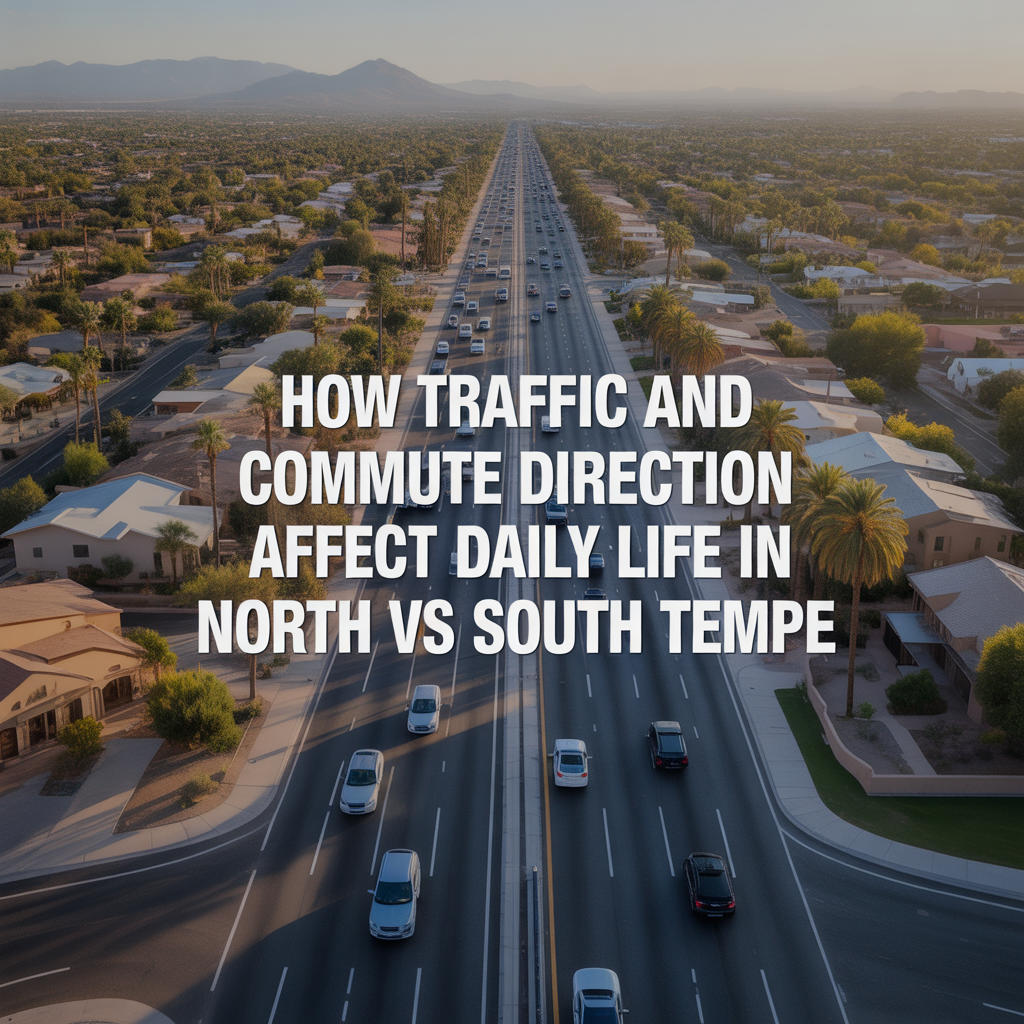
How Traffic and Commute Direction Affect Daily Life in North vs South Tempe
-

Bike Paths, Walkability, and Short-Distance Transportation in Tempe
-

Driving Access From Tempe to Phoenix Sky Harbor Airport
-

Light Rail Access Between Tempe, Downtown Phoenix, and Mesa
-
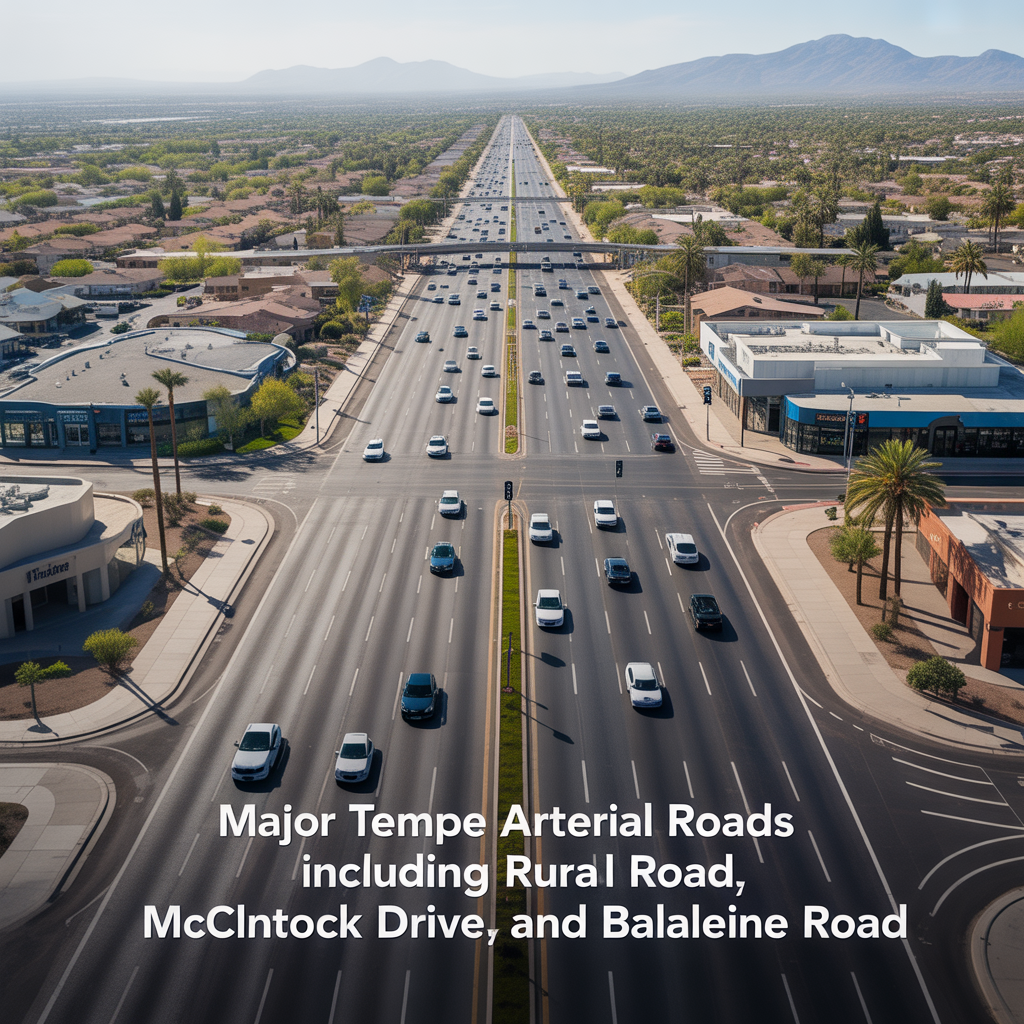
Major Tempe Arterial Roads Including Rural Road, McClintock Drive, and Baseline Road
-
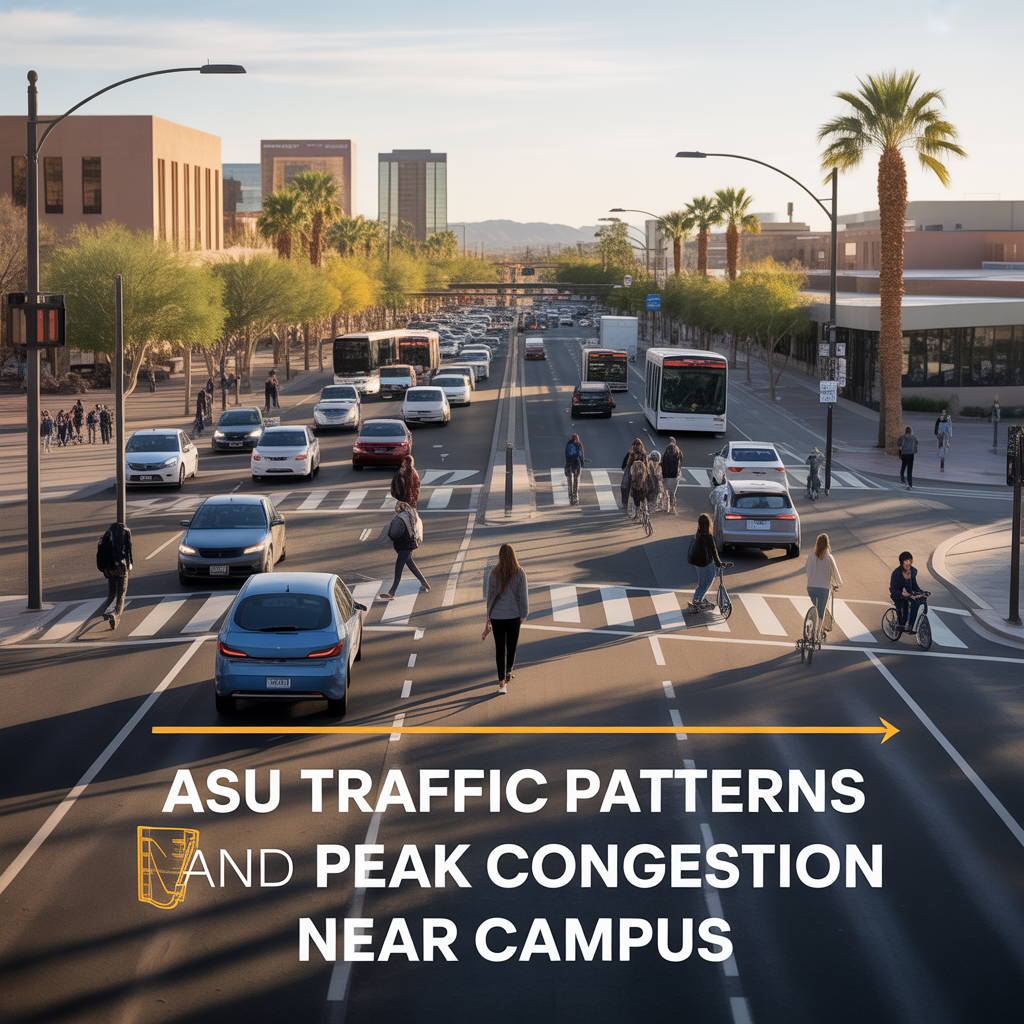
ASU Traffic Patterns and Peak Congestion Near Campus
-
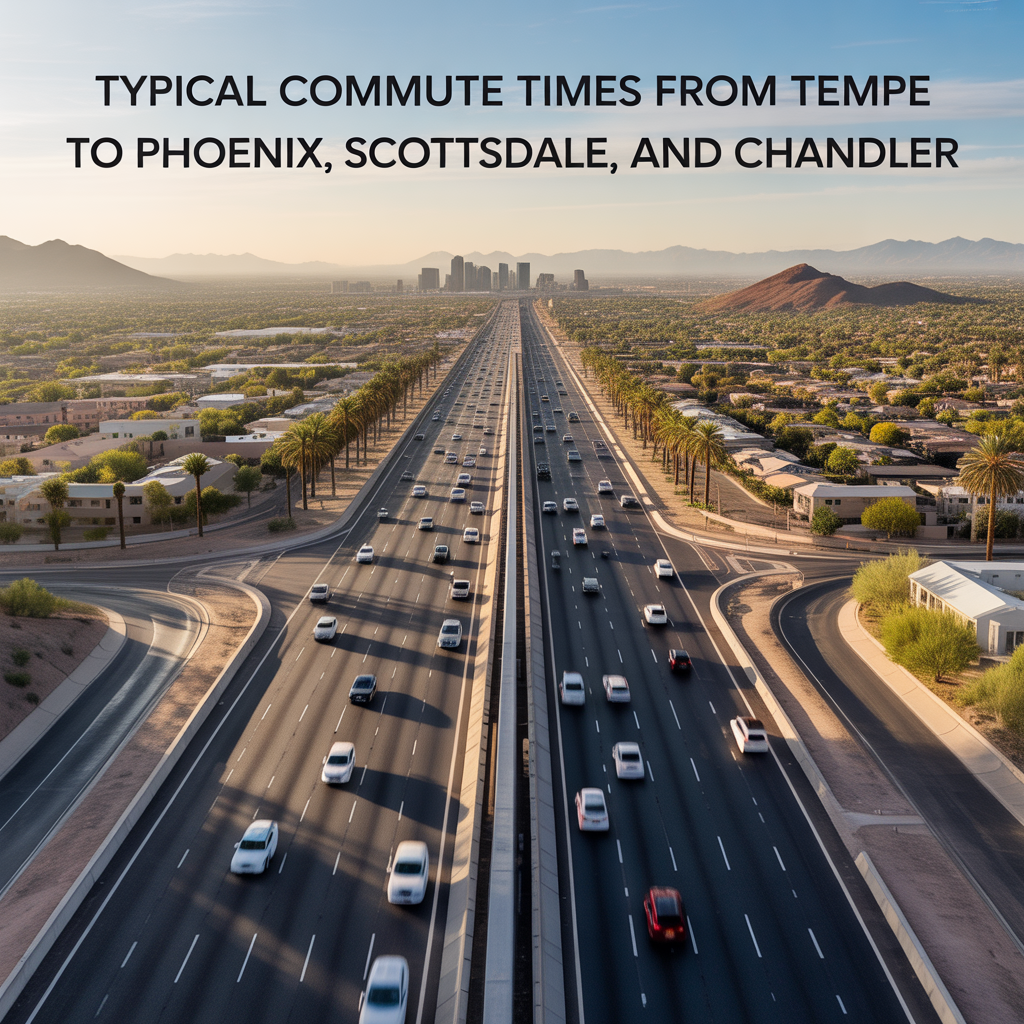
Typical Commute Times From Tempe to Phoenix, Scottsdale, and Chandler
-
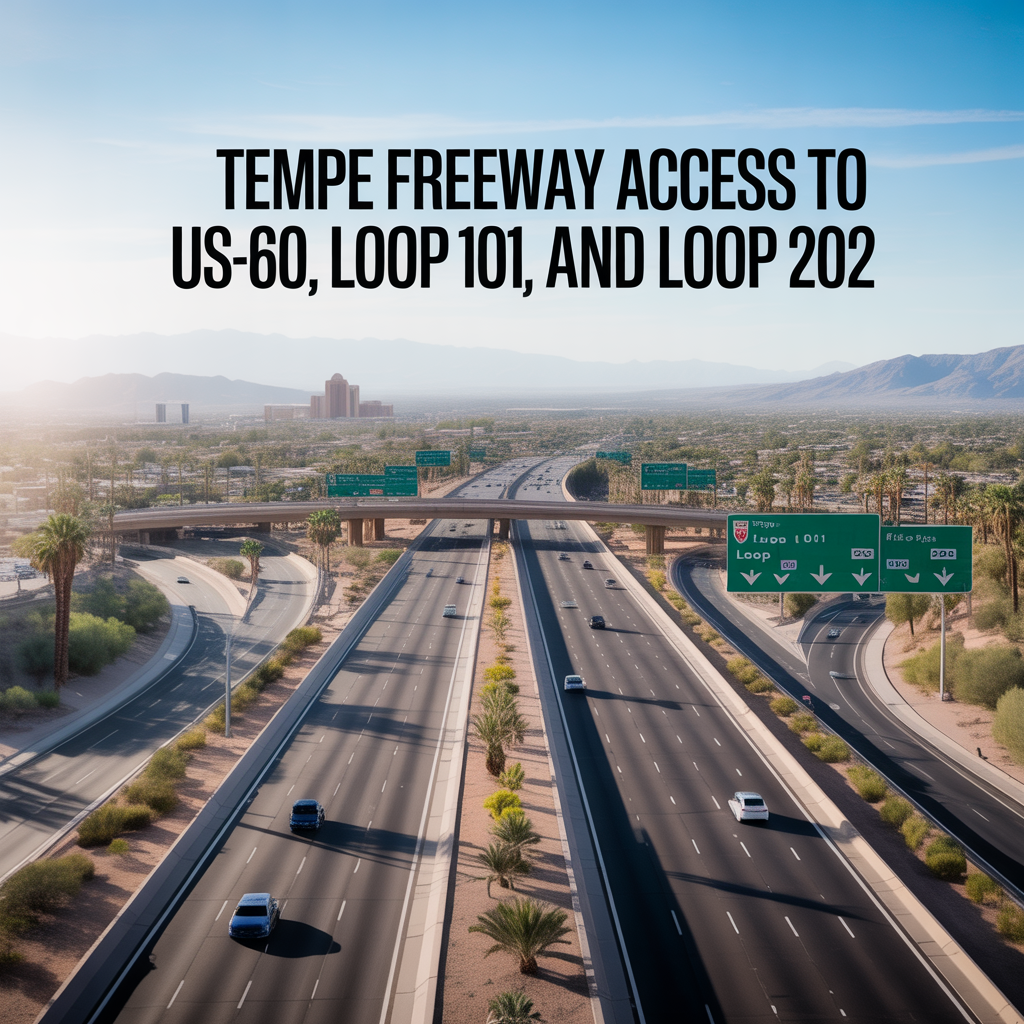
Tempe Freeway Access to US-60, Loop 101, and Loop 202
-

Shade, Tree Coverage, and Summer Outdoor Usability in Tempe
-

Outdoor Recreation Near Downtown Tempe and ASU